
Full Body Workout at Home: A Complete Guide to Building Strength and Improving Overall Fitness
Fitness & Wellness | Home Fitness | Full Body Training | Strength Training | Healthy Lifestyle | July 2026
Introduction
Maintaining a consistent fitness routine is one of the best ways to improve overall health and well-being. However, many people struggle to find time for lengthy gym sessions due to busy work schedules, family responsibilities, or limited access to fitness facilities. A full body workout at home offers a convenient and effective solution for staying active without requiring expensive equipment or a gym membership.
A full body workout targets multiple major muscle groups in a single session, helping improve strength, endurance, flexibility, and cardiovascular fitness. Whether your goal is weight management, muscle toning, or overall physical wellness, a structured home workout routine can help you achieve lasting results.
With proper planning, consistency, and gradual progression, full body workouts can become an essential part of a healthy lifestyle.
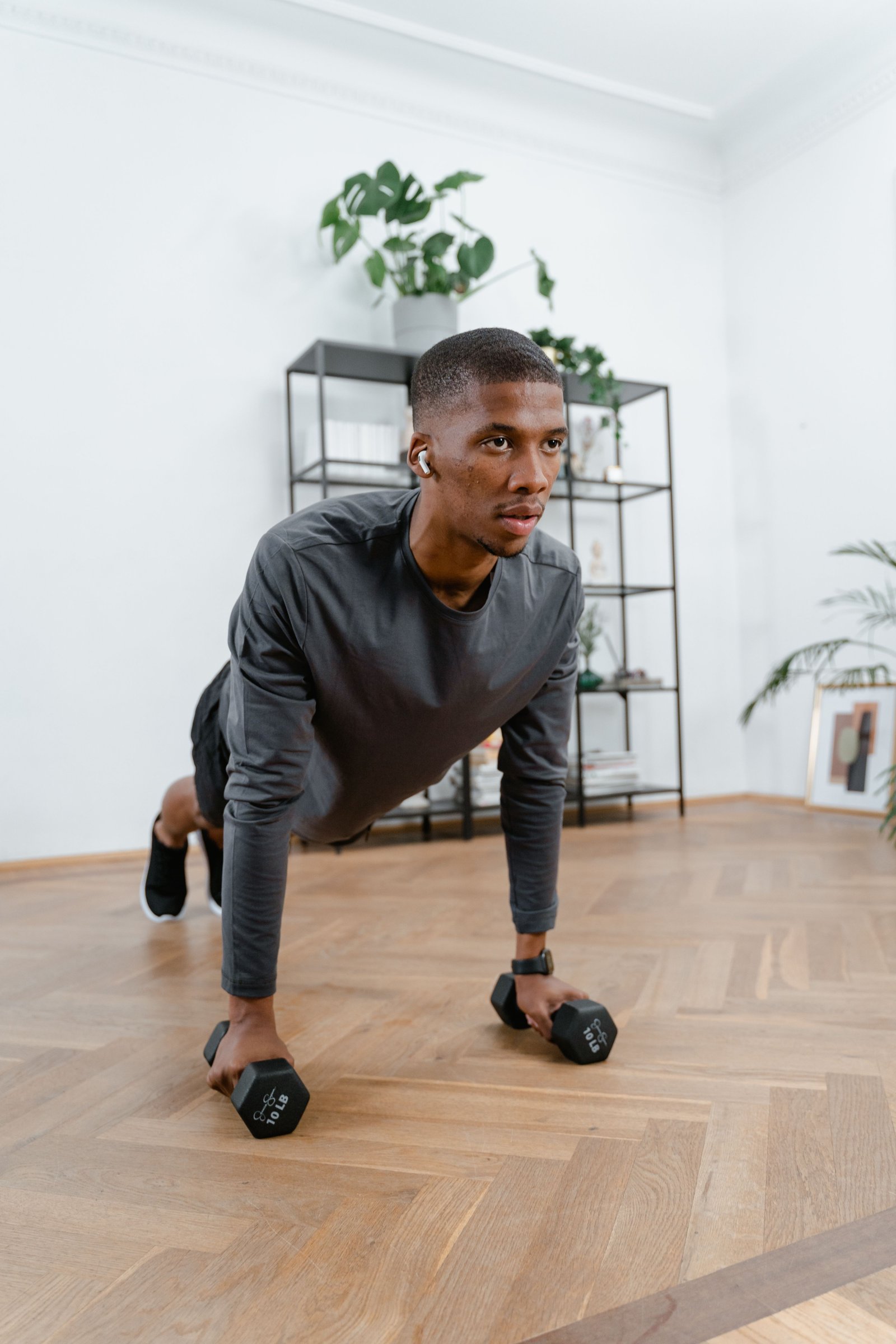
What Is a Full Body Workout at Home?
A full body workout at home is an exercise routine that trains all the major muscle groups—including the upper body, lower body, and core—during a single workout session.
Unlike split workouts that focus on one muscle group each day, full body workouts provide balanced muscle development while improving overall fitness.
A full body workout can focus on:
● Strength Training
● Muscle Toning
● Weight Management
● Fat Loss
● Cardiovascular Fitness
● Core Strength
● Functional Movement
● Flexibility and Mobility
● Overall Physical Wellness
These workouts can be customized according to fitness level, available space, and personal goals.
Benefits of Full Body Workouts at Home
Home-based full body workouts provide several physical and lifestyle benefits.
1. Improves Overall Strength
Training multiple muscle groups helps build balanced strength throughout the body.
2. Supports Healthy Weight Management
Full body exercises increase calorie expenditure while preserving lean muscle mass.
3. Saves Time
Working the entire body in one session reduces the need for multiple separate workouts.
4. Enhances Cardiovascular Fitness
Many full body exercises elevate the heart rate, improving endurance and heart health.
5. Improves Coordination and Balance
Functional movements strengthen muscles while improving stability and body control.
6. Increases Flexibility and Mobility
Including stretching and mobility exercises supports better movement and reduces stiffness.
7. Encourages Workout Consistency
Home workouts make it easier to maintain a regular exercise routine.
8. Supports Mental Well-being
Regular physical activity helps reduce stress, improve mood, and boost confidence.
Best Full Body Exercises at Home
A balanced workout should include exercises that target every major muscle group.
Upper Body
● Push-Ups
● Pike Push-Ups
● Shoulder Taps
● Triceps Dips
Lower Body
● Bodyweight Squats
● Reverse Lunges
● Glute Bridges
● Calf Raises
Core
● Plank
● Bicycle Crunches
● Leg Raises
● Russian Twists
Full Body Cardio
● Burpees
● Mountain Climbers
● Jumping Jacks
● High Knees
● Skater Jumps
Combining these exercises creates an effective full-body workout that improves strength, endurance, and overall fitness.
Sample Full Body Workout Plan
A beginner-friendly weekly workout schedule may look like this:
Monday: Full Body Strength Training
Tuesday: Cardio and Core
Wednesday: Active Recovery or Stretching
Thursday: Full Body Circuit Training
Friday: Strength and Mobility Workout
Saturday: Full Body HIIT Session
Sunday: Rest and Recovery
This routine can be modified based on your fitness goals and recovery needs.
Who Can Benefit from Full Body Workouts?
Full body workouts are suitable for:
● Beginners
● Working professionals
● Students
● Parents
● Fitness enthusiasts
● Individuals working from home
● People managing body weight
● Older adults (with appropriate modifications)
● Anyone looking to improve overall fitness
Exercises can be adapted to suit different fitness levels and individual needs.
Healthy Tips for Better Results
Follow these habits to maximize your fitness progress:
● Warm up for 5–10 minutes before exercising.
● Maintain proper exercise form.
● Increase workout intensity gradually.
● Eat sufficient protein to support muscle recovery.
● Stay hydrated throughout the day.
● Get 7–9 hours of quality sleep.
● Stretch after every workout.
● Allow muscles adequate recovery time.
● Stay consistent with your exercise routine.
Sustainable progress comes from regular exercise and healthy lifestyle habits.
Common Mistakes to Avoid
Avoid these common workout mistakes:
● Skipping warm-up sessions
● Using incorrect exercise technique
● Overtraining without recovery
● Ignoring mobility and flexibility exercises
● Following inconsistent workout schedules
● Poor hydration
● Neglecting proper nutrition
● Expecting immediate results
Small improvements over time lead to lasting fitness success.
When Should You Consult a Healthcare Professional?
Consult a healthcare provider before beginning a full body workout program if you:
● Have heart disease or uncontrolled high blood pressure.
● Experience chronic joint or back pain.
● Are recovering from surgery or injury.
● Have balance or mobility limitations.
● Experience chest pain, dizziness, or shortness of breath during exercise.
● Have any medical condition requiring exercise modifications.
Professional guidance helps ensure that your workout routine is safe and appropriate for your individual health needs.
How Does Balanzing Help?
At Balanzing, we believe fitness should be practical, sustainable, and accessible for everyone. Through evidence-based fitness education, expert wellness guidance, preventive health resources, and practical home workout recommendations, we help individuals build effective full body workout routines that improve strength, endurance, mobility, and overall well-being.
Whether you're starting your fitness journey or enhancing your current exercise routine, Balanzing provides trusted information to help you make informed decisions and achieve your long-term health goals safely and effectively.
Full Body Workout at Home: Exercises for Complete Fitness
| Exercise | Main Benefit |
|---|---|
| Bodyweight Squats | Strengthens the legs and glutes |
| Push-Ups | Works the chest, shoulders, and arms |
| Lunges | Improves lower-body strength and balance |
| Glute Bridges | Strengthens the glutes and supports hip stability |
| Planks | Builds core strength and stability |
| Mountain Climbers | Improves cardiovascular fitness and engages the core |
| Bird Dogs | Supports core stability and coordination |
| Jumping Jacks | Provides a simple full-body cardio workout |
Full Body Workout at Home: Complete Guide for Busy People?
A full body workout at home can be effective for busy people when it combines strength, cardio, and mobility exercises. Bodyweight exercises, dumbbells, and resistance bands can help you train multiple muscle groups without spending hours at the gym.
How to Workout When You Work 50+ Hours a Week?
If you work 50+ hours a week, focus on short, consistent workouts rather than long sessions. Aim for 20–30 minute workouts a few times per week, using compound exercises such as squats, push-ups, lunges, and rows.
Best Full Body Workout Routine Using Only Dumbbells?
A simple dumbbell routine can include goblet squats, dumbbell rows, shoulder presses, Romanian deadlifts, lunges, and chest presses. Perform the exercises with controlled movements and choose a weight that allows you to maintain proper form.
Can You Get Fit With Just One Workout Per Week?
One workout per week is better than no exercise, but it may not be enough to achieve optimal fitness results. If your schedule is limited, try adding short walks, mobility exercises, or brief activity sessions throughout the week.
Home Workouts for Desk Job Workers: Stay Fit When Sitting All Day?
Desk workers can benefit from exercises that strengthen the back, core, legs, and shoulders while improving mobility. Try squats, glute bridges, planks, bird dogs, wall angels, and regular stretching. Taking short movement breaks during the workday can also help reduce prolonged sitting.
Full Body Workout in 30 Minutes or Less at Home?
A 20–30 minute workout can include a short warm-up followed by exercises such as squats, push-ups, lunges, rows, planks, and jumping jacks. Perform them as a circuit with brief rest periods to make the session efficient.
Resistance Bands vs Dumbbells: Which Is Better for Home Workouts?
Both can be useful. Dumbbells provide adjustable resistance and work well for strength training, while resistance bands are lightweight, portable, and useful for a wide range of movements. Your choice should depend on your fitness goals, available space, and budget.

Disclaimer
The information provided on this website is collected and compiled from publicly available sources for general informational purposes only.
Leave a Reply Cancel reply
Comments
Table of Contents
Toggle
This is exactly the reassurance I needed — I always assumed home workouts couldn’t compare to the gym, but the point about full body sessions being more forgiving for busy schedules makes a lot of sense. Starting with bodyweight exercises instead of jumping straight into weights feels like a smarter approach too. Thanks, BALANZING!