
HIIT Home Workout : A Complete Guide to Burning Calories and Improving Fitness at Home
Fitness & Wellness | Home Fitness | HIIT Training | Weight Management | Healthy Lifestyle | July 2026
Introduction
Finding time to exercise can be challenging in today's busy lifestyle. Many people want workouts that are effective, time-efficient, and easy to perform at home. High-Intensity Interval Training (HIIT) has become one of the most popular fitness methods because it delivers excellent results in a shorter amount of time.
A HIIT home workout combines short bursts of high-intensity exercises with brief recovery periods, helping improve cardiovascular fitness, burn calories, and increase endurance. Whether your goal is weight loss, improving stamina, building strength, or enhancing overall fitness, HIIT workouts can be an effective addition to your routine.
With little or no equipment required, HIIT workouts are suitable for people who want maximum results while exercising from the comfort of their homes.
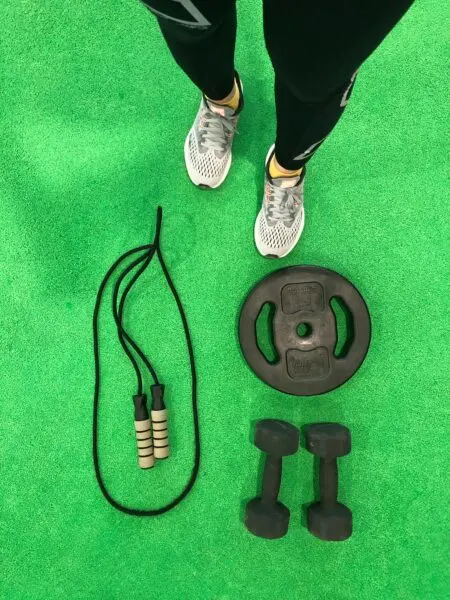
What Is a HIIT Home Workout?
A HIIT (High-Intensity Interval Training) home workout is a structured exercise routine that alternates between short periods of intense physical activity and brief recovery intervals.
Unlike traditional steady-state workouts, HIIT focuses on maximizing effort during each exercise interval, making workouts both efficient and challenging.
HIIT home workouts can focus on:
● Weight Loss
● Fat Burning
● Cardiovascular Fitness
● Muscle Endurance
● Strength Improvement
● Core Stability
● Full-Body Conditioning
● Overall Physical Wellness
Most HIIT sessions last between 15 and 30 minutes, making them ideal for busy schedules.
Benefits of HIIT Home Workouts
HIIT training offers numerous physical and lifestyle benefits.
1. Burns More Calories in Less Time
High-intensity exercises increase calorie expenditure during and after workouts.
2. Supports Healthy Weight Management
Regular HIIT sessions help improve body composition when combined with a balanced diet.
3. Improves Cardiovascular Health
HIIT strengthens the heart and improves overall endurance.
4. Builds Muscular Endurance
Bodyweight movements improve strength while increasing muscle endurance.
5. Saves Time
Most HIIT workouts can be completed in 20–30 minutes.
6. No Gym Required
Many HIIT exercises use body weight, making them suitable for home workouts.
7. Increases Energy Levels
Regular exercise helps improve stamina and supports an active lifestyle.
8. Keeps Workouts Engaging
The variety of exercises helps reduce boredom and improves workout consistency.
Best HIIT Exercises at Home
A balanced HIIT workout should include exercises that target multiple muscle groups.
Lower Body
● Squat Jumps
● Jump Lunges
● Bodyweight Squats
● High Knees
Upper Body
● Push-Ups
● Shoulder Taps
● Triceps Dips
Core
● Plank
● Mountain Climbers
● Bicycle Crunches
● Russian Twists
Full Body Cardio
● Burpees
● Jumping Jacks
● Skater Jumps
● Jump Rope
● Bear Crawls
Combining these exercises creates a complete HIIT workout that improves strength, endurance, and cardiovascular fitness.
Sample HIIT Home Workout Plan
A beginner-friendly weekly HIIT schedule may look like this:
Monday: Full Body HIIT (20 Minutes)
Tuesday: Active Recovery or Walking
Wednesday: Lower Body HIIT
Thursday: Core and Cardio HIIT
Friday: Upper Body HIIT
Saturday: Full Body Circuit Training
Sunday: Rest and Recovery
This schedule can be adjusted according to your fitness level and recovery needs.
Who Can Benefit from HIIT Home Workouts?
HIIT workouts are suitable for:
● Beginners (with modified exercises)
● Working professionals
● Students
● Busy parents
● Fitness enthusiasts
● Individuals managing body weight
● People exercising at home
● Anyone looking for quick and effective workouts
Exercises should be modified based on individual fitness levels and medical conditions.
Healthy Tips for Better Results
Follow these habits to maximize your HIIT progress:
● Warm up for 5–10 minutes before each workout.
● Focus on proper exercise technique.
● Start with shorter workout sessions.
● Stay hydrated throughout the day.
● Eat a balanced diet with sufficient protein.
● Allow muscles adequate recovery time.
● Stretch after every workout.
● Stay consistent with your routine.
Consistency and gradual progression are the keys to long-term fitness success.
Common Mistakes to Avoid
Avoid these common HIIT workout mistakes:
● Skipping warm-up sessions
● Using incorrect exercise form
● Exercising at maximum intensity every day
● Not taking enough recovery time
● Ignoring hydration
● Following an inconsistent workout schedule
● Expecting immediate results
Small improvements over time produce sustainable fitness outcomes.
When Should You Consult a Healthcare Professional?
Consult a healthcare provider before beginning a HIIT workout program if you:
● Have heart disease or uncontrolled high blood pressure.
● Experience chronic joint or back pain.
● Are recovering from surgery or injury.
● Have balance or mobility limitations.
● Experience chest pain, dizziness, or shortness of breath during exercise.
● Have any medical condition requiring exercise modifications.
Professional guidance helps ensure that your workout routine is safe and appropriate for your individual health needs.
How Does Balanzing Help?
At Balanzing, we believe fitness should be practical, accessible, and sustainable for everyone. Through evidence-based fitness education, expert wellness guidance, preventive health resources, and practical home workout recommendations, we help individuals build effective exercise routines that improve cardiovascular fitness, endurance, strength, and overall well-being.
Whether you are starting HIIT workouts for weight loss, improving athletic performance, or building a healthier lifestyle, Balanzing provides trusted information to help you make informed decisions and achieve your long-term fitness goals safely and effectively
What Should You Know About a HIIT Home Workout?
| HIIT Home Workout Benefits | HIIT Home Workout Tips |
|---|---|
| Burns calories efficiently | Start with a proper warm-up |
| Improves cardiovascular fitness | Begin with beginner-friendly exercises |
| Requires little or no equipment | Maintain proper form |
| Fits into busy schedules | Include rest and recovery days |
| Supports fat-loss goals | Increase intensity gradually |
| Can be done at home | Stay consistent with your routine |
HIIT vs Running: Which Gets Better Results Faster?
HIIT can deliver effective calorie-burning and fitness benefits in less time, while running is excellent for endurance. The better choice depends on your fitness goals, schedule, and preferences.
Can You Do HIIT Workouts Every Day or Do You Need Rest Days?
Most people should avoid intense HIIT every day. Rest or lighter activity between hard sessions allows the body to recover and helps reduce the risk of overtraining.
Why HIIT Is Perfect for People With Desk Jobs?
HIIT can fit easily into busy schedules because workouts are typically short and require little or no equipment. It can also provide an active break from prolonged sitting.
Home HIIT Workouts for Men Over 30: What Actually Works?
Effective exercises include squats, lunges, mountain climbers, push-ups, jumping jacks, and burpees. Start at an appropriate intensity and gradually increase the workload as fitness improves.
How to Get Shredded With Short Home Workouts?
Combine regular HIIT workouts with strength exercises, adequate protein, balanced nutrition, quality sleep, and consistency. Fat loss depends on overall energy balance, not HIIT alone.
HIIT Before or After Work: What's the Best Time to Train?
The best time is when you can train consistently and have enough energy to exercise safely. Morning workouts can start the day actively, while after-work sessions may suit people with later schedules.
The 3-3-3 Rule for HIIT Workouts: What Does It Mean?
The “3-3-3 rule” is not a single universally standardized HIIT method. Different trainers may use the term to describe different workout structures, so check the specific program's definition before following it.


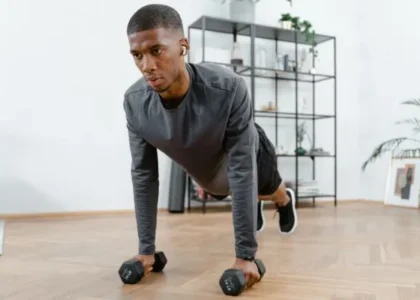
Disclaimer
The information provided on this website is collected and compiled from publicly available sources for general informational purposes only.
Leave a Reply Cancel reply
Comments
Table of Contents
Toggle
I found this BALANZING article very helpful and easy to follow. The HIIT home workout tips and beginner-friendly exercises make it simple to start exercising at home without expensive equipment.