Healthy intake 😃 Balanzed living

HIIT Home Workout : A Complete Guide to Burning Calories and Improving Fitness at Home

Fitness & Wellness | Home Fitness | HIIT Training | Weight Management | Healthy Lifestyle | July 2026

Introduction

Finding time to exercise can be challenging in today's busy lifestyle. Many people want workouts that are effective, time-efficient, and easy to perform at home. High-Intensity Interval Training (HIIT) has become one of the most popular fitness methods because it delivers excellent results in a shorter amount of time.

A HIIT home workout combines short bursts of high-intensity exercises with brief recovery periods, helping improve cardiovascular fitness, burn calories, and increase endurance. Whether your goal is weight loss, improving stamina, building strength, or enhancing overall fitness, HIIT workouts can be an effective addition to your routine.

With little or no equipment required, HIIT workouts are suitable for people who want maximum results while exercising from the comfort of their homes.
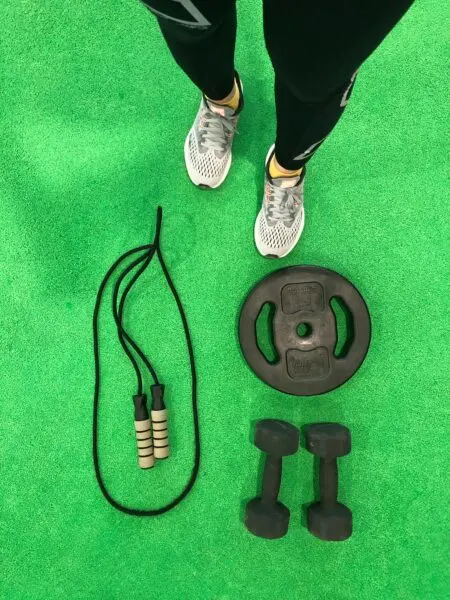
HIIT home workout

What Is a HIIT Home Workout?

A HIIT (High-Intensity Interval Training) home workout is a structured exercise routine that alternates between short periods of intense physical activity and brief recovery intervals.

Unlike traditional steady-state workouts, HIIT focuses on maximizing effort during each exercise interval, making workouts both efficient and challenging.

HIIT home workouts can focus on:

● Weight Loss
 ● Fat Burning
 ● Cardiovascular Fitness
 ● Muscle Endurance
 ● Strength Improvement
 ● Core Stability
 ● Full-Body Conditioning
 ● Overall Physical Wellness

Most HIIT sessions last between 15 and 30 minutes, making them ideal for busy schedules.

Benefits of HIIT Home Workouts

HIIT training offers numerous physical and lifestyle benefits.

1. Burns More Calories in Less Time

High-intensity exercises increase calorie expenditure during and after workouts.

2. Supports Healthy Weight Management

Regular HIIT sessions help improve body composition when combined with a balanced diet.

3. Improves Cardiovascular Health

HIIT strengthens the heart and improves overall endurance.

4. Builds Muscular Endurance

Bodyweight movements improve strength while increasing muscle endurance.

5. Saves Time

Most HIIT workouts can be completed in 20–30 minutes.

6. No Gym Required

Many HIIT exercises use body weight, making them suitable for home workouts.

7. Increases Energy Levels

Regular exercise helps improve stamina and supports an active lifestyle.

8. Keeps Workouts Engaging

The variety of exercises helps reduce boredom and improves workout consistency.

Best HIIT Exercises at Home

A balanced HIIT workout should include exercises that target multiple muscle groups.

Lower Body

● Squat Jumps
 ● Jump Lunges
 ● Bodyweight Squats
 ● High Knees

Upper Body

● Push-Ups
 ● Shoulder Taps
 ● Triceps Dips

Core

● Plank
 ● Mountain Climbers
 ● Bicycle Crunches
 ● Russian Twists

Full Body Cardio

● Burpees
 ● Jumping Jacks
 ● Skater Jumps
 ● Jump Rope
 ● Bear Crawls

Combining these exercises creates a complete HIIT workout that improves strength, endurance, and cardiovascular fitness.

Sample HIIT Home Workout Plan

A beginner-friendly weekly HIIT schedule may look like this:

Monday: Full Body HIIT (20 Minutes)

Tuesday: Active Recovery or Walking

Wednesday: Lower Body HIIT

Thursday: Core and Cardio HIIT

Friday: Upper Body HIIT

Saturday: Full Body Circuit Training

Sunday: Rest and Recovery

This schedule can be adjusted according to your fitness level and recovery needs.

Who Can Benefit from HIIT Home Workouts?

HIIT workouts are suitable for:

● Beginners (with modified exercises)

● Working professionals

● Students

● Busy parents

● Fitness enthusiasts

● Individuals managing body weight

● People exercising at home

● Anyone looking for quick and effective workouts

Exercises should be modified based on individual fitness levels and medical conditions.

Healthy Tips for Better Results

Follow these habits to maximize your HIIT progress:

● Warm up for 5–10 minutes before each workout.

● Focus on proper exercise technique.

● Start with shorter workout sessions.

● Stay hydrated throughout the day.

● Eat a balanced diet with sufficient protein.

● Allow muscles adequate recovery time.

● Stretch after every workout.

● Stay consistent with your routine.

Consistency and gradual progression are the keys to long-term fitness success.

Common Mistakes to Avoid

Avoid these common HIIT workout mistakes:

● Skipping warm-up sessions

● Using incorrect exercise form

● Exercising at maximum intensity every day

● Not taking enough recovery time

● Ignoring hydration

● Following an inconsistent workout schedule

● Expecting immediate results

Small improvements over time produce sustainable fitness outcomes.

When Should You Consult a Healthcare Professional?

Consult a healthcare provider before beginning a HIIT workout program if you:

● Have heart disease or uncontrolled high blood pressure.

● Experience chronic joint or back pain.

● Are recovering from surgery or injury.

● Have balance or mobility limitations.

● Experience chest pain, dizziness, or shortness of breath during exercise.

● Have any medical condition requiring exercise modifications.

Professional guidance helps ensure that your workout routine is safe and appropriate for your individual health needs.

How Does Balanzing Help?

At Balanzing, we believe fitness should be practical, accessible, and sustainable for everyone. Through evidence-based fitness education, expert wellness guidance, preventive health resources, and practical home workout recommendations, we help individuals build effective exercise routines that improve cardiovascular fitness, endurance, strength, and overall well-being.

Whether you are starting HIIT workouts for weight loss, improving athletic performance, or building a healthier lifestyle, Balanzing provides trusted information to help you make informed decisions and achieve your long-term fitness goals safely and effectively


What Should You Know About a HIIT Home Workout?

HIIT Home Workout Benefits HIIT Home Workout Tips
Burns calories efficiently Start with a proper warm-up
Improves cardiovascular fitness Begin with beginner-friendly exercises
Requires little or no equipment Maintain proper form
Fits into busy schedules Include rest and recovery days
Supports fat-loss goals Increase intensity gradually
Can be done at home Stay consistent with your routine

HIIT vs Running: Which Gets Better Results Faster?

HIIT can deliver effective calorie-burning and fitness benefits in less time, while running is excellent for endurance. The better choice depends on your fitness goals, schedule, and preferences.

Can You Do HIIT Workouts Every Day or Do You Need Rest Days?

Most people should avoid intense HIIT every day. Rest or lighter activity between hard sessions allows the body to recover and helps reduce the risk of overtraining.

Why HIIT Is Perfect for People With Desk Jobs?

HIIT can fit easily into busy schedules because workouts are typically short and require little or no equipment. It can also provide an active break from prolonged sitting.

Home HIIT Workouts for Men Over 30: What Actually Works?

Effective exercises include squats, lunges, mountain climbers, push-ups, jumping jacks, and burpees. Start at an appropriate intensity and gradually increase the workload as fitness improves.

How to Get Shredded With Short Home Workouts?

Combine regular HIIT workouts with strength exercises, adequate protein, balanced nutrition, quality sleep, and consistency. Fat loss depends on overall energy balance, not HIIT alone.

HIIT Before or After Work: What's the Best Time to Train?

The best time is when you can train consistently and have enough energy to exercise safely. Morning workouts can start the day actively, while after-work sessions may suit people with later schedules.

The 3-3-3 Rule for HIIT Workouts: What Does It Mean?

The “3-3-3 rule” is not a single universally standardized HIIT method. Different trainers may use the term to describe different workout structures, so check the specific program's definition before following it.


HIIT home workout :- # HIIT Home Workout: The Fast, Effective Way to Get Fit with BALANZING Looking for a way to get fit without a gym membership? A **HIIT home workout** is one of the most efficient ways to build strength, boost endurance, and torch calories — all from your living room. High-Intensity Interval Training alternates short bursts of intense effort with brief recovery periods, making it one of the most time-efficient training methods available today. ## Why a HIIT Fitness Workout Works So Well A **HIIT fitness workout** pushes your heart rate up quickly, keeping your metabolism elevated long after the session ends. This "afterburn effect" means you keep burning energy for hours post-workout — something steady-state cardio simply can't match. Because a **HIIT fitness workout** requires no special equipment, it's one of the most accessible training styles for people short on time or space. ## HIIT for Burning Calories If fat loss is your goal, few methods rival **HIIT for burning calories**. A 20-minute session can deliver calorie-burning results comparable to 45 minutes of steady jogging, while also helping preserve lean muscle mass. Pairing **HIIT for burning calories** with consistent effort and a balanced diet leads to visible results in just a few weeks. ## Effective Home HIIT Exercises You don't need a gym to get an incredible workout — just a few reliable **home HIIT exercises** performed with intensity: - Jumping jacks - Bodyweight squats - Push-ups - Mountain climbers - Burpees - High knees Mixing and matching these **home HIIT exercises** keeps your training varied, challenging, and effective, no matter your fitness level. ## A Simple HIIT Workout for Beginners New to interval training? A **HIIT workout for beginners** should ease you in with a manageable work-to-rest ratio, such as 20 seconds of effort followed by 40 seconds of rest. Try this beginner-friendly **HIIT home workout**, 3 times a week: 1. **Warm-up** (3–5 min): Light jogging, arm circles, dynamic stretches 2. **Circuit** (3 rounds, 20s work / 40s rest): Jumping jacks, squats, push-ups, high knees 3. **Cool-down** (3–5 min): Static stretching and deep breathing As strength and confidence grow, gradually increase intensity by extending work intervals or adding more advanced moves. ## Conclusion: Reach Your Goals with BALANZING Whatever stage of your fitness journey you're on, BALANZING is here to help you succeed. Our structured **HIIT home workout** programs remove the guesswork, giving you expert-designed routines you can follow anywhere. For those focused on **HIIT for burning calories**, BALANZING builds sessions around proven interval principles that maximize results, both during and after your workout. If you want a complete **HIIT fitness workout** experience, we blend cardio, strength, and mobility into balanced, sustainable sessions. Our library of **home HIIT exercises** is demonstrated with proper form cues so you can train safely at any level, and our **HIIT workout for beginners** programming meets you exactly where you are, building consistency before progressively increasing intensity. Fitness is about balance — and that's exactly what BALANZING delivers, one workout at a time. # HIIT Home Workout: A Complete Guide to Getting Fit at Home A **HIIT home workout** is a convenient way to improve fitness, increase endurance, and stay active without needing a gym membership. High-Intensity Interval Training, commonly called HIIT, combines short periods of challenging exercise with recovery periods. This makes it suitable for people who have limited time but still want an effective workout. Whether you are a beginner, a busy professional, or someone looking for a simple home exercise routine, HIIT can be adapted to different fitness levels. With the right exercises, proper form, and enough recovery, a **HIIT home workout** can become an important part of a consistent fitness routine. ## What Is a HIIT Home Workout? A **HIIT home workout** involves alternating between high-effort exercise intervals and periods of rest or lower-intensity movement. Unlike traditional workouts that may require long periods of continuous exercise, HIIT focuses on short, focused bursts of activity. A typical session may include exercises such as squats, jumping jacks, high knees, mountain climbers, and push-ups. You perform each exercise for a set amount of time before taking a short recovery period. The circuit can then be repeated several times. One advantage of HIIT is that it does not necessarily require expensive equipment. Many routines use bodyweight movements, making them practical for a bedroom, living room, balcony, or other small exercise space. However, intensity should always match your fitness level. Beginners do not need to exercise at maximum effort. Starting with manageable intervals and gradually progressing is a safer and more sustainable approach. ## Benefits of HIIT for Burning Calories One of the main reasons people choose **HIIT for burning calories** is its ability to combine cardiovascular activity and full-body movements within a relatively short session. Exercises performed at higher intensity can increase heart rate and energy expenditure during the workout. The number of calories burned depends on several factors, including body weight, workout duration, exercise selection, intensity, fitness level, and individual metabolism. Therefore, there is no single calorie figure that applies to everyone. For people focused on **HIIT for burning calories**, consistency is more important than trying to make every workout extremely intense. Regular exercise combined with balanced nutrition and adequate recovery can support long-term fitness and body-composition goals. HIIT can also be useful for people who find traditional cardio repetitive. Instead of spending a long time performing one exercise, you can move between several exercises and recovery periods. ## Why Choose a HIIT Fitness Workout? A **HIIT fitness workout** can provide several benefits beyond calorie expenditure. Regular interval training can challenge the cardiovascular system and help improve overall exercise capacity. HIIT can also include bodyweight strength movements. For example, squats can challenge the lower body, push-ups can work the upper body, and plank variations can engage the core. Another advantage is time efficiency. A focused workout can often be completed in 15 to 30 minutes, depending on the structure and fitness level of the individual. This can make HIIT appealing to people who have demanding work schedules or limited time for exercise. A **HIIT fitness workout** can also be modified easily. Beginners can use lower-impact movements and longer recovery periods, while more experienced exercisers can increase work intervals or choose more challenging variations. ## Effective Home HIIT Exercises There are many **home HIIT exercises** that can be performed without equipment. Some popular options include: ### 1. Jumping Jacks Jumping jacks are a simple cardiovascular exercise that can raise your heart rate quickly. Beginners can perform step jacks if jumping feels uncomfortable. ### 2. Bodyweight Squats Squats target the lower body and can be adjusted according to fitness level. Keep your chest lifted and focus on controlled movement rather than rushing through repetitions. ### 3. High Knees High knees can increase cardiovascular intensity while engaging the lower body and core. Beginners can replace running high knees with a faster marching movement. ### 4. Mountain Climbers Mountain climbers combine core engagement with a cardiovascular challenge. Maintain a stable position and control the movement rather than focusing only on speed. ### 5. Push-Ups Push-ups are a useful upper-body bodyweight exercise. Beginners can perform them against a wall or elevated surface before progressing to knee or standard push-ups. ### 6. Reverse Lunges Reverse lunges can strengthen the legs and improve lower-body control. They can also be performed without jumping, making them a useful lower-impact option. The best **home HIIT exercises** are those that match your current fitness level and can be performed with proper technique. ## HIIT Workout for Beginners A **HIIT workout for beginners** should be simple, controlled, and manageable. New exercisers do not need advanced exercises or extremely short rest periods to get started. Try this beginner-friendly routine: **Warm-up – 5 minutes** * March in place * Arm circles * Gentle side steps * Light jogging * Dynamic leg movements **Workout – 20 seconds work / 40 seconds rest** 1. Jumping jacks or step jacks 2. Bodyweight squats 3. Modified push-ups 4. High knees or marching high knees 5. Reverse lunges Complete two rounds initially. If you feel comfortable and can maintain good form, gradually progress to three rounds. A **HIIT workout for beginners** should prioritize technique over speed. If you cannot maintain proper form, reduce the intensity or take a longer recovery period. ## How to Progress Your HIIT Routine As your fitness improves, you can gradually make your **HIIT home workout** more challenging. Avoid changing everything at once. Instead, make one small adjustment at a time. For example, you could increase the work interval from 20 to 25 seconds while keeping the recovery period at 40 seconds. Later, you might add another round or introduce a slightly more challenging exercise. Progressive training helps prevent your workouts from becoming too easy while giving your body time to adapt. Most importantly, listen to your body. Rest is part of training, and you do not need to perform high-intensity workouts every day. Combining HIIT with walking, mobility exercises, strength training, or lower-intensity activities can create a more balanced fitness routine. ## Conclusion A **HIIT home workout** can be an effective and convenient way to make exercise part of your daily lifestyle. By combining short periods of challenging movement with appropriate recovery, you can create workouts that fit into busy schedules and require little or no equipment. Whether your goal is **HIIT for burning calories**, improving cardiovascular fitness, or developing a consistent exercise habit, choosing suitable exercises and progressing gradually is important. A structured **HIIT fitness workout** can combine cardio and bodyweight movements, while different **home HIIT exercises** allow you to keep your routine varied. For beginners, starting with a manageable **HIIT workout for beginners** and focusing on proper form is the best way to build confidence. As your fitness improves, you can gradually increase workout duration, intensity, or complexity. The key to effective HIIT is not simply exercising as hard as possible. It is finding the right balance between intensity, technique, consistency, and recovery. ## How to Make Your HIIT Home Workout More Effective Once you become comfortable with a basic **HIIT home workout**, you can gradually improve your routine by adjusting the intensity, exercise selection, and recovery periods. Progress should be gradual rather than sudden. Increasing everything at once can lead to excessive fatigue and make it harder to stay consistent. ### Focus on Proper Form Good technique should always come before speed. When performing **home HIIT exercises**, keep your movements controlled and maintain proper posture. If your form starts to break down, reduce the intensity or take additional rest. ### Adjust Your Work-to-Rest Ratio A beginner may benefit from shorter work periods and longer recovery periods. As fitness improves, you can gradually increase work intervals or reduce rest time. For example, you could progress from 20 seconds of exercise and 40 seconds of rest to 30 seconds of exercise and 30 seconds of rest. ### Combine Different Exercises A balanced **HIIT fitness workout** can include cardio, lower-body, upper-body, and core movements. Combining exercises keeps the session interesting while allowing different muscle groups to work throughout the circuit. ### Support Your Goals With Healthy Habits If your primary goal is **HIIT for burning calories**, remember that exercise is only one part of the process. Balanced nutrition, adequate hydration, quality sleep, and regular daily movement also contribute to overall fitness and healthy body composition. ### Give Your Body Time to Recover A challenging **HIIT workout for beginners** or experienced exercisers should be followed by appropriate recovery. You can use non-HIIT days for walking, stretching, mobility exercises, or complete rest. ## Conclusion A **HIIT home workout** can be a practical and time-efficient way to improve fitness without expensive gym equipment. By choosing suitable **home HIIT exercises**, maintaining proper form, and gradually increasing intensity, you can create a routine that fits your fitness level and lifestyle. For those interested in **HIIT for burning calories**, consistency, balanced nutrition, and recovery are just as important as workout intensity. A structured **HIIT fitness workout** can help combine cardiovascular and bodyweight exercises, while a beginner-friendly approach allows new exercisers to build confidence safely. Whether you are starting with a **HIIT workout for beginners** or progressing toward more challenging routines, focus on sustainable improvement rather than quick results. With consistency, proper recovery, and smart progression, HIIT can become a valuable part of your long-term home fitness routine.

Disclaimer

The information provided on this website is collected and compiled from publicly available sources for general informational purposes only.

Leave a Reply

Your email address will not be published. Required fields are marked *

Comments

  1. I found this BALANZING article very helpful and easy to follow. The HIIT home workout tips and beginner-friendly exercises make it simple to start exercising at home without expensive equipment.

Table of Contents