
Abhyanga (Full Body Oil Therapy): A Complete Guide to Ayurvedic Massage for Relaxation and Holistic Wellness
Ayurveda & Wellness | Holistic Health | Traditional Therapies | Preventive Healthcare | Healthy Lifestyle | July 2026
Introduction
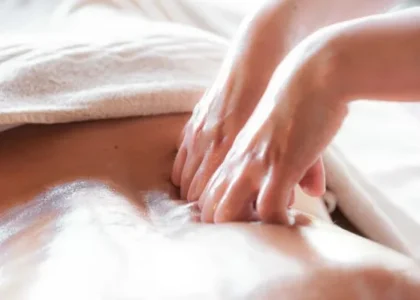
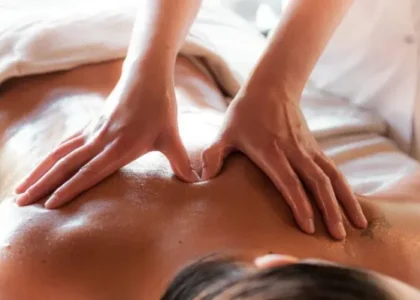
Abhyanga, also known as Full Body Oil Therapy, is one of the most widely practiced therapeutic treatments in Ayurveda. This traditional massage therapy involves the application of warm herbal oils over the entire body using gentle, rhythmic massage techniques. For centuries, Abhyanga has been valued for its role in promoting relaxation, nourishing the skin, supporting circulation, and maintaining overall physical and mental well-being.
In today's fast-paced world, stress, sedentary lifestyles, and physical fatigue have become increasingly common. As a result, many individuals are exploring holistic wellness practices that complement healthy lifestyle habits. Abhyanga has gained popularity as a natural therapy that encourages relaxation while supporting overall health when performed by qualified Ayurvedic practitioners.
With personalized herbal oils and traditional massage techniques, Abhyanga can become an important part of a comprehensive wellness routine focused on preventive healthcare and long-term well-being.
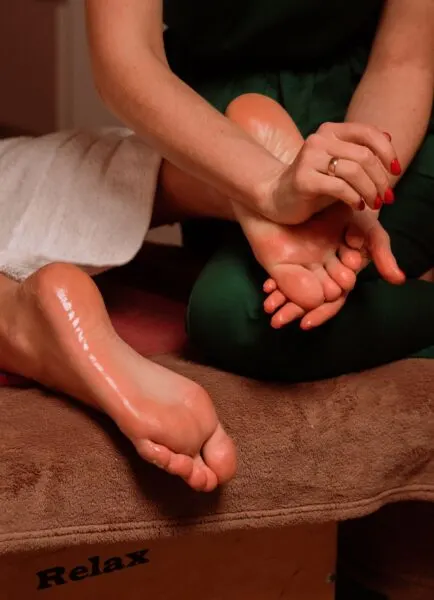
What Is Abhyanga (Full Body Oil Therapy)?
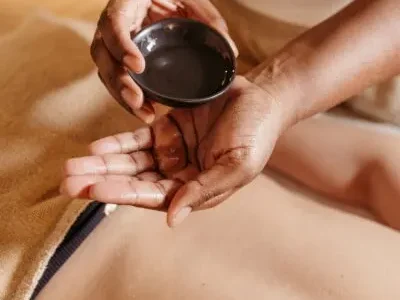
Abhyanga is a traditional Ayurvedic therapy in which warm medicated herbal oils are gently massaged over the entire body. The treatment is typically customized according to an individual's body constitution (dosha), overall health, and wellness goals.
A typical Abhyanga session may include:
● Full body oil massage
● Warm herbal or medicated oils
● Gentle rhythmic massage techniques
● Scalp massage
● Foot massage
● Joint and muscle relaxation
● Personalized Ayurvedic treatment
● Holistic wellness support
The therapy is generally performed by trained Ayurvedic practitioners and is often included as part of broader Ayurvedic wellness programs.
Benefits of Abhyanga (Full Body Oil Therapy)
Abhyanga offers several physical, mental, and lifestyle benefits when incorporated into a healthy wellness routine.
1. Promotes Deep Relaxation
The soothing massage techniques help calm the body and mind, encouraging relaxation and reducing everyday stress.
2. Supports Healthy Blood Circulation
Massage movements may help stimulate healthy circulation and contribute to overall physical comfort.
3. Nourishes the Skin
Herbal oils help moisturize the skin and support its natural protective barrier, leaving it soft and healthy.
4. Supports Joint and Muscle Comfort
The warmth of the oils and massage techniques may help ease muscle tightness and improve flexibility.
5. Encourages Better Sleep
Many individuals experience improved relaxation after therapy, which may contribute to better sleep quality.
6. Complements Preventive Healthcare
When combined with regular exercise, balanced nutrition, and healthy lifestyle habits, Abhyanga supports long-term wellness.
7. Enhances Overall Well-being
Regular wellness therapies may help improve both physical comfort and emotional balance.
Types of Abhyanga Therapy
Depending on individual wellness goals, Ayurvedic practitioners may recommend different approaches.
Full Body Abhyanga
A complete body massage using warm medicated oils to promote relaxation and overall wellness.
Head and Scalp Abhyanga
Focused massage for the scalp, head, and neck to encourage relaxation and support scalp health.
Foot Abhyanga (Padabhyanga)
A specialized foot massage that promotes comfort, relaxation, and overall well-being.
Personalized Abhyanga
Customized therapy using herbal oils selected according to an individual's Ayurvedic assessment and health needs.
Sample Morning Exercise Routine
A beginner-friendly morning schedule may look like this:
5 Minutes: Warm-Up and Mobility Exercises
10 Minutes: Cardio Training
10 Minutes: Strength Training
5 Minutes: Core Exercises
5 Minutes: Stretching and Cool Down
This routine can be modified based on your fitness level, available time, and personal goals.
Who Can Benefit from Abhyanga?
Abhyanga may be suitable for:
● Working professionals
● Older adults
● Individuals experiencing everyday stress
● People with physically demanding lifestyles
● Wellness enthusiasts
● Yoga practitioners
● Adults interested in Ayurvedic wellness
● Individuals seeking relaxation therapies
● Anyone adopting healthy lifestyle habits
The therapy should always be individualized based on a person's health status and performed under professional guidance.
Healthy Tips for Better Results
Follow these recommendations to maximize the benefits of Abhyanga:
● Consult a qualified Ayurvedic practitioner before beginning therapy.
● Use herbal oils recommended for your individual needs.
● Stay hydrated before and after treatment.
● Combine therapy with a balanced diet and regular physical activity.
● Practice yoga or meditation to support overall wellness.
● Maintain a consistent sleep schedule.
● Follow your practitioner's recommendations regarding treatment frequency.
● Continue routine medical care for existing health conditions.
Abhyanga is most beneficial when incorporated into a healthy and balanced lifestyle.
Common Mistakes to Avoid
Avoid these common mistakes when considering Abhyanga Therapy:
● Using herbal oils without professional guidance.
● Choosing therapy without understanding your individual health needs.
● Expecting immediate results after a single session.
● Ignoring existing medical conditions before treatment.
● Receiving therapy from unqualified practitioners.
● Neglecting hydration after the session.
● Assuming Ayurvedic therapy replaces prescribed medical treatment.
● Inconsistently following wellness recommendations.
Safe and consistent wellness practices provide the best long-term benefits.
When Should You Consult a Healthcare Professional?
Consult a healthcare provider before undergoing Abhyanga Therapy if you:
● Have chronic medical conditions requiring ongoing treatment.
● Have severe skin infections, open wounds, or burns.
● Experience unexplained swelling or severe pain.
● Have recently undergone surgery.
● Have uncontrolled heart disease or other serious medical conditions.
● Are pregnant and considering Ayurvedic therapies.
● Experience allergic reactions to herbal oils.
Professional evaluation helps ensure that Abhyanga Therapy is safe and appropriate for your individual health needs.
How Does Balanzing Help?
At Balanzing, we believe holistic wellness begins with informed healthcare choices and healthy lifestyle habits. Through evidence-based wellness education, expert guidance, preventive healthcare resources, and trusted information about traditional Ayurvedic therapies, we help individuals better understand complementary wellness practices while encouraging safe and responsible healthcare decisions.
Whether you're exploring Abhyanga Therapy for relaxation, stress management, or overall well-being, Balanzing provides reliable information to help you make informed decisions and build healthier habits for long-term wellness.
What are the key features of Abhyanga Ayurvedic Massage?
| Feature | Description |
|---|---|
| Massage style | Traditional Ayurvedic oil massage |
| Main focus | Relaxation and overall wellness |
| Technique | Rhythmic, flowing massage strokes |
| Oils | Warm herbal or Ayurvedic oils |
| Wellness goal | Promotes a calming and restorative experience |
What does Balanzing explain about Abhyanga Ayurvedic Massage?
Balanzing provides informative guidance on Abhyanga Ayurvedic Massage, including its traditional approach, massage techniques, relaxation benefits, and role in Ayurvedic wellness.
What Is Abhyanga Ayurvedic Massage and How Can It Help Me?
Abhyanga Ayurvedic Massage is a traditional oil-based therapy using rhythmic strokes to support relaxation, circulation, and overall wellness. It may help ease everyday muscle tension, calm the mind, and promote a sense of balance.
Can Abhyanga Massage Really Reduce Stress and Anxiety?
Abhyanga Massage may help reduce everyday stress by encouraging relaxation, soothing muscle tension, and promoting a calmer state of mind. It can complement healthy stress-management habits but should not replace professional anxiety treatment.
What Oil Is Used in Abhyanga Massage?
Abhyanga Massage commonly uses warm herbal oils such as sesame, coconut, or Ayurvedic oil blends. The choice may vary according to individual needs, body type, and the practitioner’s approach.
How Long Does an Abhyanga Massage Session Last?
An Abhyanga Massage session typically lasts around 45 to 60 minutes, although the duration can vary based on the treatment plan, techniques used, and individual wellness needs.
What NOT to Do After Abhyanga Treatment?
After Abhyanga treatment, avoid strenuous exercise, very cold showers, heavy meals, and alcohol. Allow your body to relax, stay hydrated, and follow your practitioner’s specific aftercare advice.
How Often Should I Get an Abhyanga Massage?
Abhyanga Massage may be done weekly or as recommended by an Ayurvedic practitioner, depending on your wellness goals and individual needs. Consistency can help support relaxation, mobility, and overall well-being.

Disclaimer
The information provided on this website is collected and compiled from publicly available sources for general informational purposes only.
Read More Posts
https://balanzing.in/yoga-centers-in-kochi
Leave a Reply Cancel reply
Comments
Table of Contents
Toggle
I really enjoyed reading this guide to Abhyanga Ayurvedic Massage. The simple explanation of its benefits, oils, and aftercare made everything easy to understand. Balanzing also made the topic feel approachable for anyone looking to add more relaxation and wellness to their routine.