
Allergies
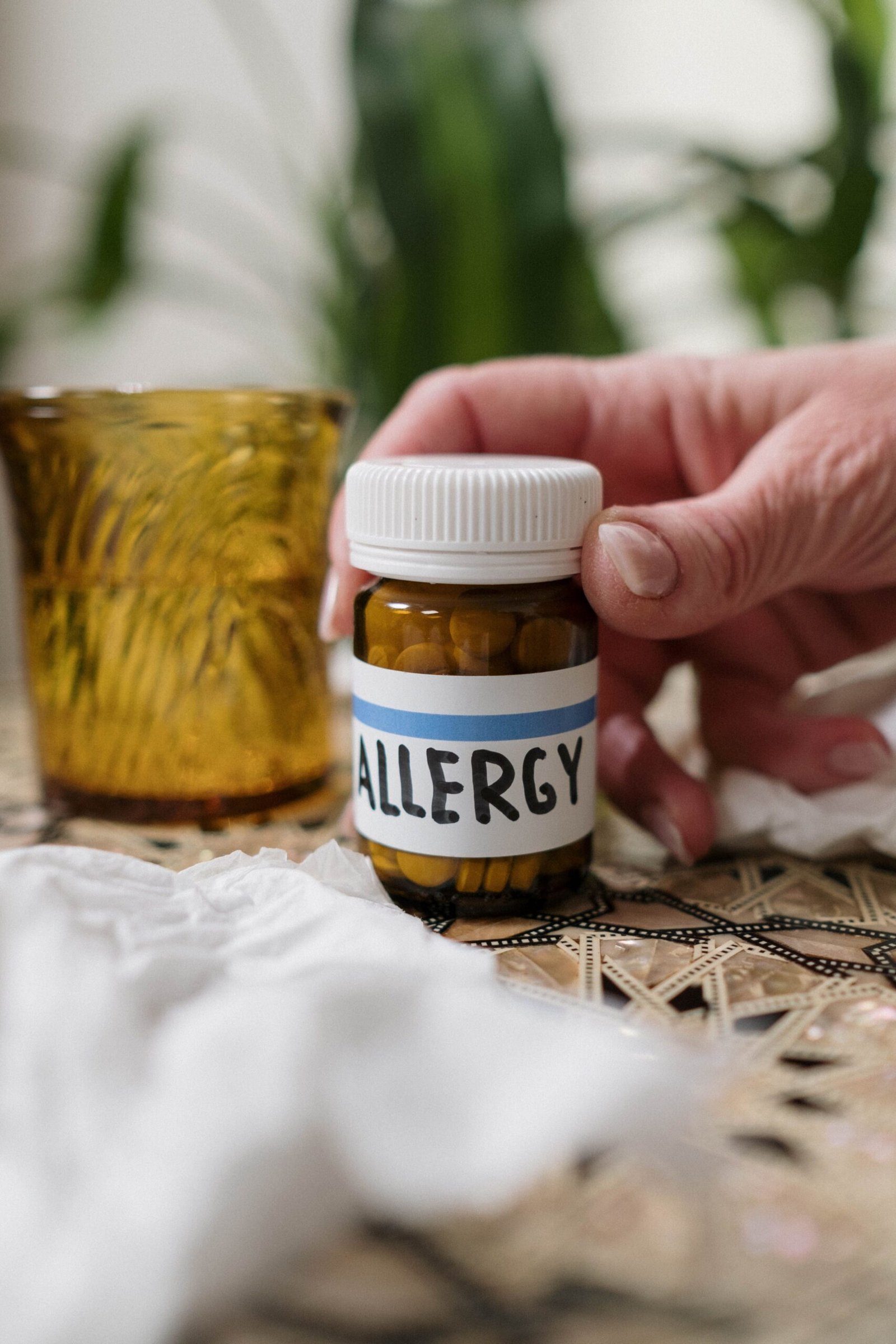
Allergies are a common health condition that occurs when the immune system reacts to substances that are usually harmless, known as allergens. These reactions can affect the skin, respiratory system, digestive system, or eyes, and their severity can range from mild irritation to serious medical emergencies.
Introduction
An allergy is an overreaction of the immune system to substances such as pollen, dust, certain foods, medications, insect stings, or pet dander. When exposed to an allergen, the body releases chemicals like histamine, which trigger allergy symptoms. Understanding the causes, recognizing symptoms, and taking preventive measures can help individuals manage allergies effectively and improve their quality of life. This guide shows the types and symptoms of various allergies.
Essential Nutrients That Support Immune Health and Their Benefits
|
Nutrients |
Benefits |
|
Vitamin C |
Supports Immune Function |
|
Zinc |
Supports Immune Health |
|
Omega-3 Fatty Acids |
Supports Healthy Inflammatory Response |
|
Probiotics |
Supports Gut Health |
|
Antioxidants |
Help Protect Cells |
Common Types of Allergies
- Food Allergies
Common triggers include milk, eggs, peanuts, tree nuts, shellfish, soy, and wheat.
- Seasonal Allergies
Often caused by pollen from trees, grasses, and weeds.
- Dust Allergies
Triggered by dust mites commonly found in homes.
- Pet Allergies
Caused by proteins found in pet dander, saliva, or urine.
- Skin Allergies
May result from contact with certain plants, cosmetics, soaps, or metals.
- Drug Allergies
Some individuals may react to certain medications.
Common Symptoms
- Sneezing.
- Runny or blocked nose.
- Itchy eyes.
- Skin rashes.
- Hives.
- Swelling.
- Coughing.
- Wheezing.
- Shortness of breath.
- Digestive discomfort (food allergies).
Risk Factors
- Family history of allergies.
- Asthma.
- Environmental exposure.
- Childhood allergies.
- Weak or sensitive immune responses.
Tips for Managing Allergies
- Identify and Avoid Allergens
- Knowing your allergy triggers is the first step toward prevention.
- Maintain Good Hygiene
- Wash hands and change clothes after outdoor activities during pollen seasons.
- Keep Indoor Air Clean
- Regular cleaning and proper ventilation may help reduce exposure to indoor allergens.
- Stay Hydrated
- Adequate hydration supports overall health.
- Follow Medical Advice
- Use prescribed medications and attend regular medical checkups when needed.
When to Seek Immediate Medical Care
Seek emergency medical attention if you experience:
- Difficulty breathing.
- Severe swelling of the face or throat.
- Persistent wheezing.
- Sudden drop in blood pressure.
- Signs of a severe allergic reaction (anaphylaxis).
Benefits of Allergy Management
- Improved quality of life.
- Better respiratory health.
- Reduced allergy symptoms.
- Improved daily comfort.
- Better overall well-being.
Prevention Tips
-
- Avoid known allergy triggers.
- Maintain good indoor hygiene.
- Follow prescribed treatment plans.
- Keep vaccinations up to date where appropriate.
- Attend regular health checkups.
Can Lifestyle Changes Help Manage Allergies?
| Lifestyle Tip | How It Helps |
|---|---|
| Keep Your Home Clean | Reduces dust, pollen, and pet allergens. |
| Stay Hydrated | Helps thin mucus and soothe airways. |
| Eat a Balanced Diet | Supports a healthy immune system. |
| Check Pollen Forecasts | Helps avoid high-allergen exposure. |
| Wash Hands & Clothes | Removes pollen and other allergens after being outdoors. |
| Use Air Purifiers | Improves indoor air quality and reduces airborne allergens. |
Can I Call Off Work Because of My Allergies?
Yes, if your allergy symptoms are severe enough to affect your ability to work safely or comfortably. Follow your workplace's leave policy and seek medical advice if needed.
Do I Have a Legal Right to Work Accommodations for My Allergies?
In some cases, yes. If your allergies qualify as a disability under applicable laws, your employer may be required to provide reasonable accommodations.
What Counts as a 'Reasonable Accommodation' for Allergies at Work?
Examples include improving ventilation, allowing remote work when appropriate, reducing exposure to allergens, or adjusting workspaces to minimize triggers.
Am I Sick or Just Having an Allergic Reaction?
Allergies usually cause sneezing, itchy eyes, runny nose, or skin irritation without fever. Illnesses such as infections often include fever, body aches, and fatigue.
Do Allergies Get Worse the More You're Exposed to Them?
Repeated exposure can sometimes increase symptoms or make allergic reactions more noticeable, especially if the trigger is not avoided.
Can Allergy Shots Help Me Work Better?
For some people, allergy immunotherapy (allergy shots) can reduce symptoms over time, making daily activities and work more comfortable.
What's the Difference Between Allergies and Asthma at Work?
Allergies mainly affect the nose, eyes, or skin, while asthma affects the airways and can cause coughing, wheezing, chest tightness, and difficulty breathing. Some allergens can trigger both conditions.



Disclaimer
The information provided on this website is collected and compiled from publicly available sources for general informational purposes only.
Leave a Reply Cancel reply
Comments
Table of Contents
Toggle
I really enjoyed reading Balanzing’s allergy guide. The information was simple, practical, and easy to understand. The healthy lifestyle tips were especially useful, and I appreciate how Balanzing shares reliable wellness advice that can be applied in everyday life.