Healthy intake 😃 Balanzed living

Balanced Diet For Physical Health

Good physical health begins with good nutrition. The foods we eat provide the energy and nutrients needed for growth, repair, movement, and overall body function. A balanced diet provides protection from various health problems.


Introduction

A balanced diet is one that includes a variety of foods in appropriate proportions to provide all the essential nutrients the body needs. It combines different food groups to support overall health and optimal body function. A balanced diet ensures that the body receives the right combination of carbohydrates, proteins, fats, vitamins, minerals, and water to support daily activities and long-term well-being. Making healthy food choices can help individuals maintain strength, energy, and overall physical fitness throughout life. This guide shows the importance and benefits of a balanced diet.
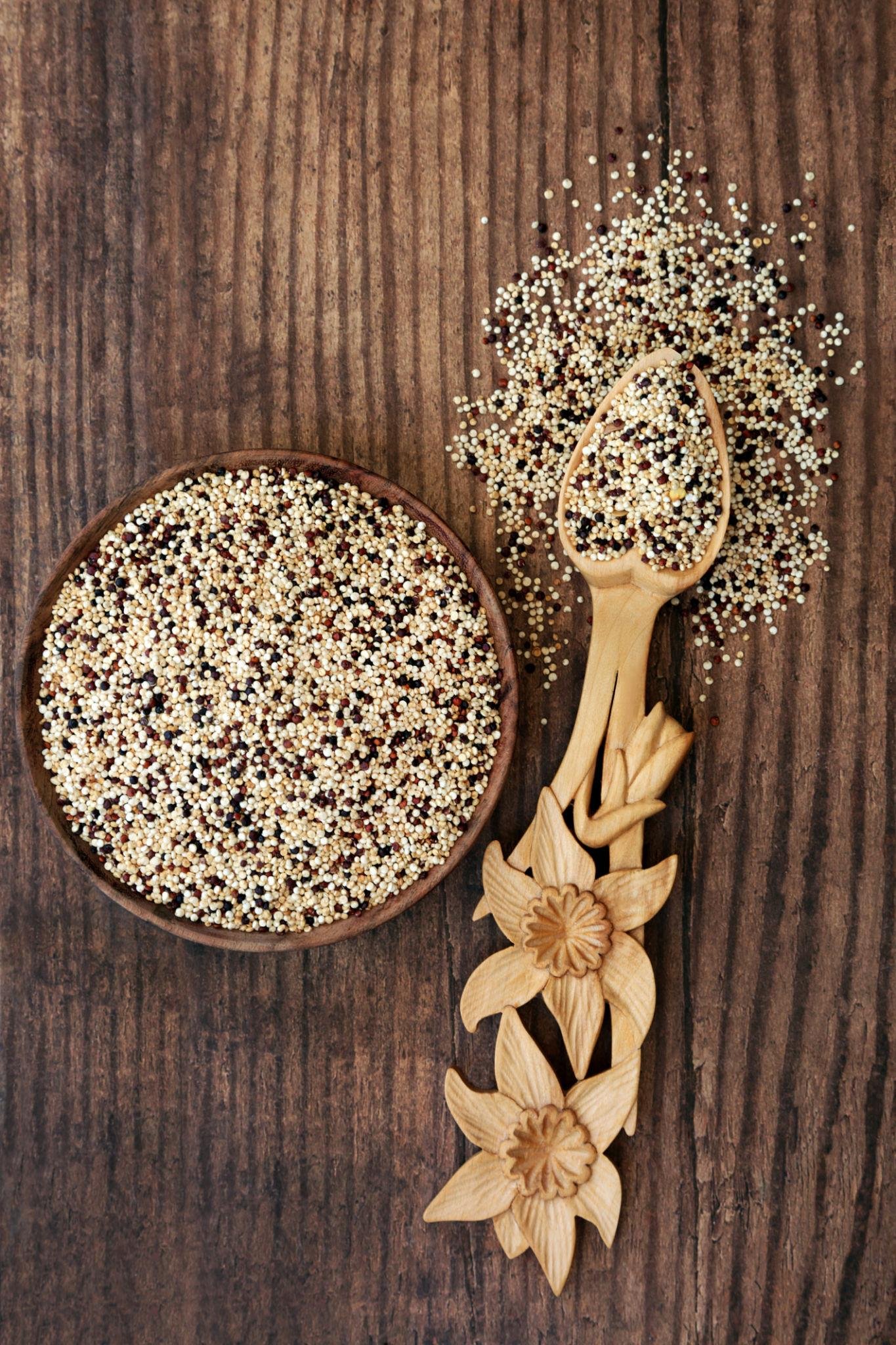
 

Barnyard Millet Health Benefits

Essential Nutrients for Physical Health and Their Benefits

Nutrients

Benefits

Carbohydrates

Primary Energy Source

Protein

Growth and Muscle Maintenance

Healthy Fats

Energy and Cell Function

Fiber

Digestive Health

Vitamins

Supports Various Body Functions

Importance of a Balanced Diet

  • Supports overall physical health.
  • Provides energy for daily activities.
  • Helps maintain healthy body functions.
  • Supports growth and tissue repair.
  • Promotes long-term wellness.

Benefits of a Balanced Diet

Supports Energy Levels

Provides the fuel needed for daily activities and exercise.

Promotes Healthy Muscles and Bones

Essential nutrients help maintain strength and physical function.

Supports Digestive Health

Fiber-rich foods help maintain a healthy digestive system.

Supports Healthy Weight Management

Balanced nutrition helps maintain appropriate calorie intake.

Contributes to Overall Wellness

Proper nutrition supports multiple body systems and functions.


Foods to Include in a Balanced Diet

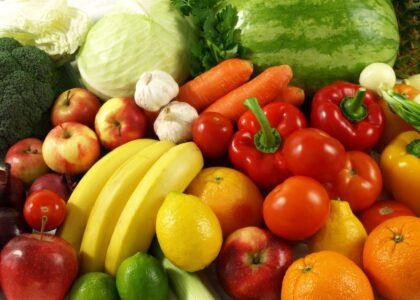
  • Fruits and Vegetables

Rich in vitamins, minerals, and antioxidants.

  • Whole Grains

Provide energy and dietary fiber.

  • Protein Sources

Eggs, fish, poultry, legumes, nuts, and dairy products.

  • Healthy Fats

Nuts, seeds, avocados, and healthy oils.

  • Water

Essential for hydration and overall health.

Healthy Eating Habits

Eat a Variety of Foods

Different foods provide different nutrients.

Practice Portion Control

Balanced portions support healthy eating patterns.

Stay Hydrated

Drink sufficient water throughout the day.

Limit Processed Foods

Choose fresh and minimally processed foods whenever possible.

Eat Regular Meals

Maintain consistent meal timings for better nutrition.

Signs of Good Physical Health

  • Consistent energy levels.
  • Healthy body weight.
  • Good muscle strength.
  • Healthy digestion.
  • Active lifestyle and mobility.

Common Nutritional Mistakes to Avoid

  • Skipping meals.
  • Excessive consumption of sugary foods.
  • Inadequate water intake.
  • Overeating processed foods.
  • Ignoring portion sizes.

What foods should be included in a balanced diet meal plan?

Food GroupExamplesKey Nutrients
CarbohydratesBrown rice, oats, quinoa, sweet potatoEnergy, fiber
ProteinsChicken, fish, eggs, lentils, tofuMuscle repair, hormones
Healthy FatsAvocado, nuts, olive oil, salmonBrain & hormone health
Fruits & VegetablesLeafy greens, berries, citrus, broccoliVitamins, minerals, antioxidants
Dairy/AlternativesMilk, yogurt, cheese, fortified soy milkCalcium, Vitamin D
WaterPlain water, herbal teaHydration, digestion

How Does Balanzing Help to Provide A Balanced Diet?

A balanced diet is one of the most important pillars of physical health. Balanzing helps people to include nutrient-rich foods in their balanced diet. By consuming a variety of nutrient-rich foods and adopting healthy lifestyle habits, individuals can support their body's daily functions and long-term wellness.

What Should I Eat at Every Meal to Stay Healthy?

Balance each meal with a mix of complex carbs, lean protein, and healthy fats, plus vegetables or fruit. For example, pair grilled chicken with quinoa and greens, or oats with nuts and berries for breakfast.

Can I Still Have Cheat Meals and Maintain a Balanced Diet?

Yes, occasional cheat meals are fine and can support long-term consistency. A balanced diet is about overall patterns, not perfection. Enjoy treats in moderation, then return to nutrient-dense meals — flexibility helps you maintain a balanced diet sustainably.

What's the Cheapest Way to Eat a Balanced Diet?

Buy seasonal produce, dried beans, lentils, eggs, and whole grains like rice and oats in bulk. Frozen fruits and vegetables are affordable and nutritious too. These budget-friendly foods for a balanced diet don't compromise on nutrition.

How Much Protein, Carbs, and Fat Should I Eat Daily?

A common guideline is 45–65% calories from carbs, 10–35% from protein, and 20–35% from fats. Exact needs vary by activity level, age, and goals, so consulting a nutritionist helps personalize your balanced diet meal plan.

What Fruits and Vegetables Should I Prioritize?

Prioritize colorful options like leafy greens, berries, citrus fruits, and cruciferous vegetables such as broccoli. Each color offers different vitamins and antioxidants, so variety matters more than picking just one superfood.

What Should I Do When I'm Extremely Hungry During the Day?

Reach for a balanced snack combining protein and fiber, like nuts with fruit or yogurt with berries, instead of sugary options. This stabilizes blood sugar, curbs cravings faster, and keeps you aligned with your balanced diet meal plan.
Disclaimer

The information provided on this website is collected and compiled from publicly available sources for general informational purposes only.

The Complete Guide of Balanced Diet For Physical Health by Balanzing One of the most crucial habits that a person can cultivate in their lifetime is having a healthy diet for physical health. In a world of caffeine drinks, processed foods, fad diets and contradictory nutrition advice to make sense of what a real balanced diet resembles — and how the heck we can maintain it — could change your energy levels, immunity and wellbeing for life. At Balanzing, we all know that in order to keep a balanced body to have the energy signals on point and just live healthy is simply by eating healthily so if your perplexed with what to eat, this guide will guide you through everything you should know about nutrition for a healthier, stronger body. Generations of nutrition science have passed since then and we now know a great deal more about the basic requirements for our body to function optimally (in fact here is a great articleWrittenByMichaelGreger M.D.) Instead, the best long-term results (physically and mentally) come not from a short term trend or restrictive fad — but rather returning to solid nutritional basics which have stood the test of time. This guide includes how having a balanced diet habits is important and also from eating foods for a balanced diet you must have each day. What Is a Balanced Diet? Balanced diet refers to a diet that has an appropriate amount of carbohydrates, proteins and fats along with vitamins, minerals (micronutrients), fiber and water. Its not about deprivation or cutting out a whole food group — its about balance, diversity and moderation. Your muscles, your brain, and even the immune system work better when your body gets precisely what it needs in sufficient quantities. This isn't a one-size-fits-all formula. What "balanced" actually looks like for an individual depends on their age, activity level, gender and specific health issues. But the core principles do not change: diversity, moderation and nutrient density. A healthy diet for physical health helps not only how you look, but also how your body works day to day — your energy levels, recovery times, sleep quality and even mental state are tied to what you consume. This link between food and physical performance is precisely why nutrition for physical health needs more emphasis than it typically gets, especially amongst those who lead an active life and assume that their diet "must be okay." A Balance Nutrition In Day To Day Life Learning about the significance of balanced diet habits is the starting point to switch over to healthier eating choices. Here's why it matters so much, Sustained Energy Levels Balanced carb intake, protein and healthy fats throughout the day will keep blood sugar levels stable. It helps you avoid the energy crashes and peaks that sugary snacks or skipped meals result in, keeping your attention consistent from morning to night. Stronger Immune Function Vitamins such as C, D or zinc — common in fruit, vegetables and cut meat these vitamin will helps your body to recover from illness faster. This is particularly evident in the flu season, during stressful times, or after exercise when nutritional needs skyrocket. Healthy Weight Management Eating a range of nutrient-dense foods in appropriate amounts helps curb appetite and avoid overeating. This is a long lasting way to eat as it will not make you feel deprived and counting how many days until your next "cheat day" as in strict diets. Balanced Diet For Physical Health foods for a balanced diet importance of balanced diet balanced diet meal plan how to maintain a balanced dietBalanced Diet For Physical Health foods for a balanced diet importance of balanced diet balanced diet meal plan how to maintain a balanced dietBalanced Diet For Physical Health foods for a balanced diet importance of balanced diet balanced diet meal plan how to maintain a balanced diet Balanced Diet For Physical Health foods for a balanced diet importance of balanced diet balanced diet meal plan how to maintain a balanced diet Better Mental Health Diet and mood are intimately connected. Low intake of essential fatty acids, B vitamins and also magnesium nutrition has been connected to higher rates of fatigue irritability as well as poor concentration. Well things like proper nutrition encourage mental clarity, emotional stability and even improved sleep over time. Reduced Risk of Chronic Disease Thousands of studies over decades have demonstrated that better diets are associated with lower rates of heart disease, type 2 diabetes and some cancers. Which brings me to what is probably the strongest argument in favor of understanding why balanced diet habits need to start today (and not when health concerns make it a necessity). Improved Digestive Health High-fiber foods — which means tasty (when prepared right) things like vegetables, whole grains and legumes — benefit the microbiome, which researchers now attribute to everything from allergies to mood regulation via gut health and digestion regulation, the latter two functions taking place through this rarely mentioned thing called the “microbiome.” This is another reason all the more why we shouldn't underestimate the value of balanced diet habits, even for people who feel in any respect healthy. Altogether, these six benefits demonstrate just how central the significance of healthy and balanced eating truly is — reaching almost every system in the body, not simply weight or outward appearance. Balanced Diet Food: What Should Be On Your Plate? Understanding which foods comprise a balanced diet is central to actualising this knowledge. So lets split it by category: Carbohydrates (Energy Source) Opt for complex carbohydrates versus refined: Whole grains: brown rice, quinoa and whole wheat. Oats and whole grain bread Sweet potatoes & other starchy vegetables Legumes like lentils and chickpeas Slow release energy keeps you fuller for longer, unlike refined sugar and white flour products that give you the same blood sugar spikes and low a couple of hours later. Proteins (Muscle and Tissue Repair) Protein is the most important nutrient for repairing muscle, producing hormones (creating measurable agents that respond to changes in the body), and functioning of your immune system. Examples of these include lean meat options like chicken and turkey Fish, with fatty species like salmon (high in omega-3 relates) Balanced Diet For Physical Health foods for a balanced diet importance of balanced diet balanced diet meal plan how to maintain a balanced dietBalanced Diet For Physical Health foods for a balanced diet importance of balanced diet balanced diet meal plan how to maintain a balanced dietBalanced Diet For Physical Health foods for a balanced diet importance of balanced diet balanced diet meal plan how to maintain a balanced diet Eggs Plant-based proteins : Tofu, Tempeh, Beans & Lentils Low-fat dairy or dairy alternatives Healthy Fats (Increased hormone and brain health) But not all fats are born equally, healthy fats rank one as the main extreme top necessity foods of balance diet: Avocados Seeds and nuts (almonds, walnuts, chia, flax) Olive oil Fatty fish Vegetables And Fruits (Vitamins, Minerals, Fiber) A rainbow of colors is what you should be aiming for as each color relates to different nutrients profiles: Leafy greens (spinach, kale) Citrus fruits (oranges, lemons) Berries (antioxidant-rich) Cruciferous vegetables (broccoli, cauliflower) Dairy or Dairy Substitutes (Calcium and Vitamin D) Milk, yogurt, cheese Fortified nondairy alternatives like almond or soy milk Water and Hydration Water is rarely considered among the most essential foods to consider. Good hydration aids digestion, joint health, temperature regulation and cognitive function — and many people confuse thirst for hunger, leading to unnecessary snacking. These six food groups combined are the foundation of good nutrition. The best way to eat healthy in the long term is to build your meals with these groups rather than limiting yourself with hard rules. A Day in a Balanced Diet Meal Plan: Below, I present the first template of a balanced diet meal plan that you can use as an example. Portions are adjusted according to activity level as well as individual caloric needs. This should certainly not be nearly as complicated as it appears like — a excellent balanced diet meal plan, is one particular that you are in fact most likely to stick to. Balanced Diet For Physical Health foods for a balanced diet importance of balanced diet balanced diet meal plan how to maintain a balanced dietBalanced Diet For Physical Health foods for a balanced diet importance of balanced diet balanced diet meal plan how to maintain a balanced dietBalanced Diet For Physical Health foods for a balanced diet importance of balanced diet balanced diet meal plan how to maintain a balanced dietBalanced Diet For Physical Health foods for a balanced diet importance of balanced diet balanced diet meal plan how to maintain a balanced diet Breakfast Bowl of oatmeal topped with berries, chia seeds and honey Hard boiled egg or small portion of Greek yogurt Natural, everyday food such as Drinking water or tea without oxidisation Mid-Morning Snack A small handful of almonds or walnuts One fruit (apple, banana or orange) Lunch Quinoa and steamed vegetables with grilled chicken or tofu Olive and lemon dressing side salad Water or infused water Afternoon Snack Hummus with carrot sticks or cucumber Or a small cup of yogurt that is low-fat Dinner Baked salmon or lentil curry Brown rice or sweet potato Sautéed greens or mixed veggie side Evening (Optional) Herbal tea Dark chocolate, 70%+ cocoa if of choice This meal plan is balanced between complex carbs, lean protein, healthy fats, and micronutrients throughout the day that prevents energy crashes while ensuring good physical health. The same nutritional framework (such as meal composition and macronutrient distribution) should be uphold whilst rotating ingredients weekly to keep meals interesting — in the long-term, perfection is less important than consistency when it comes to eating well. If you are just beginning with structured eating, then using a simple plan like above, and not something overly complex makes it much easier to adhere to over the coming weeks and months. Once your routine is established, you can amend the healthy eating meal plan to better fit your energy needs, food preferences and lifestyle. Long Term Strategies for a Balanced Diet Understanding what to eat is only half the battle, though; when it comes to sticking to a healthy eating plan most people fail. These are simple, sustainable methods to keep you going long after the initial willpower dissipates. Plan Your Meals Ahead Another good habit is your meal prepping. Dedicate time one or two days in the week to plan and prep your meals ahead of time. As a result, you're less likely to grab fast food or processed snacks when feeling lazy and pressed for time. Practice Portion Control Even healthy foods can cause weight gain if the portion sizes are too large. Start by using smaller plates, measure portions & eat when you're hungry and stop before you fill up your stomach. This is one of the easiest ways on how to eat healthy with no calorie counting required. Don't Eliminate Food Groups Unnecessarily Never go excessively out of any food groups either like, cut off all carbs, or all fats unless medically advised. Learning how to practice moderation, not elimination — because extreme restriction rarely stands the test of months and years — is a key part of provable balanced nutrition. Read Nutrition Labels It is easier to learn, particularly about the added sugars and sodium we are taking in and unhealthy trans fats in packaged products by reading the label. Stay Hydrated Hunger is often misread as thirst. It keeps digestion on track and prevents you from nibbling unnecessarily throughout the day as well. Allow Flexibility Strict eating regimens are actually ineffectual out-of-date since this's unsustainable. Day to day indulgences guilt-free are part of the foundation to a long-term relationship with food — balance not perfection is what we seek. Track Your Progress Simply tracking what you eat, either in a food journal or using a nutrition app, can give you better insight over time to your habits and gaps in the way that you're eating as well as helping you stick to your goals. Get Support When Needed Seeking a nutritionist or dietitian (particularly as you get started) to customize an eating plan around your unique physique, way of life and health targets can help make figuring out how to keep a balanced diet appear so much much less daunting. This is not a perfect week — it's about creating habits that can survive crazy lives, travel, social events and tough days without ruining your progress overall. Balanced Diet For Physical Health foods for a balanced diet importance of balanced diet balanced diet meal plan how to maintain a balanced dietBalanced Diet For Physical Health foods for a balanced diet importance of balanced diet balanced diet meal plan how to maintain a balanced dietBalanced Diet For Physical Health foods for a balanced diet importance of balanced diet balanced diet meal plan how to maintain a balanced diet Why Balanzing Is Your Best Bet At Balanzing, we realize that improving eating habits is a practice, not something that can be corrected overnight. Our mission is to simplify nutrition — no matter how far along you are on your journey or what lifestyle you already have. We focus on real, practical guidance; what to eat, meal plans that fit your life, and ways to add in long-term strategies without the restriction. True health is not about perfection; it is about balancing, consistent choices that suit your real-life not your idealistic life. We focus on education first. And once people see why some foods and habits matter, we think the right choice is way less of a struggle — no willpower involved, just better information. Conclusion A healthy diet can be achieved for physical health without immediate and drastic changes. When you know why good nutrition is important, how to eat the right foods in a structured way and develop habits that stick, then you can enjoy a lifetime of health, vitality and energy. Keep in mind small incremental choices — a more colorful plate, mindful portions, regular drinking of water and balanced meals — provide the longest term health advantages. Take the first step today and let Balanzing help you lead a healthier, balanced life.

Leave a Reply

Your email address will not be published. Required fields are marked *

Comments

  1. This came at the perfect time — I’ve been trying to eat healthier but honestly had no idea where to start. The sample meal plan made it so much easier to actually picture what a balanced diet looks like day to day, instead of just reading vague tips. Also didn’t realize water counted as part of the equation! Bookmarking this to refer back to. Thanks, Balanzing.

Table of Contents