
Barnyard Millet Health Benefits
Barnyard millet is a highly nutritious ancient grain that has gained popularity as a healthy alternative to refined cereals. Naturally rich in dietary fiber, protein, vitamins, and minerals, it supports overall health while being easy to digest.
Introduction
Barnyard millet is a small, gluten-free cereal grain widely cultivated in Asia. It is known for its impressive nutritional profile and is commonly used to prepare porridge, upma, khichdi, dosa, idli, and other healthy dishes. Its low glycemic index and gluten-free nature make it a suitable choice for people seeking healthier dietary options. Including barnyard millet in a balanced diet may help improve digestion, support weight management, and promote long-term wellness. This guide shows various benefits of Barnyard millet.
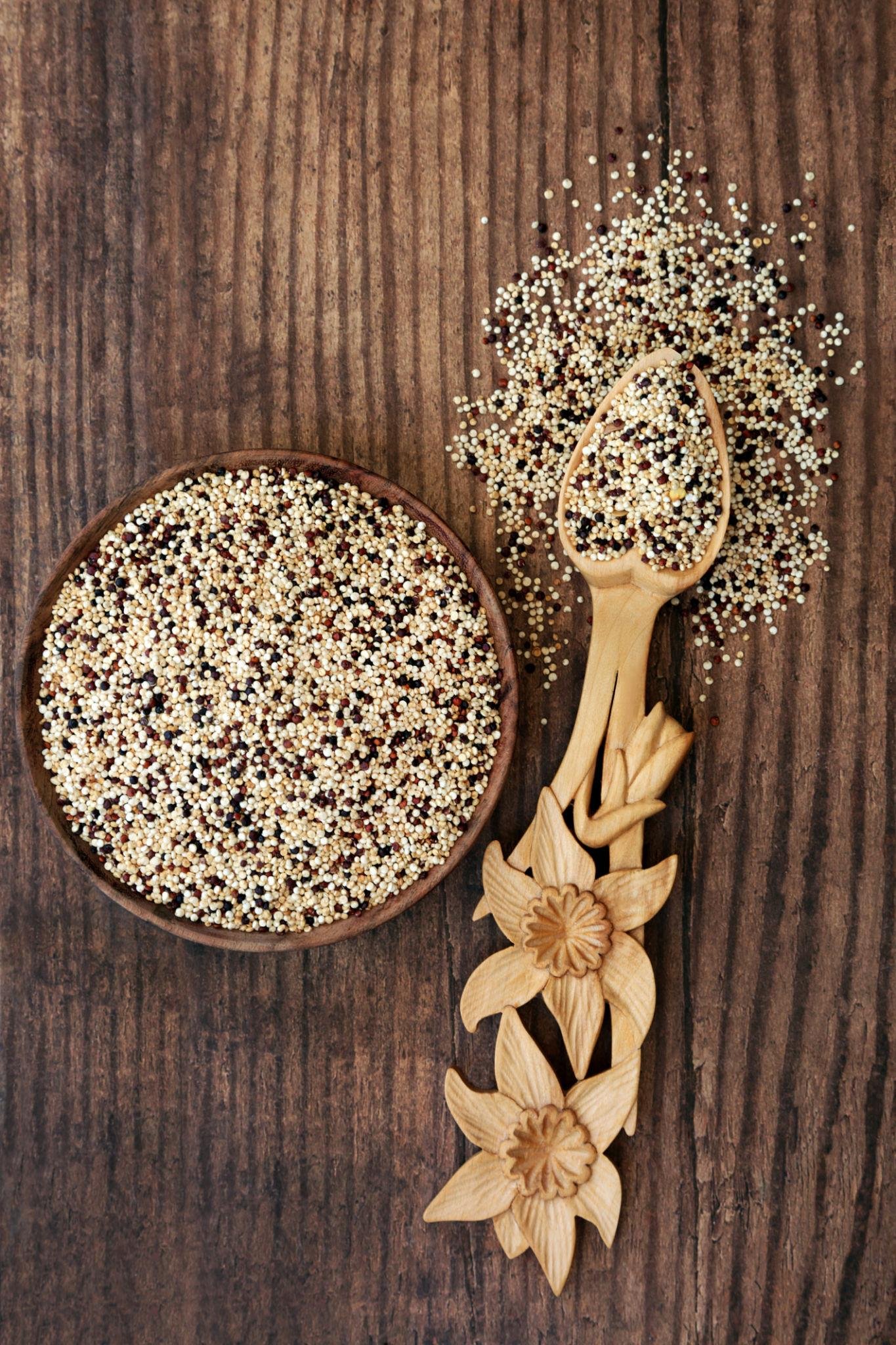
Essential Nutrients Included in Barnyard Millet and Their Benefits
|
Nutrients |
Benefits |
|
Fiber |
Supports Digestion |
|
Protein |
Muscle Growth and Repair |
|
Iron |
Healthy Red Blood Cells |
|
Calcium |
Bone Strength |
|
Antioxidants |
Cell Protection |
Why Include Barnyard Millet in Your Diet?
Barnyard millet offers several health benefits, including:
- Rich source of dietary fiber.
- Naturally gluten-free.
- Low glycemic index.
- Good source of plant-based protein.
- Rich in essential minerals.
- Supports healthy digestion.
Health Benefits of Barnyard Millet
- Supports Healthy Digestion
Its high fiber content promotes regular bowel movements and supports digestive health.
- Helps Manage Blood Sugar
The low glycemic index helps slow glucose absorption and supports healthy blood sugar levels.
- Supports Weight Management
Fiber promotes fullness, helping reduce overeating and unnecessary snacking.
- Promotes Heart Health
Fiber and essential minerals contribute to healthy cholesterol levels and cardiovascular health.
- Strengthens Bones
Calcium, phosphorus, and magnesium support strong bones and teeth.
- Helps Prevent Iron Deficiency
Iron contributes to healthy red blood cell production.
- Supports Gut Health
Dietary fiber nourishes beneficial gut bacteria and promotes a healthy digestive system.
- Provides Long-Lasting Energy
Complex carbohydrates release energy gradually throughout the day.
Healthy Ways to Include Barnyard Millet
- Barnyard millet upma.
- Millet porridge.
- Millet khichdi.
- Millet dosa.
- Millet idlis.
- Millet pulao.
- Healthy salads.
- Soups.
Healthy Lifestyle Tips
-
- Eat a Balanced Diet
Include a variety of whole grains, fruits, vegetables, lean proteins, and healthy fats.
- Stay Hydrated
Drink adequate water to support digestion and overall health.
- Exercise Regularly
Combine healthy eating with regular physical activity.
- Control Portion Sizes
Practice mindful eating for better weight management.
- Choose Whole Foods
Limit highly processed foods and refined grains.
Benefits of Regular Consumption
- Better digestive health.
- Improved blood sugar management.
- Healthy weight maintenance.
- Stronger bones.
- Better heart health.
- Sustained energy levels.
Who Can Benefit?
Barnyard millet may be a healthy choice for:
- Adults seeking healthier whole grains.
- Individuals aiming for weight management.
- People looking to increase dietary fiber intake.
- Those following a gluten-free diet (if medically appropriate).
- Individuals interested in supporting heart and digestive health.
Side Effects of Barnyard Millet: What You Should Know?
|
Possible Side Effect |
What You Should Know |
|
Bloating or gas |
Can happen if you eat a large amount suddenly. |
|
Constipation |
More likely when fiber intake increases without enough water. |
|
Reduced mineral absorption |
Excess intake may slightly affect iron and zinc absorption. |
|
Digestive sensitivity |
Some people may tolerate millet less well than other grains. |
|
Portion-related calories |
Large servings can add extra calories. |
|
Prevention |
Eat moderate portions, drink enough water, and include other grains and foods in your diet. |
Is Barnyard Millet Good for Weight Loss?
Yes. Barnyard millet is rich in fiber, which can help increase fullness, reduce frequent snacking, and support calorie-controlled eating patterns when combined with a balanced diet and regular activity.
Barnyard Millet vs Rice: Which Should You Eat?
Barnyard millet generally provides more fiber and a lower glycemic impact than polished white rice, while rice may be easier to digest for some people. The better choice depends on your health goals, blood sugar response, and overall diet.
Can You Eat Barnyard Millet Every Day?
Yes, many people can eat barnyard millet daily as part of a varied diet. It is best to rotate it with other whole grains and include vegetables, protein, and healthy fats for balanced nutrition.
Barnyard Millet Protein Content: How Much Per Serving?
A cooked serving of barnyard millet provides a moderate amount of plant protein, typically around 5–7 g per cooked cup, though the exact amount varies by preparation method and brand.
Does Barnyard Millet Help with Sleep Quality?
It may support better sleep indirectly because it contains magnesium and complex carbohydrates, which can help muscle relaxation and steady energy levels, but it is not a guaranteed sleep remedy.
Barnyard Millet and Blood Sugar: Good for Prediabetes?
Barnyard millet is often considered a better grain option for people with prediabetes because its higher fiber content may help slow glucose absorption and improve post-meal blood sugar control.
How Much Barnyard Millet Should You Eat Daily?
A practical daily portion is ½–1 cup cooked barnyard millet, adjusted for your calorie needs, activity level, and whether it is replacing another grain such as rice or wheat.

Disclaimer
The information provided on this website is collected and compiled from publicly available sources for general informational purposes only.
Leave a Reply Cancel reply
Comments
Table of Contents
Toggle
I found this Barnyard Millet article on BALANZING extremely useful. The explanation of nutrition facts, weight loss benefits, diabetes management, and easy meal ideas was clear and practical. It helped me understand how barnyard millet can be included in a balanced daily diet for long-term health and energy.