0
Your Cart

No products in the cart.

Blog

Brain Health

Brain Health The brain is the body’s control center, responsible for memory, learning, emotions, movement, and decision-making. Maintaining good brain health is essential at every stage of life, from childhood through older adulthood. Introduction Brain health refers to the ability of the brain to perform its functions efficiently, including thinking, learning, remembering, communicating, and controlling physical movements. A healthy brain

Cosmetic & Aesthetic Treatments

Cosmetic & Aesthetic Treatments Cosmetic and aesthetic treatments have become increasingly popular for individuals looking to enhance their appearance, improve skin health, and boost self-confidence. Modern aesthetic medicine offers a wide range of non-surgical and surgical procedures that address concerns such as wrinkles, acne scars, hair loss, pigmentation, unwanted fat, and body contouring. Introduction Cosmetic and aesthetic treatments are medical

Allergies

Allergies Allergies are a common health condition that occurs when the immune system reacts to substances that are usually harmless, known as allergens. These reactions can affect the skin, respiratory system, digestive system, or eyes, and their severity can range from mild irritation to serious medical emergencies. Introduction An allergy is an overreaction of the immune system to substances such

Joint Pain

Joint Pain Joint pain is a common health concern that can affect people of all ages, although it is more frequently seen in older adults. It can occur in any joint, including the knees, hips, shoulders, wrists, and ankles, and may interfere with daily activities and quality of life. Introduction Joint pain refers to discomfort, stiffness, or soreness in one

Chronic Stress

Chronic Stress Stress is a natural response to life’s challenges, but when it becomes constant and long-lasting, it can negatively affect both physical and mental health. Chronic stress affects our daily lives very badly. Introduction Chronic stress is persistent stress that continues for weeks, months, or even years. Unlike short-term stress, which helps the body respond to immediate challenges, chronic

Hormonal Weight Gain

Hormonal Weight Gain Weight gain is often associated with diet and physical activity, but hormones also play a significant role in regulating metabolism, appetite, fat storage, and energy levels. When hormones become imbalanced, the body may gain weight more easily or struggle to lose excess weight despite healthy lifestyle efforts. Introduction Hormonal weight gain refers to an increase in body

Insulin Resistance

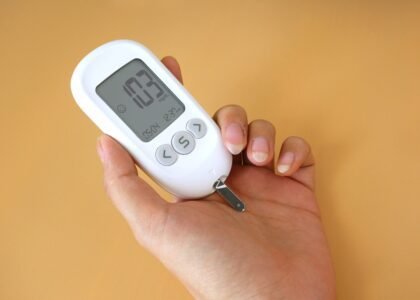
Insulin Resistance Insulin resistance is a metabolic condition in which the body’s cells become less responsive to insulin, a hormone that helps regulate blood sugar levels. When cells do not respond properly, the pancreas produces more insulin to compensate. Over time, this can lead to elevated blood sugar levels and increase the risk of developing prediabetes, Type 2 diabetes, and