
High Blood Pressure in Men
High blood pressure, also known as hypertension, is a common health condition that affects millions of men worldwide. It occurs when the force of blood against the walls of arteries remains consistently high, increasing the workload on the heart and blood vessels.
In men, uncontrolled high blood pressure can increase the risk of serious health problems such as heart disease, stroke, kidney damage, vision problems, and other cardiovascular complications. However, with early awareness, healthy lifestyle choices, balanced nutrition, regular physical activity, and proper medical care, blood pressure can be effectively managed.
Introduction
Blood pressure is the force created when the heart pumps blood throughout the body. Healthy blood pressure allows oxygen and nutrients to reach different organs efficiently. When blood pressure remains elevated for a long period, it can damage blood vessels and affect the normal functioning of vital organs.
High blood pressure is often called a “silent condition” because many people do not experience noticeable symptoms in the early stages. This makes regular blood pressure monitoring important, especially for men who may have increased risk due to lifestyle factors, stress, age, obesity, and family history.
Men with hypertension may have a higher risk of developing heart-related conditions, kidney problems, and other health complications if blood pressure is not properly controlled. Maintaining a balanced diet, staying physically active, managing stress, and attending regular health check-ups can significantly reduce these risks.
This guide explains the essential nutrients, causes, symptoms, importance of blood pressure control, benefits of managing hypertension, healthy lifestyle recommendations, possible complications, and practical ways to maintain long-term heart health.

Essential Nutrients for Blood Pressure Management
A balanced diet containing important nutrients plays a key role in supporting healthy blood pressure levels and maintaining cardiovascular wellness.
|
Nutrient |
Benefits |
Best Food Sources |
|
Potassium |
Helps balance sodium levels in the body and supports healthy blood vessel function. |
Bananas, spinach, sweet potatoes, beans, avocados |
|
Magnesium |
Helps relax blood vessels and supports normal heart and muscle function. |
Almonds, pumpkin seeds, spinach, whole grains |
|
Calcium |
Supports healthy blood vessel activity and helps maintain normal heart function. |
Milk, yogurt, cheese, tofu, leafy greens |
|
Dietary Fiber |
Helps improve heart health by supporting healthy cholesterol levels and blood pressure control. |
Oats, fruits, vegetables, legumes, whole grains |
|
Omega-3 Fatty Acids |
Supports cardiovascular health and helps reduce inflammation in the body. |
Salmon, sardines, walnuts, flaxseeds |
|
Vitamin D |
Supports heart health and helps maintain healthy immune function. |
Sunlight, fortified milk, eggs, fatty fish |
|
Healthy Fats |
Helps maintain healthy cholesterol levels and supports overall heart wellness. |
Olive oil, nuts, seeds, avocados |
Common Causes and Risk Factors of High Blood Pressure in Men
Several lifestyle and health factors can increase the risk of developing hypertension in men.
Unhealthy Diet
A diet high in salt, processed foods, unhealthy fats, and added sugars can contribute to increased blood pressure levels.
Lack of Physical Activity
A sedentary lifestyle can reduce heart fitness, contribute to weight gain, and increase hypertension risk.
Excess Body Weight
Being overweight increases the workload on the heart and can contribute to increased pressure on blood vessels.
Chronic Stress
Long-term stress may increase stress hormones, which can affect blood pressure regulation.
Smoking
Smoking damages blood vessels, reduces circulation, and increases the risk of cardiovascular complications.
Excessive Alcohol Consumption
Regular consumption of excessive alcohol can raise blood pressure and affect heart health.
Family History
Men with a family history of hypertension may have a higher risk of developing the condition.
Increasing Age
The risk of high blood pressure generally increases as men get older due to changes in blood vessels and metabolism.
Why Is Blood Pressure Control Important?
Maintaining healthy blood pressure levels is important because it helps to:
- Reduce the risk of heart disease and heart attacks.
- Protect brain health and reduce stroke risk.
- Support healthy kidney function.
- Maintain healthy blood vessel function.
- Protect vision from hypertension-related damage.
- Improve overall energy and physical performance.
- Support long-term health and quality of life.
Signs and Symptoms of High Blood Pressure in Men
High blood pressure often develops without clear warning signs. However, when blood pressure becomes very high, some symptoms may appear.
Headaches
Severe or frequent headaches may occur due to increased pressure within blood vessels.
Dizziness
Changes in blood pressure levels may cause dizziness or feelings of light-headedness.
Shortness of Breath
High blood pressure can increase strain on the heart and may affect normal breathing.
Chest Discomfort
Some individuals may experience chest pressure or discomfort due to increased cardiovascular stress.
Vision Problems
Hypertension can damage small blood vessels in the eyes, leading to vision changes.
Fatigue
Increased workload on the heart and poor circulation may contribute to tiredness and weakness.
Irregular Heartbeat
Some people may experience palpitations or an abnormal heartbeat due to cardiovascular strain.
Benefits of Managing High Blood Pressure
Protects Heart Health
Maintaining healthy blood pressure reduces stress on the heart and lowers the risk of heart-related diseases.
Reduces Stroke Risk
Proper blood pressure control helps protect blood vessels in the brain and reduces the chance of stroke.
Supports Kidney Health
Healthy blood pressure levels help protect kidney function and prevent long-term damage.
Improves Blood Circulation
Managing hypertension supports better blood flow and oxygen delivery throughout the body.
Maintains Healthy Weight
Healthy lifestyle habits help control body weight and reduce pressure on the cardiovascular system.
Increases Energy Levels
Better heart function and improved circulation support physical energy and daily activities.
Improves Overall Quality of Life
Effective blood pressure management helps individuals stay active, independent, and healthier for the future.
Healthy Lifestyle Tips for Blood Pressure Control
Following heart-healthy habits can help manage and prevent high blood pressure.
- Reduce salt intake and choose fresh, nutrient-rich foods.
- Include fruits, vegetables, whole grains, lean proteins, and healthy fats in daily meals.
- Exercise regularly through walking, yoga, swimming, or strength training.
- Maintain a healthy body weight.
- Manage stress through meditation, deep breathing, or relaxation techniques.
- Avoid smoking and limit alcohol consumption.
- Get 7–9 hours of quality sleep every night.
- Monitor blood pressure regularly.
- Attend routine health check-ups.
- Follow prescribed medications and medical advice when required.
Possible Complications of Untreated High Blood Pressure
If high blood pressure is not properly managed, it may lead to:
- Heart disease
- Heart attack
- Stroke
- Heart failure
- Kidney damage
- Vision problems
- Blood vessel damage
- Memory and cognitive problems
- Reduced quality of life
When to Consult a Healthcare Professional
Consult a healthcare professional if you:
- Have consistently high blood pressure readings.
- Experience severe headaches, chest pain, or breathing difficulties.
- Notice sudden vision changes.
- Experience dizziness, fainting, or unusual weakness.
- Have a family history of hypertension.
- Have diabetes, high cholesterol, or other heart disease risk factors.
- Need guidance on diet, exercise, or blood pressure management.
- Experience sudden chest pain with sweating, nausea, or pain spreading to the arm or jaw, as this may require immediate medical attention.
How Does Balanzing Help?
Balanzing is committed to promoting better heart health through trusted wellness education, expert-backed nutritional guidance, and practical lifestyle recommendations. Our platform helps individuals understand high blood pressure risk factors, improve their nutrition choices, and adopt healthy habits that support better cardiovascular wellness.
Through reliable health information, balanced nutrition awareness, and preventive wellness guidance, Balanzing empowers individuals to make informed decisions for maintaining healthy blood pressure, improving overall well-being, and achieving a balanced lifestyle.
| Risk Factor | How It Affects Blood Pressure |
|---|---|
| High-Sodium Diet | Increases blood pressure by causing the body to retain fluid. |
| Obesity | Places extra strain on the heart and blood vessels. |
| Physical Inactivity | Weakens heart health and raises hypertension risk. |
| Smoking | Damages blood vessels and increases blood pressure. |
| Excess Alcohol | Can raise blood pressure over time. |
| Chronic Stress | May contribute to long-term high blood pressure. |
| Family History | Genetics can increase the risk of hypertension. |
| Older Age | Blood pressure tends to rise as men get older. |
What's Considered Dangerously High Blood Pressure for Men?
A blood pressure reading of 180/120 mmHg or higher is considered dangerously high and may indicate a hypertensive crisis. This requires immediate medical attention, especially if it is accompanied by symptoms such as chest pain, severe headache, shortness of breath, vision changes, or confusion.
What's the Normal Blood Pressure Range for Men by Age?
For most adult men, a healthy blood pressure is below 120/80 mmHg. While blood pressure may gradually increase with age, it should ideally remain within the normal range. Regular monitoring and a healthy lifestyle help maintain optimal blood pressure at any age.
How Long Can You Live With Untreated High Blood Pressure?
Untreated high blood pressure can silently damage the heart, brain, kidneys, and blood vessels over many years. Although some people may live for a long time without noticeable symptoms, uncontrolled hypertension significantly increases the risk of heart attack, stroke, kidney disease, and other serious health complications.
What Brings Down High Blood Pressure Quickly?
If your blood pressure is elevated, resting quietly, reducing stress, staying hydrated, and taking prescribed medication as directed by your healthcare provider can help lower it. Avoid attempting rapid home remedies for dangerously high readings—seek immediate medical care if your blood pressure reaches emergency levels or you have severe symptoms.
Should I Check Blood Pressure on the Right or Left Arm?
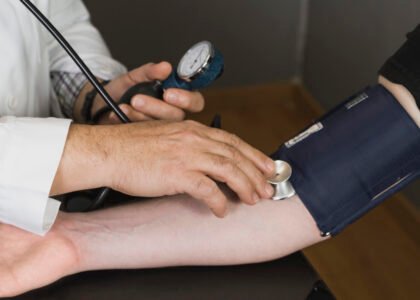
When measuring blood pressure for the first time, check both arms. If one arm consistently shows a higher reading, use that arm for future measurements unless your healthcare provider advises otherwise. Keep your arm supported at heart level and follow proper measurement techniques for accurate results.
What's the Perfect Blood Pressure Reading for Men?
An ideal blood pressure reading for most adult men is around 120/80 mmHg or lower. Maintaining a healthy weight, exercising regularly, eating a balanced diet, limiting sodium intake, and managing stress all contribute to healthy blood pressure levels.
Can High Blood Pressure Cause Erectile Dysfunction in Men?
Yes. High blood pressure can damage blood vessels and reduce blood flow throughout the body, including to the penis, making it more difficult to achieve or maintain an erection. Proper blood pressure management through lifestyle changes and appropriate medical treatment may help reduce this risk.


Disclaimer
The information provided on this website is collected and compiled from publicly available sources for general informational purposes only.
Leave a Reply Cancel reply
Comments
Table of Contents
Toggle
A very informative and well-written article by Balanzing! The explanations about High Blood Pressure in Men, Heart Health for Men, and prevention tips are easy to understand and practical. I learned a lot about maintaining healthy blood pressure levels. Keep sharing such valuable health content, Balanzing!