
Healthy intake 😃 Balanzed living

Child Growth and Development

Child growth and development are essential indicators of a child's overall health and well-being. From infancy through adolescence, children experience significant physical, cognitive, emotional, and social changes that shape their future.

Introduction

Growth refers to the physical changes in a child's body, such as increases in height, weight, and body size. Development refers to the acquisition of skills and abilities, including learning, communication, emotional regulation, and social interaction. Proper nutrition, healthcare, education, and a supportive environment play vital roles in helping children reach their full potential. Understanding the stages of growth and development can help parents and caregivers provide the care and support children need to thrive. This guide shows the key areas of child development.
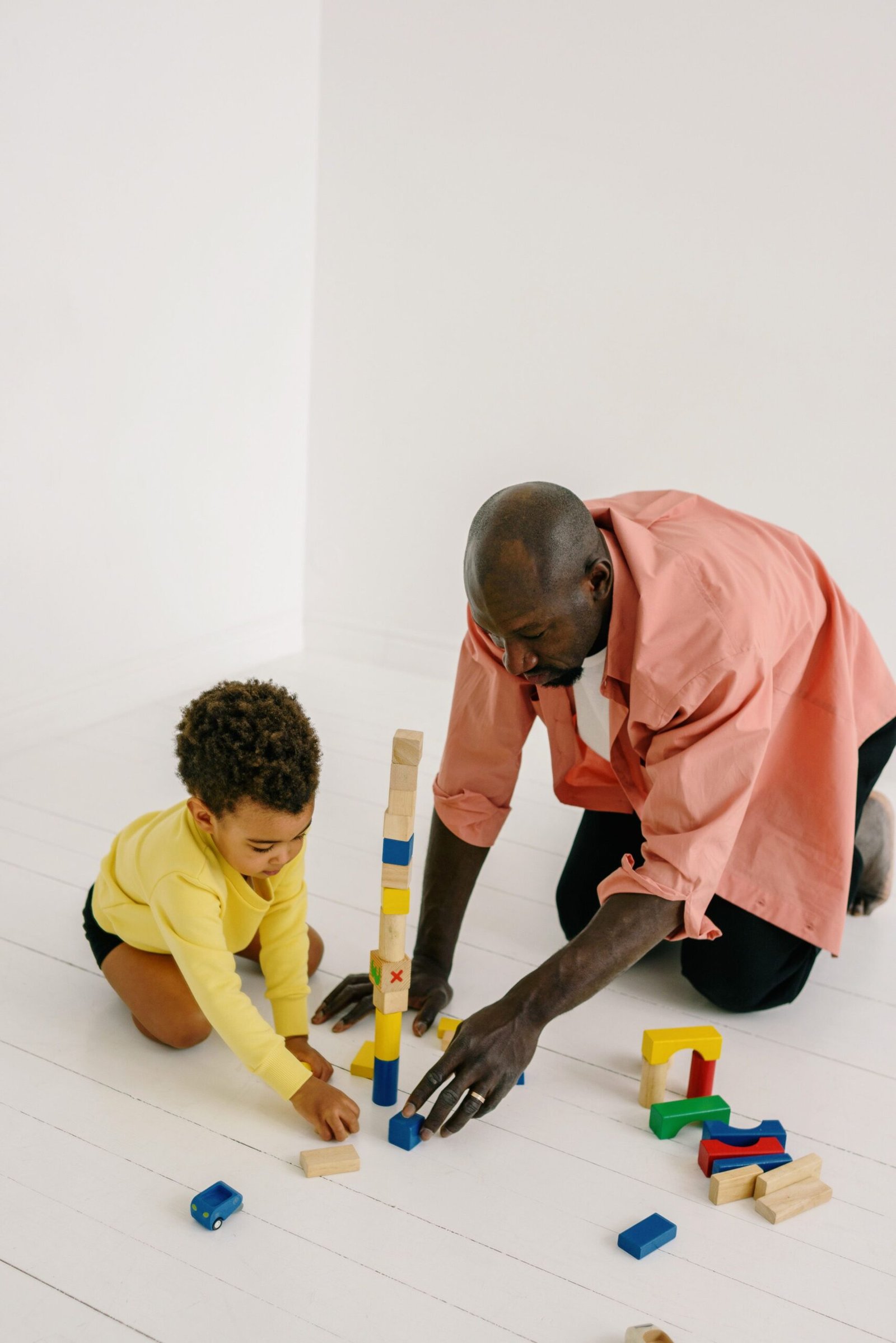
Child Growth and Development

Important Nutrients for Child Growth and Their Benefits

Nutrients

Benefits

Protein

Growth and Tissue Repair

Calcium

Strong Bones and Teeth

Iron

Brain Development

Vitamin D

Bone Health

Zinc

Growth and Immunity

Key Areas of Child Development

  • Physical Development

Includes growth in height, weight, strength, and motor skills.

  • Cognitive Development

Involves learning, thinking, memory, and problem-solving abilities.

  • Emotional Development

Helps children understand and manage emotions effectively.

  • Social Development

Supports communication, relationships, and social interactions.

  • Language Development

Includes speaking, listening, reading, and communication skills.

Factors Influencing Growth and Development

1.Nutrition

Proper nutrition provides the nutrients necessary for healthy growth and brain development.

2.Genetics

Family traits can influence growth patterns and developmental milestones.

3.Physical Activity

Regular movement supports muscle development, coordination, and overall health.

4.Sleep

Adequate sleep is essential for growth, learning, and emotional well-being.

5.Healthcare

Routine health checkups and vaccinations support healthy development.

6.Environment

A safe, loving, and stimulating environment encourages learning and growth.

Healthy Foods for Growing Children

1.Protein Sources

  • Eggs.
  • Fish.
  • Lean meat.
  • Beans and lentils.
  • Dairy products.

2.Fruits and Vegetables

Provide vitamins, minerals, and antioxidants.

3.Whole Grains

Offer sustained energy and fiber.

4.Healthy Fats

  • Nuts.
  • Seeds.
  • Avocados.
  • Fatty fish.

Developmental Milestones

1.Infants (0–12 Months)

  • Rolling over.
  • Sitting independently.
  • Crawling.
  • First words.

2.Toddlers (1–3 Years)

  • Walking and running.
  • Simple communication.
  • Developing social skills.

3.Preschool Children (3–5 Years)

  • Improved coordination.
  • Language development.
  • Creative play and learning.

4.School-Age Children (6–12 Years)

  • Academic growth.
  • Increased independence.
  • Stronger social relationships.

5.Adolescents (13–18 Years)

  • Rapid physical growth.
  • Emotional maturity.
  • Development of personal identity.


Signs Parents Should Monitor

  • Significant delays in growth.
  • Difficulty with communication.
  • Social interaction challenges.
  • Persistent behavioral concerns.
  • Poor appetite or weight changes.

Benefits of Healthy Growth and Development

  • Improved physical health.
  • Better academic performance.
  • Stronger emotional resilience.
  • Healthy social relationships.
  • Enhanced overall well-being.

What Are the Key Factors That Support Child Growth and Development?

FactorDescription
Balanced NutritionProvides essential nutrients for healthy growth and development.
Regular Physical ActivitySupports strong muscles, bones, and overall fitness.
Quality SleepPromotes healthy physical and brain development.
HealthcareRegular check-ups and vaccinations help maintain good health.
Learning & EducationEncourages cognitive, language, and social development.
Family SupportA loving and supportive environment helps children grow with confidence and emotional well-being.

How Does Balanzing Provide Support to Your Child’s Growth?

Child growth and development are influenced by a combination of nutrition, healthcare, environment, education, and family support. Balanzing offers nutrient-rich foods that support and improve a child’s growth. By providing children with healthy food, opportunities for learning, regular physical activity, and emotional encouragement, parents and caregivers can help build a strong foundation for lifelong success.

What Factors Influence Child Growth and Development?

Child growth and development are influenced by balanced nutrition, regular healthcare, physical activity, quality sleep, education, emotional support, and a nurturing family environment.

How Does Balanzing Support Your Child's Growth?

Balanzing offers nutrient-rich food products that complement a balanced diet and support healthy child growth and development alongside proper healthcare and an active lifestyle.

Why Is Nutrition Important for Healthy Child Development?

Good nutrition provides essential vitamins, minerals, proteins, and other nutrients that support physical growth, brain development, strong bones, and overall health.

How Can Parents Encourage Healthy Child Development?

Parents can encourage healthy development by providing nutritious meals, regular physical activity, quality sleep, learning opportunities, emotional support, and routine medical check-ups.

What Are Child Development Milestones?

Child development milestones are age-related skills and abilities that children typically achieve as they grow, including physical, cognitive, language, social, and emotional development.

Why Is Early Childhood Development Important?

Early childhood development builds the foundation for lifelong learning, healthy relationships, physical growth, emotional well-being, and future success through proper care, nutrition, and positive experiences.

Child Growth and Development Stages of Child Growth and Development Healthy Child Development Child Development Milestones Importance of Child GrowthChild Growth and Development is a dynamic, ongoing journey that starts before a child is even born and continues all the way into adulthood. As they progress through this fascinating experience, children’s lives are continually being shaped by developments in their bodies, their thoughts, their emotions, and their relationships with others and the world around them. While children do progress at their own individual rates, their healthy growth is helped by nutrition, healthcare, education, physical activity, and loving relationships.A number of individuals and groups have a hand in supporting children to become their best selves: parents, other family caregivers, educators and their schools, healthcare professionals and more.When a child receives balanced nutrition, supportive and consistent care, encouragement to explore and learn, and routine health check-ups, they get a good foundation for lifelong well-being.Stages of Child Growth and DevelopmentChild Growth and Development goes through distinct stages, with specific benchmarks to be reached.Infancy (0-2 Years):Rapid physical growth and development take place in infancy, from a newborn relying on a caregiver to a walking toddler with an emerging sense of independence. Children in this phase gain physical abilities such as rolling, sitting, crawling, standing and eventually walking. Language develops from basic coos and babbles to understanding simple words and making some sounds.Early Childhood (2-5 Years):As they transition to early childhood, children build on their physical, emotional, social and cognitive growth. They will begin to demonstrate more control over their bodies and fine motor skills. The ability to communicate develops through more complex sentences and they start forming play relationships with peers.Middle Childhood (6-12 Years):Children in middle childhood, the school years, experience slower, steady growth. Cognitive growth speeds up as children begin to develop logical thought processes and improved problem-solving skills. Social skills improve, they continue to grow and learn new concepts, and they develop friendships with other children.Adolescence (13-18 Years):The period of adolescence is marked by rapid physical growth and changes, often due to hormonal shifts, which impact their bodies, emotions, and social development. The foundations for adult healthy habits are either reinforced or are in the process of being established.Healthy Child DevelopmentHealthy child development is fostered by several key factors, including proper nutrition, health care, regular exercise, education, emotional support, and a safe environment. All these elements work together to help children reach their full potential throughout the course of their growth process.Good childhood development routine involves the following:A well-balanced meal planRegular Physical ExerciseSufficient rest and sleepProfessional health carecheck-upsChild vaccination and immunizationEmotional well-beingLearning experiencesChild Development MilestonesChild Development Milestones can help families monitor the physical, social, emotional and cognitive growth of a child. Children develop in their own unique ways, but the following are a few examples of typical milestones.Physical DevelopmentWalkingRunningJumpingClimbingHand-eye coordinationFine motor skillsCognitive DevelopmentFollowing simple instructionsIdentifying colors and shapesSolving basic problemsMemorizing informationDeveloping curiosityLanguage DevelopmentBabblingFirst words and phrasesForming sentencesUnderstanding more languageSocial and Emotional DevelopmentPlaying with other childrenSharing and cooperationShowing empathyExpressing emotionsDeveloping self-confidenceImportance of Child GrowthThe importance of child growth goes beyond a simple measurement of height or weight. It is a reflection of their physical health, nutrition, cognitive development and overall well-being. When a child is developing normally, this signifies healthy cells, tissues and organ functions are in place to support the many processes occurring throughout their body and mind.Healthy growth patterns allow them to build strong bones and muscles, support brain development and learning, ensure strong immunity and promote emotional well-being.Early and regular monitoring helps healthcare professionals and parents address potential health issues or growth delays promptly.Nutrition and Child DevelopmentNutrition plays an integral part in healthy growth. Children’s diet needs to consist of essential nutrients to help them develop physically and mentally, obtain energy for their daily activities and prevent health-related issues.Recommended food sources for healthy child growth:FruitsVegetablesWhole grainsDairyLean proteinsHealthy fatsNutsSeedswaterPhysical Activity and Healthy GrowthEngaging in regular physical activity is important for children to strengthen their bodies, increase muscle tone and flexibility, improve coordination and enhance cognitive functions. A combination of cardiovascular exercise and active play encourages healthy heart function and can also improve social skills as they interact with their peers during group activities or sports.Sleep and Emotional Well-BeingAdequate and quality sleep is vital for proper growth and development. During the sleeping hours, children’s bodies produce hormones responsible for growth and development and their brains consolidate learned information, which are all essential for optimal cognitive function and physical well-being. Family communication and positive emotional support also play a role in a child’s overall emotional health and sense of well-being.Balanzing Supports Healthy Child GrowthBalanzing’s food products provide nutrient-rich foods that are in harmony with the healthy principles of growth. Balanzing’s food products when coupled with regular exercise, health check-ups, healthy sleep patterns, education, emotional support, and nutritious daily meals are all part of how to support a child in reaching their healthy growth milestones. Growth of Children The development of a child is a lifelong cycle from prenatal period to adolescent period. The physical, cognitive, emotional, social, language development takes place during the entire process of growth. Though every child follows a specific pace for growth, health nutrition, health, Education, exercise and family support helps in growth.Proper nutrition of the growing child by the parent provides a strong foundation in learning, confidence and overall success.Know more about all phases of the growth of children with detailed information on their stages to support your child’s healthy progress. Checking child’s growth provides the appropriate and needed care, also provides insights in monitoring and managing concerns by an expert if required.How do children Grow & develop?Child growth represents significant physical improvements, such as increase in height, weight, bone density and overall composition of the body.Development describes a progressive change or improvement in learning, thought, expression, social relation, movement and coordination.The process happens in together so that they can easily become an independent being. A healthy growth environment also takes into account: genes, nutrients, doctor, climate, school, feelings of secureness, chance to know through play, school, and also experiences. Stages of growth of a child There are four broad stages of child development and growth which are Infant stage, Childhood early phase, Childhood middle phase and Adolescent period.Each one these stage are uniquely different from one another in terms of their stages of growth and development. Infant Stage: FromBirthto 2 yrs The phase from birth to age two is the phase when body grows very faster. In this phase babies develop a ability tolift head up, roll, crawl, walk and rise up.In addition babies start responding to face andvoice, and make sounds till they speak therefirstwords.A proper Infant Nutrition is essential to ensure heathy brains, bones and overall physical development. Childhood (Early Stage) –From2to5 Years They will soon develop independent abilities in early child hood stages. They develop skills of communicating and can co-operate better in games or at schools. At this phase children play and explore world through their games, songs and learning lessons at schools.Healthy Development in this stage include creativity, language development, emotions and some basics for team building.Child Hood (Middle Stage) – From 6 to 12 years The age between six to twelve years shows uniform and gradual physical improvement. Children develop reading, writing and understanding abilities. Also communication skills and relationship with others become more refined.A proper exercise,balanced diet, and sleep is recommended for healthy physical as well as social growth. Adolescent Phase – From13 to 18 Years This age group signifies physical changes and also mental adjustments. As age passes to adolescence period these can easily adjust as they also face some hormonal changes.These kids will find improved intellectual and creative skills in the end of adolescence and prepare for adulthood.Best foods for healthy child growth The foods you eat can have a huge influence over how a child develop, grow, and their health in general. Foods that you need to avoid while child’s development include highly processed Foods that will be less than healthy, fast Foods, sugar-added juices, soft drinks, junk foods, fried foods etc.. What kind of foods we want to see your child taking on their day-to-day bases include: Fresh Fruits &Vegetables Whole grain, bread and cereal Diary Products Low fat Meats, fishes and eggs Healthier Snacks, like unsalted seeds or fruit 5 Nutritious Ingredients for your kids Food is not only the primary requirement for a child’s development, yet you must include healthy foods in the food plate of child for boosting overall Health and well-being. Let’s list top 5 foods for child’s development below: Fruits like Apples, Pears, Peaches, Mangoes and Oranges vegetables like carrot, Sweet potato and Spinach Nuts and seeds Like almonds, pistachios and sunflower seeds Dairy items Like milk and cheeseLean Proteins likeChicken and Beans Well balanced Diet and Good Care are Essentials Child development means helping children togrow physically, mentally, emotionally and socially in a safe and encouraging environment.Good Nutrition , education , play, healthcare, rest ,exerciseand the parental love all help promote healthy development.Balancing the right foods with a healthy lifestyle can lead children towards optimum physical and Mental potential and a Healthy future. Your contribution for the growth and development is most valuable! Balanzing your food for kids with nutritious balance In the absence of proper nutritional food in kids’ Diet.Healthier food will be the best partner and guide to assist parents ensure the kids grow with their full potential, physically and mentally withBalanzing Food. It also will create good habit for overall well being.Child Growth and Development: Fueling a Lifetime of Success! From the day they are born until the end of adolescence, every child undergoes the amazing and fascinating journey of Child Growth and Development. This journey encompasses physical, mental, emotional, social, and linguistic changes that contribute to a child’s overall well-being and health. Although each child progresses at their own individual pace, adequate nutrition, medical care, education, physical activity, and love and support from family all play a critical role in ensuring that they grow into their fullest potential. Understanding your child's growth and development stages can empower you to provide them with the care and nurturing that will help them thrive for a lifetime.Stages of Child Growth and Development: A Road Map to GrowthTo make this developmental process easier to grasp, the journey of Child Growth and Development can be broken down into several key stages:infancy, the period from birth to around 1 year, marked by rapid physical development and learning to perform basic motor skills like sitting, crawling, and standing. Early childhood, from about age 1 to 5, where language skills bloom, social interactions grow, and a child learns through play. Middle childhood, from around 6 to 11 years, a time when problem-solving and communication skills sharpen, independence emerges, and a child starts to adjust to school. Adolescence, generally from 12 to 18 years, characterized by significant physical changes, increasing emotional maturity, and a greater need for independence as they prepare for adulthood. By familiarizing yourself with these stages, you can better recognize your child's age-appropriate developmental abilities and provide them with the support they need.Healthy Child Development: Building a Foundation for a Bright FutureHealthy Child Development relies on a synergy of essential components. Proper nutrition provides the building blocks for physical and brain growth. Quality healthcare ensures that children stay healthy and develop as expected.Regular physical activity is crucial for motor skill development, cognitive function, and overall fitness.Emotional support helps children build resilience, self-esteem, and strong social skills. And access to good education empowers them with the knowledge and skills to succeed.Key factors that foster healthy development include:balanced nutritionregular medical caredaily physical activityadequate sleepemotional securitya safe environmentopportunities for learningloving family relationshipsWhen these factors are in place, children are more likely to blossom into physically, mentally, and emotionally well-rounded individuals.Child Development Milestones: Tracking the Amazing JourneyChild Development Milestones are specific skills that most children acquire within a certain age range. These milestones are helpful in monitoring a child's growth and development:ability to sit, crawl, and walk speaking first words and forming short sentences development of memory and problem-solving skills forming friendships and engaging in social interactions improving coordination and fine motor skills (e.g., grasping objects) expression of emotions in appropriate ways It's important to remember that every child develops at their own pace. Some minor deviations from the norm are common, and your doctor can monitor your child's progress to ensure everything is on track.The Importance of Child Growth: More Than Just Height! Child Growth isn't just about a taller or heavier child; it's a reflection of overall health and well-being. Healthy growth supports a strong brain, enhances learning capabilities, promotes emotional stability, and builds physical strength. A child who receives good nutrition and consistent care from their early years is likely to develop healthy habits that last a lifetime. Monitoring a child's growth regularly can also help detect early signs of nutritional deficiencies or developmental challenges, allowing for timely intervention.Nutrition and Healthy Growth: Fueling Tiny Bodies and Brilliant MindsGood nutrition is arguably one of the most vital contributors to Child Growth and Development. A diet that is rich in essential vitamins, minerals, proteins, healthy fats, and carbohydrates is crucial for everything from brain development and energy production to the physical growth of bones and muscles. A healthy diet should feature:fresh fruits and vegetableswhole grainsdairy products or their alternativeslean proteinshealthy fatsplenty of waterMinimizing the consumption of processed foods and sugary drinks helps to support the establishment of long-term healthy eating patterns.Balanzing Supports Child Growth: Nourishing Future SuccessAt Balanzing, we believe in empowering families to provide the best nutrition for their children. Our nutrient-rich food products are designed to complement a balanced diet and actively support Child Growth and Development. When combined with regular physical activity, quality sleep, professional medical attention, learning opportunities, and a nurturing emotional environment, Balanzing helps children cultivate healthy daily habits.By understanding the Stages of Child Growth and Development, tracking Child Development Milestones, and recognizing the Importance of Child Growth, parents can make informed choices that lay the groundwork for lifelong health, confidence, and achievement.A happy and healthy child is an investment that pays dividends for years to come.

Disclaimer

The information provided on this website is collected and compiled from publicly available sources for general informational purposes only.

Leave a Reply

Your email address will not be published. Required fields are marked *

Comments

  1. This article provides a clear and informative overview of Child Growth and Development. It explains developmental stages, important milestones, healthy habits, and the role of balanced nutrition in supporting a child’s physical, mental, and emotional well-being in an easy-to-understand manner.

Table of Contents