
Dumbbell Exercises Guide: Benefits, Muscle Groups, and Safe Training Tips
Dumbbells are among the most versatile and effective pieces of fitness equipment for building strength, improving muscle tone, and enhancing overall fitness. Whether you are a beginner or an experienced athlete, dumbbell exercises can help develop balanced muscle strength, improve coordination, and increase flexibility. Unlike many gym machines, dumbbells allow each side of the body to work independently, helping correct muscle imbalances and improve functional movement.
Whether your goal is muscle building, weight loss, strength training, or overall fitness, incorporating dumbbell exercises into your workout routine can deliver excellent results.
Introduction
Dumbbells are free weights available in various sizes and are commonly used for resistance training. They can target nearly every major muscle group and allow for a wide variety of exercises that improve strength, stability, endurance, and flexibility.
Because dumbbells require greater muscle control than fixed-weight machines, they activate stabilizing muscles while improving coordination and balance. They are suitable for home workouts, commercial gyms, and rehabilitation programs, making them one of the most popular fitness tools worldwide.
This guide explains the major muscle groups trained with dumbbells, the benefits of dumbbell exercises, their importance, healthy workout tips, common mistakes to avoid, and when to seek professional guidance.
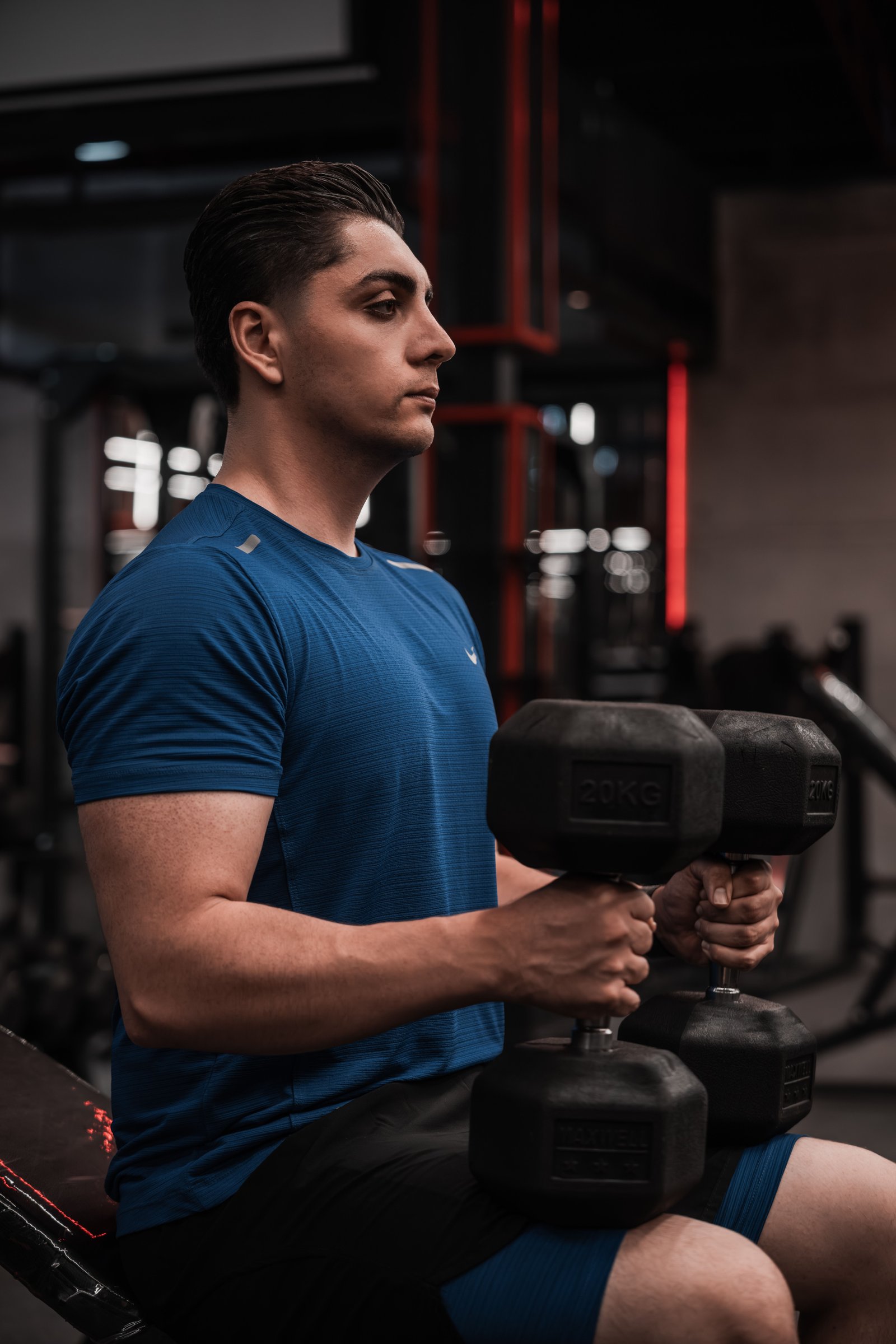
Major Muscle Groups Worked
Dumbbell exercises effectively target multiple muscle groups throughout the body.
|
Muscle Group |
Benefits |
Common Exercises |
|
Chest (Pectorals) |
Builds upper-body strength and muscle definition. |
Dumbbell Bench Press, Dumbbell Fly |
|
Shoulders (Deltoids) |
Improves shoulder strength, stability, and mobility. |
Shoulder Press, Lateral Raise, Front Raise |
|
Back (Latissimus Dorsi & Rhomboids) |
Enhances posture, pulling strength, and back development. |
One-Arm Dumbbell Row, Reverse Fly |
|
Biceps |
Builds stronger and more defined arms. |
Dumbbell Bicep Curl, Hammer Curl |
|
Triceps |
Strengthens the back of the arms and improves pushing movements. |
Overhead Triceps Extension, Triceps Kickback |
|
Core (Abdominals & Obliques) |
Improves balance, stability, and posture. |
Russian Twist, Dumbbell Side Bend |
|
Legs & Glutes |
Develops lower-body strength and functional fitness. |
Goblet Squat, Dumbbell Lunges, Romanian Deadlift |
Why Are Dumbbell Exercises Important?
Regular dumbbell training helps to:
- Build lean muscle mass.
- Improve muscular strength and endurance.
- Enhance balance and coordination.
- Increase joint stability.
- Improve flexibility and range of motion.
- Correct muscle imbalances.
- Support healthy bone density.
- Improve functional fitness for daily activities.
Benefits of Dumbbell Exercises
Builds Lean Muscle
Progressive resistance from dumbbells stimulates muscle growth and improves overall muscle definition.
Improves Functional Strength
Dumbbell exercises closely mimic natural body movements, making everyday tasks easier and improving athletic performance.
Enhances Balance and Coordination
Because each arm or leg works independently, dumbbells improve coordination, stability, and muscle control.
Increases Core Strength
Many standing and single-arm dumbbell exercises require continuous core engagement, improving posture and balance.
Supports Bone Health
Resistance training with dumbbells helps maintain bone density and may reduce the risk of osteoporosis.
Improves Joint Stability
Controlled dumbbell movements strengthen muscles surrounding the joints, improving stability and reducing injury risk.
Suitable for All Fitness Levels
With a wide range of weight options, dumbbells can be used safely by beginners, intermediate users, and advanced athletes.
Convenient and Versatile
Dumbbells require minimal space and allow hundreds of exercise variations, making them ideal for home and gym workouts.
Healthy Workout Tips
Following proper technique helps maximize results while reducing injury risk.
- Warm up before beginning your workout.
- Select a weight that allows proper form.
- Perform slow and controlled movements.
- Maintain proper posture throughout each exercise.
- Breathe naturally during each repetition.
- Train all major muscle groups evenly.
- Increase weight gradually as strength improves.
- Allow muscles adequate recovery between workouts.
- Finish every workout with stretching exercises.
Common Mistakes to Avoid
Avoid these common mistakes during dumbbell workouts:
- Using weights that are too heavy.
- Swinging the dumbbells using momentum.
- Performing exercises with poor posture.
- Holding your breath while lifting.
- Rushing through repetitions.
- Ignoring proper warm-up and cool-down.
- Training the same muscles without sufficient recovery.
- Neglecting proper exercise technique.
When Should You Seek Professional Guidance?
Consult a certified fitness trainer or healthcare professional if you:
- Are new to resistance training.
- Experience shoulder, elbow, wrist, or back pain during exercise.
- Are recovering from an injury or surgery.
- Have arthritis, osteoporosis, or joint-related conditions.
- Need a personalized strength-training program.
- Want to improve exercise technique and prevent injuries.
How Does Balanzing Help?
Balanzing is committed to helping individuals achieve better health through trusted fitness education and practical exercise guidance. Our expert-backed content provides reliable information on strength training, workout techniques, injury prevention, and healthy lifestyle habits to support overall fitness and well-being.
By promoting evidence-based fitness practices, proper exercise techniques, and balanced workout programs, Balanzing empowers individuals to build strength, improve mobility, enhance endurance, support healthy bones and joints, and achieve long-term fitness goals safely and effectively.
Dumbbell Training: Key Benefits and Focus Areas
| Training Area | Dumbbell Training Benefit |
|---|---|
| Muscle Strength | Builds strength through controlled resistance |
| Muscle Growth | Supports muscle development with progressive training |
| Core Stability | Engages the core during many exercises |
| Bone Health | Provides resistance that can support bone strength |
| Balance | Helps improve coordination and stability |
| Flexibility | Allows a wide range of movement patterns |
| Home Workouts | Easy to use for convenient home training |
How Do I Know When to Increase Dumbbell Weight?
Increase the weight when you can complete all your planned repetitions with proper form and still feel that you could easily perform several more reps. Increase gradually rather than making a large jump in weight.
What's the Right Dumbbell Weight for Beginners?
The right weight depends on your current strength and the exercise. Start with a weight that allows you to perform the exercise comfortably while maintaining proper form throughout the set. You can gradually increase the weight as your strength improves.
Can I Build Muscle with Dumbbells Alone?
Yes, dumbbells can build muscle effectively when you use progressive resistance, appropriate repetitions, and consistent training. Dumbbell exercises can target major muscle groups, including the chest, back, shoulders, arms, legs, and core.
How Many Reps Should I Do with Dumbbells?
The ideal number of repetitions depends on your goal. Beginners can often start with moderate repetitions while focusing on technique. For muscle growth, strength, and endurance, different repetition ranges can be useful, so adjust your training based on your fitness level and goals.
Can Dumbbells Help with Bone Density?
Yes, resistance training with dumbbells can place beneficial stress on bones and may support bone strength and density over time. Regular resistance exercise, combined with adequate nutrition and other healthy habits, can contribute to better bone health.
How Often Should I Do Dumbbell Workouts?
For general fitness, dumbbell training can be performed several times per week while allowing the muscles enough time to recover. Avoid training the same muscle groups intensely on consecutive days if they are still sore or fatigued.
Why Is Dumbbell Training Better Than Heavy Labor?
Dumbbell training provides controlled resistance, allowing you to choose the weight, repetitions, exercises, and movement pattern. Heavy labor may involve lifting or carrying, but it is not necessarily structured for balanced muscle development, progressive overload, or consistent training.

Disclaimer
The information provided on this website is collected and compiled from publicly available sources for general informational purposes only.
Leave a Reply Cancel reply
Comments
Table of Contents
Toggle
Really helpful Dumbbell Exercises Guide from Balanzing! The beginner-friendly tips, workout benefits, and safety advice make it easy to understand how to train effectively. A great resource from Balanzing for anyone looking to start dumbbell workouts safely.