
Elliptical Machine Benefits: A Complete Guide to Low-Impact Cardio and Full-Body Fitness
The elliptical machine is one of the most effective cardio machines for improving cardiovascular fitness, burning calories, and supporting overall health. It provides a smooth, low-impact workout that is gentle on the joints while engaging both the upper and lower body. Whether you are a beginner, recovering from an injury, or an experienced fitness enthusiast, the elliptical machine offers a safe and efficient way to achieve your fitness goals.
Whether your goal is weight loss, improving endurance, strengthening muscles, or maintaining overall fitness, regular elliptical workouts can be an excellent addition to your exercise routine.
Introduction
An elliptical machine, also known as a cross trainer, simulates natural walking, running, and stair-climbing movements without placing excessive stress on the knees, hips, and ankles. Unlike high-impact exercises, the elliptical allows continuous movement while reducing the risk of joint discomfort and injury.
Many modern elliptical machines include moving handlebars, allowing users to work both the upper and lower body simultaneously. Adjustable resistance and incline settings make the machine suitable for people of all fitness levels, from beginners to advanced athletes.
This guide explains the major muscle groups worked during elliptical training, its fitness benefits, importance, healthy workout tips, common mistakes to avoid, and when to seek professional guidance.
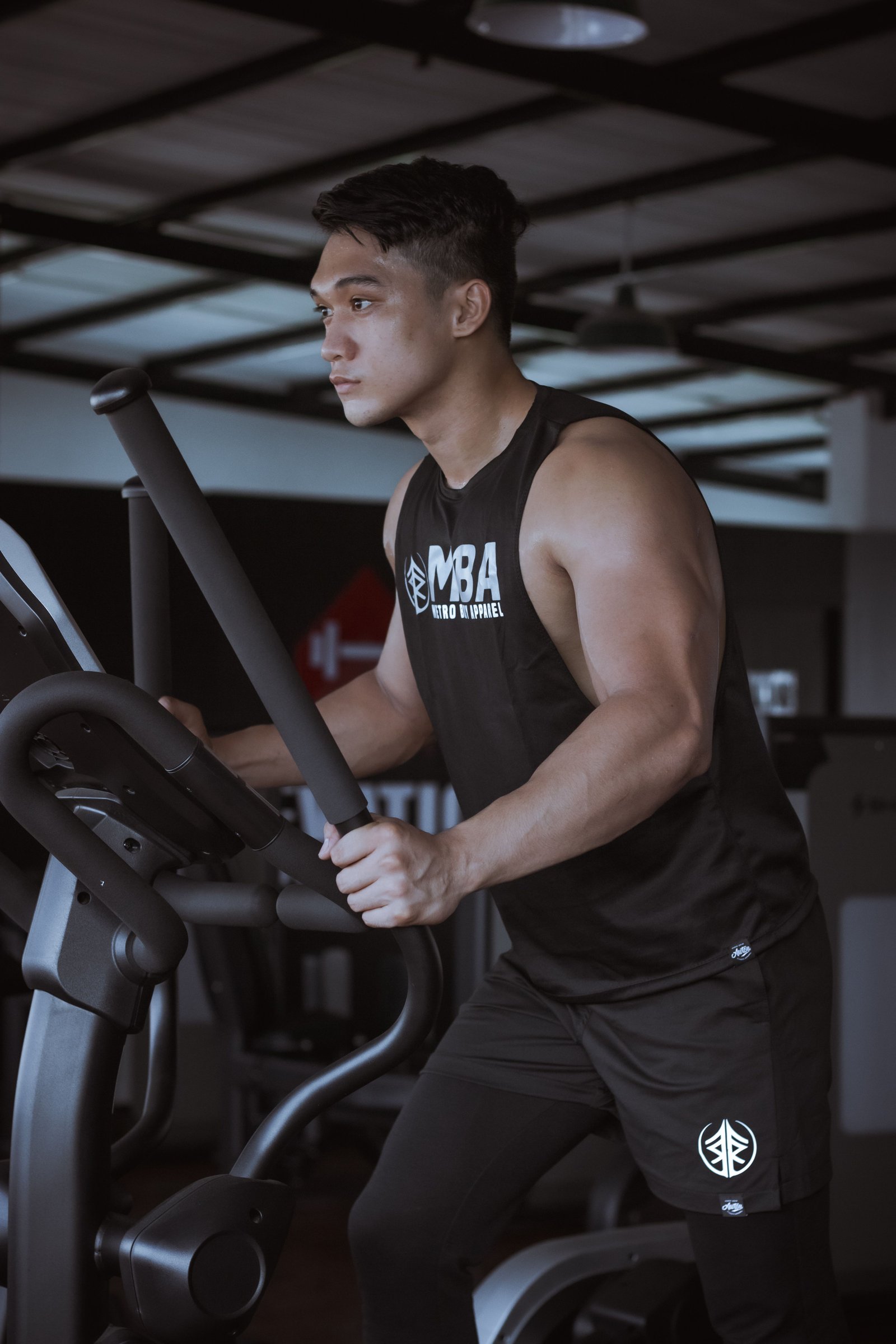
Major Muscle Groups Worked
The elliptical machine engages multiple muscle groups during every workout.
|
Muscle Group |
Benefits |
Machine Movement |
|
Quadriceps |
Strengthen the front thigh muscles and improve walking and climbing ability. |
Forward Pedaling |
|
Hamstrings |
Improve leg strength, flexibility, and movement control. |
Backward Pedaling |
|
Glutes |
Build lower-body strength and improve hip stability. |
Incline & Pedaling Motion |
|
Calves |
Improve ankle stability and lower-leg endurance. |
Continuous Pedaling |
|
Core Muscles |
Enhance balance, posture, and overall stability. |
Maintaining Upright Position |
|
Chest & Shoulders |
Improve upper-body endurance when using moving handlebars. |
Push-Pull Handle Movement |
|
Biceps & Triceps |
Strengthen the arms while assisting upper-body movement. |
Handlebar Motion |
Why Is the Elliptical Machine Important?
Regular elliptical workouts help to:
- Improve cardiovascular health.
- Burn calories efficiently.
- Support healthy weight management.
- Strengthen multiple muscle groups.
- Improve endurance and stamina.
- Enhance balance and coordination.
- Reduce stress on joints.
- Promote overall physical fitness.
Benefits of Using an Elliptical Machine
Improves Heart Health
Regular elliptical workouts strengthen the heart, improve blood circulation, and enhance cardiovascular endurance.
Burns Calories Effectively
The elliptical is an excellent calorie-burning machine that supports fat loss and healthy weight management when combined with a balanced diet.
Low-Impact on Joints
Unlike running, elliptical training reduces stress on the knees, hips, and ankles, making it suitable for individuals with joint concerns or those recovering from injuries.
Provides a Full-Body Workout
Machines with moving handlebars engage both the upper and lower body, improving overall muscle endurance and coordination.
Builds Lower-Body Strength
Continuous pedaling strengthens the quadriceps, hamstrings, glutes, and calves while improving muscular endurance.
Strengthens the Core
Maintaining proper posture during exercise activates the abdominal and core muscles, improving stability and balance.
Improves Endurance
Regular elliptical training increases stamina, allowing individuals to perform daily activities and physical exercise more efficiently.
Supports Healthy Weight Management
Combining cardio exercise with resistance settings helps improve metabolism and supports long-term weight management.
Healthy Workout Tips
Following proper technique helps maximize results while reducing injury risk.
- Warm up for 5–10 minutes before increasing intensity.
- Maintain an upright posture throughout the workout.
- Keep your core engaged during movement.
- Push and pull the handlebars naturally if available.
- Avoid leaning heavily on the handles.
- Start with a comfortable resistance and increase it gradually.
- Stay hydrated before, during, and after exercise.
- Cool down and stretch after every workout.
- Aim for at least 150 minutes of moderate-intensity cardio per week for overall health.
Common Mistakes to Avoid
Avoid these common mistakes when using the elliptical machine:
- Leaning excessively on the handlebars.
- Using resistance levels that are too high too soon.
- Taking very short or incomplete strides.
- Looking down instead of maintaining proper posture.
- Moving too quickly with poor technique.
- Skipping warm-up and cool-down sessions.
- Ignoring proper breathing during exercise.
- Performing the same workout every session without varying resistance or intensity.
When Should You Seek Professional Guidance?
Consult a certified fitness trainer or healthcare professional if you:
- Are new to cardio or resistance training.
- Experience knee, hip, ankle, or back pain during workouts.
- Are recovering from an injury or surgery.
- Have heart disease, high blood pressure, or other chronic medical conditions.
- Need a personalized exercise plan for weight loss or fitness goals.
- Want to improve your workout technique and prevent injuries.
How Does Balanzing Help?
Balanzing is committed to helping individuals achieve better health through trusted fitness education and practical exercise guidance. Our expert-backed content provides reliable information on cardio training, strength development, injury prevention, and healthy lifestyle habits to support overall fitness and well-being.
By promoting evidence-based fitness practices, proper exercise techniques, and balanced workout programs, Balanzing empowers individuals to improve cardiovascular health, build endurance, strengthen muscles, maintain a healthy body weight, and achieve long-term fitness goals safely and effectively.
Elliptical Training: Key Benefits at a Glance
| Training Area | Elliptical Benefit |
|---|---|
| Cardiovascular Fitness | Helps improve endurance and heart health |
| Joint-Friendly Exercise | Provides low-impact movement |
| Full-Body Workout | Can engage both upper and lower body |
| Weight Management | Supports calorie expenditure |
| Beginner Fitness | Allows adjustable speed and resistance |
| Muscle Engagement | Works legs, glutes, and upper body |
| Workout Variety | Supports steady-state and interval training |
Is 30 Minutes on an Elliptical Enough to Get Results?
Yes. A consistent 30-minute elliptical workout can improve cardiovascular fitness and contribute to calorie expenditure. Results depend on workout intensity, frequency, nutrition, recovery, and your individual fitness goals.
Can You Get in Shape Using Only an Elliptical Machine?
An elliptical can significantly improve cardiovascular fitness and endurance, but a well-rounded fitness routine should ideally include strength training and other forms of physical activity. Using only an elliptical may not provide enough resistance training for optimal muscle and bone-strength benefits.
Elliptical vs Running: Which Is Better for Your Knees?
An elliptical is generally a lower-impact option because your feet remain on the pedals throughout the movement. Running creates repeated impact with each foot strike. However, which activity feels better depends on your individual condition, fitness level, and technique.
How Long Should You Use an Elliptical as a Beginner?
Beginners can start with around 10–20 minutes at a comfortable intensity and gradually increase the duration as fitness improves. Focus on maintaining good posture and smooth movement rather than exercising for a long time immediately.
Does Elliptical Training Help You Lose Weight?
Yes, elliptical training can support weight loss by increasing energy expenditure. However, an Elliptical Machine for Weight Loss works best when combined with a balanced eating pattern, regular physical activity, and consistent workouts.
Is an Elliptical Good for Bad Knees and Joint Pain?
Because elliptical training is low-impact, some people find it more comfortable than high-impact activities such as running. However, if you have significant knee or joint pain, consult a qualified healthcare professional before starting or changing your exercise routine.
How Many Miles on an Elliptical Equal Running?
There is no exact mile-for-mile equivalent between elliptical training and running. Elliptical machines calculate distance differently, and workout intensity varies. Instead of comparing miles, consider exercise duration, resistance, pace, and perceived effort.




Disclaimer
The information provided on this website is collected and compiled from publicly available sources for general informational purposes only.
Leave a Reply Cancel reply
Comments
Table of Contents
Toggle
Really helpful guide on Elliptical Machine Benefits from Balanzing! The information about low-impact cardio, full-body workouts, and weight-loss support is easy to understand. A great resource from Balanzing for anyone looking to make their elliptical workouts more effective.