
Farm Fresh Vegetables Health Benefits
Fresh vegetables are one of the most important parts of a healthy lifestyle. Farm fresh vegetables are packed with nutrients, vitamins, minerals, antioxidants, and fiber that help improve overall health naturally.
Farm Fresh Vegetables Health Benefits
Eating farm fresh vegetables regularly provides numerous health benefits. They are naturally rich in vitamins A, C, E, K, potassium, magnesium, and dietary fiber.
Major Health Benefits of Farm Fresh Vegetables
1. Boosts Immunity
Vegetables rich in vitamin C and antioxidants help strengthen the immune system and protect the body from infections and illnesses.
2. Improves Digestion
Fiber-rich vegetables support healthy digestion, improve bowel movements, and prevent constipation.
3. Supports Heart Health
Fresh vegetables help lower bad cholesterol levels and reduce blood pressure, supporting cardiovascular health.
4. Helps in Weight Management
Vegetables are low in calories and high in fiber, making you feel full for longer periods.
5. Improves Skin Health
Vegetables contain antioxidants that help maintain glowing and youthful skin
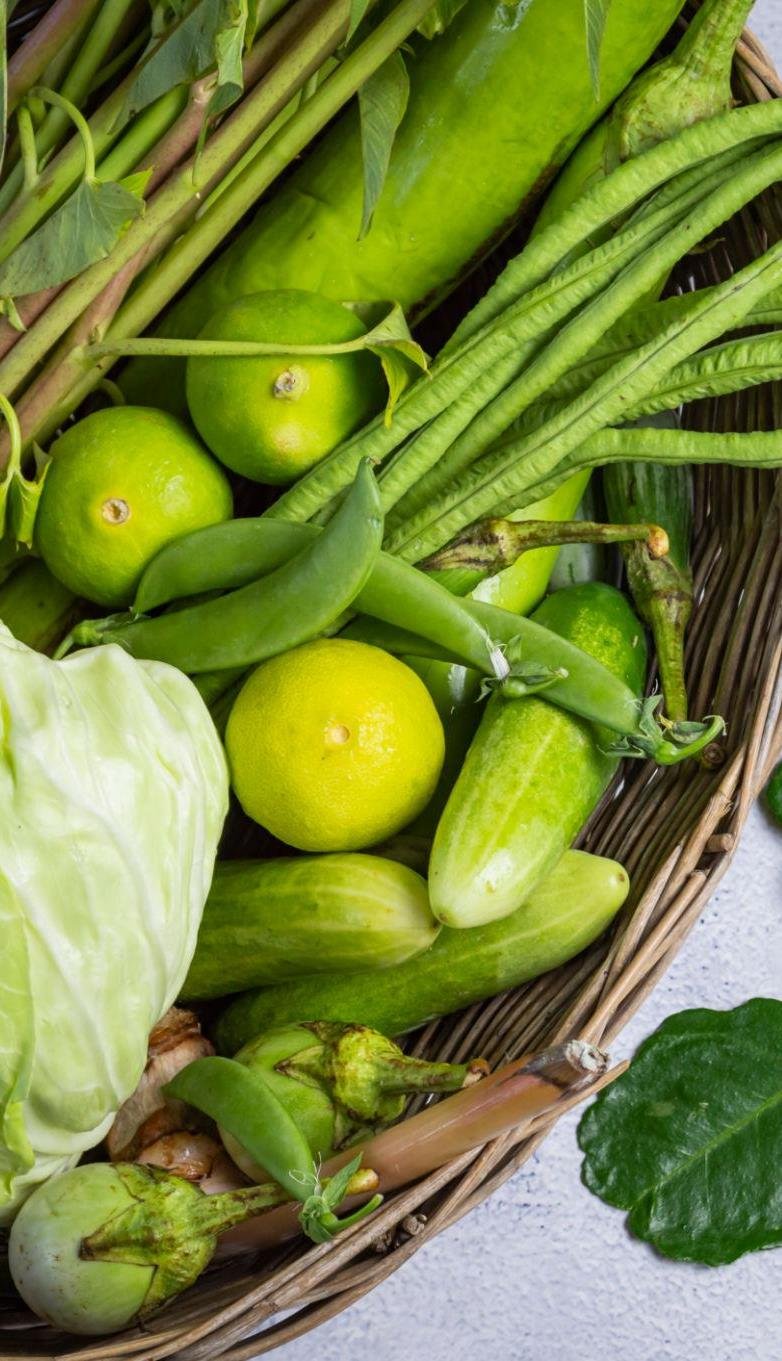
Benefits of Adding Farm Fresh Vegetables to your daily diet
Adding farm fresh vegetables to your daily meals can transform your health and energy levels. A balanced diet filled with vegetables nourishes your body with essential nutrients needed for proper growth and functioning.
Better Energy Levels
Fresh vegetables provide natural vitamins and minerals that help your body stay active and energetic throughout the day.
Supports Healthy Digestion
Vegetables rich in fiber improve digestion and help maintain a healthy gut microbiome. Proper digestion also improves nutrient absorption.
Enhances Mental Health
Nutrients such as folate, magnesium, and antioxidants found in vegetables support brain health and reduce stress and fatigue.
Strengthens Bones
Green leafy vegetables contain calcium and vitamin K, which are important for strong bones and teeth.
How Does Farm Fresh Vegetables to improve Your Health?
Farm fresh vegetables improve health by supplying the body with nutrients necessary for growth, repair, and disease prevention.
Rich Source of Antioxidants
Antioxidants protect body cells from damage caused by harmful free radicals.
Maintains Healthy Weight
Vegetables are naturally low in fat and calories while keeping you satisfied longer.
Improves Gut Health
Dietary fiber supports beneficial gut bacteria and improves digestion.
Detoxifies the Body
Certain vegetables help the body remove toxins naturally.
Supports Brain Function
Vegetables contain nutrients that support concentration, memory, and cognitive function.
Enhances Immune Defense
Fresh vegetables help the body fight viruses and infections naturally.
Regulates Blood Pressure
Potassium-rich vegetables help maintain healthy blood pressure levels.
Different Types of Farm Fresh Vegetables & Their Health Benefits
| Type of Vegetable | Examples | Main Nutrients | Health Benefits |
|---|---|---|---|
| Leafy Green Vegetables | Spinach, Kale, Lettuce | Iron, Calcium, Vitamin K | Improves bone health and immunity |
| Root Vegetables | Carrot, Beetroot, Radish | Fiber, Vitamin A | Supports eye health and digestion |
| Cruciferous Vegetables | Broccoli, Cabbage, Cauliflower | Antioxidants, Vitamin C | Helps reduce inflammation |
| Fruiting Vegetables | Tomato, Bell Pepper, Cucumber | Vitamin C, Potassium | Supports heart and skin health |
| Legumes | Beans, Peas | Protein, Fiber | Helps muscle growth and digestion |
| Allium Vegetables | Onion, Garlic | Sulfur Compounds | Supports immunity and heart health |
| Water-Rich Vegetables | Cucumber, Zucchini | Water, Electrolytes | Keeps body hydrated |
| Colorful Vegetables | Bell Peppers, Purple Cabbage | Antioxidants | Protects against cell damage |
How does Balanzing enhance Farm Fresh Vegetables benefits?
The Balanzing approach maximizes Farm Fresh Vegetables benefits by encouraging consistent, mindful, and moderate consumption as part of a balanced lifestyle. Farm Fresh Vegetables is naturally rich in vitamins, minerals, antioxidants, and dietary fiber, which together support immunity, digestion, blood sugar regulation, heart health, and overall wellness. By following Balanzing principles, individuals consume Farm Fresh Vegetables in proper portions and at appropriate times, ensuring that the body efficiently absorbs and utilizes its nutrients. This method enhances long-term benefits such as stronger immunity, improved digestive function, stable blood sugar levels, healthier skin, and sustained energy, while preventing overconsumption.


Disclaimer
The information provided on this website is collected and compiled from publicly available sources for general informational purposes only.
# Farm Fresh Vegetables Health Benefits: Why Fresh Produce Matters for Your Health Eating fresh vegetables every day is one of the simplest ways to improve your overall well-being. The **Farm Fresh Vegetables Health Benefits** go far beyond adding color to your plate. Freshly harvested vegetables provide essential vitamins, minerals, antioxidants, and fiber that help support a healthy lifestyle. ## What Makes Farm Fresh Vegetables Better? One of the biggest **Locally grown vegetable benefits** is freshness. Vegetables that are harvested and delivered quickly often retain their natural flavor and nutritional value. Since they travel shorter distances, locally grown produce can reach consumers in better condition than vegetables stored for long periods during transportation. Farm-fresh vegetables are also a great way to support local farmers and sustainable agricultural practices. Choosing seasonal produce allows you to enjoy vegetables at their peak quality while contributing to local food systems. ## Fresh Vegetables for Healthy Living Including **Fresh vegetables for healthy living** can make a significant difference in your daily diet. Vegetables are naturally low in calories and rich in nutrients, making them an excellent choice for people of all ages. Popular vegetables such as spinach, carrots, broccoli, tomatoes, cucumbers, and bell peppers offer a variety of nutrients that help maintain overall wellness. Adding these vegetables to salads, soups, stir-fries, and smoothies can help you enjoy a more balanced diet. ### Benefits of Eating Fresh Vegetables Daily The **Daily vegetable intake benefits** include: * Supporting healthy digestion through natural dietary fiber. * Providing important vitamins and minerals for everyday nutrition. * Helping maintain a balanced and varied diet. * Supporting hydration due to high water content in many vegetables. * Adding natural flavor, texture, and color to meals. * Encouraging healthier eating habits throughout the day. * Offering antioxidants that help protect cells from oxidative stress. ## Nutrient-Rich Fresh Vegetables for Better Nutrition **Nutrient-rich fresh vegetables** are packed with essential nutrients such as Vitamin A, Vitamin C, Vitamin K, potassium, magnesium, and folate. These nutrients contribute to normal body functions and help support overall health. Different vegetables provide different nutritional benefits. Dark leafy greens are rich in vitamins and minerals, while colorful vegetables such as carrots and peppers contain beneficial plant compounds that contribute to a well-rounded diet. ## Simple Ways to Eat More Fresh Vegetables If you're looking to enjoy more **Farm Fresh Vegetables Health Benefits**, try these easy tips: * Add vegetables to every meal. * Choose seasonal produce whenever possible. * Prepare fresh salads for lunch or dinner. * Blend vegetables into smoothies. * Keep cut vegetables ready for healthy snacking. * Experiment with different cooking methods such as roasting, steaming, or grilling. ## Final Thoughts The combination of **Farm Fresh Vegetables Health Benefits**, **Locally grown vegetable benefits**, and **Fresh vegetables for healthy living** makes fresh produce an important part of a nutritious diet. By increasing your consumption of **Nutrient-rich fresh vegetables** and enjoying the **Daily vegetable intake benefits**, you can make healthier food choices that support long-term wellness and a more balanced lifestyle. Daily Vegetable Intake Benefits The Daily vegetable intake benefits are numerous and well-recognized. Consuming a variety of vegetables each day can: Support healthy digestion through natural dietary fiber. Help maintain a balanced and nutritious diet. Contribute to hydration due to their high water content. Provide essential vitamins and minerals for everyday wellness. Support healthy weight management when included in balanced meals. Encourage healthier eating patterns and food choices. Add natural color, flavor, and variety to meals. Supply antioxidants that help protect cells from oxidative stress. Supporting a Healthier Lifestyle The combination of Farm Fresh Vegetables Health Benefits, Locally grown vegetable benefits, and Fresh vegetables for healthy living makes fresh produce an important part of everyday nutrition. Whether enjoyed in salads, soups, smoothies, stir-fries, or side dishes, Nutrient-rich fresh vegetables can help diversify meals while providing valuable nutrients. By embracing the Daily vegetable intake benefits, individuals can make positive dietary choices that support overall health and well-being. Adding more farm-fresh vegetables to your diet is a simple yet effective way to enjoy nutritious, flavorful foods while supporting healthy living and long-term wellness. # Farm Fresh Vegetables Health Benefits: A Complete Guide to Better Nutrition and Healthy Living Fresh vegetables have long been recognized as one of the most important components of a healthy diet. The **Farm Fresh Vegetables Health Benefits** include access to essential nutrients, natural antioxidants, dietary fiber, and plant compounds that contribute to overall wellness. Whether consumed raw, steamed, roasted, or added to daily recipes, fresh vegetables provide valuable nutritional support for people of all ages. As consumers become more health-conscious, many are turning to locally sourced produce to enjoy fresher ingredients and higher-quality meals. Understanding the advantages of farm-fresh vegetables can help individuals make informed dietary choices while supporting sustainable food practices. ## What Are Farm Fresh Vegetables? Farm fresh vegetables are produce items harvested directly from farms and delivered to consumers with minimal delay. Because they spend less time in storage and transportation, these vegetables often retain their natural taste, texture, and nutritional value. Common farm-fresh vegetables include: * Spinach * Broccoli * Carrots * Tomatoes * Cabbage * Cucumbers * Bell peppers * Cauliflower * Green beans * Beetroot These vegetables can be incorporated into a wide range of meals, making it easy to enjoy their nutritional benefits daily. ## Farm Fresh Vegetables Health Benefits The **Farm Fresh Vegetables Health Benefits** extend beyond simple nutrition. Fresh vegetables provide a combination of vitamins, minerals, fiber, and antioxidants that support overall dietary quality. Key benefits include: * Rich source of essential vitamins and minerals * Naturally low in calories * High in dietary fiber * Supports balanced nutrition * Helps diversify daily meals * Provides natural antioxidants * Contributes to hydration * Encourages healthy eating habits * Supports long-term wellness goals Adding a variety of vegetables to your plate ensures a broader intake of nutrients and helps create a more balanced diet. ## Locally Grown Vegetable Benefits One of the most significant **Locally grown vegetable benefits** is freshness. Vegetables harvested locally often reach consumers more quickly than produce transported over long distances. ### Advantages of Locally Grown Vegetables | Benefit | Description | | ---------------------- | ------------------------------------------- | | Better Freshness | Harvested closer to purchase time | | Improved Flavor | Natural taste is often preserved | | Seasonal Availability | Access to vegetables at peak quality | | Reduced Transportation | Less travel time from farm to table | | Community Support | Helps support local farmers and agriculture | | Sustainable Choice | May reduce transportation-related impacts | Consumers who choose locally grown produce often enjoy fresher ingredients while contributing to local agricultural economies. ## Fresh Vegetables for Healthy Living Including **Fresh vegetables for healthy living** is one of the simplest ways to improve daily nutrition. Vegetables provide essential nutrients without excessive calories, making them suitable for various dietary preferences. Ways fresh vegetables contribute to healthy living: * Add important nutrients to meals * Increase dietary variety * Support balanced meal planning * Encourage healthier food choices * Provide natural flavors and textures * Fit easily into breakfast, lunch, and dinner recipes From colorful salads to hearty soups and vegetable-based snacks, fresh vegetables can be enjoyed in countless ways. ## Nutrient-Rich Fresh Vegetables and Their Importance **Nutrient-rich fresh vegetables** contain vitamins, minerals, and plant compounds that play important roles in a healthy diet. ### Essential Nutrients Found in Fresh Vegetables | Nutrient | Common Sources | Importance | | ------------ | ----------------------- | -------------------------------------------- | | Vitamin A | Carrots, Sweet Potatoes | Supports normal vision and overall nutrition | | Vitamin C | Bell Peppers, Broccoli | Important antioxidant nutrient | | Vitamin K | Spinach, Kale | Found in many leafy vegetables | | Folate | Spinach, Beetroot | Important nutrient found in vegetables | | Potassium | Tomatoes, Beetroot | Essential dietary mineral | | Magnesium | Leafy Greens | Important for overall nutrition | | Fiber | Most Vegetables | Supports digestive wellness | | Antioxidants | Colorful Vegetables | Help protect cells from oxidative stress | Regular consumption of nutrient-rich vegetables helps improve the nutritional quality of everyday meals. ## Daily Vegetable Intake Benefits The **Daily vegetable intake benefits** are widely recognized by nutrition experts. Consistently including vegetables in meals can help individuals meet recommended nutrient intake levels. ### Benefits of Eating Vegetables Every Day * Supports healthy digestion through fiber intake * Helps maintain balanced nutrition * Provides a steady source of vitamins and minerals * Encourages healthier eating patterns * Adds volume to meals without excessive calories * Contributes to hydration due to high water content * Supports overall dietary quality * Increases consumption of beneficial plant compounds Even small increases in daily vegetable consumption can contribute to healthier eating habits over time. ## Best Ways to Add More Vegetables to Your Diet If you want to maximize the **Farm Fresh Vegetables Health Benefits**, consider these practical tips: ### Breakfast * Add spinach to omelets * Blend vegetables into smoothies * Include tomatoes with breakfast dishes ### Lunch * Prepare fresh salads * Add vegetables to sandwiches and wraps * Include vegetable soups ### Dinner * Serve steamed vegetables as side dishes * Add extra vegetables to curries and stir-fries * Roast seasonal vegetables for added flavor ### Snacks * Cucumber slices * Carrot sticks * Bell pepper strips * Cherry tomatoes These simple changes can significantly increase vegetable consumption throughout the day. ## Why Farm Fresh Vegetables Are Essential for Modern Diets Modern lifestyles often involve processed foods and convenience meals. Farm-fresh vegetables help restore nutritional balance by providing naturally occurring nutrients that support a healthy eating pattern. The combination of **Farm Fresh Vegetables Health Benefits**, **Locally grown vegetable benefits**, **Fresh vegetables for healthy living**, **Nutrient-rich fresh vegetables**, and **Daily vegetable intake benefits** makes fresh produce an essential part of a balanced lifestyle. ## Conclusion Farm-fresh vegetables offer a wide range of nutritional advantages that support healthy living and overall wellness. By incorporating a variety of nutrient-rich vegetables into daily meals, individuals can enjoy improved dietary quality, greater meal variety, and long-term nutritional benefits. Choosing locally grown produce whenever possible provides additional freshness and supports local agriculture, making farm-fresh vegetables a smart choice for health-conscious consumers. Fresh produce plays an important role in maintaining a balanced and nutritious diet. Packed with vitamins, minerals, fiber, and natural plant compounds, vegetables provide essential nutrients that help support everyday wellness. Including a variety of colorful produce in meals is one of the simplest ways to improve dietary quality and create healthier eating habits. Many vegetables are naturally low in calories while offering significant nutritional value. Leafy greens, root vegetables, cruciferous varieties, and colorful options each contribute unique nutrients to the body. From salads and soups to stir-fries and side dishes, these foods can be incorporated into nearly every meal, making it easier to achieve a more balanced diet. One of the greatest advantages of freshly harvested produce is its flavor and texture. Vegetables that are consumed soon after harvesting often retain their natural taste and appealing appearance. This freshness can make meals more enjoyable and encourage individuals to consume a wider range of nutrient-dense foods. Fresh ingredients also provide versatility in cooking, allowing them to be used in both simple and elaborate recipes. Nutritional diversity is another important benefit. Different vegetables contain varying amounts of vitamins and minerals, which is why experts often recommend eating a colorful assortment. Green vegetables are commonly associated with nutrients such as folate and vitamin K, while orange and red varieties are known for compounds that contribute to their vibrant colors. Purple vegetables contain unique plant pigments, and white vegetables also provide valuable nutrients that support overall dietary balance. Dietary fiber is a major component of many vegetables. Fiber helps add bulk to meals and supports healthy digestive function. Foods rich in fiber can also help individuals feel satisfied after eating, making them a valuable part of a balanced eating plan. Consuming a variety of fiber-rich foods throughout the day contributes to overall nutritional wellness and supports healthy eating patterns. Hydration is another often-overlooked advantage. Many vegetables contain a high percentage of water, helping contribute to daily fluid intake. Cucumbers, lettuce, celery, tomatoes, and similar options can be refreshing additions to meals and snacks. Combining hydration with nutrient intake makes these foods an excellent choice for individuals seeking wholesome dietary options. Antioxidants found in vegetables are also highly valued in nutrition. These naturally occurring compounds help protect cells from oxidative stress caused by free radicals. Colorful produce often contains a wide range of antioxidants, making variety especially important. Including multiple colors on a plate not only enhances visual appeal but also increases the range of beneficial nutrients consumed. Meal planning becomes easier when vegetables are included as a central component rather than an afterthought. They can be added to breakfast omelets, blended into smoothies, included in sandwiches, mixed into grain bowls, or served alongside main dishes. Their versatility allows individuals to enjoy them throughout the day without significant changes to existing eating habits. Families can also benefit from introducing a wider variety of produce into their meals. Children exposed to different flavors, colors, and textures from an early age may become more willing to try new foods. Creative preparation methods such as roasting, grilling, steaming, or incorporating vegetables into favorite dishes can help make them more appealing to all age groups. Seasonal eating is another valuable approach. Produce harvested during its natural growing season often delivers excellent flavor and quality. Seasonal selections can add variety to meals throughout the year and encourage consumers to explore different options. This approach can also support local agricultural communities and promote greater awareness of food sources. Cooking methods can influence both taste and texture. Steaming helps preserve natural flavors, while roasting can bring out sweetness and create a satisfying texture. Grilling adds depth of flavor, and stir-frying allows vegetables to remain crisp while absorbing complementary seasonings. Experimenting with different preparation techniques can help prevent meal fatigue and keep healthy eating enjoyable. A balanced diet includes foods from multiple food groups, and vegetables play a foundational role within that framework. They pair well with lean proteins, whole grains, legumes, nuts, and seeds, creating meals that are both nutritious and satisfying. Building meals around a variety of wholesome ingredients encourages better nutritional balance and greater enjoyment of food. In today's fast-paced world, making informed food choices is more important than ever. Choosing nutrient-dense options can help improve overall dietary quality and support long-term wellness goals. Small, consistent changes often lead to meaningful improvements over time. Adding an extra serving to lunch, incorporating more colorful ingredients into dinner, or selecting vegetable-based snacks are practical steps that can contribute to healthier eating patterns. Ultimately, fresh produce remains one of the most valuable components of a nutritious lifestyle. Its combination of vitamins, minerals, fiber, antioxidants, and natural flavor makes it an essential part of everyday meals. By embracing variety, exploring seasonal options, and finding enjoyable ways to include more vegetables in daily routines, individuals can create balanced eating habits that support overall wellness and make healthy living both achievable and sustainable. For individuals with busy schedules, preparation can make healthy choices more convenient. Washing, chopping, and storing ingredients ahead of time allows for quick meal assembly during the week. Keeping ready-to-eat options in the refrigerator can encourage healthier snacking and simplify meal preparation. Simple habits such as adding extra vegetables to soups, stews, and pasta dishes can significantly increase daily intake without requiring major dietary changes. Cooking methods can influence both taste and texture. Steaming helps preserve natural flavors, while roasting can bring out sweetness and create a satisfying texture. Grilling adds depth of flavor, and stir-frying allows vegetables to remain crisp while absorbing complementary seasonings. Experimenting with different preparation techniques can help prevent meal fatigue and keep healthy eating enjoyable. A balanced diet includes foods from multiple food groups, and vegetables play a foundational role within that framework. They pair well with lean proteins, whole grains, legumes, nuts, and seeds, creating meals that are both nutritious and satisfying. Building meals around a variety of wholesome ingredients encourages better nutritional balance and greater enjoyment of food. In today's fast-paced world, making informed food choices is more important than ever. Choosing nutrient-dense options can help improve overall dietary quality and support long-term wellness goals. Small, consistent changes often lead to meaningful improvements over time. Adding an extra serving to lunch, incorporating more colorful ingredients into dinner, or selecting vegetable-based snacks are practical steps that can contribute to healthier eating patterns. Ultimately, fresh produce remains one of the most valuable components of a nutritious lifestyle. Its combination of vitamins, minerals, fiber, antioxidants, and natural flavor makes it an essential part of everyday meals. By embracing variety, exploring seasonal options, and finding enjoyable ways to include more vegetables in daily routines, individuals can create balanced eating habits that support overall wellness and make healthy living both achievable and sustainable.
Table of Contents
Toggle