
Fitness At Home
Staying physically active is essential for maintaining good health, and you don't need a gym membership to achieve your fitness goals. Home workouts are a convenient, cost-effective, and flexible way to improve strength, endurance, flexibility, and overall well-being.
Introduction
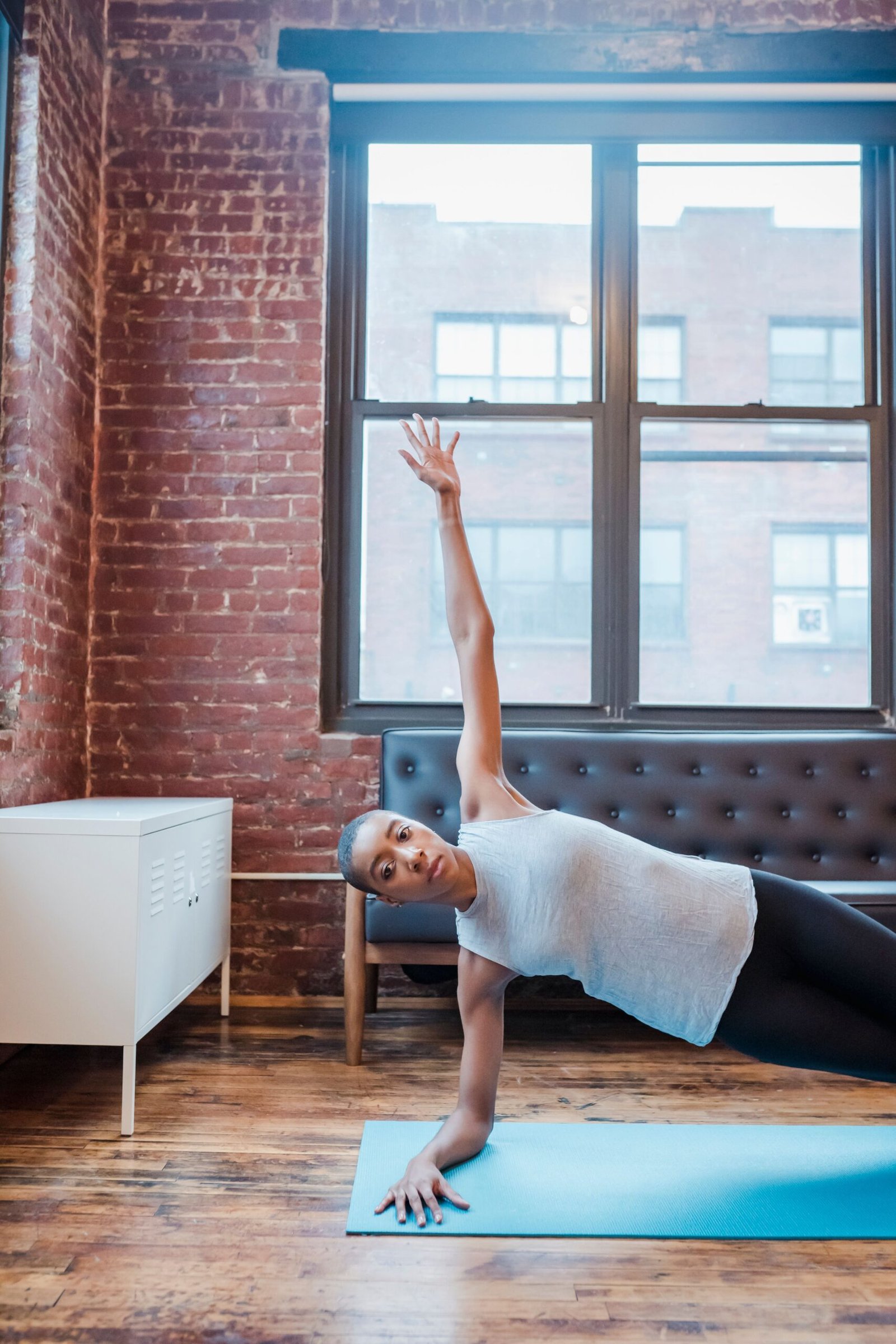
Home fitness refers to performing physical exercises in the comfort of your home using body weight, resistance bands, dumbbells, or other simple equipment. It allows people to stay active without traveling to a fitness center. Whether you are a beginner or an experienced fitness enthusiast, exercising at home can help you stay fit while fitting easily into your daily routine. This guide shows different types of home workouts.
Essential Nutrients for Fitness and Their Benefits
|
Nutrients |
Benefits |
|
Healthy Fats |
Long-Lasting Energy |
|
Carbohydrates |
Energy for Exercise |
|
Calcium |
Bone Strength |
|
Magnesium |
Muscle Function |
|
Protein |
Muscle Growth and Recovery |
Best Home Exercises
-
- Bodyweight Squats
Strengthen the legs, hips, and core.
- Push-Ups
Build chest, shoulder, arm, and core strength.
- Lunges
Improve lower-body strength and balance.
- Planks
Strengthen the core, back, and shoulders.
- Glute Bridges
Strengthen the hips, glutes, and lower back.
- Jumping Jacks
Improve cardiovascular fitness and endurance.
- Mountain Climbers
Provide a full-body workout while increasing heart rate.
Benefits of Home Workouts
- No gym membership required.
- Flexible workout schedule.
- Saves travel time.
- Suitable for all fitness levels.
- Can be customized to individual goals.
- Encourages long-term consistency.
Tips for Effective Home Workouts
- Warm Up Before Exercising
Spend 5–10 minutes preparing your muscles and joints.
- Maintain Proper Form
Focus on technique to reduce the risk of injury.
- Stay Consistent
Aim for at least 150 minutes of moderate exercise each week.
- Stay Hydrated
Drink enough water before, during, and after workouts.
- Allow Recovery Time
Rest helps muscles recover and become stronger.
Why Home Fitness is Important
Regular home workouts help to:
- Improve cardiovascular health.
- Build muscle strength.
- Increase flexibility.
- Support weight management.
- Improve mental well-being.
- Boost energy levels.
Common Mistakes to Avoid
- Skipping warm-up exercises.
- Poor exercise technique.
- Overtraining without adequate rest.
- Ignoring proper nutrition.
- Inconsistent workout routines.
How to Test Your Fitness Level at Home
|
Fitness Area |
Simple Home Test |
|
Cardio |
3-minute brisk step test. |
|
Upper Body |
Maximum push-ups. |
|
Lower Body |
Wall sit hold time. |
|
Core |
Plank hold time. |
|
Flexibility |
Sit-and-reach test. |
|
Balance |
One-leg stand time. |
|
Mobility |
Deep bodyweight squat check. |
|
Overall |
Retest every 4–6 weeks. |
Is a Personal Trainer Worth It for Home Workouts?+
A personal trainer can be worth it if you need motivation, accountability, proper exercise selection, and guidance on technique, especially when working out alone at home.
How Much Should You Pay for a Home Personal Trainer?
Costs vary by location and experience, but many home trainers charge per session or through monthly packages. Compare qualifications, personalization, and support rather than choosing only the cheapest option.
Can a Personal Trainer Help Me Get My Form Right at Home?
Yes. A trainer can correct posture, movement patterns, breathing, and exercise technique, which may help reduce injury risk and improve workout effectiveness.
What’s the Difference Between Online and In-Person Training?
Online training is usually more affordable and flexible, while in-person training provides direct hands-on feedback, real-time corrections, and closer supervision during workouts.
Do I Need a Trainer if I Work Out at Home?
Not necessarily. Many people make good progress with structured programs and consistency, but a trainer can be helpful if you are a beginner, have injuries, feel unmotivated, or are not seeing results.
What Should I Ask a Potential Home Personal Trainer?
Ask about their certifications, experience, specialization, injury knowledge, session structure, progress tracking, pricing, cancellation policy, and whether they create personalized workout plans.
How Often Should You Work With a Personal Trainer?
Beginners often benefit from 1–3 sessions per week. Some people use a trainer weekly for accountability, while others meet monthly for program updates and technique checks.



Disclaimer
The information provided on this website is collected and compiled from publicly available sources for general informational purposes only.
Leave a Reply Cancel reply
Comments
Table of Contents
Toggle
I really enjoyed this article on BALANZING! The workouts are simple, beginner-friendly, and easy to do at home without any equipment. The full-body routine and indoor workout ideas are perfect for busy people who want to stay active and healthy every day.