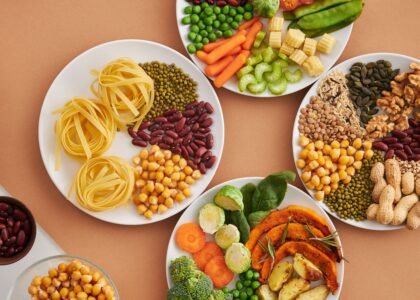
Healthy intake 😃 Balanzed living

Foods For Diabetes Control

A healthy diet plays a vital role in managing diabetes and maintaining stable blood sugar levels. Choosing nutrient-rich foods, controlling portion sizes, and eating balanced meals can help improve glucose control and reduce the risk of diabetes-related complications.

Introduction

Diabetes-friendly foods are rich in fiber, lean protein, healthy fats, vitamins, and minerals while being low in added sugars and refined carbohydrates. These foods help slow the absorption of glucose into the bloodstream and support healthy blood sugar management. While no single food can cure diabetes, incorporating the right foods into your daily diet, along with regular physical activity and medical care, can support overall health and well-being. This guide shows foods that suitable for diabetes control.

Foods For Diabetes Control

Essential Nutrients For Blood Sugar Management and Their Benefits


Nutrients

Benefits

Fiber

Helps Regulate Blood Sugar

Protein

Supports Satiety and Muscle Health

Magnesium

Supports Glucose Metabolism

Chromium

Supports Insulin Function

Omega-3 Fatty Acids

Supports Heart Health


Why Healthy Eating is Important for Diabetes

A balanced diet helps to:

  • Maintain stable blood sugar levels.
  • Improve insulin sensitivity.
  • Support heart health.
  • Promote healthy weight management.
  • Increase energy levels.
  • Reduce the risk of diabetes complications.


Best Foods for Diabetes Control

  • Whole Grains

Brown rice, oats, quinoa, whole wheat, and millets provide complex carbohydrates and dietary fiber.

  • Non-Starchy Vegetables

Spinach, broccoli, cauliflower, cucumber, tomatoes, and bell peppers are low in calories and rich in nutrients.

  • Fruits with a Low Glycemic Index

Apples, berries, oranges, pears, and guava can be enjoyed in appropriate portions.

  • Lean Protein

Fish, skinless chicken, eggs, lentils, beans, and tofu help maintain muscle mass and keep you full longer.

  • Healthy Fats

Avocados, almonds, walnuts, chia seeds, flaxseeds, and olive oil support heart health.

  • Low-Fat Dairy

Milk, yogurt, and cottage cheese provide calcium and protein.

Foods to Limit

  • Sugary beverages.
  • Sweets and candies.
  • White bread and refined flour products.
  • Deep-fried foods.
  • Processed snacks.
  • Highly processed meats.
  • Excess sugary desserts.

Healthy Eating Tips

  • Choose High-Fiber Foods

Fiber slows digestion and helps prevent rapid increases in blood sugar.

  • Control Portion Sizes

Eating moderate portions helps manage calorie intake and blood glucose levels.

  • Eat at Regular Times

Avoid skipping meals and maintain a consistent meal schedule.

  • Stay Hydrated

Drink plenty of water throughout the day.

  • Read Food Labels

Choose foods with less added sugar, sodium, and unhealthy fats.

Benefits of a Diabetes-Friendly Diet

  • Better blood sugar control.
  • Improved heart health.
  • Healthy weight management.
  • Increased energy levels.
  • Reduced risk of diabetes complications.
  • Better overall quality of life.

When to Consult a Healthcare Professional

Seek medical advice if you:

    • Experience frequent high or low blood sugar levels.
    • Notice unexplained weight loss.
    • Develop numbness or tingling in the hands or feet.
    • Have persistent fatigue or increased thirst.
    • Need personalized dietary guidance.

Can My Boss Fire Me Because of My Diabetes?


Rights

What It Means

Protection from Discrimination

Employers generally cannot fire someone simply for having diabetes.

Reasonable Accommodations

You may request breaks for blood sugar checks, insulin, or snacks during work.

Fair Performance Evaluation

Job performance should be assessed fairly, not based on a medical condition alone.

Right to Seek Help

If you believe you were treated unfairly because of diabetes, you can speak with HR or seek legal advice.

Can I Keep My Job With Type 1 Diabetes?

Yes. Most people with Type 1 diabetes can continue working successfully with proper blood sugar management, access to medication and supplies, and reasonable workplace support when needed.

What Snacks Should I Keep at My Desk for Diabetes Management?

Good desk snacks include nuts, roasted chickpeas, whole-grain crackers with peanut butter, unsweetened yogurt, cheese sticks, and glucose tablets or juice for treating low blood sugar emergencies.

What Jobs Are Best for People With Type 1 Diabetes?

Many careers are suitable, including office work, teaching, healthcare, technology, design, administration, and remote work. The best job is one that allows regular meal breaks, glucose monitoring, and access to diabetes supplies.

Can I Work in Food Service With Diabetes?

Yes. Many people with diabetes work in restaurants, catering, and other food service roles. Planning meal timing, carrying fast-acting glucose, staying hydrated, and monitoring blood sugar during busy shifts are especially important.

Is It Legal to Require Accommodations at Work for Diabetes?

In many countries, diabetes may qualify for workplace accommodations under disability or employment laws. Common accommodations include breaks for blood sugar checks, insulin administration, eating snacks, and storing medical supplies.

What’s the Worst Food for Your Blood Sugar?

Foods that cause the fastest blood sugar spikes are typically sugary drinks, candy, desserts, sweetened coffee beverages, and highly refined carbohydrates such as white bread and pastries.

Can I Get Free Diabetic Food Programs?

Possibly. Government nutrition programs, community food banks, diabetes charities, hospital assistance programs, and local social service organizations may provide food support or diabetes-related nutrition assistance depending on your location and eligibility.


Foods For Diabetes Control Diabetes-Friendly Foods Best Foods for Blood Sugar Control Healthy Diet for Diabetics Foods That Help Manage Diabetes# Foods For Diabetes ControlManaging diabetes involves more than taking medication—it also requires making consistent and informed food choices. The foods we eat have a direct impact on blood sugar levels, energy, and overall health. A balanced diet can help reduce blood sugar spikes, improve insulin sensitivity, support heart health, and maintain a healthy weight. Choosing the right foods is one of the most effective long-term strategies for diabetes management.## Why Food Matters in DiabetesWhen carbohydrates are digested, they are broken down into glucose, which enters the bloodstream. In people with diabetes, the body may not produce enough insulin or may not use insulin effectively, causing blood sugar levels to rise. This is why meal composition, portion size, and the quality of carbohydrates are so important.## Diabetes-Friendly Foods**Diabetes-Friendly Foods** are foods that provide nutrients while having a more gradual effect on blood sugar levels. These foods are often rich in fiber, protein, healthy fats, vitamins, and minerals. Some excellent choices include:* Leafy greens such as spinach, kale, and lettuce * Non-starchy vegetables like broccoli, cauliflower, cucumber, and bell peppers * Whole grains such as oats, brown rice, quinoa, and whole wheat products * Legumes including lentils, chickpeas, black beans, and kidney beans * Lean proteins such as fish, chicken, eggs, tofu, and low-fat dairy products * Healthy fats from nuts, seeds, avocados, and olive oilThese foods help promote fullness and provide a steadier release of glucose into the bloodstream.## Best Foods for Blood Sugar ControlMany people look for the **Best Foods for Blood Sugar Control** to include in their daily meals. Foods that combine fiber and protein are especially helpful because they slow digestion and reduce rapid glucose absorption. Oatmeal topped with nuts, Greek yogurt with berries, lentil soup, grilled fish with vegetables, and a mixed salad with beans are examples of balanced meals that can support blood sugar management.Fruits can also be included in moderation. Berries, apples, pears, oranges, and guava are often better choices than sugary fruit juices because whole fruits contain fiber, which helps slow sugar absorption.## Healthy Diet for DiabeticsA **Healthy Diet for Diabetics** does not mean avoiding all carbohydrates. Instead, it focuses on choosing high-quality carbohydrates and balancing them with protein and healthy fats. A practical plate method is to fill half the plate with non-starchy vegetables, one quarter with lean protein, and one quarter with whole grains or other high-fiber carbohydrates.Regular meal timing is also important. Skipping meals can sometimes lead to overeating later or cause fluctuations in blood sugar levels. Eating balanced meals at consistent times can help maintain more stable glucose levels throughout the day.## Foods That Help Manage DiabetesCertain **Foods That Help Manage Diabetes** may offer additional benefits. Foods rich in soluble fiber, such as oats, beans, and flaxseeds, can help improve blood sugar control. Fatty fish like salmon and sardines provide omega-3 fatty acids, which support heart health—a major concern for people with diabetes. Cinnamon, fenugreek, and other spices are sometimes studied for their potential effects on blood sugar, but they should not replace medical treatment or a balanced diet.## Foods to LimitWhile focusing on healthy foods, it is equally important to limit foods that can cause rapid blood sugar spikes. These include sugary beverages, candies, pastries, white bread, refined cereals, excessive fried foods, and highly processed snacks. Portion control is especially important with foods that are high in carbohydrates, even when they are healthier options.## Lifestyle Habits That Support Blood Sugar ControlNutrition works best when combined with other healthy habits. Regular physical activity, adequate sleep, stress management, and staying hydrated all contribute to better blood sugar regulation. Monitoring blood glucose levels as advised by a healthcare professional can also help identify how different foods affect the body.Balanzing supports healthy living by offering nutrient-rich food products that complement a balanced diet and active lifestyle. When combined with smart food choices, regular exercise, proper sleep, and medical guidance, these habits can support long-term diabetes management and overall wellness.Choosing the right **Foods For Diabetes Control** can make a significant difference in managing blood sugar levels and improving overall health. By including **Diabetes-Friendly Foods**, focusing on the **Best Foods for Blood Sugar Control**, following a **Healthy Diet for Diabetics**, and regularly eating **Foods That Help Manage Diabetes**, individuals can build a sustainable eating pattern that supports energy, heart health, weight management, and long-term well-being.# Foods For Diabetes ControlDiabetes is a long-term condition that affects how the body uses glucose, the main source of energy for our cells. One of the most effective ways to manage diabetes is through healthy eating. The right food choices can help keep blood sugar levels more stable, improve energy levels, support heart health, and reduce the risk of complications. A balanced diet does not mean giving up all favorite foods; it means choosing foods that nourish the body and help maintain better blood sugar control.## Understanding Blood Sugar and FoodCarbohydrates have the greatest effect on blood glucose levels because they are broken down into sugar during digestion. However, not all carbohydrates are the same. Highly refined carbohydrates, such as white bread, pastries, and sugary drinks, are digested quickly and can cause rapid spikes in blood sugar. In contrast, fiber-rich carbohydrates are digested more slowly and lead to a steadier rise in glucose levels. This is why choosing high-quality carbohydrates is an important part of diabetes management.## Diabetes-Friendly Foods**Diabetes-Friendly Foods** are foods that provide essential nutrients while helping prevent sudden blood sugar fluctuations. Some of the best options include leafy greens, broccoli, cauliflower, cucumbers, tomatoes, carrots, and other non-starchy vegetables. These foods are low in calories, rich in vitamins and minerals, and high in fiber.Whole grains such as oats, brown rice, quinoa, and whole wheat products are also beneficial because they contain more fiber than refined grains. Legumes, including lentils, chickpeas, black beans, and kidney beans, are excellent choices because they provide both carbohydrates and protein, which helps slow digestion and improve fullness.## Best Foods for Blood Sugar ControlWhen looking for the **Best Foods for Blood Sugar Control**, it is helpful to focus on foods that combine fiber, protein, and healthy fats. Examples include oatmeal topped with nuts, Greek yogurt with berries, grilled fish with vegetables, boiled eggs with whole-grain toast, and lentil soup with a side salad. These meals are more balanced and less likely to cause sharp glucose spikes.Fruits can still be part of a diabetes-friendly diet when eaten in appropriate portions. Berries, apples, pears, oranges, and guava are often better choices than fruit juices because whole fruits contain fiber, which slows the absorption of natural sugars.## Healthy Diet for DiabeticsA **Healthy Diet for Diabetics** is not about eliminating carbohydrates completely. Instead, it emphasizes portion control and balanced meals. A simple plate method is to fill half the plate with non-starchy vegetables, one quarter with lean protein such as fish, chicken, tofu, or eggs, and one quarter with whole grains or other high-fiber carbohydrates. Healthy fats from avocados, nuts, seeds, and olive oil can also be included in moderation.Eating meals at regular times can help prevent extreme highs and lows in blood sugar. Skipping meals may lead to overeating later or cause glucose levels to become less predictable. Consistency is often more important than perfection.## Foods That Help Manage DiabetesCertain **Foods That Help Manage Diabetes** may offer additional benefits beyond basic nutrition. Oats and beans contain soluble fiber, which can help improve blood sugar regulation. Fatty fish such as salmon and sardines provide omega-3 fatty acids that support heart health, which is especially important for people with diabetes. Unsweetened yogurt and fermented foods may also support gut health, which is increasingly being studied in relation to metabolic health.## Foods to LimitIt is equally important to reduce foods that can cause rapid glucose increases. Sugary beverages, candies, desserts, refined bakery products, excessive fried foods, and highly processed snacks should be limited. Even healthier carbohydrate foods can raise blood sugar if eaten in very large portions, so portion awareness remains important.## Lifestyle Habits That Support Better Blood Sugar ControlFood is only one part of diabetes management. Regular physical activity, adequate sleep, stress management, staying hydrated, and following medical advice all contribute to better blood sugar control. Monitoring blood glucose levels can help individuals understand how different foods affect their bodies.Balanzing supports healthy living by offering nutrient-rich food products that complement a balanced diet and active lifestyle. Combined with smart food choices, regular exercise, proper sleep, and medical guidance, these habits can support long-term diabetes management and overall wellness.Choosing the right **Foods For Diabetes Control** can make a significant difference in managing blood sugar levels and improving overall health. By including **Diabetes-Friendly Foods**, focusing on the **Best Foods for Blood Sugar Control**, following a **Healthy Diet for Diabetics**, and regularly eating **Foods That Help Manage Diabetes**, individuals can build a sustainable eating pattern that supports energy, heart health, weight management, and long-term well-being.# Foods For Diabetes ControlManaging diabetes is not just about avoiding sugar—it is about building a balanced eating pattern that helps keep blood glucose levels stable throughout the day. Food choices can influence energy levels, weight management, heart health, and the risk of long-term complications. By understanding which foods support blood sugar control and which foods may cause rapid spikes, individuals with diabetes can make more confident and sustainable dietary decisions.## Why Diet Is Important for DiabetesWhen we eat carbohydrates, they are broken down into glucose and released into the bloodstream. In people with diabetes, the body may not produce enough insulin or may not use insulin effectively, which can lead to higher blood sugar levels. A well-planned diet helps slow glucose absorption, reduce sharp blood sugar fluctuations, and improve overall metabolic health.## Diabetes-Friendly FoodsThe foundation of a diabetes-friendly diet is choosing foods that are rich in nutrients and lower in refined sugars. **Diabetes-Friendly Foods** often contain fiber, protein, healthy fats, vitamins, and minerals. Excellent choices include:* Leafy greens such as spinach, kale, and lettuce * Non-starchy vegetables like broccoli, cauliflower, cucumber, and bell peppers * Whole grains such as oats, quinoa, brown rice, and whole wheat products * Legumes including lentils, chickpeas, black beans, and kidney beans * Lean proteins such as fish, chicken, eggs, tofu, and low-fat dairy products * Healthy fats from nuts, seeds, avocados, and olive oilThese foods help promote fullness and usually have a more gradual effect on blood sugar levels than highly processed snacks and refined grains.## Best Foods for Blood Sugar ControlMany people search for the **Best Foods for Blood Sugar Control** because they want practical meal ideas. Meals that combine fiber and protein are particularly helpful. Examples include oatmeal with nuts, Greek yogurt with berries, grilled salmon with vegetables, lentil soup with a side salad, and whole-grain toast with eggs. Fiber slows digestion, while protein helps reduce rapid glucose spikes after meals.Whole fruits can also be included in moderation. Berries, apples, pears, oranges, and guava are often better choices than fruit juices because they contain natural fiber, which helps slow sugar absorption.## Healthy Diet for DiabeticsA **Healthy Diet for Diabetics** does not require eliminating all carbohydrates. Instead, it focuses on choosing high-quality carbohydrates and balancing them with protein and healthy fats. A simple plate method is often recommended: half the plate with non-starchy vegetables, one quarter with lean protein, and one quarter with whole grains or other high-fiber carbohydrates. This approach helps create balanced meals without complicated calculations.Meal timing is also important. Eating at regular intervals can help maintain steadier blood sugar levels and reduce excessive hunger that may lead to overeating. Consistency is often more effective than following overly restrictive diets.## Foods That Help Manage DiabetesCertain **Foods That Help Manage Diabetes** may offer additional benefits. Oats and beans contain soluble fiber, which can help improve glucose regulation. Fatty fish such as salmon and sardines provide omega-3 fatty acids that support heart health, which is especially important because people with diabetes have a higher risk of cardiovascular disease. Nuts and seeds provide healthy fats, protein, and minerals that can help improve satiety and reduce cravings for less nutritious foods.## Foods to LimitWhile focusing on healthy foods, it is equally important to limit foods that can cause rapid blood sugar increases. Sugary beverages, candies, pastries, white bread, refined cereals, excessive fried foods, and highly processed snacks are best consumed sparingly. Portion control remains important even with healthier carbohydrate foods.## Lifestyle Habits That Support Blood Sugar ControlNutrition works best when combined with other healthy habits. Regular physical activity, adequate sleep, stress management, staying hydrated, and following medical guidance all contribute to better blood sugar control. Monitoring glucose levels can help individuals understand how specific foods affect their bodies.Balanzing supports healthy living by offering nutrient-rich food products that complement a balanced diet and active lifestyle. Combined with smart food choices, regular exercise, proper sleep, and medical guidance, these habits can support long-term diabetes management and overall wellness.## ConclusionChoosing the right **Foods For Diabetes Control** can make a significant difference in managing blood sugar levels and improving overall health. By including **Diabetes-Friendly Foods**, focusing on the **Best Foods for Blood Sugar Control**, following a **Healthy Diet for Diabetics**, and regularly eating **Foods That Help Manage Diabetes**, individuals can build a sustainable eating pattern that supports energy, heart health, weight management, and long-term well-being.

Disclaimer

The information provided on this website is collected and compiled from publicly available sources for general informational purposes only.

Leave a Reply

Your email address will not be published. Required fields are marked *

Comments

  1. Balanzing explained diabetes workplace rights in a very clear and easy-to-understand way. The article helped me understand accommodations, blood sugar management at work, and the protections employees may have. A very informative resource for anyone living with diabetes and trying to balance health and career.

Table of Contents