
Healthy BMI For Children
Every child grows at their own pace, and healthy growth is influenced by genetics, nutrition, physical activity, sleep, and overall health. One of the tools healthcare professionals use to monitor a child's growth is the Body Mass Index (BMI).
Introduction
Body Mass Index (BMI) is a calculation based on a child's height and weight. Rather than using a fixed number, children's BMI is compared with growth charts to determine whether they are within a healthy range for their age and sex. BMI is only a screening tool and should always be interpreted by a healthcare professional along with the child's overall growth, development, and medical history. This guide shows factors that affect a child's BMI.
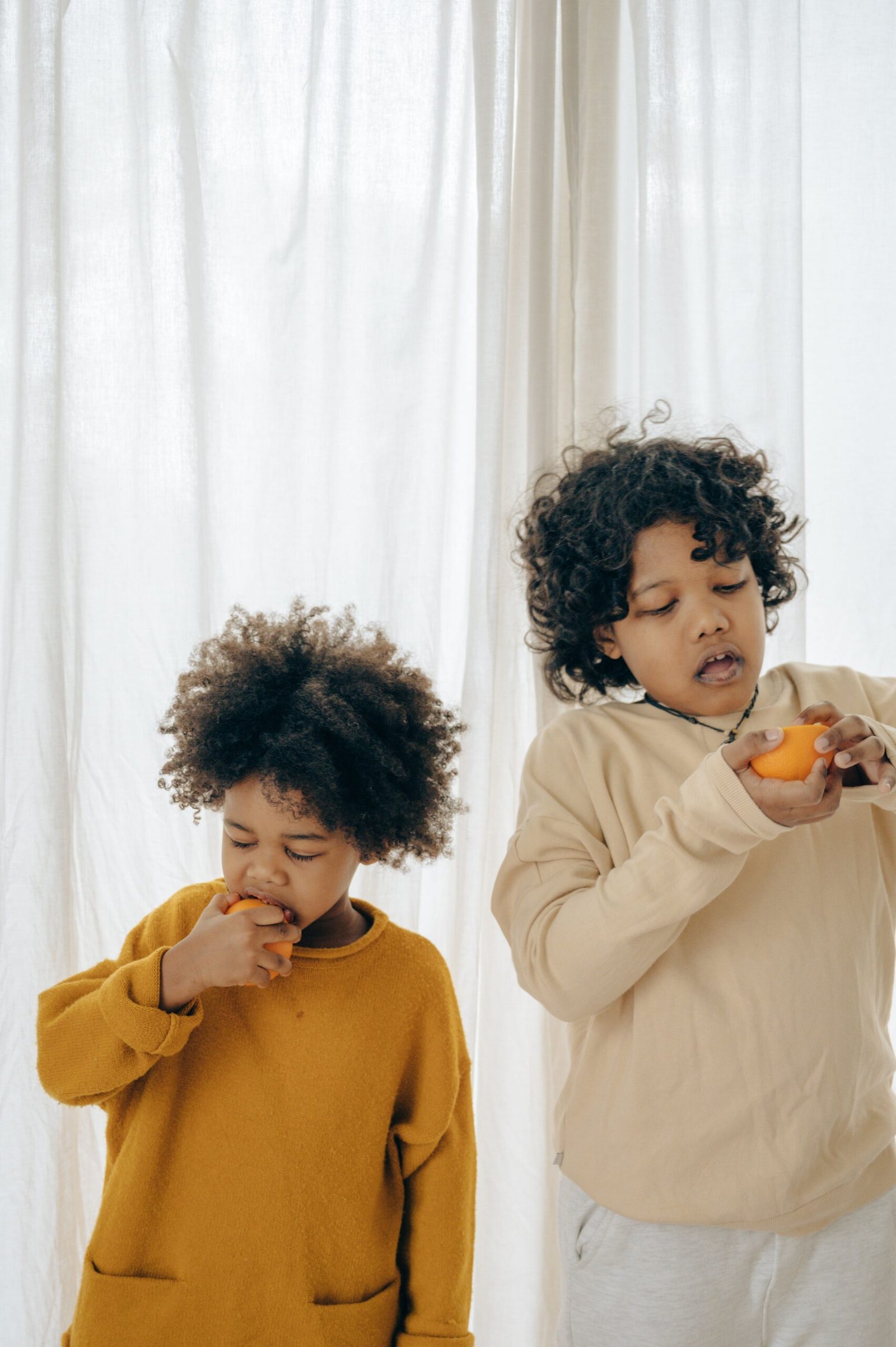
Essential Nutrients for Healthy Growth and Their Benefits
|
Nutrients |
Benefits |
|
Protein |
Supports Growth and Muscle Development |
|
Calcium |
Builds Strong Bones and Teeth |
|
Vitamin D |
Supports Bone Health |
|
Iron |
Supports Healthy Blood Cells |
|
Fiber |
Promote Healthy Digestion |
Factors That Influence a Child's BMI
-
- Genetics.
- Daily physical activity.
- Eating habits.
- Sleep quality.
- Hormonal changes.
- Medical conditions.
- Emotional well-being.
Healthy BMI Chart for Children (Approximate)
|
Age (Years) |
Healthy BMI Range |
|
2 |
14.5-18.0 |
|
3 |
14.3-17.8 |
|
4 |
14.1-17.6 |
|
5 |
13.9-17.4 |
|
6 |
13.8-17.6 |
|
7 |
13.8-18.0 |
|
8 |
13.9-18.5 |
|
9 |
14.0-19.0 |
|
10 |
14.2-19.6 |
|
11 |
14.5-20.3 |
|
12 |
15.0-21.2 |
Healthy Foods That Support a Healthy BMI
1.Whole Grains
- Oats.
- Brown rice.
- Whole wheat.
- Millets.
2.Lean Proteins
- Eggs.
- Fish.
- Chicken.
- Lentils.
- Beans.
3.Fruits
- Apples.
- Bananas.
- Berries.
- Oranges.
- Papaya.
4.Vegetables
- Spinach.
- Broccoli.
- Carrots.
- Tomatoes.
- Sweet potatoes.
5.Dairy Products
- Milk.
- Yogurt.
- Cheese.
Healthy Habits for Maintaining a Healthy BMI
- Encourage at least 60 minutes of physical activity daily.
- Offer balanced meals at regular times.
- Limit sugary drinks and highly processed snacks.
- Ensure adequate sleep according to age.
- Reduce unnecessary recreational screen time.
- Encourage outdoor play and family activities.
Signs Your Child is Growing Well
- Steady increase in height and weight.
- Good appetite.
- Active and energetic throughout the day.
- Healthy sleep pattern.
- Good concentration at school.
- Meets age-appropriate developmental milestones.
When Should Parents Seek Medical Advice?
Consult a healthcare professional if your child:
-
- Gains or loses weight rapidly.
- Shows poor growth over time.
- Has persistent eating difficulties.
- Appears unusually tired or inactive.
- Has concerns about growth or nutrition.
What Is the Healthy BMI Range for Children?
| BMI Percentile | Weight Category | What It Means |
|---|---|---|
| Below 5th percentile | Underweight | May indicate the child needs medical or nutritional evaluation. |
| 5th to Below 85th percentile | Healthy Weight | Considered a healthy BMI range for most children based on age and sex. |
| 85th to Below 95th percentile | Overweight | The child may be at increased risk of weight-related health problems. |
| 95th percentile and Above | Obesity | A healthcare provider should evaluate the child's growth and overall health to recommend appropriate care. |
What Is a Healthy BMI for My Child?
A healthy BMI for children depends on their age and sex. Healthcare providers use a Children's BMI Chart to compare your child's BMI with others of the same age and gender. A BMI between the 5th and 85th percentile is generally considered a healthy range.
Why Is BMI Different for Kids vs. Adults?
Unlike adults, children's bodies are constantly growing and developing. Their BMI changes with age and differs between boys and girls, so pediatricians use age- and sex-specific growth charts instead of fixed BMI ranges.
Is BMI a Good Measure of Child Health?
BMI is a useful screening tool but not a complete measure of health. It helps identify potential weight concerns, but factors such as diet, physical activity, genetics, growth patterns, and overall health should also be considered.
How Much Exercise Does My Child Need Daily?
Children aged 6–17 years should aim for at least 60 minutes of moderate to vigorous physical activity every day. Activities like running, cycling, swimming, dancing, and outdoor games help support healthy growth and maintain a healthy weight.
Should I Put My Child on a Diet?
Avoid putting your child on a restrictive diet unless advised by a healthcare professional. Instead, encourage balanced meals, healthy snacks, regular physical activity, and positive eating habits to support healthy growth.
When Should I Worry About My Child's Weight?
You should consult a healthcare provider if your child's weight changes rapidly, their BMI falls outside the healthy percentile range, or you notice concerns such as poor growth, low energy, breathing difficulties, or other health problems.
Does My Child Need a Pediatrician or Specialist for Weight?
If your child's weight is significantly above or below the recommended range, or if there are underlying medical concerns, a pediatrician can assess your child's growth and recommend appropriate treatment or refer you to a pediatric dietitian or specialist if needed.




Disclaimer
The information provided on this website is collected and compiled from publicly available sources for general informational purposes only.
Leave a Reply Cancel reply
Comments
Table of Contents
Toggle
This article on Healthy BMI For Children is very informative. Thanks to Balanzing for sharing practical tips on healthy eating, child growth, and maintaining a healthy lifestyle for kids.