
Healthy intake 😃 Balanzed living

Healthy Eating for Kids

Establishing healthy habits can help your kids to maintain a good health condition throughout their lives. Building good eating habits can give kids a bright future.

Introduction

Ensuring a good nutritional start for the pediatric population has a lifelong impact on growth, productivity, and quality of life. The right nutrition in the right amount leads to a healthier life as they grow. Eating patterns in children act as a foundation for long-term health. It shows the importance of developing a well-balanced and nutritious diet for children.

A nutritionally balanced diet in terms of carbohydrates, proteins, fats, vitamins, minerals, and water is essential. It enhances immunity by providing the daily requirement of nutrients to the body. Healthy eating habits provide a long and good quality of life without much disease. In this guide we discuss the foods suitable for kids, the benefits of providing nutrient foods to them, and foods that have to be avoided.
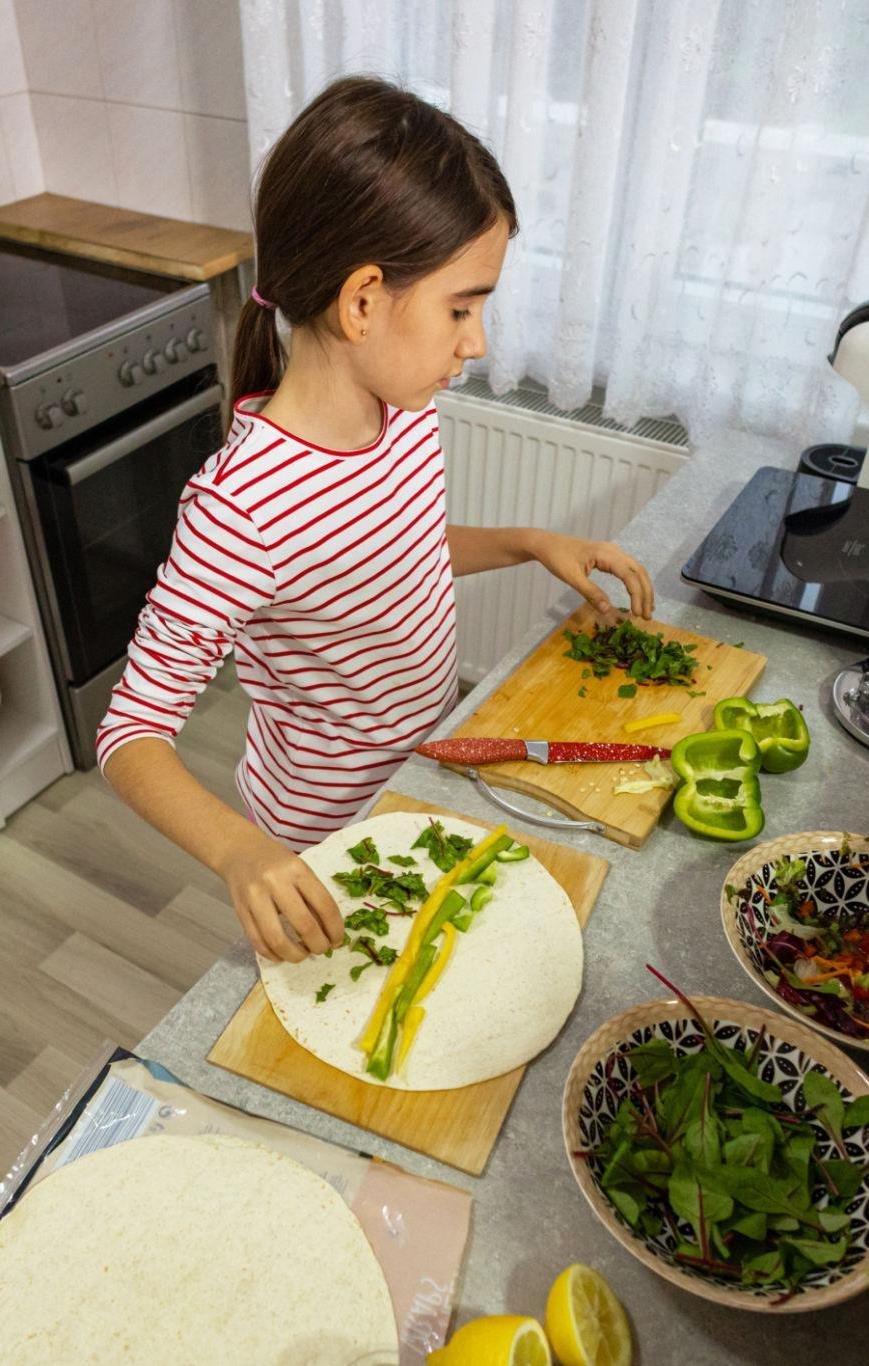
Healthy Eating for Kids

Key nutrients for kids and their benefits


Nutrients

Benefits

Protein

Growth

Calcium

Strong Bones

Iron

Energy

Vitamin A

Vision

Vitamin C

Immunity

Fiber 

Digestion

Groups of Foods for Kids

ENERGY GIVING FOODS

 Calories are a measure of energy. Energy is required for growth and physical activity (playing). The amount of energy needed depends on age, sex, anthropometric details and physical activities. Energy giving foods are rich in carbohydrates & fats, that form the primary fuel to provide the energy required for the body. The major sources of carbohydrates are cereals, millets, roots and tubers, sugar, honey, glucose, jaggery, etc. The major sources of fats are oil, butter, ghee, nuts etc

BODYBUILDING FOODS

 Body building foods are rich in protein and fats, the chief cellular substances. These supply the building material to the body and also make good wear & tear of tissues. A child must have enough protein in terms of quantity and quality. Foods rich in protein include milk, fish, meat, egg, pulses, and nuts.

PROTECTIVE FOOD

This group is rich in vitamins and minerals. These nutrients in the food prevent the onset of various diseases and also help the body in fighting against infection. The best way to ensure your child receives enough vitamins and minerals for normal growth, good vision, healthy skin, and development is to include green leafy vegetables, fresh fruits (yellow and orange), dairy products, eggs, meat, whole grains and nuts in the diet.

Besides the above-mentioned nutrients, focus on Dietary fiber

DIETARY FIBER

 Fiber helps to maintain healthy gut microbiota and gives satiety. They help to regulate the bowel movements and thereby prevent constipation. Fiber is largely present in whole grains, whole pulses, vegetables, fruits etc.

Healthy Eating Habits for Kids

Eat a Balanced Breakfast

A nutritious breakfast helps children stay energized and focused throughout the day.

Include Fruits and Vegetables Daily

Eating fruits and vegetables provide essential vitamins, minerals, and antioxidants.

Choose Whole Grains

Whole grains provide long-lasting energy and support digestive health.

Encourage Healthy Snacks

Try to avoid sugary snacks and provide healthier options such as fruits, nuts, yogurt, or homemade snacks.

Keep Kids Hydrated

Drinking water can keep kids hydrated and it provides a healthier life.

Foods to Limit

While occasional treats are fine, children should limit:

  • Sugary drinks and soft drinks
  • Excessive sweets and candies
  • Highly processed snacks
  • Fast foods high in salt and unhealthy fats
  • Foods with excessive added sugar

Benefits of Healthy Eating for Kids

  • Supports healthy growth and development.
  • Strengthens the immune system.
  • Improves concentration and learning ability.
  • Promotes strong bones and muscles.
  • Encourages healthy weight management.

Common Problems Caused by Poor Eating Habits

  • Low energy and fatigue.
  • Poor concentration and learning difficulties.
  • Frequent illness due to weakened immunity.
  • Digestive problems such as constipation.
  • Increased risk of obesity and other health issues.

Why is healthy eating important for kids?

Healthy eating provides essential nutrients that support children's growth, brain development, immune function, energy levels, and overall well-being.

What are the best healthy foods for children?

Fruits, vegetables, whole grains, lean proteins, dairy products, nuts, and dry fruits are among the best healthy foods for children.

How can parents encourage healthy eating habits in kids?

Parents can encourage healthy eating by offering nutritious meals, setting a good example, involving children in meal preparation, and limiting processed foods.

What nutrients are most important for growing children?

Protein, calcium, iron, vitamin D, healthy fats, fiber, and essential vitamins and minerals are important for healthy growth and development.

How often should children eat healthy snacks?

Children can benefit from healthy snacks between meals to maintain energy levels and support their nutritional needs throughout the day.

Are dry fruits and nuts healthy for kids?

Yes, dry fruits and nuts provide vitamins, minerals, healthy fats, fiber, and protein that support growth, brain health, and overall nutrition.

How does healthy eating affect a child's academic performance?

A balanced diet can improve concentration, memory, learning ability, and energy levels, helping children perform better in school.

Food TypeExamplesBenefits for Kids
FruitsApples, Bananas, Oranges, BerriesProvide vitamins, minerals, antioxidants, and fiber for healthy growth and immunity.
VegetablesCarrots, Broccoli, Spinach, Sweet PotatoesSupport overall health, vision, digestion, and immune function.
Whole GrainsOats, Brown Rice, Whole Wheat BreadProvide long-lasting energy, fiber, and essential nutrients.
Protein FoodsEggs, Chicken, Fish, Beans, LentilsHelp build muscles, repair tissues, and support healthy growth.
Dairy ProductsMilk, Yogurt, CheeseProvide calcium, protein, and vitamin D for strong bones and teeth.
Healthy FatsNuts, Seeds, AvocadosSupport brain development, heart health, and energy needs.
Dry FruitsRaisins, Dates, Figs, ApricotsProvide natural energy, fiber, vitamins, and minerals.
Healthy SnacksAlmonds, Walnuts, PistachiosSupport brain health, concentration, and overall nutrition.
Water & Healthy DrinksWater, Milk, Fresh Fruit JuicesMaintain hydration and support overall body functions.
Balanced MealsCombination of all food groupsEnsure children receive complete nutrition for healthy growth and development.

How does Balanzing manage the diet plan of kids to provide a healthier life?

Healthier eating is one of the best gifts that parents can give to their children. It not only provides a healthier life but also provides happy smiles to your children. A child without any diseases is the dream of every parent. Balanzing makes this dream true by providing instructions for a balanced diet rich in proteins, fruits, vegetables, wholegrains, and essential nutrients that support growth, learning, and overall well-being.


Disclaimer

The information provided on this website is collected and compiled from publicly available sources for general informational purposes only.

Healthy Eating for Kids Healthy Foods for Children Kids Healthy Diet Plan Nutrition for Growing Children Healthy Eating Habits for Kids Healthy Eating for Kids – The Balanzing Guide to Better Nutrition and Healthy Growth Children require proper nutrition to support their physical growth, cognitive development, immune function, and overall well-being. Healthy eating habits established during childhood often continue into adulthood, making nutrition one of the most important foundations for lifelong health. At Balanzing, we believe that providing children with wholesome, nutritious foods helps them develop healthy lifestyles, maintain energy levels, and achieve their full potential. Through a balanced diet that includes fruits, vegetables, whole grains, proteins, and nutrient-rich dry fruits and nuts, parents can support their children's healthy development while encouraging positive eating habits. Healthy Eating for Kids Healthy eating for kids involves providing a variety of nutritious foods that supply the vitamins, minerals, protein, healthy fats, and carbohydrates needed for growth and development. Children have unique nutritional requirements because their bodies and brains are constantly growing. A healthy diet helps support strong bones, healthy muscles, proper brain function, and a strong immune system. At Balanzing, we encourage parents to focus on balanced meals that include foods from all major food groups. Healthy eating is not about strict dietary restrictions but rather about creating a positive relationship with food. Children who consume balanced meals are more likely to have stable energy levels, better concentration in school, improved mood, and a reduced risk of nutritional deficiencies. Healthy eating also helps children maintain a healthy weight and lowers the risk of developing lifestyle-related health conditions later in life. Encouraging regular meal times, limiting highly processed foods, and offering nutritious snacks can make a significant difference in a child’s overall health. Balanzing promotes natural and nutrient-dense food choices that help children receive the nourishment they need while enjoying delicious and satisfying meals. Healthy Foods for Children Healthy foods for children are those that provide essential nutrients without excessive amounts of added sugar, unhealthy fats, or artificial ingredients. Fruits, vegetables, whole grains, lean proteins, dairy products, and healthy snacks all play important roles in supporting children's nutritional needs. Reader Reviews Review 1 This is an excellent article on healthy eating for kids. The information is easy to understand and provides practical guidance for parents who want to improve their children's nutrition. The explanations about balanced diets, healthy snacks, and essential nutrients are very informative. Review 2 A well-written and educational article. I especially liked the section on healthy eating habits for kids. It offers realistic tips that parents can easily implement at home. Highly recommended for families looking to support healthy growth and development. Review 3 Very informative and engaging content. The article explains the importance of nutrition for growing children in a simple and effective way. The suggestions for healthy foods and balanced meal planning are extremely useful. Review 4 This article provides valuable insights into children's nutrition. It highlights the importance of healthy food choices and offers practical solutions for building lifelong healthy eating habits. A great resource for parents and caregivers. Review 5 One of the best articles I have read about healthy eating for kids. The content is comprehensive, easy to follow, and focused on real-life nutrition strategies that can benefit every child. Why Healthy Eating Matters for Kids Healthy eating plays a vital role in supporting children's physical growth, cognitive development, immune function, and overall well-being. Children who consume balanced meals rich in fruits, vegetables, whole grains, proteins, dairy products, nuts, and healthy fats are more likely to maintain steady energy levels, perform better academically, and develop strong immune systems. Good nutrition also helps children build healthy bones and muscles, maintain a healthy weight, and establish positive eating habits that can last throughout adulthood. Encouraging healthy eating from an early age helps reduce the risk of nutritional deficiencies and supports long-term wellness. Parents can make healthy eating enjoyable by offering a variety of colorful foods, involving children in meal preparation, and providing nutritious snacks such as fruits, vegetables, nuts, and dry fruits. Small, consistent changes in daily eating habits can have a significant positive impact on a child's overall health and future well-being. Call to Action Give your child the gift of better health through nutritious and balanced eating habits. Start incorporating wholesome foods into daily meals and encourage healthy choices that support growth, learning, and overall wellness. Choose nutrient-rich foods, healthy snacks, and balanced meal plans to help your child thrive every day. Begin your healthy eating journey today and build a strong foundation for a healthier, happier future for your children. Fresh fruits provide vitamins, antioxidants, and fiber that support digestion and immune health. Vegetables offer a wide range of nutrients that help support healthy growth and disease prevention. Whole grains such as oats, brown rice, and whole wheat products provide long-lasting energy and essential nutrients. Protein-rich foods such as eggs, fish, chicken, beans, and dairy products help build and repair body tissues while supporting muscle development. Healthy fats found in nuts, seeds, and certain oils contribute to brain development and overall health. Balanzing recognizes the value of dry fruits and nuts as healthy additions to children's diets. Almonds, walnuts, pistachios, raisins, dates, and figs provide valuable nutrients that support growth and development. These foods are rich in vitamins, minerals, healthy fats, and antioxidants that contribute to overall wellness. They can be enjoyed as snacks, added to breakfast cereals, mixed into smoothies, or incorporated into various meals. By offering a wide variety of healthy foods, parents can help children develop diverse tastes and encourage lifelong healthy eating habits. Kids Healthy Diet Plan A kids healthy diet plan should provide balanced nutrition throughout the day while meeting the unique needs of growing children. The goal is to ensure that children receive adequate nutrients from a variety of food sources while maintaining healthy eating patterns. A typical healthy diet plan begins with a nutritious breakfast that includes protein, whole grains, and fruits. Breakfast helps fuel children's bodies and minds, supporting concentration and learning throughout the day. Lunch should include a balance of vegetables, proteins, and whole grains, while dinner should provide additional nutrients to support growth and recovery. Healthy snacks play an important role in maintaining energy levels between meals. Instead of sugary snacks and processed foods, parents can offer fruits, yogurt, nuts, dry fruits, and other nutrient-rich options. Balanzing offers premium-quality dry fruits and nuts that can serve as convenient and nutritious snacks for children. Hydration is another essential component of a healthy diet plan. Encouraging children to drink water regularly helps support digestion, concentration, and overall health. Limiting sugary beverages and promoting healthy drink choices can further support wellness. A balanced diet plan should also be flexible and enjoyable. Children are more likely to maintain healthy eating habits when meals are appealing, varied, and appropriate for their age and activity level. Balanzing encourages families to make healthy eating a positive experience by involving children in meal planning and introducing new foods in creative ways. Nutrition for Growing Children Nutrition for growing children is essential because childhood is a period of rapid physical, mental, and emotional development. During these years, children require a wide range of nutrients to support healthy growth, strong bones, muscle development, and brain function. Protein is one of the most important nutrients for growing children because it supports tissue growth and repair. Calcium and vitamin D are critical for developing strong bones and teeth. Iron helps transport oxygen throughout the body and supports cognitive development, while vitamins and minerals contribute to immune health and overall wellness. Healthy fats play a particularly important role in brain development. Omega-3 fatty acids, found in foods such as walnuts and certain fish, support cognitive function and learning abilities. Fiber-rich foods help maintain digestive health and support healthy eating patterns. Balanzing promotes nutrient-rich foods that help meet the nutritional needs of growing children. Dry fruits and nuts provide valuable nutrients in a convenient form, making them excellent additions to balanced diets. Almonds offer vitamin E and healthy fats, walnuts provide omega-3 fatty acids, and dates contribute natural energy and essential minerals. Proper nutrition supports academic performance, physical activity, emotional well-being, and long-term health. Children who receive balanced nutrition are often better equipped to concentrate, learn, participate in activities, and maintain healthy growth patterns. Healthy Eating Habits for Kids Healthy eating habits for kids are developed through consistent guidance, positive role modeling, and supportive environments. Teaching children healthy eating habits at an early age helps establish behaviors that can last a lifetime. One important habit is eating regular meals and snacks throughout the day. Consistent meal times help regulate appetite and energy levels while preventing excessive hunger. Encouraging children to eat breakfast daily is particularly important because it provides the energy needed for learning and physical activity. Portion control is another valuable habit. Teaching children to recognize hunger and fullness cues helps promote healthy relationships with food. Parents can encourage mindful eating by minimizing distractions during meals and focusing on enjoying food together as a family. Limiting highly processed foods and sugary snacks can also contribute to healthier eating habits. Instead, offering nutrient-dense alternatives such as fruits, vegetables, yogurt, nuts, and dry fruits helps children develop preferences for healthier foods. Balanzing believes that parents play a critical role in shaping eating habits. Children often learn by observing adults, so demonstrating healthy food choices can have a powerful influence. Creating positive mealtime experiences and encouraging children to explore new foods can help build confidence and curiosity around healthy eating. Healthy eating habits also include staying hydrated, being physically active, and maintaining a balanced lifestyle. Together, these behaviors support long-term wellness and healthy development. Best Healthy Foods for Kids The best healthy foods for kids are those that provide a combination of essential nutrients, enjoyable flavors, and practical convenience. These foods support growth, development, and overall health while helping children build positive relationships with nutritious eating. Fresh fruits such as apples, bananas, berries, oranges, and grapes provide vitamins, minerals, and antioxidants. Vegetables including carrots, broccoli, spinach, and sweet potatoes contribute important nutrients that support growth and immunity. Whole grains such as oats, brown rice, and whole wheat bread provide lasting energy and fiber. Lean proteins such as eggs, chicken, fish, beans, and yogurt help support muscle development and overall growth. Balanzing emphasizes the nutritional benefits of premium dry fruits and nuts for children. Almonds, walnuts, pistachios, raisins, dates, and figs are among the best healthy snack options because they provide protein, healthy fats, vitamins, minerals, and natural energy. These foods are versatile, convenient, and suitable for school lunches, after-school snacks, and family meals. Dairy products such as milk, cheese, and yogurt provide calcium and protein that support bone health. Healthy beverages such as water and milk help maintain hydration and support overall wellness. The best healthy foods for kids are those that contribute to balanced nutrition while encouraging enjoyment and variety. By offering a wide range of nutrient-rich foods, parents can help children develop healthy eating patterns that support lifelong well-being. Conclusion Healthy eating is one of the most important investments parents can make in their children's future health and success. Through balanced nutrition, healthy food choices, and positive eating habits, children can receive the nutrients they need to grow, learn, and thrive. At Balanzing, we are committed to promoting wellness through high-quality dry fruits, nuts, and nutritious food choices that support healthy lifestyles. By focusing on healthy eating for kids, healthy foods for children, kids healthy diet plans, nutrition for growing children, healthy eating habits for kids, and the best healthy foods for kids, families can create strong foundations for lifelong health, happiness, and well-being.

Leave a Reply

Your email address will not be published. Required fields are marked *

Comments

  1. Excellent article on healthy eating for kids! The information is clear, practical, and very helpful for parents. It provides valuable insights into balanced nutrition, healthy food choices, and positive eating habits that support children’s growth and development. Highly recommended for anyone looking to improve their child’s diet and overall well-being.

Table of Contents