
Healthy Snacks For Kids
Healthy snacks play an important role in supporting a child's growth, development, and daily energy needs. Nutritious snacks help bridge the gap between meals, provide essential vitamins and minerals, and keep children active throughout the day.
Introduction
Healthy snacks are nutrient-rich foods that provide energy and essential nutrients without excessive sugar, salt, or unhealthy fats. They should include a balance of protein, healthy carbohydrates, fiber, and healthy fats to support children's physical and mental development. Choosing wholesome snacks over processed, sugary foods can support healthy growth, improve concentration, and encourage lifelong healthy eating habits. This guide shows healthy snacks that are needed for kids.
Essential Nutrients for Growing Children and Their Benefits
|
Nutrients |
Benefits |
|
Protein |
Growth and Muscle Development |
|
Calcium |
Strong Bones and Teeth |
|
Iron |
Healthy Blood Cells |
|
Fiber |
Healthy Digestion |
|
Vitamin C |
Immune Support |
Best Healthy Snacks for Kids
-
- Fresh Fruits
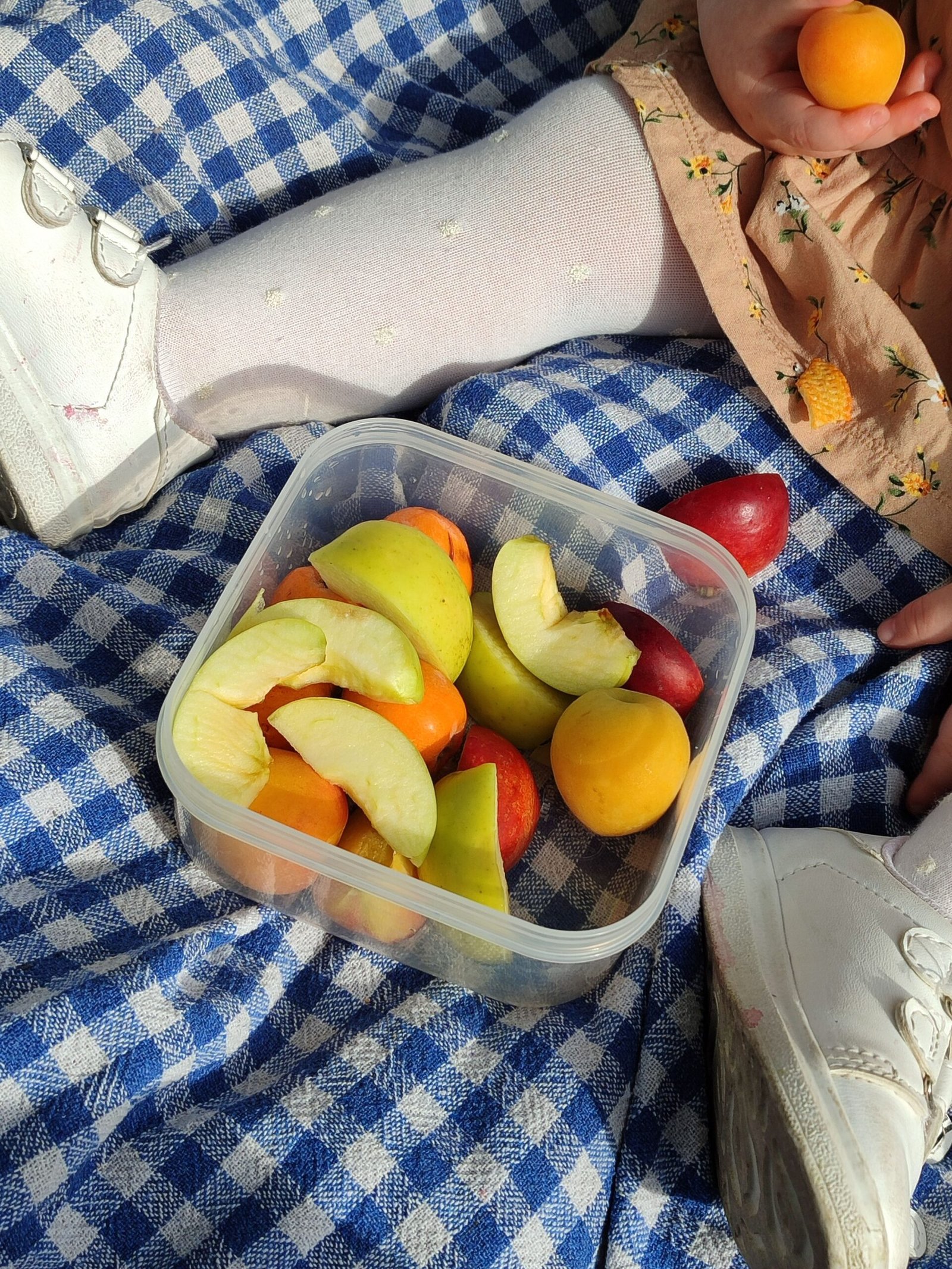
Apples, bananas, oranges, grapes, berries, and seasonal fruits provide vitamins, fiber, and natural energy.
- Yogurt
Plain or low-sugar yogurt is rich in calcium, protein, and probiotics.
- Nuts and Seeds (Age-Appropriate)
Almonds, walnuts, and pumpkin seeds provide healthy fats and protein. Serve only in age-appropriate forms to reduce choking risk.
- Whole Grain Sandwiches
Whole wheat bread with peanut butter (if there is no allergy), cheese, or vegetable fillings makes a nutritious snack.
- Boiled Eggs
A rich source of protein, vitamins, and healthy fats.
- Vegetable Sticks
Carrots, cucumbers, and bell peppers served with healthy dips are colorful and nutritious.
- Homemade Smoothies
Blend fruits with milk or yogurt for a refreshing snack rich in vitamins and calcium.
- Roasted Chickpeas or Sprouts
Excellent sources of plant-based protein and fiber.
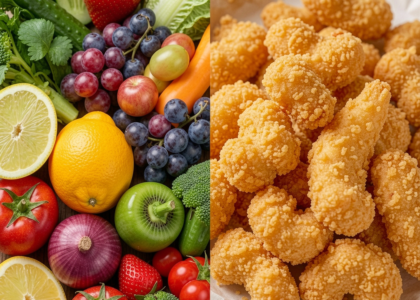
Foods to Limit
- Sugary candies.
- Soft drinks.
- Packaged chips.
- Cookies and pastries.
- Deep-fried snacks.
- Highly processed foods.
Benefits of Healthy Snacking
- Steady energy throughout the day.
- Better concentration at school.
- Healthy growth and development.
- Stronger immunity.
- Healthy weight maintenance.
- Improved digestive health.
Why Healthy Snacking is Important
Healthy snacks help to:
- Support healthy growth and development.
- Maintain energy levels.
- Improve concentration and learning.
- Prevent overeating during meals.
- Promote healthy eating habits.
- Support a strong immune system.
Healthy Snacking Tips
-
- Keep Portions Appropriate
Serve snacks in child-sized portions to avoid overeating.
- Choose Fresh Foods
Prefer homemade snacks over packaged and processed foods.
- Limit Sugary Foods
Reduce candies, sugary drinks, and highly processed snacks.
- Encourage Variety
Offer different fruits, vegetables, and healthy snacks throughout the week.
- Make Snacks Fun
Use colorful fruits and creative shapes to make healthy foods more appealing.
Organic vs. Conventional: Does It Matter for Kids' Snacks?
|
Factor |
Organic Snacks |
Conventional Snacks |
|
Pesticide Exposure |
Usually lower |
May be higher depending on the food |
|
Cost |
Generally more expensive |
Usually more affordable |
|
Nutritional Value |
Often similar |
Often similar |
|
Availability |
May be limited in some areas |
Widely available |
|
Best Priority for Parents |
Focus on whole, minimally processed foods |
Focus on whole, minimally processed foods |
What Are the Healthiest Snacks for Kids?
Healthy snacks usually combine fiber, protein, and healthy fats. Examples include fruit with yogurt, whole-grain crackers with cheese, nuts (if age-appropriate), vegetable sticks with hummus, and homemade trail mix.
What Should Kids Eat Before Sports Practice?
A snack eaten about 30–90 minutes before activity should provide easily digestible carbohydrates and a small amount of protein, such as a banana with peanut butter, yogurt with fruit, or a whole-grain sandwich.
Do Kids Really Need Snacks? How Many Per Day?
Many children benefit from 1–3 snacks per day, depending on age, activity level, and meal timing. Snacks help maintain energy levels between meals, especially for active children.
Fruit Snacks for Kids: Which Ones Are Actually Healthy?
The healthiest options are fresh fruit, frozen fruit, or dried fruit with no added sugar. Many packaged fruit snacks contain added sugars and offer less fiber than whole fruit.
Applesauce Pouches and Similar Snacks: Are They Healthy?
Unsweetened applesauce pouches can be a convenient option, but whole fruit is generally more filling because it contains more fiber and requires chewing.
How Many Calories Should Kid Snacks Have?
A typical snack for school-age children often falls around 100–250 calories, depending on age, growth needs, and activity level.
DIY Snack Bars vs. Store-Bought: Which Is Better?
Homemade snack bars usually allow better control over ingredients, sugar, and portion size. Store-bought bars can be convenient, but it is important to check the ingredient list and added sugar content.


Disclaimer
The information provided on this website is collected and compiled from publicly available sources for general informational purposes only.
Leave a Reply Cancel reply
Comments
Table of Contents
Toggle
I loved Balanzing’s healthy snacks guide for kids! The ideas were simple, practical, and perfect for busy parents. The lunchbox tips and pre-sports snack suggestions were especially helpful, and the article made healthy eating feel easy and realistic for everyday family life.