
Home Workouts
Doing workouts at home can give you more energy and a healthier life. People often forget to workout due to their busy social life. But this creates many health problems for them. So doing a workout at home without going to any other place like a gym provides a healthier life and avoids time loss.
Introduction
Home workouts allow individuals to exercise at their own pace and on their own schedule. They eliminate travel time, reduce costs, and make it easier to stay consistent with fitness goals. Whether you have a busy schedule, limited access to fitness facilities, or simply prefer exercising in a comfortable environment, home workouts offer flexibility and accessibility for people of all fitness levels. This guide shows types of home workouts and sample workout plans.
Nutrients to Support Home Workouts and Their Benefits
|
Nutrients |
Benefits |
|
Protein |
Muscle Recovery |
|
Carbohydrates |
Energy Source |
|
Potassium |
Muscle Function |
|
Calcium |
Bone Health |
|
Magnesium |
Muscle relaxation |
Types of Home Workouts
Bodyweight Training
Exercises that use your own body weight, such as squats, push-ups, lunges, and planks.
Cardio Workouts
Activities like jumping jacks, high knees, jogging in place, and skipping.
Strength Training
Using resistance bands, dumbbells, or household items to build strength.
Flexibility and Mobility Exercises
Stretching routines and mobility drills to improve movement.
Yoga and Mind-Body Workouts
Exercises that combine movement, breathing, and relaxation techniques.
Setting Up a Home Workout Space
- Choose a clean and clutter-free area.
- Ensure proper ventilation.
- Wear comfortable workout clothing.
- Keep water nearby for hydration.
- Use a fitness mat if available.
Sample 20-Minute Home Workout Routine
Warm-Up (5 Minutes)
- March in place
- Arm circles
- Light stretching
Main Workout (10 Minutes)
- Squats – 15 repetitions
- Push-ups – 10 repetitions
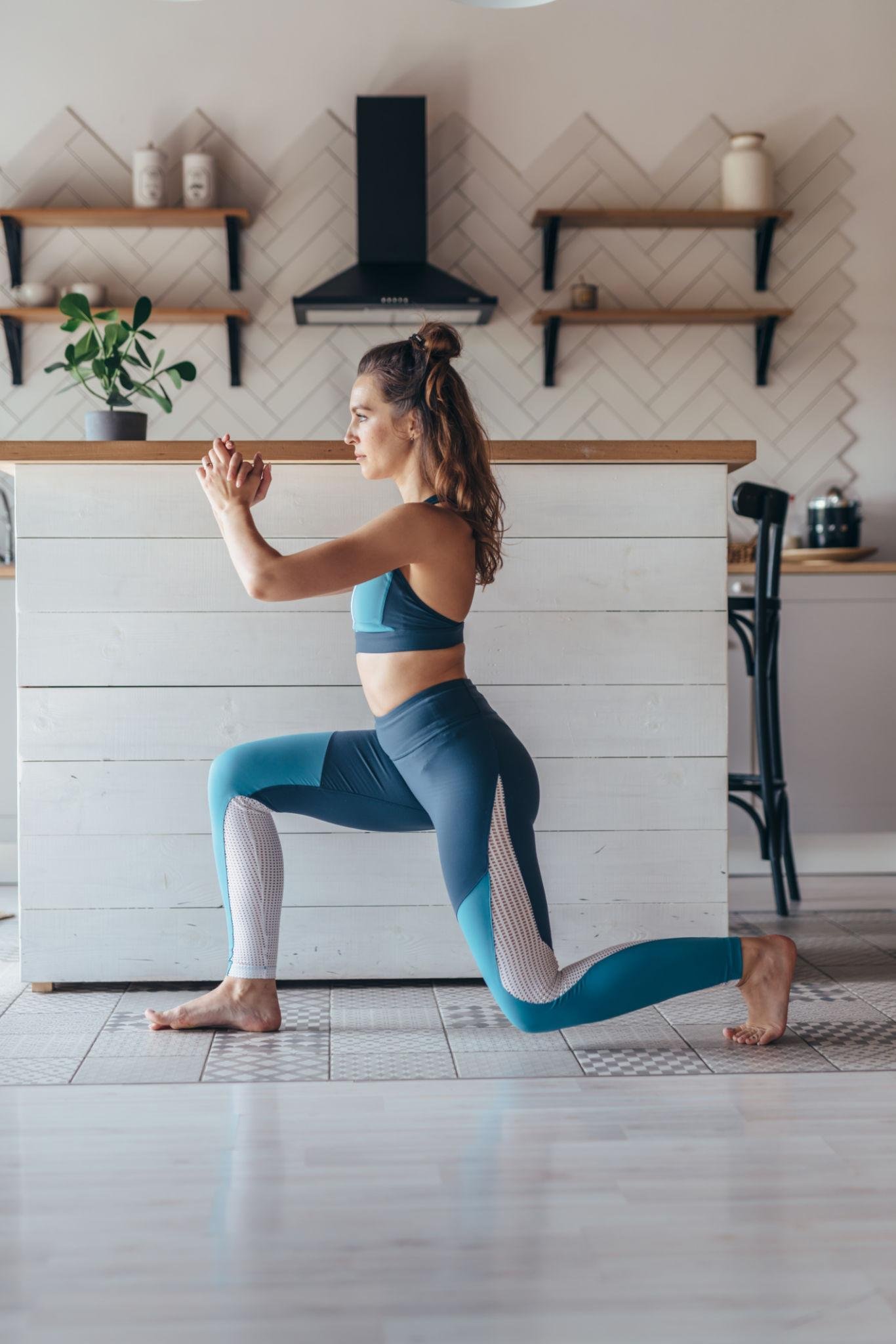
- Lunges – 10 repetitions per leg
- Plank – 30 seconds
- Jumping Jacks – 30 seconds
Repeat the circuit twice.
Cool Down (5 Minutes)
- Gentle stretching
- Deep breathing exercises
Common Challenges of Home Workouts
- Lack of motivation
- Household distractions
- Limited workout space
- Inconsistent routine
- No professional guidance
- Limited equipment
- Difficulty tracking progress
Fitness Goals Achievable Through Home Workouts
- Weight management.
- Improved cardiovascular fitness.
- Increased muscle strength.
- Better flexibility and mobility.
- Enhanced endurance.
- Overall health and wellness.
How Does How Does Balanzing Help to Provide Knowledge About Home Workouts?
Home workouts provide a practical and effective way to stay active regardless of your schedule or fitness level. With consistency, proper nutrition, and a structured routine, exercising at home can help support overall health, strength, and well-being. Balanzing helps to provide information about proper home workout plans. The key is to stay committed and make physical activity a regular part of your daily life.
What are the benefits of home workouts?
Home workouts improve strength, cardiovascular health, flexibility, weight management, and mental well-being while saving time and money.
Can I build muscle with home workouts?
Yes. Bodyweight exercises such as push-ups, squats, lunges, and planks, along with resistance bands or dumbbells, can help build muscle when performed consistently.
How often should I do home workouts?
Aim for at least 150 minutes of moderate exercise per week or 30–45 minutes of exercise, 4–5 days a week, depending on your fitness goals.
Do I need equipment for home workouts?
No. Many effective home workouts use only your body weight. Basic equipment like resistance bands or dumbbells can add variety but is not essential.
Are home workouts effective for weight loss?
Yes. Combining cardio exercises, strength training, and a balanced diet can help burn calories and support healthy weight loss.
What should I do before starting a home workout?
Begin with a 5–10 minute warm-up to prepare your muscles and joints, reduce the risk of injury, and improve exercise performance.
Can beginners do home workouts safely?
Yes. Beginners should start with simple exercises, focus on proper form, and gradually increase the intensity as their fitness improves.
What are the different types of home workouts?
| Home Workout Type | Description |
|---|---|
| Bodyweight Workouts | Exercises using your own body weight, such as push-ups, squats, lunges, and planks. |
| Strength Training | Uses dumbbells, resistance bands, kettlebells, or household items to build muscle strength. |
| Cardio Workouts | Includes jumping jacks, high knees, burpees, jogging in place, and mountain climbers to improve heart health. |
| HIIT (High-Intensity Interval Training) | Short bursts of intense exercise followed by brief rest periods for maximum calorie burning. |
| Yoga | Improves flexibility, balance, posture, and mental relaxation through controlled movements and breathing. |
| Pilates | Focuses on core strength, flexibility, posture, and controlled body movements. |
| Core Workouts | Targets abdominal and lower back muscles with exercises like planks, crunches, and leg raises. |
| Flexibility & Stretching | Enhances mobility, reduces muscle stiffness, and helps prevent injuries. |
| Dance Fitness | Combines dance routines with aerobic exercise for a fun and effective workout. |
| Circuit Training | Rotates through multiple exercises with minimal rest to improve strength and endurance. |
| Functional Training | Uses movements that mimic daily activities to improve balance, coordination, and overall fitness. |
| Resistance Band Workouts | Uses elastic resistance bands to strengthen muscles without heavy gym equipment. |
| Low-Impact Workouts | Gentle exercises suitable for beginners, seniors, or people recovering from injuries. |
| Mobility Workouts | Focuses on improving joint movement, flexibility, and range of motion. |
| Full-Body Workouts | Engages all major muscle groups in a single exercise session for overall fitness. |

Disclaimer
The information provided on this website is collected and compiled from publicly available sources for general informational purposes only.
Leave a Reply Cancel reply
Comments
Table of Contents
Toggle
This article by Balanzing is informative, easy to understand, and offers practical fitness tips for people of all ages. A great guide for building a healthier and more active lifestyle.