
Little Millet Health Benefits
As more people seek healthier and more nutritious food choices, traditional grains are making a strong comeback. Packed with essential nutrients, fiber, and plant-based goodness, Little Millet can be a valuable addition to a balanced diet.
Introduction
Little Millet is a small-seeded cereal grain widely cultivated in India and other parts of Asia. It is known for its adaptability, nutritional richness, and role in traditional diets. As a naturally gluten-free grain, it is often included in various healthy meal plans. This guide shows the importance and benefits of little millet.
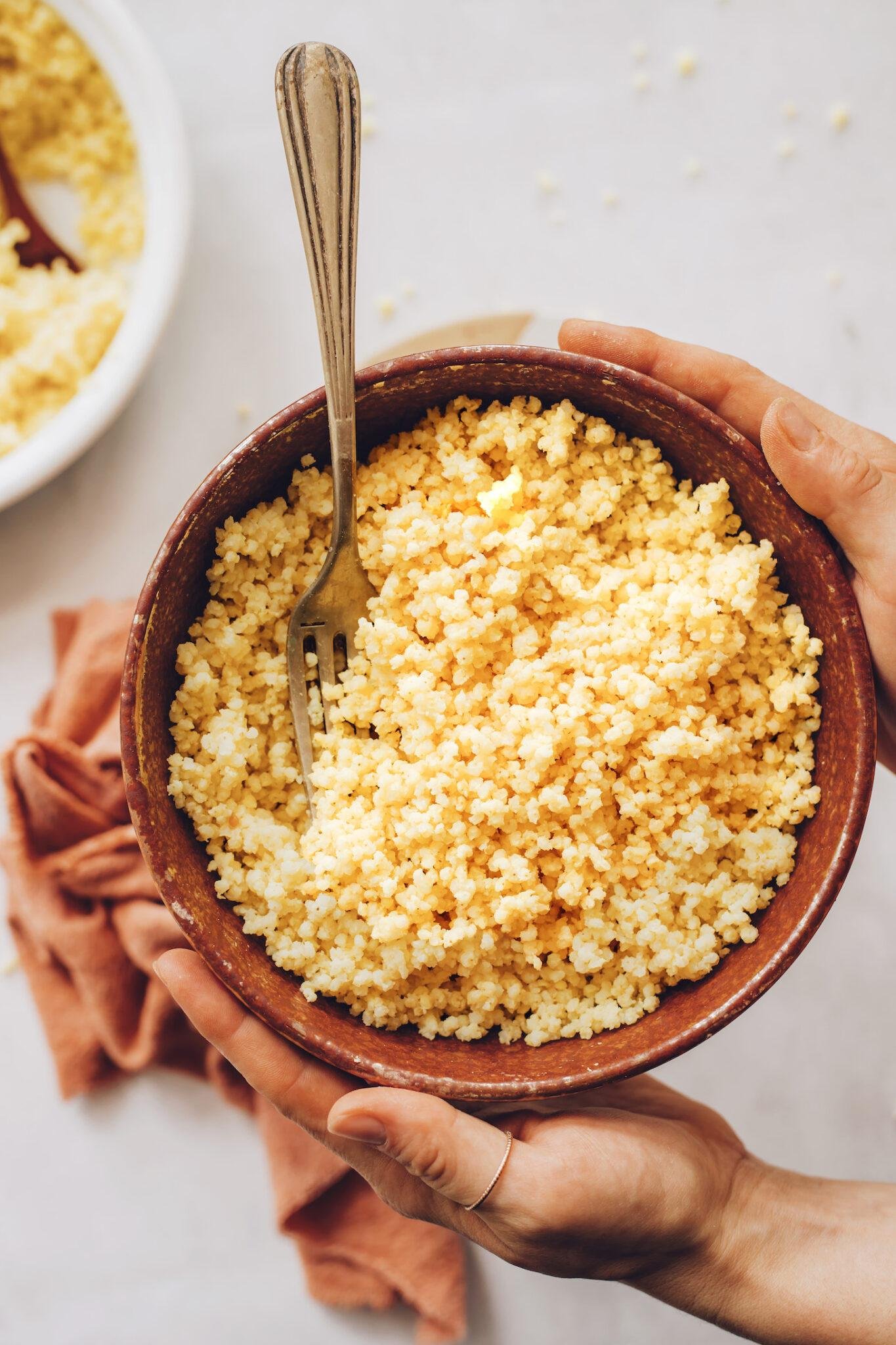
Key Nutrients in Little Millet and Their Benefits
|
Nutrients |
Benefits |
|
Dietary Fibre |
Supports Digestive Health |
|
Protein |
Supports Muscle Growth and Repair |
|
Iron |
Helps Maintain Energy Levels |
|
Phosphorous |
Supports Bone Health |
|
Potassium |
Helps Maintain Fluid Balance |
Importance of Little Millet in a Healthy Diet
- Provides essential nutrients.
- Supports dietary diversity.
- Fits well into balanced meal plans.
- Serves as a wholesome grain alternative.
- Contributes to overall wellness.
Health Benefits of Little Millet
Supports Digestive Health
The fiber content in Little Millet supports healthy digestion and regular bowel movements.
Helps Maintain Energy Levels
Its nutrient composition provides a steady source of energy for daily activities.
Supports Heart Health
Little Millet contains nutrients that contribute to overall cardiovascular wellness.
Supports Healthy Weight Management
The fiber content may help promote safety and support healthy eating habits.
Contributes to Bone Health
Minerals such as magnesium and phosphorus play important roles in maintaining healthy bones.
Supports Overall Metabolic Health
Little Millet contains essential nutrients that contribute to normal body functions.
Easy Ways to Include Little Millet in Your Diet
- Millet porridge.
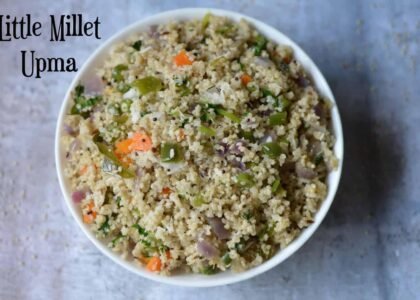
- Millet upma.
- Millet dosa.
- Millet khichdi.
- Millet salads.
- Millet-based snacks.
Who Can Include Little Millet?
- Children.
- Adults.
- Senior citizens.
- Fitness enthusiasts.
- Individuals seeking nutritious grain options.
Why Are Traditional Millets Making a Comeback?
- Increased awareness of healthy eating.
- Demand for nutrient-dense foods.
- Interest in traditional and sustainable food choices.
- Greater focus on balanced lifestyles.
- Growing popularity of whole-grain nutrition.
Healthy Eating Tips
- Include a variety of whole grains.
- Pair millet with vegetables and protein sources.
- Stay hydrated.
- Follow balanced meal portions.
- Maintain an active lifestyle.
How does Balanzing Use Little Millet in Your Diet Plan?
Little Millet is a nutrient-rich ancient grain that offers a range of nutritional advantages as part of a balanced diet. Its fiber, protein, vitamins, and minerals make it a valuable addition to healthy eating habits. Balanzing provides nutrient-rich little millets to the people who need it. By incorporating Little Millet into regular meals, individuals can enjoy a wholesome and versatile grain that supports overall wellness and a healthy lifestyle
Is little millet good for weight loss?
Yes. Little millet is rich in dietary fiber and protein, which help keep you full for longer, reduce unhealthy cravings, and support healthy weight management when included in a balanced diet.
Can people with diabetes eat little millet?
Yes. Little millet has a low glycemic index and releases glucose slowly into the bloodstream, helping maintain stable blood sugar levels. However, portion control is still important.
Is little millet healthier than white rice?
Yes. Little millet contains more fiber, protein, vitamins, and minerals than polished white rice. It also has a lower glycemic index, making it a healthier whole-grain alternative.
What nutrients are found in little millet?
Little millet is a good source of dietary fiber, protein, iron, magnesium, phosphorus, potassium, B vitamins, and antioxidants that support overall health and well-being.
Can little millet be eaten every day?
Yes. Little millet can be included in your daily diet as part of a balanced meal plan. Eating a variety of whole grains is also recommended to ensure a wide range of nutrients
Which millet is best for weight loss?
Little millet, foxtail millet, barnyard millet, and kodo millet are all excellent choices for weight loss because they are high in fiber, nutritious, and help keep you feeling full for longer.
Types of Millets and Their Health Benefits
| Type of Millet | Health Benefits |
|---|---|
| Pearl Millet (Bajra) | Rich in iron, magnesium, and fiber. Supports heart health, improves digestion, boosts energy, helps manage diabetes, and aids weight loss. |
| Finger Millet (Ragi) | Excellent source of calcium and amino acids. Strengthens bones and teeth, supports children’s growth, promotes weight loss, and helps control blood sugar levels. |
| Foxtail Millet | High in protein and dietary fiber. Helps regulate blood sugar, improves digestion, supports heart health, and promotes healthy weight management. |
| Little Millet | Rich in antioxidants, iron, and fiber. Aids digestion, supports weight loss, helps manage diabetes, improves gut health, and boosts immunity. |
| Kodo Millet | High in dietary fiber and antioxidants. Supports digestion, helps lower cholesterol, improves metabolism, and promotes healthy weight loss. |
| Barnyard Millet | Low in calories and high in fiber. Ideal for weight loss, supports blood sugar control, improves digestion, and provides sustained energy. |
| Proso Millet | Good source of protein and healthy carbohydrates. Supports muscle health, improves metabolism, provides long-lasting energy, and promotes heart health. |
| Sorghum (Jowar) | Rich in antioxidants, protein, and fiber. Supports digestive health, improves heart health, helps control blood sugar, and is naturally gluten-free. |
| Browntop Millet | Rich in dietary fiber and minerals. Helps detoxify the body, improves gut health, supports weight management, and promotes healthy digestion. |
Disclaimer
The information provided on this website is collected and compiled from publicly available sources for general informational purposes only.
Table of Contents
Toggle
No comments yet. Be the first to share your thoughts!