
Osteoporosis
Osteoporosis is a common bone condition that causes bones to become weak, fragile, and more prone to fractures. It often develops gradually over many years and may not show noticeable symptoms until a bone fracture occurs.
Introduction
Osteoporosis is a condition characterized by reduced bone density and deterioration of bone tissue, making bones weaker and more susceptible to fractures. Maintaining strong bones is essential for mobility, independence, and overall quality of life. Early awareness, proper nutrition, regular exercise, and healthy lifestyle habits can play a significant role in supporting bone health and reducing the risk of osteoporosis. This guide shows the importance of preventing osteoporosis.
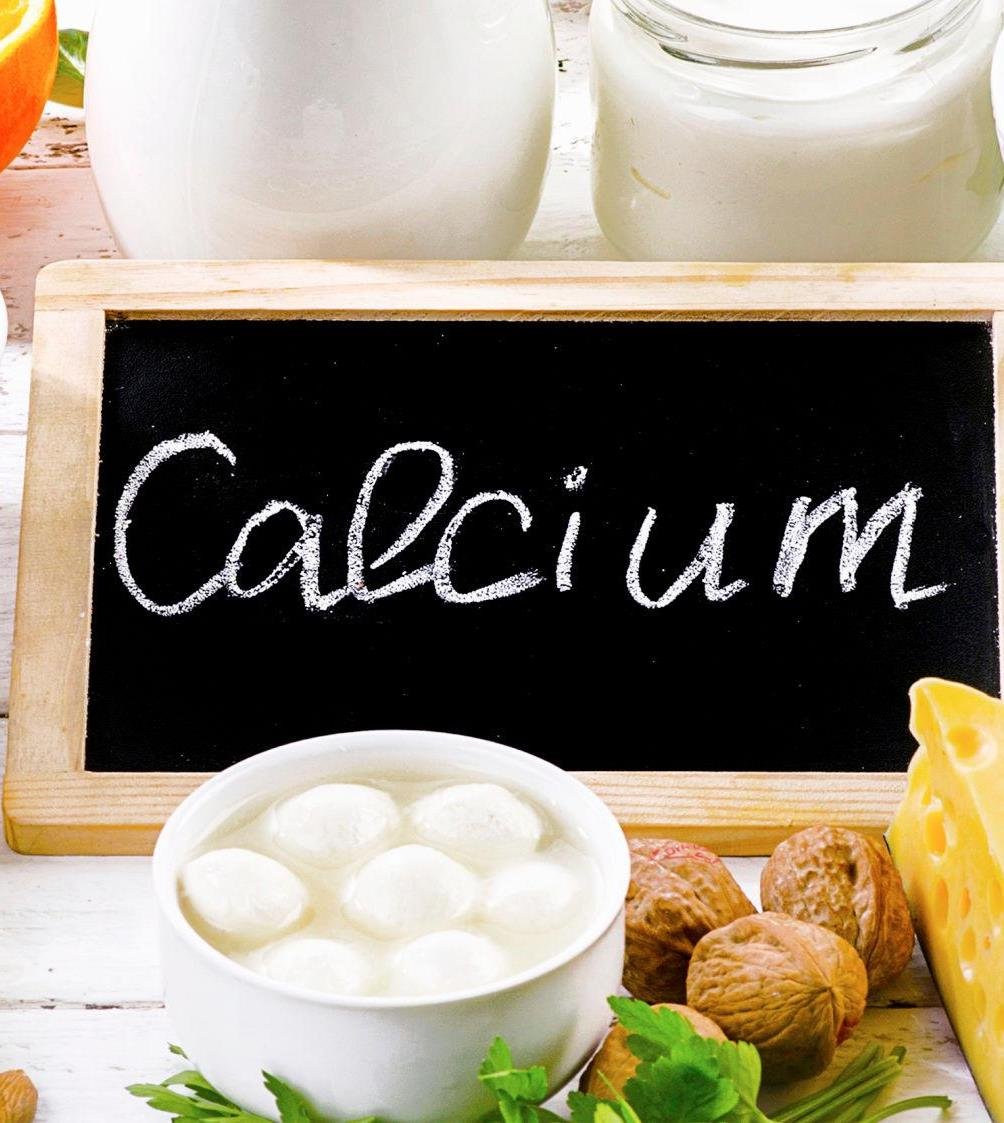
Essential Nutrients for Bone Health and Their Benefits
|
Nutrients |
Benefits |
|
Calcium |
Bone Strength |
|
Vitamin D |
Calcium Absorption |
|
Protein |
Bone and Muscle Support |
|
Phosphorus |
Bone Structure |
|
Vitamin K |
Bone Metabolism |
Importance of Preventing Osteoporosis
- Supports strong and healthy bones.
- Helps maintain mobility and independence.
- Reduces the risk of fractures.
- Supports overall physical health.
- Promotes healthy aging.
Common Causes and Risk Factors
Aging
Bone density naturally decreases with age.
Hormonal Changes
Hormonal changes can affect bone strength.
Calcium Deficiency
Insufficient calcium intake may impact bone health.
Vitamin D Deficiency
Vitamin D is essential for calcium absorption.
Physical Inactivity
Lack of weight-bearing exercise may weaken bones over time.
Family History
Genetics can influence bone density and fracture risk.
Smoking and Excessive Alcohol Use
These habits may negatively affect bone health.
Common Symptoms
Osteoporosis may not cause symptoms in its early stages. However, some signs may include:
- Back pain.
- Loss of height over time.
- Stooped posture.
- Bone fractures from minor falls or injuries.
- Reduced mobility.
Foods That Support Bone Health
Calcium-Rich Foods
- Milk.
- Yogurt.
- Cheese.
- Leafy green vegetables.
Vitamin D Sources
- Fatty fish.
- Egg yolks.
- Fortified foods.
Protein Sources
- Eggs.
- Fish.
- Lean meat.
- Beans and lentils.
Other Bone-Friendly Foods
- Nuts and seeds.
- Whole grains.
- Fruits and vegetables.
Complications of Osteoporosis
- Increased fracture risk.
- Reduced mobility.
- Chronic pain.
- Loss of independence.
- Reduced quality of life.
Benefits of Strong Bone Health
- Improved mobility.
- Better posture and balance.
- Reduced fracture risk.
- Enhanced physical independence.
- Support for healthy aging.
How Does Balanzing Help to Prevent Osteoporosis?
Osteoporosis is a common condition that can affect bone strength and overall quality of life. However, healthy lifestyle choices, balanced nutrition, regular exercise, and early awareness can help support bone health and reduce risk. Balanzing provides food products that improve bone health, which can be used in your diet plan.
Is Calcium Supplementation Actually Safe for Women?
Yes. Calcium supplementation is generally safe for women when taken at the recommended dosage and under medical guidance. Combining calcium with vitamin D and a balanced diet supports healthy bones while avoiding excessive intake.
What Are the First Signs of Osteoporosis in Women?
The first signs of osteoporosis in women are often subtle and may include loss of height, back pain, poor posture, or fractures from minor falls. Early screening helps detect bone loss before serious complications develop.
How Often Should You Test Bone Density?
Bone density testing is typically recommended every 1–2 years for people at high risk of osteoporosis. Your healthcare provider may adjust the frequency based on age, risk factors, and previous test results.
What Happens if Osteoporosis Goes Untreated?
Untreated osteoporosis can lead to progressive bone loss, increasing the risk of fractures, chronic pain, reduced mobility, and loss of independence. Early diagnosis and treatment help protect long-term bone health.
Why Is Vitamin D Critical for Your Bones?
Vitamin D is essential for healthy bones because it helps your body absorb calcium efficiently. Adequate vitamin D supports bone strength, reduces bone loss, and lowers the risk of osteoporosis and fractures.
What Foods Should You Avoid with Osteoporosis?
If you have osteoporosis, limit foods high in sodium, added sugars, excessive caffeine, and alcohol, as they may contribute to bone loss. Focus on a balanced diet rich in calcium and vitamin D.

Disclaimer
The information provided on this website is collected and compiled from publicly available sources for general informational purposes only.
Osteoporosis: Early Signs and Symptoms, Prevention Strategies for Anyone, How to Build STRONGER Bones After Menopause Bones are living tissue. They continuously rebuild, breaking down and replacing old bone with new bone throughout their lives. For the majority of your younger years, this cycle is in equilibrium — but somewhere around 30, balance begins to shift. Eventually, bone breakdown gradually outpaces the formation of new bone — and for millions of people, that quiet shift culminates in osteoporosis, a disease that weakens bones so they are much more likely to break. At Baalanzing, we often think of things around health that is not discussed until it is too late — bone health being perhaps the prime example. By the time most people find out they have osteoporosis, their bones may be breaking, which is why osteopororsis is often referred to as a "silent disease." Otherwise, for this time period a person will lost very much bone density. This is why osteoporosis awareness, learning how to maintain bone density postmenopause and developing daily (weekly, monthly or whatever) habits around preventing it in the first place are so important — preferably long before any kind of diagnosis comes into play. What Is Osteoporosis, Exactly? Osteoporosis literally means "porous bone." A healthy bone looks like a thick honeycomb under an electron microscope. Osteoporotic bone has bigger holes and thinner supports, making it less stable and more prone to fracture. When there is not enough bone mass, even minor movements — such as bending forward, coughing forcefully or stumbling gingerly — can lead to a fracture, most commonly at the hip, spine or wrist. Osteoporosis is a worldwide issue, impacting several hundred million individuals especially women after menopause. Approximately 1 in 3 women and 1 in 5 men aged>50 years will have an osteoporosis-related fracture during their lifetime. Osteoporosis itself isn't usually painful. It is its consequences that can be most serious: for instance, bone fractures which in older age groups threaten mobility and independence, and hence long term quality of life. A related, earlier stage of the disease is called osteopenia — this means that your bone density is low but has not yet fallen enough to be diagnosed with osteoporosis. That brings us to osteopenia producing an opportunity for intervention long before osteoporosis. Yes: As You Go Down The Bone Health Slide!Who's Most at Risk for Osteoporosis? Now, before we get to the early signs of osteoporosis, it helps to know who are most affected because risk is not evenly distributed. There are just some things which you can control and there others that you cant, but knowing where you stand will help figure out your level of proactivity. The uncontrolled risk factors are female gender (females originally have less bone mass than men and lose it much faster after menopause), older than 50 years of age, small or thin body type, white or Asian ethnicity and family history of osteoporosis/ fragility fractures. Early menopause (before 45) and a history of cycling amenorrhea (missed periods) also raises risk, since both go with less lifetime estrogen exposure. Avoidable risk factors are those which can actually be modified: insufficient intake of calcium and vitamin D, sedentary lifestyle, smoking, high alcohol consumption, and overweight status. Some medications — especially long-term use of corticosteroids, certain anti-seizure medications, and some cancer treatments — also speed bone loss; if you're on any of these for an extended period, it's worth a conversation with your physician about monitoring your bone density. It must also be clearly stated: Osteoporosis is not just a women's health issue. Osteoporosis-related fractures are responsible for about a quarter of hip and spine fractures in men, yet more underdiagnosed in males because osteoporosis is mainly talked about in relation to post-menopausal women. Men certainly also need to talk bone health with their own doctor, especially if they answer yes to one or more of these questions: Do you have risk factors for osteoporosis, such as low testosterone? Do you have a family history of osteoporosis? Have you been taking steroids long term? Early Symptoms of Osteoporosis: What to Look Out For The first signs of osteoporosis are generally subtle, easily dismissed (or mistaken for normal aging) because osteoporosis doesn’t announce itself like many diseases. Catching them sooner — and acting on it with a bone density test if you observe them — can help significantly in catching bone loss before it leads to fracture. Gradual loss of height. Osteoporosis is a disease that slowly thins your bones and makes them weaker, creating poky indentation areas in the vertebrae (backbone). After age 50, loss of one inch or more in height — known as "dowager's hump" — can be one of the first signs of osteoporosis. Usually, this occurs due to small compression fractures in the spine that do not get detected as they happen. A hunched or rounded upper back. Also known as kyphosis, it is when the spine's vertebrae become weak and begin compressing under normal daily pressure you might use while standing. One reason why it is often undiagnosed for some time is that high blood pressure advances gradually. Unspecified other back pain Ongoing or recurrent shoulder (or mid/low back) pain especially — without a clear injury history to explain it behind it — may be traced to tiny, debilitating fractures of vertebrae in the spine owing to brittle bone. Fractures from minor incidents. A fracture from a fall that should really not break a bone (a tumble from standing, even) is one of the most obvious signs of poor bone density, and it is often when osteoporosis is finally identified. Weaker grip strength. Further studies associate diminishing grip strength with decreased bone density because the muscles, tendons, and bones that support hand and wrist function often deteriorate in unison. Receding gums or dental changes. Some people experience changes in their teeth and gums, such as gum recession or even looser-looking teeth — which can be early but overlooked signs of osteoporosis. Brittle nails. Not a surefire sign on its own, but a useful secondary tip if it pops up together with other symptoms, as both nails and bones can weaken due to related nutritional and hormonal factors. These signs are not a diagnosis per se. However, if you see a few of them together — especially height loss, a stoop or an unaccustomed fracture — it may make sense to have the discussion with a doctor about getting a bone density scan (known as DEXA scanning), which is really how we define osteoporosis; that's actually how we diagnose it. Duration: 7 minutes Why This Stage of Life Is All That Matters for Bone Health After Menopause The years around menopause are probably the one life stage for which bone health should be the most focused priority. One of the most protective roles that estrogen plays in helping to maintain bone density is regulating these cells that manufacture and reabsorb bones. Then when estrogen levels plummet in menopause, that protective effect goes with it and bone loss can race ahead. Many women lose bone at a much more rapid rate than prior to menopause — in the first five to seven years, some seeing as much as 20% loss of density during this window. These are the very reasons postmenopausal osteoporosis is most common and why it pays to proactively work on bone health after menopause, rather than hoping for a wait-and-see approach. Here are some things to know about bone health after menopause: More emphasis on the bone density test. Most healthcare providers suggest getting a DEXA scan at baseline at approximately the time of menopause, particularly for women with other risk factors including a family history of osteoporosis, smaller body frame or history of smoking. EstrogenFrom October 2023 email — Excerpt Hormonal changes are legibly understood to increase a pulse of pre-cession but bone density. Lesser estrogen can therefore also impact muscle mass and stability, both of which are implicated in the risk of falls — relatively unsurprising as falls are themselves to this day the leading cause of fragility fractures. This is a far heavier onus than what has been the case till now. The direct relationship between diet, weight-bearing exercise and smoking or excessive alcohol consumption to bone outcomes becomes more evident during and after menopause. It's not just about calcium. Calcium intake is just one piece of the puzzle, but overall bone health post-menopause requires a balance of nutrients working in concert, making the case for more holistic approaches to nutrition and supplementation. It is also around this time that many first seek to learn more about what are the best supplements for bone health and tips on how to prevent osteoporosis — workshops and presentations that tend to be triggered by a disappointing result from a bone density test. The positive is that this period of life responds well to steady, intelligent behavior — even small continuous modifications can dramatically decrease the velocity of bone loss. Best Supplements for Bone Health Of course, diet should always be the first priority when it comes to bone density support (in fact in an ideal world I'd recommend achieved all your nutrition from whole foods for maximum bang for your buck 👉), but for plenty of us - particularly if you're navigating menopause-related bone loss or have been diagnosed with osteopenia - supplements plug nutrient gaps food can't fill on its own. Here's what researchers most often find when investigating the best supplements for bone health, and why each one is important. Calcium. Calcium is the principle mineral for bone strength, as bones retain approximately 99% of total calcium levels in our body. The average requirement for calcium is around 1,000–1,200 mg daily from a combination of food and supplements, with requirements often higher after menopause in women. Keep in mind, however, that the body cannot absorb more than ~500–600 mg of calcium at a time, which is why it's often recommended to spread intake throughout the day rather than take one big dose. Vitamin D — Calcium cannot work without vitamin D, as vitamin D is a facilitator of calcium absorption in the gastrointestinal tract. Vitamin D is one of the most widely recommended bone-health supplements because it can be tough to get enough vitamin D from diet alone, and sun exposure varies greatly by season, climate and skin type — so individuals who spend much time inside or in a geographic location where there is limited sunlight might need to supplement – like during winter months! Magnesium. Half of the magnesium found in the body resides in bone tissue, and magnesium is involved upstream from vitamin D so to speak. Another part of this is that most adults do not get enough magnesium through diet alone, which is why you see it increasingly paired with calcium and vitamin D in bone-health supplement regimens. Vitamin K2. This nutrient operates in the background, while it directs calcium from fat, so it deposits in the bones and not in your arteries. Not as widely recognized as calcium or vitamin d, but more recently making an appearance in the spotlight with research indicating its contribution to the bone mineralization process. Protein. Bone is not just mineral — nearly half of the bone volume is protein, mostly in the form of collagen that provides the flexibility to bone and helps with fracture resistance. Protein is essential for bone structure and muscle strength (to reduce falls occurring in the first place). Collagen peptides. Collagen is a structural component of the framework to which bone minerals adhere, and experts know this collagen–mineral relationship well; thus, some studies have explored the potential benefits of supplementing with collagen for bone health—particularly, but not only, when combined with calcium and vitamin D rather than alone. Just a note on approach: more is not always better. For instance, calcium taken beyond recommended amounts has been associated with other health issues, while some supplements (such as vitamin K) have drug interactions. As a general rule, at Baalanzing we advise you consider supplements as an addition to a healthy, whole-food only diet rather than replacement – and check in with your healthcare provider before even starting anything new in the first place (especially if you are already living with osteoporosis or other health conditions. Ways to Prevent Osteoporosis Today The good news is bone responds to work, too—of almost any kind and at nearly any age. Though you may not be able to turn back the clock, there's a lot that lies in your hands. Here are some practical osteoporosis prevention tips that will have a significant positive impact over the years. Prioritize weight-bearing exercise. My biggest tip is weight-bearing activities; things in which your bones are supporting your bodyweight — walking, dancing, stair climbing, or hiking to name a few — signal to the body that it needs to save bone density. Get a few minutes of movement every week – it doesn’t have to be hard work most days as opposed to an occasional rage fundraiser. Add strength training. All forms of resistance exercise — weight training, resistance band exercises and bodyweight movement build muscle and bone. More balanced muscles also translate into a lower risk of falling, another often neglected aspect of osteoporosis prevention. Calcium and vitamin D (aim for food first). Calcium It is found in high amounts trademark dairy products (yogurt, cheese), dark green leafy vegetables, enriched sugary milks and washed fish where you eat the soft bone (for example salmon or sardines) Make sure to pair them with Vitamin D (from sunlight, fortified foods or supplements as necessary). Don't smoke, and limit alcohol. Smoking is associated with reduced bone density and time for fracture to heal. Excessive alcohol uptake hampers calcium accommodation and amplifies extinguish danger — both in all the fittest it charges more than anyone knows. Watch your sodium intake. A diet high in sodium makes the body excrete, via urine, more calcium than it ingests; this process can lead to bone loss over time. One of the easiest ways to stop or mitigate this effect is by reducing your consumption of processed and packaged foods. Home based safety : Fall Prevention Falls are the most common cause of osteoporosis fractures, so relatively simple measures — taking out loose rugs, improving lighting, installing grab bars in bathrooms — can significantly reduce risk for adults. Get a Bone Density Test if You Are at Higher Risk You should discuss getting a DEXA scan with your doctor if you are postmenopausal, a woman over 65 with risk factors or have a family history of osteoporosis. The best way to prevent osteoporosis is here by far: early detection. Maintain a healthy body weight. Being severely underweight is an identified risk factor for poor bone density and excess weight puts further load-bearing stress on bones and joints. Maintaining a consistent, moderate weight—not excessive weight cycling—favors better long-term bone health. Discuss your medications with your doctor. Some medications, like tendons that stretch from the best steroids to grow muscle for specific areas. If you're on a drug with known bone effects, talk to your provider about whether monitoring or extra "bone-supportive" measures are appropriate for you. Be consistent, not perfect. Bone remodelling takes periods of months and years, not days. The key things that help prevent osteoporosis are what you can stick to — a daily walk, a breakfast with calcium, the supplement ritual you remember half of the week. Commonly Asked Questions On Osteoporosis and Bone Health Can osteoporosis be reversed? While osteoporosis can rarely be completely reversed, there are ways to dramatically slow its advancement and sometimes even partially rebuild bone density through a combination of weight-bearing exercise, appropriate nutritional intake (including calcium, vitamin D and other nutrients) and prescribed medications — when indicated. Earlier detection allows for more leeway. How — and when — should I think about preventing osteoporosis? And you would do this well before they ever show symptoms. This is a vital time for building strength and bone density as these natural decreases in bone height, mass, density or quality often absorb vitamin-derived HRT hormones but sometimes not entirely so it has been shown that peak bone mass typically occurs between the late 20s to early 30s meaning decades later those with the largest exercise generated passive nature (lean muscle vs. fat) also demonstrates strong evidence growth — particularly by diet during younger adulthood. However, it's never too late to start —- weight-bearing exercise and a diet with enough calcium still have real benefits in slowing bone loss later in life. How is osteoporosis actually diagnosed? DEXA (dual-energy X-ray absorptiometry) is a quick, painless imaging test that measures bone mineral density, most commonly from the hip and spine, and it remains the standard test. Results are reported as a T-score (a comparison with the highest average bone density level found in healthy 20-year-old women); a T-score of -2.5 or below generally indicates osteoporosis, whereas osteopenia is reflected by values between -1 and -2.5. Is good bone health after menopause unique to every woman? To some degree, yes. How quickly or deeply you lose bone after menopause depends on genetics, body size, levels of exercise and general health. It should be noted something like a decline in estrogen speeding up how fast the skeletal turnover happens is the mechanism, which applies to many people too, and hence bone density testing around menopause to people regardless of their risk factors is very common place.
Leave a Reply Cancel reply
Comments
Table of Contents
Toggle
This really hit home — I’m 52 and just started noticing I’m not as tall as I used to be, but I honestly chalked it up to ‘getting older’ and never connected it to osteoporosis. Booking a bone density scan this week just to be safe. Also didn’t know vitamin K2 played a role — always thought it was just calcium and D3! Thanks for breaking this down so clearly, Baalanzing .