
Panchakarma Detox Therapy
Panchakarma is one of the most renowned detoxification therapies in Ayurveda, designed to cleanse the body, restore internal balance, and promote overall wellness. The word Panchakarma means "five actions," referring to five specialized therapeutic procedures that eliminate accumulated toxins (Ama) from the body.
Introduction
According to Ayurveda, poor digestion, unhealthy lifestyle habits, stress, and environmental factors can lead to the accumulation of toxins in the body. These toxins may disturb the balance of the three doshas—Vata, Pitta, and Kapha—resulting in various health problems. Panchakarma focuses on removing these toxins, restoring dosha balance, strengthening digestion, and enhancing the body's ability to heal naturally. Unlike temporary detox programs, Panchakarma is a personalized treatment performed under the guidance of qualified Ayurvedic practitioners. It aims to improve physical health, mental clarity, and emotional well-being while supporting the body's natural healing processes. This guide shows the benefits of Panchakarma Detox Therapy.
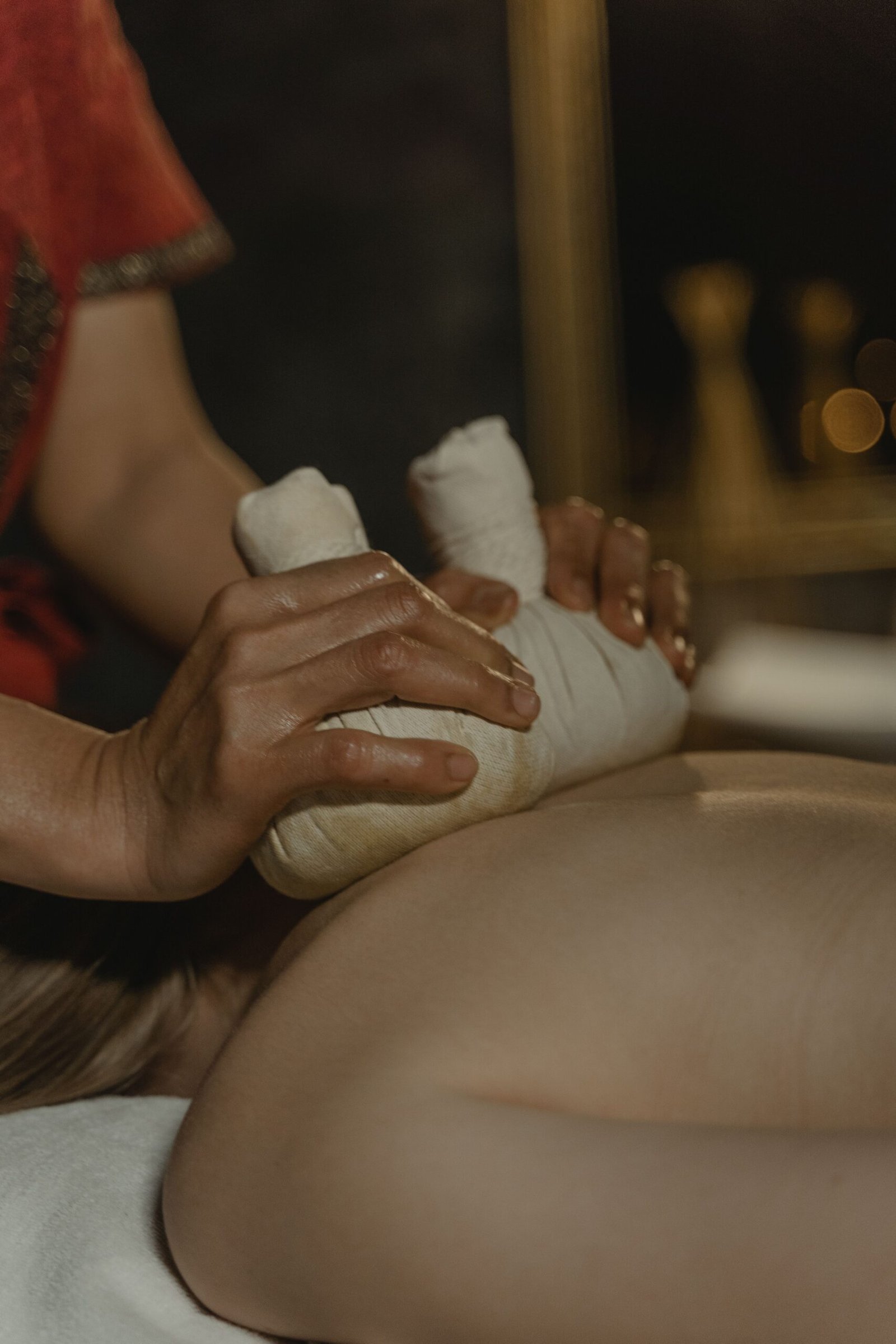
Essential Nutrients that Support Natural Detoxification and Their Benefits
|
Nutrients |
Benefits |
|
Fiber |
Supports Healthy Digestion |
|
Protein |
Helps Repair Body Tissues |
|
Vitamin C |
Supports Immunity |
|
Potassium |
Maintains Fluid Balance |
|
Vitamin E |
Protects Cells from Oxidative Stress |
The Five Main Panchakarma Therapies
-
- Vamana (Therapeutic Emesis)
A controlled cleansing procedure that helps remove excess Kapha from the body, particularly benefiting respiratory and skin-related conditions.
- Virechana (Therapeutic Purgation)
This therapy removes excess Pitta through the digestive tract and supports liver function, digestive health, and skin wellness.
- Basti (Medicated Enema)
Considered one of the most important Panchakarma treatments, Basti uses herbal oils or medicated decoctions to balance Vata and improve colon health, joint function, and nervous system health.
- Nasya (Nasal Therapy)
Herbal oils or medicines are administered through the nostrils to cleanse the head region, improve breathing, and support sinus, nasal, and neurological health.
- Raktamokshana (Blood Purification)
A specialized therapy used in selected cases to remove impurities from the blood under professional Ayurvedic supervision.
Health Benefits of Panchakarma
Regular Panchakarma therapy may help:
- Eliminate accumulated toxins.
- Improve digestion and metabolism.
- Strengthen immunity.
- Enhance energy and vitality.
- Support healthy skin.
- Improve sleep quality.
- Reduce stress and mental fatigue.
- Promote joint and muscle health.
- Restore hormonal balance.
- Improve overall well-being.
Who May Benefit from Panchakarma?
Panchakarma may be beneficial for individuals experiencing:
- Chronic stress.
- Poor digestion.
- Joint pain and stiffness.
- Frequent fatigue.
- Skin disorders.
- Allergies.
- Lifestyle-related health conditions.
- Recurrent headaches.
- Sleep disturbances.
- General weakness.
Diet During Panchakarma
A simple, easily digestible diet is generally recommended during therapy to support detoxification.
Recommended Foods
- Warm vegetable soups.
- Khichdi.
- Steamed vegetables.
- Fresh seasonal fruits.
- Herbal teas.
- Warm water.
Foods to Avoid
- Fried foods.
- Processed foods.
- Excess sugar.
- Carbonated beverages.
- Alcohol.
- Excess caffeine.
Lifestyle Recommendations
To maximize the benefits of Panchakarma:
- Get adequate rest.
- Practice gentle yoga.
- Meditate regularly.
- Stay well hydrated.
- Eat freshly prepared meals.
- Maintain a regular sleep schedule.
- Avoid excessive physical and mental stress.
Precautions
Panchakarma should:
-
- Be performed only under professional supervision.
- Be customized according to body constitution (Prakriti).
- Not be self-administered at home.
- Be avoided during certain medical conditions unless recommended by an Ayurvedic physician.
Who Should Consider Panchakarma Detox Therapy?
| Person/Condition | Potential Benefit |
|---|---|
| People with Digestive Discomfort | May help support healthy digestion and reduce bloating. |
| Individuals Feeling Fatigued | Can promote relaxation and support overall energy levels. |
| Those Experiencing High Stress | Ayurvedic therapies may help encourage mental relaxation and balance. |
| People Seeking Natural Wellness | Supports a holistic approach to health and well-being. |
| Individuals Following an Ayurvedic Lifestyle | Complements traditional Ayurvedic health and detox practices. |
| People Looking for Seasonal Cleansing | Often used as part of seasonal wellness routines in Ayurveda. |
| Wellness Enthusiasts | Helps support overall body balance when combined with healthy habits. |
| Adults Considering Detox Programs | Should undergo treatment under the guidance of a qualified Ayurvedic practitioner after a proper health assessment. |
Can Panchakarma Help With Digestive Problems and Bloating?
Yes. Panchakarma Detox Therapy may help improve digestion by supporting the body's natural cleansing processes. Many people report reduced bloating, improved appetite, and better digestive comfort after completing treatment under the guidance of a qualified Ayurvedic practitioner.
How Long Does Panchakarma Detox Take to Work?
The duration varies depending on individual health conditions and the treatment plan. A typical Panchakarma Detox Therapy program lasts between 7 and 21 days, although some people may notice improvements in energy and digestion within the first few days.
Panchakarma vs Colon Cleansing: Which Should I Choose?
Panchakarma Detox Therapy is a comprehensive Ayurvedic cleansing program that focuses on balancing the body, mind, and doshas through multiple therapies. Colon cleansing mainly targets the large intestine. If you're looking for holistic wellness, Panchakarma offers a broader approach.
What Should I Eat During Panchakarma Therapy?
During Panchakarma Detox Therapy, Ayurvedic practitioners often recommend light, freshly prepared meals such as khichdi, steamed vegetables, herbal teas, warm water, and easily digestible foods. Avoid processed foods, fried items, alcohol, caffeine, and heavy meals unless advised otherwise by your practitioner.
Does Panchakarma Help With Energy Levels and Fatigue?
Many people experience improved energy levels after completing Panchakarma Detox Therapy because the treatment focuses on restoring balance and supporting overall wellness. Results vary depending on individual health conditions and lifestyle habits.
Why Do People Cry During Panchakarma Treatments?
Some individuals may experience emotional release during Panchakarma Detox Therapy. Ayurveda considers emotional well-being an important part of overall health, and relaxation during treatment may bring suppressed emotions to the surface. This experience is not universal and varies from person to person.
Is Panchakarma Safe? What Are the Risks?
When performed by a qualified Ayurvedic practitioner, Panchakarma Detox Therapy is generally considered safe for suitable candidates. However, it may not be appropriate for everyone, including certain pregnant individuals or people with specific medical conditions. Always consult a qualified healthcare professional before beginning treatment.


Disclaimer
The information provided on this website is collected and compiled from publicly available sources for general informational purposes only.
Leave a Reply Cancel reply
Comments
Table of Contents
Toggle
Excellent article on Panchakarma Detox Therapy! Balanzing always shares informative wellness content that makes Ayurvedic healing easy to understand.