Healthy intake 😃 Balanzed living

PCOS/PCOD

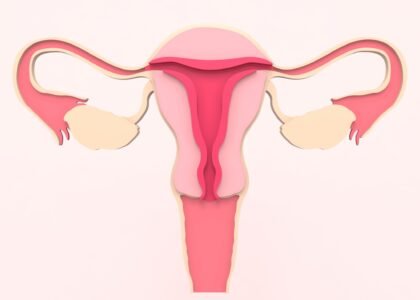
Polycystic Ovary Syndrome (PCOS) and Polycystic Ovarian Disease (PCOD) are among the most common hormonal conditions affecting women of reproductive age. These conditions can influence menstrual health, fertility, metabolism, and overall well-being.

Introduction

PCOD is a condition in which the ovaries produce immature or partially mature eggs that may develop into cysts over time. PCOS is a hormonal disorder that affects ovulation and is often associated with higher levels of male hormones (androgens), insulin resistance, and metabolic changes. Women can have happy lives even with PCOS/PCOD by following a healthy lifestyle. This guide shows the foods and lifestyles that help to manage PCOS/PCOD

Key Nutrients Needed For PCOS/PCOD Management and Their Benefits

Nutrients

Benefits

Fiber

Supports Blood Sugar Control

Protein

Satiety and Muscle Health

Magnesium

Hormonal Balance

Vitamin D

Metabolic and Bone Health

Iron

Energy Production

Importance of Understanding PCOS/PCOD

  • Promotes early diagnosis and management.
  • Supports reproductive health.
  • Helps maintain hormonal balance.
  • Reduces the risk of long-term complications.
  • Improves overall quality of life.

Common Causes of PCOS/PCOD

Hormonal Imbalance

Changes in hormone levels can affect ovulation and ovarian function.

Insulin Resistance

Many women with PCOS have difficulty using insulin effectively, which may contribute to hormonal changes.

Genetic Factors

A family history of PCOS may increase the likelihood of developing the condition.

Lifestyle Factors

Poor dietary habits, lack of physical activity, and excess weight can contribute to symptom severity.

Common Symptoms of PCOS/PCOD

  • Irregular or missed menstrual periods.
  • Weight gain or difficulty losing weight.
  • Excess facial or body hair growth.
  • Acne and oily skin.
  • Hair thinning or hair loss.
  • Difficulty conceiving.
  • Fatigue and mood changes.

Potential Health Risks

  • Insulin resistance and Type 2 diabetes.
  • Obesity.
  • High cholesterol levels.
  • Fertility challenges.
  • Increased risk of heart-related health concerns.

Foods That May Support Hormonal Health

  • Whole grains.
  • Leafy green vegetables.
  • Fruits rich in antioxidants.
  • Nuts and seeds.
  • Legumes and pulses.
  • Lean protein sources.
  • Healthy fats such as nuts and fatty fish.

Lifestyle Tips for Managing PCOS/PCOD

Maintain a Balanced Diet

Choose nutrient-dense foods and limit highly processed foods.

Stay Physically Active

Regular exercise supports weight management and insulin sensitivity.

Manage Stress

Stress management techniques may support hormonal balance.

Prioritize Sleep

Adequate sleep plays an important role in metabolic and hormonal health.

Monitor Health Regularly

Routine medical check-ups help track symptoms and overall health.

How Does Balanzing Help to Manage PCOS/PCOD?

Balanzing helps to manage PCOS and PCOD through providing healthy lifestyle choices, proper nutrition, regular physical activity, and medical support. Early intervention and consistent self-care can help improve symptoms, support hormonal balance, and enhance overall health. With the right approach, women with PCOS/PCOD can lead healthy, active, and fulfilling lives.

When should I consult a doctor for PCOD or PCOS?

You should consult a healthcare provider if you have irregular periods, excessive hair growth, persistent acne, unexplained weight gain, difficulty becoming pregnant, or other symptoms that may indicate a hormonal imbalance.

What are the common symptoms of PCOD and PCOS?

Common symptoms include irregular or missed periods, weight gain, acne, excessive facial or body hair, hair thinning, difficulty conceiving, and dark patches of skin caused by insulin resistance.

What causes PCOD and PCOS?

The exact cause is unknown, but genetics, hormonal imbalance, insulin resistance, obesity, inflammation, and lifestyle factors are believed to contribute to both conditions.

How are PCOD and PCOS diagnosed?

Diagnosis usually involves reviewing your medical history, performing a physical examination, conducting blood tests to check hormone levels, and using a pelvic ultrasound to evaluate the ovaries.

Can women with PCOD or PCOS become pregnant?

Yes. Many women with PCOD or PCOS can conceive with healthy lifestyle changes, medications to regulate ovulation, and fertility treatments when necessary.

Is there a permanent cure for PCOD or PCOS?

There is no permanent cure, but both conditions can be effectively managed through a balanced diet, regular exercise, weight management, medications, and routine medical follow-up.

Can lifestyle changes help manage PCOD and PCOS?

Yes. Eating a nutritious diet, exercising regularly, maintaining a healthy weight, getting enough sleep, and managing stress can significantly improve symptoms and support hormonal balance.

What is the main difference between PCOD and PCOS?

FeaturePCOD (Polycystic Ovarian Disease)PCOS (Polycystic Ovary Syndrome)
DefinitionA condition in which the ovaries produce immature or partially mature eggs, leading to hormonal imbalance and multiple ovarian cysts.A complex hormonal and metabolic syndrome that affects ovulation, hormone levels, and overall health.
SeverityGenerally considered a milder condition.Usually more severe and may involve long-term metabolic complications.
CauseMainly caused by hormonal imbalance, unhealthy lifestyle, poor diet, stress, and genetics.Caused by hormonal imbalance, insulin resistance, genetic factors, and metabolic dysfunction.
OvulationOvulation may occur irregularly but is often still possible.Ovulation is frequently absent or significantly disrupted.
Menstrual CycleIrregular or delayed periods are common.Periods may be highly irregular, infrequent, or completely absent.
Hormone LevelsMild increase in androgen (male hormone) levels.Higher androgen levels causing more noticeable symptoms.
Insulin ResistanceMay be present but is less common.Very common and often more severe.
Weight GainSome women experience mild weight gain.Weight gain, especially around the abdomen, is more common.
FertilityFertility may be affected but pregnancy is often possible with treatment.Fertility problems are more common due to irregular or absent ovulation.
Ovarian ChangesOvaries may contain multiple immature follicles or cysts.Ovaries often have multiple small follicles and enlarged ovaries.
Acne and Oily SkinMild to moderate acne may occur.Moderate to severe acne is more common.
Excess Hair GrowthMay occur but is usually less severe.More pronounced facial and body hair growth (hirsutism).
Hair LossMild hair thinning may occur.More noticeable scalp hair thinning or female-pattern hair loss.
Risk of DiabetesLower risk compared to PCOS.Higher risk of developing type 2 diabetes due to insulin resistance.
Heart Disease RiskGenerally lower.Increased risk of cardiovascular disease and high cholesterol.
Long-Term Health RisksFewer long-term complications if managed well.Greater risk of diabetes, hypertension, fatty liver disease, sleep apnea, and endometrial problems.
TreatmentLifestyle changes, healthy diet, regular exercise, weight management, and medications if needed.Comprehensive management including lifestyle changes, medications, insulin-sensitizing therapy, hormone regulation, and fertility treatment when required.
Can It Be Managed?Yes, symptoms can often be well controlled with lifestyle modifications and medical care.Yes, although it requires long-term management and regular follow-up to reduce complications.

Disclaimer

The information provided on this website is collected and compiled from publicly available sources for general informational purposes only.

Leave a Reply

Your email address will not be published. Required fields are marked *

Comments

  1. Balanzing has completely changed my approach to health and wellness. The team is knowledgeable, supportive, and provides personalized guidance for nutrition, fitness, and healthy living. Their holistic approach helped me build better habits, improve my energy levels, and feel more confident about my health. I highly recommend Balanzing to anyone looking for professional wellness support and a healthier, happier lifestyle

How Balanzing Provides Nutrition for a Healthy and Balanced Life Good nutrition forms a key part of a healthy lifestyle. At Balanzing, we believe proper nutrition is not about strict diets or quick trends. It’s about developing lasting eating habits that give your body the nutrients it needs to function well. Our nutrition-focused approach helps people meet their health goals while promoting long-term physical, mental, and emotional well-being. Balanzing offers personalized nutritional guidance tailored to each person's unique needs. Whether you aim to manage your weight, boost your energy, support your heart health, manage diabetes, improve digestion, or maintain overall wellness, our experienced healthcare professionals create practical nutrition plans that fit your lifestyle. We focus on educating individuals about healthy food choices, portion control, meal planning, and balanced eating habits that can last a lifetime. Personalized Nutrition Assessment Everyone has different nutritional needs. Factors like age, gender, activity level, medical history, health conditions, and personal goals influence what nutrition is required. At Balanzing, the journey starts with a thorough nutritional assessment. Our healthcare professionals examine your current eating habits, body measurements, lifestyle, medical history, and wellness objectives to form a personalized nutrition strategy. Instead of recommending one diet for all, Balanzing develops custom nutritional plans that address each person’s specific health concerns and needs. This personalized approach improves the chances of achieving lasting results. Balanced Meal Planning Healthy eating begins with balanced meals. Balanzing encourages meals that offer the right mix of carbohydrates, proteins, healthy fats, vitamins, minerals, and dietary fiber. Well-balanced meals help keep energy levels stable throughout the day, support a healthy metabolism, improve focus, and cut down on unnecessary snacking. Our nutrition experts help individuals create meal plans that include: - Fresh fruits - Colorful vegetables - Whole grains - Lean protein sources - Healthy fats - Low-fat dairy products - Legumes - Nuts and seeds By choosing nutrient-rich foods, individuals can nourish their bodies while lowering the risk of nutritional deficiencies and chronic diseases. Weight Management Support Keeping a healthy weight is vital for overall wellness. Balanzing offers personalized weight management programs focused on smart lifestyle changes instead of extreme dieting. Our approach combines balanced nutrition, regular physical activity, behavior change, and ongoing support. Healthy weight management not only enhances physical appearance but also lowers the risk of diabetes, heart disease, high blood pressure, joint issues, and other chronic conditions. Our nutrition professionals help clients set realistic goals and develop sustainable habits that encourage gradual, long-term weight loss or healthy weight maintenance. Nutrition for Chronic Disease Prevention A healthy diet plays a major role in preventing and managing many chronic diseases. Balanzing provides nutritional guidance for those at risk for or living with conditions like: - Type 2 diabetes - High blood pressure - High cholesterol - Heart disease - Obesity - Fatty liver disease - Digestive disorders Our nutrition recommendations focus on reducing excessive sugar, sodium, unhealthy fats, and processed foods while increasing fiber-rich foods, vegetables, fruits, whole grains, and lean proteins. These dietary changes can help control blood sugar, lower cholesterol levels, improve blood pressure, and support overall health. Supporting Women's Health Through Nutrition Women have unique nutritional needs during various life stages, including adolescence, pregnancy, breastfeeding, menopause, and healthy aging. Balanzing offers nutrition guidance to support women’s reproductive health, hormone balance, bone health, and general wellness. Proper nutrition can help manage conditions like PCOS, iron deficiency, calcium deficiency, vitamin D deficiency, and pregnancy-related needs. Balanced eating patterns support healthy hormone function and overall well-being. Nutrition for Children's Growth and Development Healthy eating habits formed in childhood lead to lifelong wellness. Balanzing provides nutritional counseling for children and teenagers to ensure healthy growth, strong bones, brain development, and immune function. Parents receive guidance on preparing balanced meals, promoting healthy eating habits, limiting processed foods, and ensuring children get essential nutrients during important growth stages. Heart-Healthy Nutrition Dietary habits have a significant impact on cardiovascular health. Balanzing promotes heart-friendly nutrition by encouraging foods rich in fiber, healthy fats, antioxidants, vitamins, and minerals. Heart-healthy nutrition includes: - Whole grains - Oats - Fresh fruits - Green leafy vegetables - Fish high in omega-3 fatty acids - Nuts - Seeds - Olive oil - Beans - Lentils Cutting back on saturated fats, trans fats, too much salt, and sugary foods can greatly enhance heart health and lower the risk of heart disease. Nutrition for Better Digestive Health A healthy digestive system supports nutrient absorption and overall well-being. Balanzing encourages diets filled with dietary fiber, probiotics, fruits, vegetables, and enough water to promote healthy digestion. Proper nutrition can help alleviate digestive issues like constipation, bloating, and irregular bowel movements while supporting a healthy gut microbiome. Healthy Eating for Better Energy What we eat directly impacts our energy levels. Balanced nutrition provides the fuel the body needs to carry out daily activities effectively. Skipping meals or eating too many processed foods often leads to fatigue and poor focus. Balanzing teaches individuals how to space meals throughout the day, select healthy snacks, and maintain steady blood sugar levels to support consistent energy and productivity. Hydration Guidance Water is a crucial part of good nutrition. Staying hydrated helps with digestion, circulation, temperature control, kidney function, and healthy skin. Balanzing encourages individuals to drink enough water daily while limiting sugary drinks and too much caffeine. Good hydration helps improve physical performance and overall health. Healthy Lifestyle Education Nutrition is just one aspect of overall wellness. Balanzing combines healthy eating with other key lifestyle factors, including: - Regular physical activity - Adequate sleep - Stress management - Mindful eating - Quitting smoking - Limiting alcohol This holistic approach helps people build healthier routines that support long-lasting health and prevent disease. Ongoing Nutritional Support Building healthier eating habits takes time. Balanzing offers ongoing guidance, regular follow-up consultations, progress tracking, and necessary adjustments to nutrition plans. Our healthcare professionals assist individuals in overcoming obstacles, staying motivated, and maintaining positive lifestyle changes. Regular nutritional counseling allows healthcare providers to track improvements in weight, blood sugar levels, cholesterol, blood pressure, and overall health outcomes. Preventive Nutrition Preventive healthcare starts with proper nutrition. Instead of waiting for health issues to arise, Balanzing promotes healthy eating habits that lower the risk of future health problems. Preventive nutrition supports healthy aging, boosts immunity, strengthens bones and muscles, and encourages lifelong wellness. Education is a crucial part of our preventive strategy. We equip individuals with practical knowledge about reading food labels, planning healthy meals, grocery shopping, portion control, and making informed dietary choices. Conclusion At Balanzing, we see nutrition as a powerful tool for improving health, preventing disease, and enhancing quality of life. Our personalized nutrition programs aim to meet the unique needs of every individual, helping them achieve lasting health goals through balanced eating, healthy habits, and ongoing support. Whether you seek to manage your weight, improve heart health, control diabetes, support women's or children's health, enhance digestion, or simply adopt healthier eating habits, Balanzing offers expert nutritional guidance tailored to your needs. By combining evidence-based nutrition with compassionate care and continuous support, Balanzing empowers individuals to establish healthier habits, enhance overall well-being, and enjoy a balanced, energetic, and healthier life.Polycystic Ovarian Disease (PCOD) is a common hormonal disorder that affects women of reproductive age. It happens when the ovaries produce an uneven amount of reproductive hormones, leading to irregular ovulation, multiple small immature follicles, commonly known as cysts, and changes in menstrual cycles. Although people often use PCOD and PCOS (Polycystic Ovary Syndrome) interchangeably, they are distinct. PCOD generally involves hormonal imbalance and irregular ovulation, while PCOS is a more complex metabolic and endocrine disorder. Early diagnosis, proper lifestyle changes, and effective treatment can improve symptoms and lower the risk of long-term health issues. PCOD Causes The exact cause of PCOD isn’t fully known, but experts think a mix of genetic, hormonal, and lifestyle factors contributes to its development. Various underlying mechanisms work together to disturb normal ovarian function. Hormonal Imbalance Hormonal imbalance is a main cause of PCOD. Women with PCOD often produce higher levels of androgens, which are male hormones. Elevated androgen levels disrupt the normal growth and release of eggs from the ovaries, resulting in irregular or absent ovulation. This imbalance also leads to acne, excessive facial hair, thinning of scalp hair, and irregular menstrual cycles. Insulin Resistance Insulin resistance is another key factor in PCOD. Insulin regulates blood sugar levels. In many women with PCOD, the body’s cells don’t respond well to insulin, prompting the pancreas to produce more of it. High insulin levels boost androgen production in the ovaries, worsening hormonal imbalance and interfering with ovulation. Insulin resistance also raises the risk of type 2 diabetes and obesity. Genetic Factors Family history is significant in the development of PCOD. Women with mothers, sisters, or close female relatives who have PCOD or PCOS may be more likely to develop the condition. Certain inherited genes may affect hormone production, insulin sensitivity, and ovarian function. Obesity and Excess Weight Being overweight or obese doesn’t directly cause PCOD, but extra body fat can worsen hormonal imbalances and insulin resistance. Higher body fat levels promote inflammation and increase androgen production, making symptoms more severe. Managing weight can help restore menstrual regularity and improve fertility. Chronic Inflammation Low-grade chronic inflammation is linked to PCOD. Ongoing inflammation may cause the ovaries to produce more androgens, affecting normal ovulation and increasing the risk of heart disease and metabolic complications. Poor Lifestyle Habits An unhealthy lifestyle can heighten the risk and severity of PCOD symptoms. Factors such as: - Poor dietary choices - High sugar consumption - Lack of physical activity - Chronic stress - Poor sleep quality can contribute to hormonal imbalance and insulin resistance. Environmental Factors Exposure to certain environmental pollutants and chemicals that disrupt hormones may impact hormone regulation. Although more research is needed, these environmental influences might play a role in the development of PCOD. PCOD Symptoms PCOD symptoms can differ from one woman to another. Some may have only mild symptoms, while others may develop various hormonal and metabolic problems. Symptoms often start in adolescence or early adulthood. Irregular Menstrual Periods Irregular periods are often among the first signs of PCOD. Menstrual cycles can become infrequent, prolonged, unpredictable, or completely absent for several months. Irregular ovulation prevents the normal menstrual cycle from consistently occurring. Excess Hair Growth Higher androgen levels can lead to excessive hair growth in areas where women typically have less hair, such as the face, chin, upper lip, chest, abdomen, and back. This condition is called hirsutism. Acne and Oily Skin Hormonal imbalance can increase oil production by the skin. Many women with PCOD develop lingering acne on the face, chest, shoulders, and upper back, which can continue past adolescence. Weight Gain Many women with PCOD experience gradual weight gain, especially around the abdomen. This can occur even with moderate food intake due to hormonal changes that impact metabolism. Difficulty Losing Weight Even with diet and exercise, many women find it challenging to lose weight because of insulin resistance and hormonal imbalance. Hair Thinning Thinning hair on the scalp or female pattern hair loss may happen as elevated androgen levels affect hair follicles. Hair may gradually become thinner over time. Dark Skin Patches Dark, velvety patches of skin may form around the neck, underarms, groin, or other body folds. These patches are often linked to insulin resistance. Infertility Irregular or absent ovulation decreases the chances of pregnancy. Many women discover they have PCOD when they seek evaluation for infertility. Mood Changes Hormonal fluctuations may lead to mood swings, anxiety, irritability, and depression. Emotional health is an important part of managing PCOD. Fatigue Hormonal imbalance, insulin resistance, poor sleep quality, and metabolic changes can cause ongoing tiredness and low energy levels. PCOS Symptoms While PCOS and PCOD have many similarities, PCOS often presents additional metabolic symptoms and carries a higher risk of long-term health complications. Common PCOS symptoms include: - Irregular or absent periods - Excess facial and body hair - Severe acne - Oily skin - Weight gain - Difficulty losing weight - Hair thinning - Infertility - Multiple small ovarian follicles on ultrasound - Insulin resistance - Elevated blood sugar levels - Dark skin patches - Sleep issues - Mood disorders - Increased risk of type 2 diabetes - Increased risk of high cholesterol - Higher risk of heart disease Symptoms can vary widely, and not every woman experiences all of them. PCOD Diagnosis Diagnosing PCOD involves reviewing symptoms, medical history, a physical exam, and specialized tests. Early diagnosis allows for timely treatment and lowers future health risks. Medical History The healthcare provider starts by reviewing: - Menstrual history - Family history of PCOD or diabetes - Changes in weight - Concerns about fertility - Hair growth patterns - Acne severity - Previous health conditions - Lifestyle choices A detailed history provides important insights into hormonal health. Physical Examination A physical exam may include: - Height and weight measurement - Body Mass Index (BMI) - Waist circumference - Blood pressure - Skin examination - Hair growth assessment - Acne evaluation - Signs of insulin resistance These findings help identify hormonal and metabolic issues. Pelvic Ultrasound A pelvic ultrasound visualizes the ovaries. Women with PCOD may have enlarged ovaries containing multiple small immature follicles. Ultrasound also helps rule out other gynecological issues. Blood Tests Several blood tests are useful for diagnosis, including: - Blood sugar levels - Insulin levels - Thyroid function tests - Hormone profile - Testosterone levels - Luteinizing Hormone (LH) - Follicle-Stimulating Hormone (FSH) - Estrogen levels - Prolactin levels - Lipid profile These tests help spot hormonal imbalances, insulin resistance, and metabolic complications. Ovulation Assessment Doctors may check for regular ovulation by reviewing menstrual patterns or using hormone tests. Excluding Other Conditions Several disorders can show symptoms similar to PCOD. Additional tests might be done to rule out thyroid disorders, adrenal gland disorders, elevated prolactin levels, or other endocrine issues. PCOD Treatment There is no permanent cure for PCOD, but symptoms can be managed effectively with lifestyle changes, medication, and regular medical follow-up. Treatment is tailored based on age, symptoms, reproductive goals, and overall health. Lifestyle Modifications Improving lifestyle is the first step in treating PCOD. Healthy lifestyle measures include: - Regular physical activity - Balanced nutrition - Weight management - Adequate sleep - Stress reduction - Avoiding smoking - Limiting processed foods - Cutting back on sugary drinks Even modest weight loss can enhance hormone balance, restore ovulation, and decrease insulin resistance. Healthy Diet A balanced diet is crucial in managing PCOD. Healthcare providers often suggest: - Whole grains - Fresh fruits - Vegetables - Lean proteins - Healthy fats - High-fiber foods - Nuts and seeds - Low-glycemic carbohydrates Reducing refined sugars and processed foods helps improve insulin sensitivity and supports weight management. Regular Exercise Exercise boosts insulin sensitivity, aids weight loss, enhances mood, and promotes hormonal balance. Activities can include: - Walking - Cycling - Swimming - Yoga - Strength training - Aerobic exercise Staying active benefits both physical and emotional well-being. Medications Healthcare providers may prescribe medications based on symptoms and individual needs. Treatment may include medications to: - Regulate menstrual cycles - Improve insulin sensitivity - Lower androgen levels - Manage acne - Reduce excessive hair growth - Stimulate ovulation for women planning pregnancy Medication should always be taken with medical guidance. Fertility Treatment Women facing infertility due to irregular ovulation might need fertility treatments to encourage egg release. Consulting a fertility specialist early can improve pregnancy outcomes. Weight Management Programs Structured weight management programs that involve dietitians, exercise specialists, and healthcare providers can help women make sustainable lifestyle changes and improve PCOD symptoms. Emotional Support Living with PCOD can impact self-esteem and emotional well-being. Counseling, stress management, support groups, and mental health care may alleviate anxiety and enhance quality of life. Regular Follow-Up Routine medical check-ups monitor: - Blood sugar levels - Cholesterol - Blood pressure - Hormone balance - Weight - Menstrual regularity - Fertility status Regular monitoring helps reduce the risk of long-term complications such as diabetes and heart disease. Conclusion PCOD is a common hormonal condition that impacts menstrual health, fertility, metabolism, and overall well-being. The causes of PCOD include hormonal imbalance, insulin resistance, genetics, obesity, inflammation, and lifestyle factors. Common symptoms of PCOD are irregular periods, acne, excess hair growth, weight gain, hair thinning, fatigue, and infertility. Many of these symptoms overlap with PCOS. Why Choose Balanzing for a Good, Healthy, and Happy Life? At Balanzing, we believe that true wellness comes from finding balance in every part of life. Good health isn’t just about treating illnesses; it’s about preventing health issues, forming healthy habits, and improving your overall quality of life. Our goal is to help individuals and families live healthier, happier, and more fulfilling lives through personalized care, expert guidance, and a holistic approach to wellness. Balanzing promotes healthy lifestyle choices that support physical, mental, and emotional well-being. Our experienced healthcare professionals create personalized wellness plans tailored to your individual health goals, age, lifestyle, and medical needs. Whether you want to manage your weight, improve nutrition, increase your fitness level, prevent chronic diseases, or simply maintain better overall health, Balanzing offers support every step of the way. We encourage balanced nutrition by helping individuals make healthier food choices that provide essential vitamins, minerals, protein, fiber, and healthy fats. Regular physical activity, proper hydration, quality sleep, and effective stress management are also important. These healthy habits can boost energy levels, strengthen immunity, and improve long-term health. At Balanzing, we recognize the importance of mental and emotional wellness. Our approach includes stress reduction techniques, mindfulness, positive lifestyle habits, and preventive healthcare to help individuals achieve a balanced mind and body. Regular health assessments, wellness consultations, and personalized recommendations allow us to catch potential health issues early and support long-term well-being. We are committed to empowering every individual with the knowledge, tools, and professional care needed to make informed health decisions. With evidence-based guidance, compassionate care, and ongoing support, Balanzing helps people make sustainable lifestyle changes for healthier living. Whether your goals are weight management, improved fitness, better nutrition, chronic disease prevention, or overall wellness, Balanzing is dedicated to helping you achieve lasting health, greater confidence, and a happier, healthier future. Together, we can create a balanced lifestyle that fosters lifelong well-being.Why Choose Balanzing for a Good, Healthy, and Happy Life? At Balanzing, we believe that true wellness comes from finding balance in every part of life. Good health isn’t just about treating illnesses; it’s about preventing health issues, forming healthy habits, and improving your overall quality of life. Our goal is to help individuals and families live healthier, happier, and more fulfilling lives through personalized care, expert guidance, and a holistic approach to wellness. Balanzing promotes healthy lifestyle choices that support physical, mental, and emotional well-being. Our experienced healthcare professionals create personalized wellness plans tailored to your individual health goals, age, lifestyle, and medical needs. Whether you want to manage your weight, improve nutrition, increase your fitness level, prevent chronic diseases, or simply maintain better overall health, Balanzing offers support every step of the way. We encourage balanced nutrition by helping individuals make healthier food choices that provide essential vitamins, minerals, protein, fiber, and healthy fats. Regular physical activity, proper hydration, quality sleep, and effective stress management are also important. These healthy habits can boost energy levels, strengthen immunity, and improve long-term health. At Balanzing, we recognize the importance of mental and emotional wellness. Our approach includes stress reduction techniques, mindfulness, positive lifestyle habits, and preventive healthcare to help individuals achieve a balanced mind and body. Regular health assessments, wellness consultations, and personalized recommendations allow us to catch potential health issues early and support long-term well-being. We are committed to empowering every individual with the knowledge, tools, and professional care needed to make informed health decisions. With evidence-based guidance, compassionate care, and ongoing support, Balanzing helps people make sustainable lifestyle changes for healthier living. Whether your goals are weight management, improved fitness, better nutrition, chronic disease prevention, or overall wellness, Balanzing is dedicated to helping you achieve lasting health, greater confidence, and a happier, healthier future. Together, we can create a balanced lifestyle that fosters lifelong well-being.

Table of Contents