
Pregnancy-Related Health Issues
Pregnancy is a remarkable journey that brings many physical, emotional, and hormonal changes. While most pregnancies progress normally, some women may experience health issues that require medical attention and proper care.
Introduction
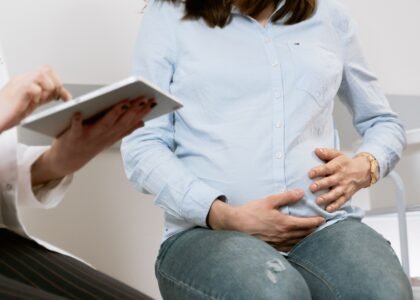
Pregnancy Related Health Issues are medical conditions or complications that may develop during pregnancy due to hormonal changes, increased nutritional needs, or underlying health conditions. Some problems are mild and temporary, while others may require close medical monitoring and treatment. Early prenatal checkups, balanced nutrition, regular physical activity, and a healthy lifestyle play an important role in supporting both maternal and fetal health. Understanding common pregnancy-related health issues can help expectant mothers recognize warning signs and seek timely medical care. This guide shows Pregnancy Related Health Issues

Essential Nutrients During Pregnancy and Their Benefits
|
Nutrients |
Benefits |
|
Folic Acid |
Supports Baby’s Brain and Spine Development |
|
Iron |
Helps Prevent Anemia |
|
Calcium |
Builds Strong Bones and Teeth |
|
Protein |
Supports Growth and Tissue Repair |
|
Omega-3 Fatty Acids |
Supports Brain and Eye Development |
Common Pregnancy Related Health Issues
-
- Morning Sickness
Nausea and vomiting are common during the first trimester due to hormonal changes.
- Gestational Diabetes
Some women develop high blood sugar during pregnancy, requiring careful monitoring and dietary management.
- Pregnancy-Induced Hypertension
High blood pressure during pregnancy may increase the risk of complications if left untreated.
- Anemia
Iron deficiency is common during pregnancy and may cause fatigue and weakness.
- Back Pain
Weight gain and changes in posture often contribute to back discomfort.
- Swelling (Edema)
Mild swelling of the feet, ankles, and hands is common, especially in the later stages of pregnancy.
- Constipation
Hormonal changes and pressure on the intestines can slow digestion.
- Heartburn
Relaxation of digestive muscles and pressure from the growing uterus may cause acid reflux.
Common Symptoms
- Nausea and vomiting.
- Fatigue.
- Back pain.
- Swollen feet and ankles.
- Frequent urination.
- Constipation.
- Heartburn.
- Mood changes.
Foods That Support a Healthy Pregnancy
1.Protein-Rich Foods
- Eggs.
- Fish (low-mercury varieties).
- Lean chicken.
- Lentils.
- Beans.
2.Dairy Products
- Milk.
- Yogurt.
- Cheese.
3.Fruits and Vegetables
- Spinach.
- Broccoli.
- Oranges.
- Bananas.
- Berries.
4.Whole Grains
- Oats.
- Brown rice.
- Whole wheat.
- Millets.
Healthy Lifestyle Tips
- Attend Regular Prenatal Checkups
Routine medical visits help monitor the health of both mother and baby.
- Eat a Balanced Diet
Include a variety of nutrient-rich foods every day.
- Stay Physically Active
Perform pregnancy-safe exercises as recommended by your healthcare provider.
- Stay Hydrated
Drink enough water to support overall health and reduce constipation.
- Get Enough Rest
Aim for adequate sleep and take breaks when feeling tired.
Warning Signs That Need Immediate Medical Attention
Seek urgent medical care if you experience:
-
- Heavy vaginal bleeding.
- Severe abdominal pain.
- Persistent severe headache.
- Blurred vision.
- Sudden swelling of the face or hands.
- Reduced fetal movements (later in pregnancy).
- High fever.
Benefits of Proper Pregnancy Care
- Healthier pregnancy.
- Better fetal growth and development.
- Reduced risk of complications.
- Improved maternal well-being.
- Safer delivery.
- Better long-term health for mother and baby.
What Are the Most Important Warning Signs During Pregnancy?
|
Warning Sign |
Why It Needs Medical Attention |
|
Heavy vaginal bleeding |
May indicate miscarriage, placental problems, or other complications. |
|
Severe abdominal pain |
Could signal an emergency condition that needs immediate evaluation. |
|
Persistent severe headache |
May be associated with high blood pressure or preeclampsia. |
|
Blurred vision or vision changes |
Can be a warning sign of preeclampsia. |
|
Sudden swelling of face or hands |
May indicate pregnancy-related hypertension. |
|
High fever |
Could suggest an infection that may affect mother and baby. |
|
Decreased fetal movement |
Requires prompt assessment, especially later in pregnancy. |
|
Regular contractions before 37 weeks |
May be a sign of preterm labor. |
What Jobs Are Unsafe During Pregnancy?
Jobs that involve heavy lifting, exposure to toxic chemicals, radiation, extreme heat, infectious diseases, prolonged standing, or high risk of falls or physical injury may be unsafe during pregnancy. Healthcare providers can help determine whether specific work duties need modification.
Do I Have to Disclose Pregnancy to HR Before Hiring?
In many countries, including India, you are generally not required to disclose a pregnancy during the hiring process unless there is a legitimate job-related safety concern. Employers should not make hiring decisions based solely on pregnancy.
What Are My Rights When Pregnant at Work?
Pregnant employees may have rights related to maternity leave, medical leave, reasonable workplace accommodations, protection from discrimination, and a safe working environment. The exact protections depend on local labor laws and employer policies.
What Counts as Pregnancy Discrimination at Work?
Pregnancy discrimination can include refusing to hire someone because of pregnancy, reducing responsibilities unfairly, denying promotions, forcing leave without medical reason, harassment related to pregnancy, or treating a pregnant employee less favorably than others in similar situations.
When Should I Stop Working During Pregnancy?
There is no single timeline that applies to everyone. Some people work until close to delivery, while others may need to stop earlier because of medical complications, severe symptoms, physically demanding work, or healthcare provider recommendations.
What Chronic Conditions Are Risky in Early Pregnancy?
Conditions that may require closer monitoring include diabetes, high blood pressure, thyroid disorders, kidney disease, autoimmune disorders, heart disease, epilepsy, and severe asthma. Early prenatal care is important for managing these conditions safely.
Common Pregnancy Complications and Warning Signs
Common complications can include gestational diabetes, preeclampsia, anemia, preterm labor, placenta-related problems, and severe morning sickness. Seek urgent medical attention for heavy bleeding, severe abdominal pain, persistent severe headache, vision changes, sudden swelling, high fever, decreased fetal movement later in pregnancy, or signs of preterm labor.


Disclaimer
The information provided on this website is collected and compiled from publicly available sources for general informational purposes only.
Leave a Reply Cancel reply
Comments
Table of Contents
Toggle
I found this Balanzing article on Pregnancy Related Health Issues very informative and reassuring. The explanations about symptoms, complications, comfort measures, and maternal health were clear and practical, making it a helpful guide for expecting mothers and families who want to understand pregnancy changes and warning signs better.