Litchi Flower Honey is a floral honey produced when honey bees collect nectar primarily from the delicate blossoms of litchi trees. Litchi, also known as lychee, is widely cultivated in several parts of India and other warm regions.
Because the nectar comes predominantly from litchi blossoms, this honey can develop a distinctive floral aroma, delicate sweetness and characteristic flavour. Its colour and texture may vary naturally depending on the harvest, floral sources and processing methods.
Litchi Flower Honey is appreciated for its naturally delicate floral character. During the litchi flowering season, bees forage among the blossoms and collect nectar, which is subsequently transformed into honey inside the hive.
Key Characteristics
Floral honey associated with litchi blossoms
Naturally sweet and aromatic
Delicate fruity-floral flavour
Naturally occurring sugars
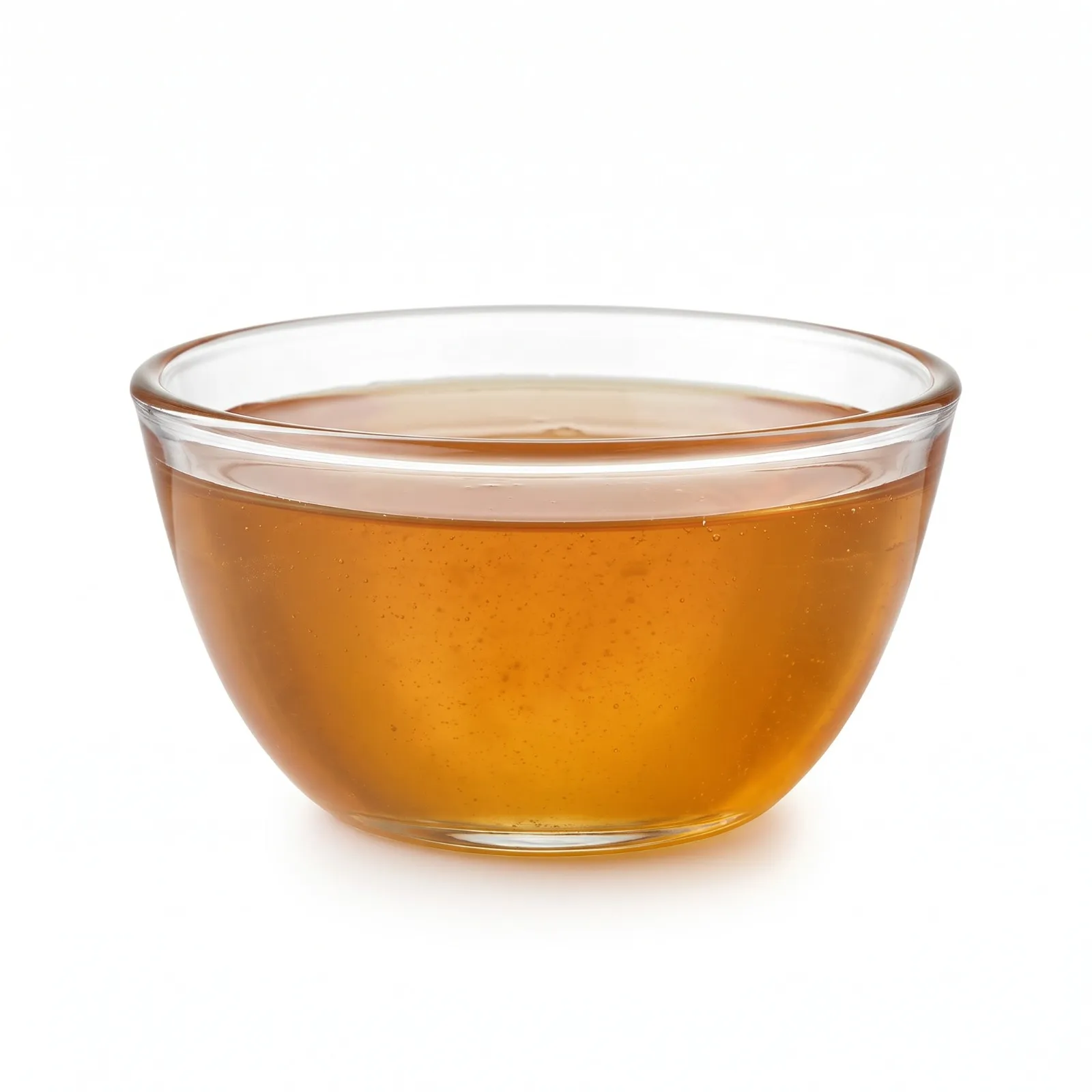
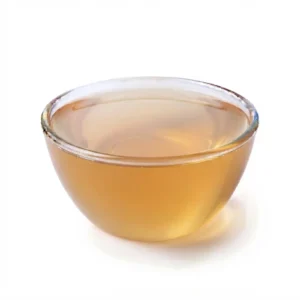
Colour may range from light to golden shades
Suitable for beverages, breakfast foods and recipes
Honey should never be given to infants under 12 months of age because of the risk of infant botulism.
People who need to monitor their sugar or carbohydrate intake should account for honey as part of their overall dietary intake.
The Balanzing Thought
Born from the delicate blossoms of the litchi tree, Litchi Flower Honey brings the gentle sweetness of nature to your everyday table. Enjoy its floral character mindfully and make every spoonful a little moment of natural goodness.
Litchi Flower Honey
Why choose Litchi Flower Honey from Balanzing?
Litchi Flower Honey from Balanzing is a great option for those who enjoy the delicate sweetness of floral honey. Add it to breakfast foods, beverages, and everyday recipes for natural sweetness.
Litchi Flower Honey is a distinctive floral honey known for its naturally sweet taste, delicate aroma, and association with the nectar of litchi blossoms. Produced by honeybees that collect nectar from flowering litchi trees, this honey offers a characteristic flavour that makes it suitable for breakfast foods, beverages, desserts, and everyday cooking. Consumers searching for Litchi Flower Honey often want to understand its floral origin, natural characteristics, quality indicators, storage requirements, and practical uses before choosing a product. The quality and sensory profile of honey can vary according to the flowering season, nectar availability, environmental conditions, beekeeping methods, harvesting practices, and storage. Litchi trees belong to the soapberry family, Sapindaceae, and are cultivated in several tropical and subtropical regions. Their flowers provide nectar that honeybees collect and transform into honey through natural enzymatic activity and moisture reduction inside the hive. The resulting honey may have a light colour, smooth texture, and gentle floral notes, although colour, aroma, sweetness, and consistency can differ between batches. People interested in Litchi Flower Honey in Andhra Pradesh can explore available products by reviewing their ingredient lists, floral source descriptions, packaging, and producer information. Customers looking for Litchi Flower Honey in Arunachal Pradesh can compare options according to their preferred flavour and intended use, while checking that product descriptions provide clear sourcing details. Those searching for Litchi Flower Honey in Assam can consider the importance of responsible harvesting and suitable storage when selecting a floral honey variety. Consumers purchasing Litchi Flower Honey in Bihar may also be familiar with Muzaffarpur, a region widely associated with litchi cultivation. However, the place where honey is sold does not necessarily indicate where the nectar was collected, so buyers should verify the stated origin. People exploring Litchi Flower Honey in Chhattisgarh can check whether the container is sealed properly and whether the label includes relevant food information. Buyers considering Litchi Flower Honey in Goa may appreciate its mild floral sweetness as an alternative to refined sugar in selected recipes. For Litchi Flower Honey in Gujarat, useful purchasing factors include ingredient transparency, batch identification, packaging integrity, and the seller’s reputation. Customers searching for Litchi Flower Honey in Haryana can compare products based on flavour, texture, quantity, and the clarity of their descriptions. When exploring Litchi Flower Honey in Himachal Pradesh, consumers may also benefit from understanding how honey made predominantly from one floral source differs from multifloral honey, which comes from nectar collected from different types of flowers. Buyers interested in Litchi Flower Honey in Jharkhand can use this naturally sweet ingredient in breakfast bowls, yoghurt, porridge, smoothies, and homemade dressings. For Litchi Flower Honey in Karnataka, checking whether a product is raw, filtered, or otherwise processed can help buyers understand how it has been handled. These descriptions should be supported by accurate product information rather than assumptions about quality. Customers looking for Litchi Flower Honey in Kerala can incorporate it into toast, fruit bowls, homemade desserts, and warm beverages according to personal taste. Honey should not be given to children younger than twelve months because of the risk of infant botulism. People searching for Litchi Flower Honey in Madhya Pradesh can review the stated floral source, manufacturer or packer details, net quantity, and recommended storage conditions before purchasing. Consumers considering Litchi Flower Honey in Maharashtra may enjoy its sweetness in pancakes, breakfast cereals, yoghurt, and homemade sauces. Those looking for Litchi Flower Honey in Manipur can check the ingredient declaration to confirm whether the product contains only honey or includes additional ingredients. For Litchi Flower Honey in Meghalaya, sourcing information and appropriate handling practices are useful factors when comparing products. Customers searching for Litchi Flower Honey in Mizoram can choose a suitable variety for everyday meals while checking that the packaging is clean, intact, and properly sealed. Buyers exploring Litchi Flower Honey in Nagaland may find it useful in fruit-based drinks and recipes where a gentle floral note complements other ingredients. Consumers considering Litchi Flower Honey in Odisha can compare natural variations in colour and texture without assuming that every difference indicates a quality problem. Crystallisation, for example, is a natural process that may occur in honey depending on its composition and storage conditions. People searching for Litchi Flower Honey in Punjab can use it to sweeten milk-based preparations, cereals, and homemade marinades, adjusting the quantity to suit their taste. For Litchi Flower Honey in Rajasthan, product descriptions should clearly explain the honey’s origin and provide practical guidance for storage and handling, particularly when products are delivered over long distances. Customers interested in Litchi Flower Honey in Sikkim may appreciate learning how nectar source, season, and processing influence the sensory qualities of different honey varieties. Those looking for Litchi Flower Honey in Tamil Nadu can evaluate product information carefully and avoid relying on unsupported claims about medical benefits. Consumers searching for Litchi Flower Honey in Telangana may use it in smoothies, fruit salads, yoghurt, and homemade dressings. Its sweet flavour can complement citrus fruits, nuts, oats, and other breakfast ingredients. Buyers considering Litchi Flower Honey in Tripura should check whether the seller provides accurate details about ingredients, storage, batch identification, and food safety compliance. People searching for Litchi Flower Honey in Uttar Pradesh can compare floral honey with multifloral varieties according to their flavour preferences and intended applications. Customers looking for Litchi Flower Honey in Uttarakhand can use similar criteria to assess product suitability, including sourcing transparency, packaging quality, and clear labelling. For Litchi Flower Honey in West Bengal, its floral sweetness may complement traditional sweets, breakfast foods, and beverages, depending on the recipe. Consumers searching for Litchi Flower Honey in Delhi can compare online and retail options by reviewing seller information, delivery conditions, packaging, and available quality documentation. Buyers interested in Litchi Flower Honey in Ladakh should also consider packaging integrity and the seller’s recommended storage conditions when purchasing products transported across different climates. Although the availability of floral honey can vary by seller and season, consumers in every location benefit from checking the product’s actual source rather than assuming that local availability guarantees local production. Understanding the characteristics of litchi blossom honey can help buyers make more informed decisions. Floral origin influences aroma and flavour because nectar contains naturally occurring compounds that contribute to honey’s sensory profile. The honey’s appearance and consistency can also change over time, especially during storage. These natural differences do not automatically indicate adulteration, although suspicious odours, damaged packaging, or unclear ingredient information deserve attention. A reliable seller should provide an accurate product description, appropriate packaging, and relevant information about the producer or packer. In India, consumers can check applicable Food Safety and Standards Authority of India (FSSAI) licensing and labelling information on packaged food products. Where a seller claims laboratory testing or certification, buyers should review the supporting documentation and understand what it establishes. An FSSAI licence alone does not prove that every batch has independently passed every possible purity test. Responsible product descriptions should distinguish verifiable information from marketing language and avoid guaranteeing health outcomes. Honey is primarily composed of naturally occurring sugars and water, with smaller quantities of other constituents. Although it may contain trace amounts of naturally occurring compounds, it remains a sugar-rich food and should be consumed in moderation. It should not be presented as a cure for illnesses, a guaranteed weight-loss ingredient, or a substitute for medical care. Its everyday appeal comes from its flavour, versatility, and usefulness as a sweetening ingredient. For breakfast, a small amount can be added to porridge, oats, yoghurt, toast, or pancakes. In beverages, honey can provide sweetness to tea and homemade drinks, while in cooking it may contribute flavour to salad dressings, marinades, and sauces. It can also be used in baking, although its moisture content and sweetness may affect the final texture of baked goods. When adding honey to beverages, allowing them to cool slightly can help preserve its delicate aroma. Storage also plays an important role in maintaining product quality. Keep the container tightly closed in a clean, dry place away from direct sunlight, excessive heat, and moisture. Always use a dry, clean spoon to avoid introducing contaminants. If crystallisation occurs, gently warming the closed container in warm water may soften the honey; excessive heat should be avoided. Buyers should also consider the quantity they need, the intended frequency of use, and the convenience of the packaging before selecting a product. Smaller containers may suit occasional users, while larger packs may be practical for households that use honey regularly, provided the product can be stored correctly. Online shoppers should review the seller’s return policy, delivery information, and product details before placing an order. Clear descriptions of floral source, ingredients, net weight, storage recommendations, and producer details make it easier to compare products fairly. Customers who value a floral taste can assess available descriptions and choose according to their preferences rather than assuming that every product labelled with a particular blossom will taste identical. Natural honey can differ between harvests, so accurate sourcing and batch information are more useful than absolute claims about colour, consistency, or flavour. Whether customers are comparing options across Andhra Pradesh, Arunachal Pradesh, Assam, Bihar, Chhattisgarh, Goa, Gujarat, Haryana, Himachal Pradesh, Jharkhand, Karnataka, Kerala, Madhya Pradesh, Maharashtra, Manipur, Meghalaya, Mizoram, Nagaland, Odisha, Punjab, Rajasthan, Sikkim, Tamil Nadu, Telangana, Tripura, Uttar Pradesh, Uttarakhand, West Bengal, Delhi, or Ladakh, the main purchasing priorities remain consistent: verify product information, understand the stated floral source, examine packaging, and choose a seller that communicates transparently. Litchi Flower Honey can be a practical addition to a balanced diet when used in sensible quantities and stored appropriately. Its delicate sweetness makes it suitable for everyday food preparation, while its floral origin gives it a distinctive place among the many honey varieties available to consumers. By comparing sourcing information, flavour preferences, product handling, and labelling details, buyers can select a honey that suits their household needs and make more confident purchasing decisions without relying on exaggerated claims or unnecessary assumptions.
I enjoyed the delicate floral sweetness of Litchi Flower Honey from BALANZING. It tastes lovely with breakfast and is easy to add to my daily routine. A nice choice for honey lovers!

user –
I enjoyed the delicate floral sweetness of Litchi Flower Honey from BALANZING. It tastes lovely with breakfast and is easy to add to my daily routine. A nice choice for honey lovers!