
Description
Peanuts (Groundnuts), Roasted crunchy peanuts, Salted snack peanuts, Premium edible groundnuts, Protein-rich snack nuts, Natural roasted kernels, Healthy daily snacking nuts, Fresh whole groundnuts, Lightly salted munching nuts, High-energy snack bites, Farm-fresh edible nuts, Dry roasted snack kernels, Gluten-free snack nuts, Plant-based protein snack, Crispy tea-time munchies, Heart-friendly snack nuts, Raw edible groundnuts, Classic salted nut snack, Nutritious crunchy bites, Everyday healthy munch, Premium quality peanuts, peanuts Kerala, peanuts Thiruvananthapuram, peanuts Neyyattinkara, peanuts Varkala, peanuts Attingal, peanuts Kollam, peanuts Karunagappally, peanuts Pathanamthitta, peanuts Thiruvalla, peanuts Adoor, peanuts Pandalam, peanuts Alappuzha, peanuts Cherthala, peanuts Kayamkulam, peanuts Munnar, peanuts Muvattupuzha, peanuts Kothamangalam, peanuts Thrissur, peanuts Guruvayur, peanuts Irinjalakuda, peanuts Palakkad, peanuts Ottapalam, peanuts Chittur, peanuts Malappuram, peanuts Manjeri, peanuts Tirur, peanuts Ponnani, peanuts Perinthalmanna, peanuts Kozhikode, peanuts Vadakara, peanuts Koyilandy, peanuts Ramanattukara, peanuts Kalpetta, peanuts Sulthan Bathery, peanuts Kasaragod, peanuts Kanhangad, peanuts online store, peanuts price online, peanuts home delivery, peanuts store near me, peanuts wholesale supplier, peanuts wholesale price, peanuts discount offer, peanuts retail supplier, peanuts online shop, peanuts distributor, peanuts for weight loss, best deals on peanuts, bulk peanuts online, bulk peanuts supplier, bulk peanuts price, buy peanuts online, export quality peanuts, fresh peanuts online, gluten free peanuts, healthy peanuts snack, heart healthy peanuts, high protein peanuts, immunity boosting peanuts, keto friendly peanuts, natural peanuts food, nutritious peanuts snack, order peanuts online, organic peanuts online, premium peanuts online, raw peanuts online, roasted peanuts online, sliced peanuts, vegan peanuts, whole peanuts, organic premium peanuts, best quality peanuts, natural raw peanuts, roasted salted peanuts, jumbo size peanuts, roasted unsalted peanuts
Roasted crunchy peanuts are a timeless favorite that perfectly combine flavor, texture, and nutrition, making them an ideal choice for everyday consumption, as salted snack peanuts and premium edible groundnuts deliver a satisfying taste while protein-rich snack nuts and natural roasted kernels provide essential nourishment for active lifestyles; these healthy daily snacking nuts and fresh whole groundnuts are carefully selected to ensure quality and consistency, while lightly salted munching nuts and high-energy snack bites make them a convenient option for quick refreshment throughout the day, and farm-fresh edible nuts along with dry roasted snack kernels highlight their natural goodness and rich flavor, making them a preferred gluten-free snack nuts option and a reliable plant-based protein snack for diverse dietary needs; enjoyed as crispy tea-time munchies and heart-friendly snack nuts, they also include raw edible groundnuts and classic salted nut snack varieties that cater to traditional tastes, while nutritious crunchy bites and everyday healthy munch options further enhance their appeal, ensuring premium quality peanuts for all occasions; widely available across regions such as peanuts Kerala, peanuts Thiruvananthapuram, peanuts Varkala, peanuts Attingal, peanuts Kollam, peanuts Karunagappally, peanuts Pathanamthitta, peanuts Thiruvalla, peanuts Pandalam, peanuts Alappuzha, peanuts Cherthala, peanuts Munnar, peanuts Muvattupuzha, peanuts Kothamangalam, peanuts Thrissur, peanuts Guruvayur, peanuts Irinjalakuda, peanuts Palakkad, peanuts Ottapalam, peanuts Chittur, peanuts Malappuram, peanuts Manjeri, peanuts Tirur, peanuts Ponnani, peanuts Kozhikode, peanuts Vadakara, peanuts Sulthan Bathery, and peanuts Kasaragod, these products ensure wide accessibility and convenience for customers across locations; available through a peanuts online store and peanuts online shop, consumers can check peanuts price online, enjoy peanuts home delivery, or find a peanuts store near me for quick purchases, while businesses can connect with a peanuts wholesale supplier, peanuts retail supplier, or peanuts distributor to benefit from competitive peanuts wholesale price and attractive peanuts discount offer options; shoppers can explore best deals on peanuts, bulk peanuts online, bulk peanuts supplier, and bulk peanuts price opportunities, making it easy to buy peanuts online or order peanuts online for both personal and commercial use, including export quality peanuts and fresh peanuts online selections that guarantee freshness and quality; suitable for a variety of dietary preferences, they are recognized as gluten free peanuts, a healthy peanuts snack, heart healthy peanuts, high protein peanuts, immunity boosting peanuts, keto friendly peanuts, natural peanuts food, and a nutritious peanuts snack that also supports peanuts for weight loss when consumed mindfully; with the flexibility to choose from organic peanuts online, premium peanuts online, raw peanuts online, roasted peanuts online, sliced peanuts, vegan peanuts, and whole peanuts options, including organic premium peanuts and best quality peanuts that ensure superior taste and freshness, while natural raw peanuts, roasted salted peanuts, jumbo size peanuts, and roasted unsalted peanuts cater to diverse taste preferences, making peanuts a perfect combination of flavor, nutrition, and convenience for modern lifestyles.
Small, nutrient-dense legumes with a rich, earthy flavor have long been a staple in kitchens around the world, valued for their versatility, affordability, and satisfying taste, offering a delightful balance of crunch and softness depending on how they are prepared, making them suitable for a wide range of culinary applications as well as simple everyday snacking, with their naturally mild sweetness and nutty undertone creating a comforting and familiar flavor profile that appeals to people of all ages, whether enjoyed plain, lightly seasoned, or incorporated into more complex dishes; carefully harvested and processed to maintain their natural freshness, they can be consumed in multiple forms, from raw and minimally treated to dry roasted or gently seasoned variations that enhance their aroma and texture, allowing consumers to choose according to their taste preferences and dietary needs, while maintaining a consistent sense of quality and satisfaction in every bite; their crisp texture when roasted and their soft, creamy interior when cooked make them uniquely adaptable, offering both a crunchy snack experience and a wholesome ingredient for cooking, which is why they are widely used in everything from traditional recipes to modern snacks and innovative food products; nutritionally, these legumes are highly regarded for their balanced composition, providing a good source of plant-based protein, healthy fats, and essential vitamins and minerals that contribute to overall well-being, helping to support energy levels throughout the day and making them an excellent option for individuals seeking a natural and sustained source of nourishment without relying on heavily processed foods; their protein content makes them particularly appealing for those following plant-based diets, as they offer a convenient and accessible way to meet daily nutritional requirements while also delivering a satisfying taste, and their natural fats contribute to a feeling of fullness, helping to manage hunger and reduce unnecessary snacking between meals when consumed in moderation; in addition to their role in supporting energy and satiety, they are often associated with heart-conscious eating patterns due to their nutrient profile, which aligns with balanced dietary practices that emphasize whole, minimally processed foods, making them a thoughtful inclusion in meals aimed at promoting overall wellness; their high adaptability in cooking further enhances their value, as they can be used in a wide variety of dishes, including savory curries, stir-fries, salads, and snacks, as well as sweet preparations such as desserts and confections, where their natural flavor complements other ingredients and adds depth to the final dish, while their ability to be ground into pastes or flours opens up even more possibilities for creative cooking, allowing them to be transformed into spreads, sauces, or baking ingredients that enrich both texture and taste; beyond their culinary uses, these legumes also hold cultural significance in many regions, often being associated with traditional meals, festive occasions, and everyday comfort foods, symbolizing simplicity, nourishment, and abundance, and their presence in various cultural cuisines highlights their enduring popularity and adaptability across different food traditions; convenience is another key factor that contributes to their widespread use, as they are easy to store, transport, and prepare, making them a practical choice for households and businesses alike, whether kept in pantries for long-term use or packaged in ready-to-eat forms for immediate consumption, providing flexibility for different lifestyles and needs; their availability in various processed forms, such as roasted, salted, or unsalted options, ensures that they cater to a wide range of preferences, allowing consumers to enjoy them in ways that best suit their taste and dietary goals, while maintaining their essential nutritional benefits; in today’s increasingly health-conscious environment, these legumes continue to stand out as a natural and reliable food choice, offering a balance of flavor, nutrition, and convenience that aligns with modern dietary trends, including plant-based and clean-eating approaches, making them an appealing option for those who prioritize wholesome and minimally processed foods; their enduring popularity is a testament to their ability to meet the evolving needs of consumers while remaining rooted in tradition, providing a simple yet satisfying solution for both snacking and cooking, and ultimately, they represent a harmonious combination of taste, nourishment, and versatility, making them a valuable addition to any kitchen and a dependable choice for those seeking a wholesome and enjoyable food experience in their daily lives.
Small, nutrient-dense legumes with a rich, earthy flavor have long been a staple in kitchens around the world, valued for their versatility, affordability, and satisfying taste, offering a delightful balance of crunch and softness depending on how they are prepared, making them suitable for a wide range of culinary applications as well as simple everyday snacking, with their naturally mild sweetness and nutty undertone creating a comforting and familiar flavor profile that appeals to people of all ages, whether enjoyed plain, lightly seasoned, or incorporated into more complex dishes; carefully harvested and processed to maintain their natural freshness, they can be consumed in multiple forms, from raw and minimally treated to dry roasted or gently seasoned variations that enhance their aroma and texture, allowing consumers to choose according to their taste preferences and dietary needs, while maintaining a consistent sense of quality and satisfaction in every bite; their crisp texture when roasted and their soft, creamy interior when cooked make them uniquely adaptable, offering both a crunchy snack experience and a wholesome ingredient for cooking, which is why they are widely used in everything from traditional recipes to modern snacks and innovative food products; nutritionally, these legumes are highly regarded for their balanced composition, providing a good source of plant-based protein, healthy fats, and essential vitamins and minerals that contribute to overall well-being, helping to support energy levels throughout the day and making them an excellent option for individuals seeking a natural and sustained source of nourishment without relying on heavily processed foods; their protein content makes them particularly appealing for those following plant-based diets, as they offer a convenient and accessible way to meet daily nutritional requirements while also delivering a satisfying taste, and their natural fats contribute to a feeling of fullness, helping to manage hunger and reduce unnecessary snacking between meals when consumed in moderation; in addition to their role in supporting energy and satiety, they are often associated with heart-conscious eating patterns due to their nutrient profile, which aligns with balanced dietary practices that emphasize whole, minimally processed foods, making them a thoughtful inclusion in meals aimed at promoting overall wellness; their high adaptability in cooking further enhances their value, as they can be used in a wide variety of dishes, including savory curries, stir-fries, salads, and snacks, as well as sweet preparations such as desserts and confections, where their natural flavor complements other ingredients and adds depth to the final dish, while their ability to be ground into pastes or flours opens up even more possibilities for creative cooking, allowing them to be transformed into spreads, sauces, or baking ingredients that enrich both texture and taste; beyond their culinary uses, these legumes also hold cultural significance in many regions, often being associated with traditional meals, festive occasions, and everyday comfort foods, symbolizing simplicity, nourishment, and abundance, and their presence in various cultural cuisines highlights their enduring popularity and adaptability across different food traditions; convenience is another key factor that contributes to their widespread use, as they are easy to store, transport, and prepare, making them a practical choice for households and businesses alike, whether kept in pantries for long-term use or packaged in ready-to-eat forms for immediate consumption, providing flexibility for different lifestyles and needs; their availability in various processed forms, such as roasted, salted, or unsalted options, ensures that they cater to a wide range of preferences, allowing consumers to enjoy them in ways that best suit their taste and dietary goals, while maintaining their essential nutritional benefits; in today’s increasingly health-conscious environment, these legumes continue to stand out as a natural and reliable food choice, offering a balance of flavor, nutrition, and convenience that aligns with modern dietary trends, including plant-based and clean-eating approaches, making them an appealing option for those who prioritize wholesome and minimally processed foods; their enduring popularity is a testament to their ability to meet the evolving needs of consumers while remaining rooted in tradition, providing a simple yet satisfying solution for both snacking and cooking, and ultimately, they represent a harmonious combination of taste, nourishment, and versatility, making them a valuable addition to any kitchen and a dependable choice for those seeking a wholesome and enjoyable food experience in their daily lives.
Small, nutrient-dense legumes with a rich, earthy flavor have long been a staple in kitchens around the world, valued for their versatility, affordability, and satisfying taste, offering a delightful balance of crunch and softness depending on how they are prepared, making them suitable for a wide range of culinary applications as well as simple everyday snacking, with their naturally mild sweetness and nutty undertone creating a comforting and familiar flavor profile that appeals to people of all ages, whether enjoyed plain, lightly seasoned, or incorporated into more complex dishes; carefully harvested and processed to maintain their natural freshness, they can be consumed in multiple forms, from raw and minimally treated to dry roasted or gently seasoned variations that enhance their aroma and texture, allowing consumers to choose according to their taste preferences and dietary needs, while maintaining a consistent sense of quality and satisfaction in every bite; their crisp texture when roasted and their soft, creamy interior when cooked make them uniquely adaptable, offering both a crunchy snack experience and a wholesome ingredient for cooking, which is why they are widely used in everything from traditional recipes to modern snacks and innovative food products; nutritionally, these legumes are highly regarded for their balanced composition, providing a good source of plant-based protein, healthy fats, and essential vitamins and minerals that contribute to overall well-being, helping to support energy levels throughout the day and making them an excellent option for individuals seeking a natural and sustained source of nourishment without relying on heavily processed foods; their protein content makes them particularly appealing for those following plant-based diets, as they offer a convenient and accessible way to meet daily nutritional requirements while also delivering a satisfying taste, and their natural fats contribute to a feeling of fullness, helping to manage hunger and reduce unnecessary snacking between meals when consumed in moderation; in addition to their role in supporting energy and satiety, they are often associated with heart-conscious eating patterns due to their nutrient profile, which aligns with balanced dietary practices that emphasize whole, minimally processed foods, making them a thoughtful inclusion in meals aimed at promoting overall wellness; their high adaptability in cooking further enhances their value, as they can be used in a wide variety of dishes, including savory curries, stir-fries, salads, and snacks, as well as sweet preparations such as desserts and confections, where their natural flavor complements other ingredients and adds depth to the final dish, while their ability to be ground into pastes or flours opens up even more possibilities for creative cooking, allowing them to be transformed into spreads, sauces, or baking ingredients that enrich both texture and taste; beyond their culinary uses, these legumes also hold cultural significance in many regions, often being associated with traditional meals, festive occasions, and everyday comfort foods, symbolizing simplicity, nourishment, and abundance, and their presence in various cultural cuisines highlights their enduring popularity and adaptability across different food traditions; convenience is another key factor that contributes to their widespread use, as they are easy to store, transport, and prepare, making them a practical choice for households and businesses alike, whether kept in pantries for long-term use or packaged in ready-to-eat forms for immediate consumption, providing flexibility for different lifestyles and needs; their availability in various processed forms, such as roasted, salted, or unsalted options, ensures that they cater to a wide range of preferences, allowing consumers to enjoy them in ways that best suit their taste and dietary goals, while maintaining their essential nutritional benefits; in today’s increasingly health-conscious environment, these legumes continue to stand out as a natural and reliable food choice, offering a balance of flavor, nutrition, and convenience that aligns with modern dietary trends, including plant-based and clean-eating approaches, making them an appealing option for those who prioritize wholesome and minimally processed foods; their enduring popularity is a testament to their ability to meet the evolving needs of consumers while remaining rooted in tradition, providing a simple yet satisfying solution for both snacking and cooking, and ultimately, they represent a harmonious combination of taste, nourishment, and versatility, making them a valuable addition to any kitchen and a dependable choice for those seeking a wholesome and enjoyable food experience in their daily lives.
Small, nutrient-dense legumes with a rich, earthy flavor have long been a staple in kitchens around the world, valued for their versatility, affordability, and satisfying taste, offering a delightful balance of crunch and softness depending on how they are prepared, making them suitable for a wide range of culinary applications as well as simple everyday snacking, with their naturally mild sweetness and nutty undertone creating a comforting and familiar flavor profile that appeals to people of all ages, whether enjoyed plain, lightly seasoned, or incorporated into more complex dishes; carefully harvested and processed to maintain their natural freshness, they can be consumed in multiple forms, from raw and minimally treated to dry roasted or gently seasoned variations that enhance their aroma and texture, allowing consumers to choose according to their taste preferences and dietary needs, while maintaining a consistent sense of quality and satisfaction in every bite; their crisp texture when roasted and their soft, creamy interior when cooked make them uniquely adaptable, offering both a crunchy snack experience and a wholesome ingredient for cooking, which is why they are widely used in everything from traditional recipes to modern snacks and innovative food products; nutritionally, these legumes are highly regarded for their balanced composition, providing a good source of plant-based protein, healthy fats, and essential vitamins and minerals that contribute to overall well-being, helping to support energy levels throughout the day and making them an excellent option for individuals seeking a natural and sustained source of nourishment without relying on heavily processed foods; their protein content makes them particularly appealing for those following plant-based diets, as they offer a convenient and accessible way to meet daily nutritional requirements while also delivering a satisfying taste, and their natural fats contribute to a feeling of fullness, helping to manage hunger and reduce unnecessary snacking between meals when consumed in moderation; in addition to their role in supporting energy and satiety, they are often associated with heart-conscious eating patterns due to their nutrient profile, which aligns with balanced dietary practices that emphasize whole, minimally processed foods, making them a thoughtful inclusion in meals aimed at promoting overall wellness; their high adaptability in cooking further enhances their value, as they can be used in a wide variety of dishes, including savory curries, stir-fries, salads, and snacks, as well as sweet preparations such as desserts and confections, where their natural flavor complements other ingredients and adds depth to the final dish, while their ability to be ground into pastes or flours opens up even more possibilities for creative cooking, allowing them to be transformed into spreads, sauces, or baking ingredients that enrich both texture and taste; beyond their culinary uses, these legumes also hold cultural significance in many regions, often being associated with traditional meals, festive occasions, and everyday comfort foods, symbolizing simplicity, nourishment, and abundance, and their presence in various cultural cuisines highlights their enduring popularity and adaptability across different food traditions; convenience is another key factor that contributes to their widespread use, as they are easy to store, transport, and prepare, making them a practical choice for households and businesses alike, whether kept in pantries for long-term use or packaged in ready-to-eat forms for immediate consumption, providing flexibility for different lifestyles and needs; their availability in various processed forms, such as roasted, salted, or unsalted options, ensures that they cater to a wide range of preferences, allowing consumers to enjoy them in ways that best suit their taste and dietary goals, while maintaining their essential nutritional benefits; in today’s increasingly health-conscious environment, these legumes continue to stand out as a natural and reliable food choice, offering a balance of flavor, nutrition, and convenience that aligns with modern dietary trends, including plant-based and clean-eating approaches, making them an appealing option for those who prioritize wholesome and minimally processed foods; their enduring popularity is a testament to their ability to meet the evolving needs of consumers while remaining rooted in tradition, providing a simple yet satisfying solution for both snacking and cooking, and ultimately, they represent a harmonious combination of taste, nourishment, and versatility, making them a valuable addition to any kitchen and a dependable choice for those seeking a wholesome and enjoyable food experience in their daily lives.
Small yet powerfully nourishing, these humble legumes have been a cherished part of traditional diets across continents for centuries, valued for their satisfying crunch, rich nutty flavor, and remarkable versatility in everyday meals. Grown underground in warm climates with well-drained soil, the plant produces pods that mature beneath the surface, developing firm shells that protect the nutrient-dense seeds inside. Once harvested, the pods are carefully dried, shelled, and processed to preserve freshness and taste, ensuring that each batch delivers consistent quality from farm to table. Their naturally earthy aroma and mildly sweet undertones make them a comforting snack choice that appeals to people of all ages, whether enjoyed plain, lightly roasted, or seasoned with subtle spices. Nutritionally, these legumes offer a compelling combination of plant-based protein, healthy fats, and dietary fiber, supporting sustained energy release and prolonged satiety when included as part of a balanced diet. They are particularly rich in monounsaturated and polyunsaturated fats, which are widely recognized for contributing to heart-conscious eating patterns when consumed in moderation, and they also contain important micronutrients such as niacin, folate, magnesium, phosphorus, and vitamin E that assist in metabolic processes, nerve function, and cellular protection. The presence of antioxidants further enhances their profile, helping to combat oxidative stress generated by daily environmental exposure and normal bodily activity. For individuals seeking convenient nourishment during busy schedules, a small handful provides a quick yet satisfying option that curbs hunger without relying on overly processed foods, making them a practical addition to lunchboxes, travel kits, and office drawers. In culinary traditions around the world, these versatile seeds have inspired countless recipes, from crunchy toppings for salads and stir-fries to creamy spreads blended into smooth pastes that pair beautifully with bread, fruit, and desserts. Ground into flour, they add depth and moisture to baked goods, contributing a tender crumb and subtle richness to cookies, cakes, and savory pastries, while crushed pieces introduce texture and flavor contrast to noodles, rice dishes, and roasted vegetables. Their adaptability extends to sauces and soups, where finely milled forms can thicken broths and lend a velvety mouthfeel without the need for dairy, aligning well with plant-forward dietary preferences. Light roasting intensifies their aroma, releasing warm, toasty notes that make them especially enjoyable as an evening snack or accompaniment to tea, and careful seasoning with sea salt or natural spices can further enhance their inherent character without overpowering it. From a nutritional standpoint, their moderate protein content supports muscle maintenance and repair when combined with other protein sources, while fiber aids digestive comfort and contributes to balanced blood sugar levels by slowing carbohydrate absorption. Because they are energy-dense, portion awareness is important, yet when enjoyed mindfully, they fit seamlessly into weight-management plans by promoting fullness and reducing the urge for less nourishing alternatives. Families often appreciate their affordability and accessibility, as they offer substantial nutritional value at a relatively low cost compared to many other snack options, making them a staple ingredient in both home kitchens and food industries worldwide. Beyond snacking, they play a significant role in confectionery and savory cuisines alike, forming the base of traditional sweets, brittle candies, and spiced mixtures that celebrate cultural heritage and regional flavors. In many parts of the world, they are boiled in lightly salted water for a softer texture, while in others they are dry-roasted to achieve crispness, demonstrating their remarkable adaptability to different preparation methods. Proper storage is essential due to their natural oil content; keeping them in airtight containers away from heat, moisture, and direct sunlight helps preserve freshness and prevent rancidity, and refrigeration can extend shelf life in warmer climates. Farmers cultivating this crop often rotate it with other plants to improve soil health, as the roots have the ability to fix nitrogen, enriching the earth and supporting sustainable agricultural practices that benefit future harvests. This ecological advantage contributes to their popularity in crop rotation systems and underscores their importance not only as a food source but also as a contributor to responsible farming. The sensory experience of enjoying these legumes is both simple and satisfying, characterized by a firm crunch that gives way to a creamy interior and a flavor that balances sweetness with subtle earthiness. Their compatibility with both sweet and savory ingredients allows them to shine in diverse culinary settings, from street food stalls offering roasted portions wrapped in paper cones to high-end restaurants crafting innovative dishes that showcase their texture and taste. Nutrition experts frequently highlight the value of incorporating a variety of plant-based foods into daily meals, and these seeds provide an accessible way to diversify nutrient intake while enjoying familiar flavors. Whether blended into smoothies for added body, sprinkled over breakfast bowls for crunch, or stirred into savory stews for richness, they continue to demonstrate their enduring appeal and practicality. For active individuals, their compact size and portability make them an ideal on-the-go fuel source that delivers steady energy without the need for refrigeration, while students and professionals alike rely on them as a convenient midday pick-me-up. Over generations, they have become deeply woven into culinary traditions, symbolizing comfort, nourishment, and resourcefulness. Their widespread cultivation across various climates ensures year-round availability, and advances in processing and packaging technology have further improved quality control and food safety standards. Ultimately, these nutrient-packed seeds embody a harmonious blend of flavor, functionality, and affordability, offering a wholesome snack option that bridges the gap between indulgence and mindful eating while supporting balanced dietary patterns and sustainable agricultural systems.
Small yet powerfully nourishing, these humble legumes have been a cherished part of traditional diets across continents for centuries, valued for their satisfying crunch, rich nutty flavor, and remarkable versatility in everyday meals. Grown underground in warm climates with well-drained soil, the plant produces pods that mature beneath the surface, developing firm shells that protect the nutrient-dense seeds inside. Once harvested, the pods are carefully dried, shelled, and processed to preserve freshness and taste, ensuring that each batch delivers consistent quality from farm to table. Their naturally earthy aroma and mildly sweet undertones make them a comforting snack choice that appeals to people of all ages, whether enjoyed plain, lightly roasted, or seasoned with subtle spices. Nutritionally, these legumes offer a compelling combination of plant-based protein, healthy fats, and dietary fiber, supporting sustained energy release and prolonged satiety when included as part of a balanced diet. They are particularly rich in monounsaturated and polyunsaturated fats, which are widely recognized for contributing to heart-conscious eating patterns when consumed in moderation, and they also contain important micronutrients such as niacin, folate, magnesium, phosphorus, and vitamin E that assist in metabolic processes, nerve function, and cellular protection. The presence of antioxidants further enhances their profile, helping to combat oxidative stress generated by daily environmental exposure and normal bodily activity. For individuals seeking convenient nourishment during busy schedules, a small handful provides a quick yet satisfying option that curbs hunger without relying on overly processed foods, making them a practical addition to lunchboxes, travel kits, and office drawers. In culinary traditions around the world, these versatile seeds have inspired countless recipes, from crunchy toppings for salads and stir-fries to creamy spreads blended into smooth pastes that pair beautifully with bread, fruit, and desserts. Ground into flour, they add depth and moisture to baked goods, contributing a tender crumb and subtle richness to cookies, cakes, and savory pastries, while crushed pieces introduce texture and flavor contrast to noodles, rice dishes, and roasted vegetables. Their adaptability extends to sauces and soups, where finely milled forms can thicken broths and lend a velvety mouthfeel without the need for dairy, aligning well with plant-forward dietary preferences. Light roasting intensifies their aroma, releasing warm, toasty notes that make them especially enjoyable as an evening snack or accompaniment to tea, and careful seasoning with sea salt or natural spices can further enhance their inherent character without overpowering it. From a nutritional standpoint, their moderate protein content supports muscle maintenance and repair when combined with other protein sources, while fiber aids digestive comfort and contributes to balanced blood sugar levels by slowing carbohydrate absorption. Because they are energy-dense, portion awareness is important, yet when enjoyed mindfully, they fit seamlessly into weight-management plans by promoting fullness and reducing the urge for less nourishing alternatives. Families often appreciate their affordability and accessibility, as they offer substantial nutritional value at a relatively low cost compared to many other snack options, making them a staple ingredient in both home kitchens and food industries worldwide. Beyond snacking, they play a significant role in confectionery and savory cuisines alike, forming the base of traditional sweets, brittle candies, and spiced mixtures that celebrate cultural heritage and regional flavors. In many parts of the world, they are boiled in lightly salted water for a softer texture, while in others they are dry-roasted to achieve crispness, demonstrating their remarkable adaptability to different preparation methods. Proper storage is essential due to their natural oil content; keeping them in airtight containers away from heat, moisture, and direct sunlight helps preserve freshness and prevent rancidity, and refrigeration can extend shelf life in warmer climates. Farmers cultivating this crop often rotate it with other plants to improve soil health, as the roots have the ability to fix nitrogen, enriching the earth and supporting sustainable agricultural practices that benefit future harvests. This ecological advantage contributes to their popularity in crop rotation systems and underscores their importance not only as a food source but also as a contributor to responsible farming. The sensory experience of enjoying these legumes is both simple and satisfying, characterized by a firm crunch that gives way to a creamy interior and a flavor that balances sweetness with subtle earthiness. Their compatibility with both sweet and savory ingredients allows them to shine in diverse culinary settings, from street food stalls offering roasted portions wrapped in paper cones to high-end restaurants crafting innovative dishes that showcase their texture and taste. Nutrition experts frequently highlight the value of incorporating a variety of plant-based foods into daily meals, and these seeds provide an accessible way to diversify nutrient intake while enjoying familiar flavors. Whether blended into smoothies for added body, sprinkled over breakfast bowls for crunch, or stirred into savory stews for richness, they continue to demonstrate their enduring appeal and practicality. For active individuals, their compact size and portability make them an ideal on-the-go fuel source that delivers steady energy without the need for refrigeration, while students and professionals alike rely on them as a convenient midday pick-me-up. Over generations, they have become deeply woven into culinary traditions, symbolizing comfort, nourishment, and resourcefulness. Their widespread cultivation across various climates ensures year-round availability, and advances in processing and packaging technology have further improved quality control and food safety standards. Ultimately, these nutrient-packed seeds embody a harmonious blend of flavor, functionality, and affordability, offering a wholesome snack option that bridges the gap between indulgence and mindful eating while supporting balanced dietary patterns and sustainable agricultural systems.
Small yet powerfully nourishing, these humble legumes have been a cherished part of traditional diets across continents for centuries, valued for their satisfying crunch, rich nutty flavor, and remarkable versatility in everyday meals. Grown underground in warm climates with well-drained soil, the plant produces pods that mature beneath the surface, developing firm shells that protect the nutrient-dense seeds inside. Once harvested, the pods are carefully dried, shelled, and processed to preserve freshness and taste, ensuring that each batch delivers consistent quality from farm to table. Their naturally earthy aroma and mildly sweet undertones make them a comforting snack choice that appeals to people of all ages, whether enjoyed plain, lightly roasted, or seasoned with subtle spices. Nutritionally, these legumes offer a compelling combination of plant-based protein, healthy fats, and dietary fiber, supporting sustained energy release and prolonged satiety when included as part of a balanced diet. They are particularly rich in monounsaturated and polyunsaturated fats, which are widely recognized for contributing to heart-conscious eating patterns when consumed in moderation, and they also contain important micronutrients such as niacin, folate, magnesium, phosphorus, and vitamin E that assist in metabolic processes, nerve function, and cellular protection. The presence of antioxidants further enhances their profile, helping to combat oxidative stress generated by daily environmental exposure and normal bodily activity. For individuals seeking convenient nourishment during busy schedules, a small handful provides a quick yet satisfying option that curbs hunger without relying on overly processed foods, making them a practical addition to lunchboxes, travel kits, and office drawers. In culinary traditions around the world, these versatile seeds have inspired countless recipes, from crunchy toppings for salads and stir-fries to creamy spreads blended into smooth pastes that pair beautifully with bread, fruit, and desserts. Ground into flour, they add depth and moisture to baked goods, contributing a tender crumb and subtle richness to cookies, cakes, and savory pastries, while crushed pieces introduce texture and flavor contrast to noodles, rice dishes, and roasted vegetables. Their adaptability extends to sauces and soups, where finely milled forms can thicken broths and lend a velvety mouthfeel without the need for dairy, aligning well with plant-forward dietary preferences. Light roasting intensifies their aroma, releasing warm, toasty notes that make them especially enjoyable as an evening snack or accompaniment to tea, and careful seasoning with sea salt or natural spices can further enhance their inherent character without overpowering it. From a nutritional standpoint, their moderate protein content supports muscle maintenance and repair when combined with other protein sources, while fiber aids digestive comfort and contributes to balanced blood sugar levels by slowing carbohydrate absorption. Because they are energy-dense, portion awareness is important, yet when enjoyed mindfully, they fit seamlessly into weight-management plans by promoting fullness and reducing the urge for less nourishing alternatives. Families often appreciate their affordability and accessibility, as they offer substantial nutritional value at a relatively low cost compared to many other snack options, making them a staple ingredient in both home kitchens and food industries worldwide. Beyond snacking, they play a significant role in confectionery and savory cuisines alike, forming the base of traditional sweets, brittle candies, and spiced mixtures that celebrate cultural heritage and regional flavors. In many parts of the world, they are boiled in lightly salted water for a softer texture, while in others they are dry-roasted to achieve crispness, demonstrating their remarkable adaptability to different preparation methods. Proper storage is essential due to their natural oil content; keeping them in airtight containers away from heat, moisture, and direct sunlight helps preserve freshness and prevent rancidity, and refrigeration can extend shelf life in warmer climates. Farmers cultivating this crop often rotate it with other plants to improve soil health, as the roots have the ability to fix nitrogen, enriching the earth and supporting sustainable agricultural practices that benefit future harvests. This ecological advantage contributes to their popularity in crop rotation systems and underscores their importance not only as a food source but also as a contributor to responsible farming. The sensory experience of enjoying these legumes is both simple and satisfying, characterized by a firm crunch that gives way to a creamy interior and a flavor that balances sweetness with subtle earthiness. Their compatibility with both sweet and savory ingredients allows them to shine in diverse culinary settings, from street food stalls offering roasted portions wrapped in paper cones to high-end restaurants crafting innovative dishes that showcase their texture and taste. Nutrition experts frequently highlight the value of incorporating a variety of plant-based foods into daily meals, and these seeds provide an accessible way to diversify nutrient intake while enjoying familiar flavors. Whether blended into smoothies for added body, sprinkled over breakfast bowls for crunch, or stirred into savory stews for richness, they continue to demonstrate their enduring appeal and practicality. For active individuals, their compact size and portability make them an ideal on-the-go fuel source that delivers steady energy without the need for refrigeration, while students and professionals alike rely on them as a convenient midday pick-me-up. Over generations, they have become deeply woven into culinary traditions, symbolizing comfort, nourishment, and resourcefulness. Their widespread cultivation across various climates ensures year-round availability, and advances in processing and packaging technology have further improved quality control and food safety standards. Ultimately, these nutrient-packed seeds embody a harmonious blend of flavor, functionality, and affordability, offering a wholesome snack option that bridges the gap between indulgence and mindful eating while supporting balanced dietary patterns and sustainable agricultural systems.
Small yet powerfully nourishing, these humble legumes have been a cherished part of traditional diets across continents for centuries, valued for their satisfying crunch, rich nutty flavor, and remarkable versatility in everyday meals. Grown underground in warm climates with well-drained soil, the plant produces pods that mature beneath the surface, developing firm shells that protect the nutrient-dense seeds inside. Once harvested, the pods are carefully dried, shelled, and processed to preserve freshness and taste, ensuring that each batch delivers consistent quality from farm to table. Their naturally earthy aroma and mildly sweet undertones make them a comforting snack choice that appeals to people of all ages, whether enjoyed plain, lightly roasted, or seasoned with subtle spices. Nutritionally, these legumes offer a compelling combination of plant-based protein, healthy fats, and dietary fiber, supporting sustained energy release and prolonged satiety when included as part of a balanced diet. They are particularly rich in monounsaturated and polyunsaturated fats, which are widely recognized for contributing to heart-conscious eating patterns when consumed in moderation, and they also contain important micronutrients such as niacin, folate, magnesium, phosphorus, and vitamin E that assist in metabolic processes, nerve function, and cellular protection. The presence of antioxidants further enhances their profile, helping to combat oxidative stress generated by daily environmental exposure and normal bodily activity. For individuals seeking convenient nourishment during busy schedules, a small handful provides a quick yet satisfying option that curbs hunger without relying on overly processed foods, making them a practical addition to lunchboxes, travel kits, and office drawers. In culinary traditions around the world, these versatile seeds have inspired countless recipes, from crunchy toppings for salads and stir-fries to creamy spreads blended into smooth pastes that pair beautifully with bread, fruit, and desserts. Ground into flour, they add depth and moisture to baked goods, contributing a tender crumb and subtle richness to cookies, cakes, and savory pastries, while crushed pieces introduce texture and flavor contrast to noodles, rice dishes, and roasted vegetables. Their adaptability extends to sauces and soups, where finely milled forms can thicken broths and lend a velvety mouthfeel without the need for dairy, aligning well with plant-forward dietary preferences. Light roasting intensifies their aroma, releasing warm, toasty notes that make them especially enjoyable as an evening snack or accompaniment to tea, and careful seasoning with sea salt or natural spices can further enhance their inherent character without overpowering it. From a nutritional standpoint, their moderate protein content supports muscle maintenance and repair when combined with other protein sources, while fiber aids digestive comfort and contributes to balanced blood sugar levels by slowing carbohydrate absorption. Because they are energy-dense, portion awareness is important, yet when enjoyed mindfully, they fit seamlessly into weight-management plans by promoting fullness and reducing the urge for less nourishing alternatives. Families often appreciate their affordability and accessibility, as they offer substantial nutritional value at a relatively low cost compared to many other snack options, making them a staple ingredient in both home kitchens and food industries worldwide. Beyond snacking, they play a significant role in confectionery and savory cuisines alike, forming the base of traditional sweets, brittle candies, and spiced mixtures that celebrate cultural heritage and regional flavors. In many parts of the world, they are boiled in lightly salted water for a softer texture, while in others they are dry-roasted to achieve crispness, demonstrating their remarkable adaptability to different preparation methods. Proper storage is essential due to their natural oil content; keeping them in airtight containers away from heat, moisture, and direct sunlight helps preserve freshness and prevent rancidity, and refrigeration can extend shelf life in warmer climates. Farmers cultivating this crop often rotate it with other plants to improve soil health, as the roots have the ability to fix nitrogen, enriching the earth and supporting sustainable agricultural practices that benefit future harvests. This ecological advantage contributes to their popularity in crop rotation systems and underscores their importance not only as a food source but also as a contributor to responsible farming. The sensory experience of enjoying these legumes is both simple and satisfying, characterized by a firm crunch that gives way to a creamy interior and a flavor that balances sweetness with subtle earthiness. Their compatibility with both sweet and savory ingredients allows them to shine in diverse culinary settings, from street food stalls offering roasted portions wrapped in paper cones to high-end restaurants crafting innovative dishes that showcase their texture and taste. Nutrition experts frequently highlight the value of incorporating a variety of plant-based foods into daily meals, and these seeds provide an accessible way to diversify nutrient intake while enjoying familiar flavors. Whether blended into smoothies for added body, sprinkled over breakfast bowls for crunch, or stirred into savory stews for richness, they continue to demonstrate their enduring appeal and practicality. For active individuals, their compact size and portability make them an ideal on-the-go fuel source that delivers steady energy without the need for refrigeration, while students and professionals alike rely on them as a convenient midday pick-me-up. Over generations, they have become deeply woven into culinary traditions, symbolizing comfort, nourishment, and resourcefulness. Their widespread cultivation across various climates ensures year-round availability, and advances in processing and packaging technology have further improved quality control and food safety standards. Ultimately, these nutrient-packed seeds embody a harmonious blend of flavor, functionality, and affordability, offering a wholesome snack option that bridges the gap between indulgence and mindful eating while supporting balanced dietary patterns and sustainable agricultural systems.
Small yet powerfully nourishing, these humble legumes have been a cherished part of traditional diets across continents for centuries, valued for their satisfying crunch, rich nutty flavor, and remarkable versatility in everyday meals. Grown underground in warm climates with well-drained soil, the plant produces pods that mature beneath the surface, developing firm shells that protect the nutrient-dense seeds inside. Once harvested, the pods are carefully dried, shelled, and processed to preserve freshness and taste, ensuring that each batch delivers consistent quality from farm to table. Their naturally earthy aroma and mildly sweet undertones make them a comforting snack choice that appeals to people of all ages, whether enjoyed plain, lightly roasted, or seasoned with subtle spices. Nutritionally, these legumes offer a compelling combination of plant-based protein, healthy fats, and dietary fiber, supporting sustained energy release and prolonged satiety when included as part of a balanced diet. They are particularly rich in monounsaturated and polyunsaturated fats, which are widely recognized for contributing to heart-conscious eating patterns when consumed in moderation, and they also contain important micronutrients such as niacin, folate, magnesium, phosphorus, and vitamin E that assist in metabolic processes, nerve function, and cellular protection. The presence of antioxidants further enhances their profile, helping to combat oxidative stress generated by daily environmental exposure and normal bodily activity. For individuals seeking convenient nourishment during busy schedules, a small handful provides a quick yet satisfying option that curbs hunger without relying on overly processed foods, making them a practical addition to lunchboxes, travel kits, and office drawers. In culinary traditions around the world, these versatile seeds have inspired countless recipes, from crunchy toppings for salads and stir-fries to creamy spreads blended into smooth pastes that pair beautifully with bread, fruit, and desserts. Ground into flour, they add depth and moisture to baked goods, contributing a tender crumb and subtle richness to cookies, cakes, and savory pastries, while crushed pieces introduce texture and flavor contrast to noodles, rice dishes, and roasted vegetables. Their adaptability extends to sauces and soups, where finely milled forms can thicken broths and lend a velvety mouthfeel without the need for dairy, aligning well with plant-forward dietary preferences. Light roasting intensifies their aroma, releasing warm, toasty notes that make them especially enjoyable as an evening snack or accompaniment to tea, and careful seasoning with sea salt or natural spices can further enhance their inherent character without overpowering it. From a nutritional standpoint, their moderate protein content supports muscle maintenance and repair when combined with other protein sources, while fiber aids digestive comfort and contributes to balanced blood sugar levels by slowing carbohydrate absorption. Because they are energy-dense, portion awareness is important, yet when enjoyed mindfully, they fit seamlessly into weight-management plans by promoting fullness and reducing the urge for less nourishing alternatives. Families often appreciate their affordability and accessibility, as they offer substantial nutritional value at a relatively low cost compared to many other snack options, making them a staple ingredient in both home kitchens and food industries worldwide. Beyond snacking, they play a significant role in confectionery and savory cuisines alike, forming the base of traditional sweets, brittle candies, and spiced mixtures that celebrate cultural heritage and regional flavors. In many parts of the world, they are boiled in lightly salted water for a softer texture, while in others they are dry-roasted to achieve crispness, demonstrating their remarkable adaptability to different preparation methods. Proper storage is essential due to their natural oil content; keeping them in airtight containers away from heat, moisture, and direct sunlight helps preserve freshness and prevent rancidity, and refrigeration can extend shelf life in warmer climates. Farmers cultivating this crop often rotate it with other plants to improve soil health, as the roots have the ability to fix nitrogen, enriching the earth and supporting sustainable agricultural practices that benefit future harvests. This ecological advantage contributes to their popularity in crop rotation systems and underscores their importance not only as a food source but also as a contributor to responsible farming. The sensory experience of enjoying these legumes is both simple and satisfying, characterized by a firm crunch that gives way to a creamy interior and a flavor that balances sweetness with subtle earthiness. Their compatibility with both sweet and savory ingredients allows them to shine in diverse culinary settings, from street food stalls offering roasted portions wrapped in paper cones to high-end restaurants crafting innovative dishes that showcase their texture and taste. Nutrition experts frequently highlight the value of incorporating a variety of plant-based foods into daily meals, and these seeds provide an accessible way to diversify nutrient intake while enjoying familiar flavors. Whether blended into smoothies for added body, sprinkled over breakfast bowls for crunch, or stirred into savory stews for richness, they continue to demonstrate their enduring appeal and practicality. For active individuals, their compact size and portability make them an ideal on-the-go fuel source that delivers steady energy without the need for refrigeration, while students and professionals alike rely on them as a convenient midday pick-me-up. Over generations, they have become deeply woven into culinary traditions, symbolizing comfort, nourishment, and resourcefulness. Their widespread cultivation across various climates ensures year-round availability, and advances in processing and packaging technology have further improved quality control and food safety standards. Ultimately, these nutrient-packed seeds embody a harmonious blend of flavor, functionality, and affordability, offering a wholesome snack option that bridges the gap between indulgence and mindful eating while supporting balanced dietary patterns and sustainable agricultural systems.
Small yet powerfully nourishing, these humble legumes have been a cherished part of traditional diets across continents for centuries, valued for their satisfying crunch, rich nutty flavor, and remarkable versatility in everyday meals. Grown underground in warm climates with well-drained soil, the plant produces pods that mature beneath the surface, developing firm shells that protect the nutrient-dense seeds inside. Once harvested, the pods are carefully dried, shelled, and processed to preserve freshness and taste, ensuring that each batch delivers consistent quality from farm to table. Their naturally earthy aroma and mildly sweet undertones make them a comforting snack choice that appeals to people of all ages, whether enjoyed plain, lightly roasted, or seasoned with subtle spices. Nutritionally, these legumes offer a compelling combination of plant-based protein, healthy fats, and dietary fiber, supporting sustained energy release and prolonged satiety when included as part of a balanced diet. They are particularly rich in monounsaturated and polyunsaturated fats, which are widely recognized for contributing to heart-conscious eating patterns when consumed in moderation, and they also contain important micronutrients such as niacin, folate, magnesium, phosphorus, and vitamin E that assist in metabolic processes, nerve function, and cellular protection. The presence of antioxidants further enhances their profile, helping to combat oxidative stress generated by daily environmental exposure and normal bodily activity. For individuals seeking convenient nourishment during busy schedules, a small handful provides a quick yet satisfying option that curbs hunger without relying on overly processed foods, making them a practical addition to lunchboxes, travel kits, and office drawers. In culinary traditions around the world, these versatile seeds have inspired countless recipes, from crunchy toppings for salads and stir-fries to creamy spreads blended into smooth pastes that pair beautifully with bread, fruit, and desserts. Ground into flour, they add depth and moisture to baked goods, contributing a tender crumb and subtle richness to cookies, cakes, and savory pastries, while crushed pieces introduce texture and flavor contrast to noodles, rice dishes, and roasted vegetables. Their adaptability extends to sauces and soups, where finely milled forms can thicken broths and lend a velvety mouthfeel without the need for dairy, aligning well with plant-forward dietary preferences. Light roasting intensifies their aroma, releasing warm, toasty notes that make them especially enjoyable as an evening snack or accompaniment to tea, and careful seasoning with sea salt or natural spices can further enhance their inherent character without overpowering it. From a nutritional standpoint, their moderate protein content supports muscle maintenance and repair when combined with other protein sources, while fiber aids digestive comfort and contributes to balanced blood sugar levels by slowing carbohydrate absorption. Because they are energy-dense, portion awareness is important, yet when enjoyed mindfully, they fit seamlessly into weight-management plans by promoting fullness and reducing the urge for less nourishing alternatives. Families often appreciate their affordability and accessibility, as they offer substantial nutritional value at a relatively low cost compared to many other snack options, making them a staple ingredient in both home kitchens and food industries worldwide. Beyond snacking, they play a significant role in confectionery and savory cuisines alike, forming the base of traditional sweets, brittle candies, and spiced mixtures that celebrate cultural heritage and regional flavors. In many parts of the world, they are boiled in lightly salted water for a softer texture, while in others they are dry-roasted to achieve crispness, demonstrating their remarkable adaptability to different preparation methods. Proper storage is essential due to their natural oil content; keeping them in airtight containers away from heat, moisture, and direct sunlight helps preserve freshness and prevent rancidity, and refrigeration can extend shelf life in warmer climates. Farmers cultivating this crop often rotate it with other plants to improve soil health, as the roots have the ability to fix nitrogen, enriching the earth and supporting sustainable agricultural practices that benefit future harvests. This ecological advantage contributes to their popularity in crop rotation systems and underscores their importance not only as a food source but also as a contributor to responsible farming. The sensory experience of enjoying these legumes is both simple and satisfying, characterized by a firm crunch that gives way to a creamy interior and a flavor that balances sweetness with subtle earthiness. Their compatibility with both sweet and savory ingredients allows them to shine in diverse culinary settings, from street food stalls offering roasted portions wrapped in paper cones to high-end restaurants crafting innovative dishes that showcase their texture and taste. Nutrition experts frequently highlight the value of incorporating a variety of plant-based foods into daily meals, and these seeds provide an accessible way to diversify nutrient intake while enjoying familiar flavors. Whether blended into smoothies for added body, sprinkled over breakfast bowls for crunch, or stirred into savory stews for richness, they continue to demonstrate their enduring appeal and practicality. For active individuals, their compact size and portability make them an ideal on-the-go fuel source that delivers steady energy without the need for refrigeration, while students and professionals alike rely on them as a convenient midday pick-me-up. Over generations, they have become deeply woven into culinary traditions, symbolizing comfort, nourishment, and resourcefulness. Their widespread cultivation across various climates ensures year-round availability, and advances in processing and packaging technology have further improved quality control and food safety standards. peanuts Punalur, peanuts Paravur, peanuts Kayamkulam, peanuts Haripad, peanuts Kottayam, peanuts Changanassery, peanuts Pala, peanuts Vaikom, peanuts Idukki, peanuts Thodupuzha, peanuts Kattappana, peanuts Kochi, peanuts Aluva, peanuts Perumbavoor, peanuts Chalakkudy, peanuts Shoranur, peanuts Mananthavady, peanuts Kannur, peanuts Thalassery, peanuts Payyannur, peanuts Mattannur, peanuts Nileshwar
Why Choose Peanuts?
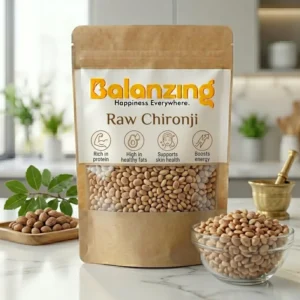
🔥 High plant protein
✨ Mood-lifting food
🌿 Good for digestion
💛 Great for energy
❤ Heart-healthy fats
How to Enjoy
— Eat roasted
— Add to chaat
— Use in peanut butter
Balanzing Thought
“Everyday energy comes from everyday foods.” 🌱


Are Peanuts from Balanzing suitable for daily snacking and bulk purchase for resale?
Yes, Peanuts from Balanzing are carefully sourced and hygienically packed, making them ideal for daily consumption as well as bulk purchasing for retail shops, small businesses, and wholesalers. They offer consistent quality, freshness, and great taste, suitable for direct snacking or further processing.



user –
I’m extremely satisfied with Balanzing Peanuts! They are fresh, crunchy, and perfectly roasted, with a rich natural flavor. It’s a healthy snack I can enjoy anytime without compromise. Premium quality and nutritious, they are perfect for my daily energy boost. I highly recommend them to anyone looking for a wholesome snack.
user –
Balanzing Peanuts are my go-to snack for energy and nutrition. Clean, fresh, and crunchy, they make healthy snacking a delight. Highly recommended!
user –
I recently tried Balanzing Peanuts, and I’m really impressed! Every peanut is fresh, crunchy, and perfectly roasted. The quality is top-notch, and they make a healthy and tasty snack anytime. Definitely my go-to choice for a nutritious treat.
user –
As a small business owner, I regularly purchase Peanuts from Balanzing for resale in my local store. The quality is consistently fresh, the crunch is excellent, and my customers love the taste. Packaging is neat and reliable for bulk handling. Balanzing has become my trusted supplier because of their steady quality and competitive pricing.