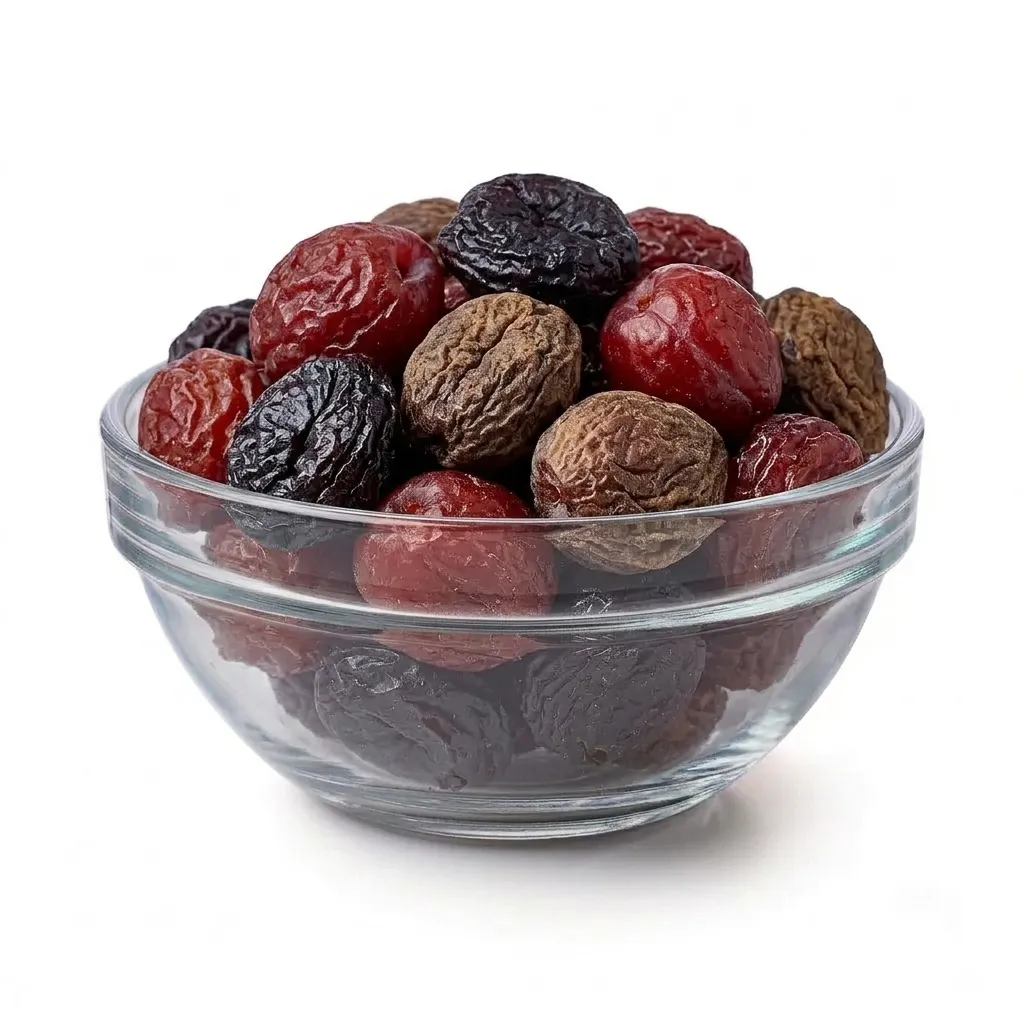
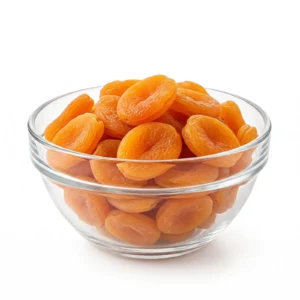
Red Plum is a delightful fruit loved for its attractive red skin, juicy texture, and refreshing sweet-and-tangy flavour. Whether enjoyed fresh or in dried form, red plum adds a burst of fruity taste to everyday snacking. Its vibrant colour and delicious flavour make it a wonderful choice for fruit bowls, snack platters, and creative recipes.
Key Features of Red Plum
Sweet and Tangy Flavour: Enjoy a delicious balance of sweetness and refreshing tartness.
Naturally Appealing Colour: Its rich red appearance adds a vibrant touch to fruit platters.
Nutritional Goodness: Red plums provide dietary fibre, vitamin C, and beneficial plant compounds.
Versatile Fruit: Suitable for fruit salads, smoothies, desserts, and homemade snack mixes.
Everyday Enjoyment: A tasty addition to a varied and balanced diet.
Enjoy fresh red plums on their own, slice them into fruit salads, blend them into smoothies, or add them to yoghurt bowls. Dried red plums can also be paired with almonds, cashews, and other dried fruits for a flavourful snack.
Balanzing Thought
“A vibrant touch of red, a delightful blend of sweet and tangy — let Red Plum bring a little fruity freshness and natural goodness to your day.”
Storage Tips
Store fresh red plums in the refrigerator to maintain their freshness. Keep dried red plums in an airtight container and follow the package instructions.
Note: Nutritional values and storage requirements vary depending on whether the product is fresh or dried. Check the product label for added sugar and preservatives.
Why choose BALANZING for Red Plum?
Choose BALANZING for Red Plum if you’re looking to enjoy its naturally fruity taste as part of your daily diet. Explore BALANZING’s product range to find options that suit your preferences.
Red Plum is a colourful stone fruit valued for its attractive red skin, juicy flesh, sweet-tart flavour, and versatility in everyday eating. For households, retailers, hotels, restaurants, cafés, caterers, and fruit distributors, choosing good-quality fruit means considering freshness, maturity, appearance, handling, packaging, and the reliability of the supplier. Buyers searching for Red Plum in Kerala may be comparing seasonal availability, delivery options, pack sizes, and suitability for retail shelves or food service. The same practical considerations matter to customers searching for Red Plum in Tamil Nadu, Red Plum in Karnataka, Red Plum in Andhra Pradesh, and Red Plum in Telangana, where requirements can differ between household purchases and commercial procurement. Red Plum in Maharashtra may be sought by supermarkets, fruit shops, wholesalers, and hospitality businesses that need consistent quality and clear product information. Customers looking for Red Plum in Goa may value fruit for home consumption, hotels, cafés, and holiday properties, while buyers searching for Red Plum in Gujarat may compare suppliers, quantities, and transit arrangements. Red Plum in Rajasthan, Red Plum in Punjab, and Red Plum in Haryana can serve as location-specific search phrases for buyers checking regional supply options, but actual stock and delivery schedules should always be confirmed with the seller. In cooler northern areas, searches such as Red Plum in Himachal Pradesh and Red Plum in Uttarakhand may reflect interest in locally available fruit as well as produce transported from other growing regions. Buyers searching for Red Plum in Uttar Pradesh, Red Plum in Bihar, and Red Plum in Jharkhand may include households, independent retailers, market vendors, and institutional kitchens. Red Plum in West Bengal and Red Plum in Odisha can describe regional product searches by consumers and businesses comparing freshness, packaging, and price. Across the northeast, customers may use searches such as Red Plum in Assam, Red Plum in Sikkim, Red Plum in Arunachal Pradesh, Red Plum in Nagaland, Red Plum in Manipur, Red Plum in Mizoram, Red Plum in Tripura, and Red Plum in Meghalaya to discover potential supply options. Similarly, Red Plum in Chhattisgarh and Red Plum in Madhya Pradesh may help buyers find sellers serving their area. Searches for Red Plum in Jammu and Kashmir and Red Plum in Ladakh may be influenced by seasonal produce availability, transport conditions, and local demand. These geographic phrases describe search intent rather than a guarantee that fruit is stocked in every state; buyers should check current availability, delivery coverage, and estimated arrival dates before placing an order. When evaluating Red Plum, start with appearance and condition. The skin should look reasonably smooth and well coloured for the variety, without extensive shrivelling, leaking juice, deep cuts, or large soft spots. A natural surface bloom may appear on some plums and is not automatically a sign of poor quality. Colour alone does not prove ripeness, because varieties differ and fruit can develop colour before reaching the preferred eating texture. A ripe plum generally gives slightly under gentle pressure, while a firmer fruit may be suitable for customers who want a little more time before eating. Avoid squeezing fruit hard during inspection, since pressure can bruise delicate flesh and shorten shelf life. The aroma may be mild and fruity; sour or fermented odours can indicate deterioration. For wholesale buyers, inspect a representative sample from the lot instead of judging a consignment only by the top layer of the carton. Check for bruising, mould, leaking fruit, inconsistent sizes, and signs of excessive moisture. Ask the supplier about variety, origin where known, harvest or packing information where available, grade, count or weight per pack, and the recommended storage conditions. Clear product details help businesses plan inventory and set realistic expectations for customers. Red Plum is often eaten fresh after being rinsed under clean running water. It can also be sliced into fruit bowls, mixed with yoghurt, added to breakfast dishes, or served with cheese and nuts. In food service, the fruit may be used in salads, desserts, compotes, sauces, and baked preparations, depending on ripeness and the recipe. Firmer fruit can be easier to slice neatly, while softer ripe fruit may be better suited to blending or cooking. Its sweet and tart profile can balance rich ingredients and add colour to menus. For retailers, a clear display with gentle handling and appropriate rotation can help reduce damage and food waste. Do not stack heavy items on top of delicate fruit, and remove damaged pieces promptly so that deterioration does not spread through a display. Storage needs depend on maturity, temperature, packaging, and how quickly the fruit will be sold or consumed. Keep unripe fruit at a suitable room temperature until it reaches the preferred ripeness, checking it regularly. Once ripe, refrigeration can slow further softening; store fruit in a clean produce drawer or suitable container and avoid sealing wet fruit in a way that traps excess moisture. Wash fruit just before eating rather than before storage, unless the produce-handling process specifically requires otherwise. Keep raw fruit separate from chemicals and other potential contaminants, and follow food-safety practices in commercial kitchens. For larger orders, discuss packaging that protects the fruit from impact and allows appropriate ventilation. Cartons should be clean, strong enough for the load, and suitable for the expected journey. The right pack size depends on the buyer: households may prefer smaller quantities, while retailers and food-service operations may need cartons or bulk orders. A supplier should explain minimum order quantities, available grades, payment terms, dispatch schedules, delivery areas, and the procedure for reporting damaged or short-delivered goods. These details are especially important when transport distance, temperature changes, or handling transfers may affect fruit quality. Buyers should compare the total landed cost rather than the headline price alone. Freight, packaging, wastage, order size, and delivery frequency all influence the final cost per saleable kilogram. Seasonal changes can affect supply volumes, fruit size, appearance, and pricing, so businesses should avoid assuming that availability or rates remain fixed throughout the year. If a purchase is intended for an event, menu launch, or promotional display, confirm the delivery date and quantity in advance and keep a practical contingency plan. Consumers looking for Red Plum in Kerala or any other state should verify the seller’s service area directly rather than relying solely on a keyword or a general listing. Commercial buyers should request current stock information and, where appropriate, a sample or photographs of the actual lot. Images can help with initial screening, but they cannot fully reveal texture, internal condition, or handling history. A trustworthy supplier communicates clearly about what is known and does not make unsupported claims about origin, organic certification, pesticide status, or nutritional benefits. If certification or traceability matters to the buyer, ask for relevant documentation and check that it applies to the specific consignment. For online product listings, include a straightforward name, product description, available pack sizes, storage guidance, ordering process, delivery terms, and contact details. Use the primary phrase Red Plum in prominent page elements where appropriate, but avoid repeating it unnaturally in every sentence. State names should appear only where they help users understand service coverage or where the business has a genuine reason to target that market. A useful location page should offer unique information, such as confirmed delivery areas, realistic lead times, order requirements, and a relevant contact route, instead of copying the same paragraph across dozens of state pages. This approach gives customers more dependable information and helps search systems distinguish meaningful local relevance from repetitive wording. Buyers can also ask whether the fruit is sold by piece, kilogram, tray, or carton; how the net weight is measured; whether substitutions may occur; and what happens if the shipment arrives damaged. Retailers may need predictable sizing and presentation, whereas processors may place more importance on ripeness, flesh condition, and suitability for a recipe. Restaurants should plan purchases around menu volume and expected usage, because fruit that is purchased too early may soften before service and fruit ordered too late may not ripen in time. Household customers can buy a quantity they expect to consume while the fruit is at its best. Regardless of location, the most useful purchase decision balances quality, freshness, price, quantity, and the supplier’s ability to meet the agreed terms. A good Red Plum listing should therefore answer the questions buyers actually have: what the product is, how it should look and feel, how it can be used, how it should be stored, what quantities are available, and how to confirm delivery. For searchers in Kerala, Tamil Nadu, Karnataka, Andhra Pradesh, Telangana, Maharashtra, Goa, Gujarat, Rajasthan, Punjab, Haryana, Himachal Pradesh, Uttarakhand, Uttar Pradesh, Bihar, Jharkhand, West Bengal, Odisha, Assam, Sikkim, Arunachal Pradesh, Nagaland, Manipur, Mizoram, Tripura, Meghalaya, Chhattisgarh, Madhya Pradesh, Jammu and Kashmir, and Ladakh, the next step is to confirm whether the seller serves the destination and can maintain suitable handling throughout transit. Clear communication before purchase reduces confusion and supports better planning for both retail and food-service buyers. Whether the order is for a family, a grocery shop, a supermarket, a hotel, or a distributor, informed sourcing starts with current availability and honest product details. Red Plum can be a practical choice for fresh-fruit assortments and varied menus when the selected lot meets the buyer’s needs and is handled correctly from packing to consumption. Before confirming an order, review the product specification, quantity, quoted price, transport arrangements, expected delivery date, and replacement or complaint policy. With these details agreed in advance, buyers can make a more confident decision and suppliers can build a clearer, more dependable purchasing experience. For procurement teams, documenting a simple receiving checklist makes quality assessment more consistent from one delivery to the next. Record the arrival date, supplier, quantity received, condition of the outer cartons, and any visible defects. If the shipment does not match the agreed specification, take clear photographs and contact the seller promptly, following the terms agreed before dispatch. This record can help identify recurring problems, improve ordering decisions, and support fair communication between both parties. Businesses that sell fresh produce online should make product information easy to scan on mobile devices, with clear wording, readable prices, accurate stock status, and a straightforward enquiry or checkout process. Structured product data may help search engines interpret details such as product name, description, image, availability, and price when the page and markup meet applicable requirements. Structured data does not guarantee enhanced search results, so all displayed information should remain accurate and up to date. Descriptive image alt text can explain what a photograph shows without stuffing location phrases into every image. Internal links can connect the product page with relevant categories, delivery information, storage advice, and contact details, helping visitors move naturally from discovery to purchase. For regional search visibility, business owners should maintain consistent contact information and publish only delivery claims that operations can fulfil. A page targeting a state should answer a real question for that market, such as minimum order quantity, transport timing, or how customers can check availability. Avoid publishing fabricated testimonials, unsupported health claims, or promises of year-round stock. These practices strengthen customer trust and create useful information for search engines and AI retrieval systems, which benefit from direct answers, clear entities, and consistent facts. Buyers should also consider how the fruit will be used after arrival. For immediate service, choose maturity that suits the planned serving time; for staged retail sales, discuss a mix of maturity levels if the supplier can provide it. Keep cartons stable during unloading and avoid leaving fresh produce in hot vehicles for extended periods. In a shop, rotate stock using a first-in, first-out approach while checking condition daily. Staff should know how to identify bruising and spoilage and how to separate damaged items from saleable stock. For households, store fruit away from raw meat and other sources of contamination, use clean utensils, and discard pieces showing mould or extensive decay. These basic handling steps do not replace supplier-specific instructions, but they help preserve quality and reduce unnecessary waste. Before a recurring supply agreement begins, both sides can agree on expected weekly volume, acceptable variation in size, order cut-off times, delivery windows, and a process for managing shortages. Written specifications reduce uncertainty when different employees place or receive orders. Seasonal purchasing plans should remain flexible because weather, harvest timing, transport capacity, and market demand can influence supply. By combining careful inspection, sensible storage, transparent product information, and realistic delivery planning, buyers can choose fruit more confidently and sellers can provide a more consistent service.
I enjoyed reading BALANZING’s blog about red plum. The information was easy to understand and helped me learn more about this fruit and its benefits. A useful read for anyone in Kerala looking to learn more about healthy food choices.

user –
I enjoyed reading BALANZING’s blog about red plum. The information was easy to understand and helped me learn more about this fruit and its benefits. A useful read for anyone in Kerala looking to learn more about healthy food choices.