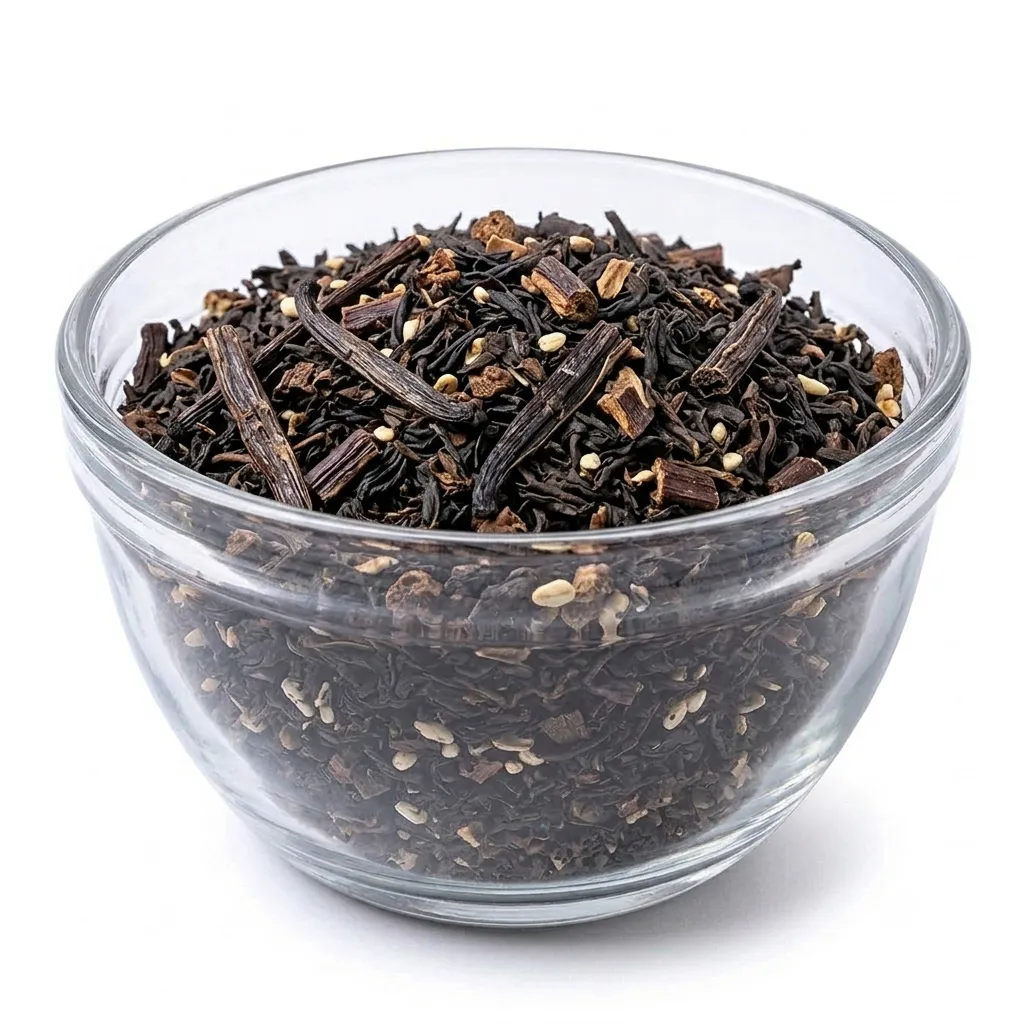
Vanilla Tea is a delightful and aromatic tea blend featuring the sweet, comforting fragrance and smooth flavour of vanilla. Its gentle aroma and mellow taste create a relaxing tea experience, making it a perfect choice for morning refreshments or peaceful evening breaks. Enjoy a delicious cup of warmth and comfort with every sip.
What makes BALANZING Vanilla Tea a good choice for everyday consumption?
BALANZING Vanilla Tea offers a distinctive aromatic flavour that can be enjoyed during morning breaks, working hours or relaxing evenings. Its versatile preparation makes it suitable for serving plain, with milk or as a chilled beverage, depending on individual taste preferences.
# Vanilla Tea – Natural Flavour, Tea Blending and Everyday Beverage Choices
Vanilla Tea is a flavoured beverage that combines the familiar taste of tea leaves with the smooth, sweet aroma of vanilla. It offers tea drinkers an alternative to conventional black tea, green tea and milk-based beverages without requiring complicated preparation. The flavour comes from combining a suitable tea base with natural vanilla beans, vanilla extract or food-grade vanilla flavouring. Depending on the ingredients and blending method, the final drink can have a mild floral aroma, a creamy taste, a malty finish or gentle sweetness. Vanilla Tea is available in loose-leaf, tea bag and instant powder formats, making it suitable for different preparation preferences. Its versatility also allows tea businesses, retailers, cafés, hotels and food service operators to introduce distinctive beverage options to their customers. In India, interest in flavoured beverages is influenced by changing consumer preferences, regional tea-drinking habits and demand for convenient products. From traditional tea drinkers looking for a different flavour to customers who prefer lighter infusions, Vanilla Tea offers several ways to explore new beverage experiences. The quality and character of Vanilla Tea depend on the ingredients selected during production. Tea leaves provide the foundation, while vanilla contributes its recognisable fragrance and rounded flavour. Black tea is commonly selected because its strong taste balances the sweetness of vanilla. Green tea offers a lighter profile, allowing the vanilla aroma to remain noticeable without overpowering the natural characteristics of the leaves. White tea can create a delicate infusion, whereas herbal combinations provide additional choices for customers who prefer beverages without conventional tea leaves. Vanilla beans contain aromatic compounds, including vanillin, which contributes to their characteristic scent. The beans are harvested from vanilla orchids, cured and processed to develop their familiar flavour. Their quality depends on factors such as cultivation conditions, harvesting maturity, curing practices and storage. Manufacturers may use whole vanilla beans, vanilla extract or approved flavouring ingredients depending on their product formulation and price requirements. Other ingredients, such as cinnamon, cardamom, ginger, dried flowers and citrus peel, can be incorporated to create distinctive blends. Understanding these components helps buyers assess flavour consistency, ingredient transparency and suitability for different beverage applications. Black Vanilla Tea is suitable for consumers who enjoy a stronger infusion with a noticeable vanilla finish. Its malty characteristics work well with milk, making it useful for preparing flavoured chai and tea lattes. Green Vanilla Tea provides a lighter alternative with a gentle vegetal character and a soft aromatic finish. White Vanilla Tea is generally more delicate and is often preferred by consumers who enjoy subtle flavours. Rooibos-based vanilla infusions offer another option because rooibos is naturally caffeine-free and does not contain conventional tea leaves. Herbal Vanilla Tea can also combine vanilla with ingredients such as chamomile, lemongrass, peppermint or rose petals. Each formulation serves a different preference, so product selection should consider caffeine content, ingredient composition, flavour strength and intended serving occasion. Businesses can also explore variations such as vanilla cinnamon tea, vanilla cardamom chai and vanilla rose blends to expand their beverage collections. These combinations provide opportunities to develop seasonal menus and differentiated retail products without depending entirely on traditional tea flavours. India has a well-established tea culture, with consumption patterns varying across states, communities and individual preferences. Consumers in different regions enjoy strong milk tea, lightly brewed black tea, spiced chai and modern café-style beverages. This diversity creates opportunities for flavoured tea products that introduce familiar ingredients in new combinations. Vanilla Tea in Andhra Pradesh can appeal to customers exploring aromatic alternatives to everyday tea, while Vanilla Tea in Arunachal Pradesh offers another flavoured beverage option for local retail and hospitality businesses. Vanilla Tea in Assam can connect with a region recognised for its tea-growing heritage, creating opportunities to explore combinations using suitable Assam tea leaves. Vanilla Tea in Bihar can be positioned for customers interested in flavoured everyday beverages, while Vanilla Tea in Chhattisgarh can serve retail outlets and cafés seeking additional tea varieties. Vanilla Tea in Goa can complement café menus, hospitality beverage selections and speciality retail collections. Vanilla Tea in Gujarat can attract consumers interested in both traditional and contemporary tea experiences. Vanilla Tea in Haryana can provide an alternative for customers looking beyond regular milk tea, and Vanilla Tea in Himachal Pradesh can be introduced as an aromatic beverage option for cafés, resorts and local retailers. Vanilla Tea in Jharkhand can expand the flavour choices available in grocery and speciality food stores. Vanilla Tea in Karnataka can suit the requirements of modern cafés, restaurants and packaged beverage retailers, particularly where customers explore different tea preparations. Vanilla Tea in Kerala can be introduced through speciality beverage outlets, supermarkets and hospitality businesses that offer diverse tea selections. Vanilla Tea in Madhya Pradesh can support the expansion of flavoured tea collections in local retail markets, while Vanilla Tea in Maharashtra can appeal to urban consumers, cafés and speciality tea shops interested in distinctive beverage options. Vanilla Tea in Manipur can provide another choice for customers exploring aromatic infusions, and Vanilla Tea in Meghalaya can complement the region’s varied tea-drinking preferences. Vanilla Tea in Mizoram can be included in speciality beverage collections, while Vanilla Tea in Nagaland can offer an alternative flavour profile for local retailers and hospitality businesses. Vanilla Tea in Odisha can serve consumers interested in experimenting with flavoured tea varieties, and Vanilla Tea in Punjab can be positioned alongside traditional chai and modern café beverages. Vanilla Tea in Rajasthan can expand the selection of packaged and speciality tea products available through retail channels. Vanilla Tea in Sikkim can appeal to customers who appreciate carefully prepared tea blends and distinctive aromas. Vanilla Tea in Tamil Nadu can complement established tea consumption habits with a different flavour experience, while Vanilla Tea in Telangana can suit supermarkets, restaurants and contemporary beverage outlets. Vanilla Tea in Tripura can provide additional variety for local tea retailers, and Vanilla Tea in Uttar Pradesh can reach customers through grocery stores, speciality food shops and online retail channels. Vanilla Tea in Uttarakhand can be included in hospitality menus and speciality beverage collections, while Vanilla Tea in West Bengal can offer an alternative for consumers familiar with the region’s strong tea culture. These state-level applications represent potential market opportunities rather than confirmed demand or sales availability. Actual commercial performance depends on pricing, distribution, product quality, customer awareness and local purchasing preferences. The commercial potential of flavoured tea extends beyond household consumption. Cafés can introduce Vanilla Tea as a standalone hot beverage, an iced tea option or a milk-based speciality drink. Hotels and restaurants can include it in breakfast menus, afternoon beverage selections and customised hospitality packages. Grocery retailers can offer different pack sizes to serve individual consumers and families, while speciality food stores can focus on loose-leaf blends and distinctive ingredient combinations. Online retailers can present detailed product descriptions, preparation instructions, ingredient information and packaging details to help customers make informed decisions. For wholesale buyers, product consistency is particularly important because the same flavour profile should be maintained across repeated orders. Businesses should examine the tea base, vanilla source, ingredient declaration, moisture control, packaging quality and recommended storage conditions before adding a product to their collections. They should also evaluate whether the formulation is suitable for plain brewing, milk preparation or cold beverages. Preparing a good cup of Vanilla Tea requires attention to water temperature, ingredient quantity and steeping time. For a standard cup, approximately 2 grams of loose-leaf tea can be used with 200–250 ml of hot water, although the ideal quantity depends on the blend. Black tea varieties generally tolerate hotter water, while green and white tea blends benefit from slightly lower temperatures to preserve their delicate flavour. A steeping period of around three to five minutes is a practical starting point for many black tea blends, while lighter varieties may require less time. The tea should be tasted and adjusted according to the manufacturer’s brewing instructions. Over-steeping can create bitterness, particularly when the base contains strong black tea leaves. For milk-based preparation, a suitable black tea blend can be brewed with milk and optionally combined with cardamom or cinnamon. Iced Vanilla Tea can be prepared by brewing the tea, allowing it to cool and serving it over ice. Alternatively, cold brewing can produce a gentler infusion when the formulation is suitable for this method. Using clean water, properly maintained equipment and accurate measurements helps maintain consistency when preparing multiple servings in commercial settings. Product quality is influenced by more than the flavouring ingredient alone. Buyers should assess the appearance, aroma, grade and consistency of the tea leaves before purchasing a blend. Vanilla ingredients should be clearly identified so customers can understand whether the product contains vanilla beans, vanilla extract or added flavouring. Businesses should avoid assuming that a product labelled vanilla automatically contains whole vanilla beans. Transparent ingredient declarations support better purchasing decisions and help retailers communicate accurately with customers. Packaging also plays an important role in preserving aroma. Tea should be protected from moisture, direct sunlight, excessive heat and strong surrounding odours. Airtight packaging with suitable moisture barriers can help retain the original characteristics of the blend during storage and distribution. Retailers should check manufacturing details, batch identification, shelf-life information and applicable food safety declarations. In India, packaged food businesses should consider relevant Food Safety and Standards Authority of India (FSSAI) requirements, including applicable labelling and licensing obligations. For bulk purchasing, buyers should also review minimum order quantities, packaging specifications, delivery arrangements and available product documentation. Modern beverage choices are influenced by flavour variety, convenience, ingredient awareness and preparation flexibility. Some customers prefer a simple cup of tea with a distinctive aroma, while others enjoy experimenting with milk, spices, natural sweeteners and chilled preparations. Vanilla provides a familiar flavour that can be combined with different ingredients without requiring a completely new brewing method. It can also be used in café-style beverages, dessert-inspired drinks and customised tea menus. Consumers who want to reduce added sugar may enjoy the aroma of vanilla in an unsweetened beverage, although vanilla itself should not be considered a substitute for medical treatment or a proven method of controlling blood glucose. Similarly, the presence of vanillin and other plant compounds does not establish that a prepared cup of tea can prevent diseases or provide guaranteed therapeutic benefits. The overall nutritional profile depends on the tea base, quantity consumed and additional ingredients such as milk, sugar or honey. Customers who are sensitive to caffeine should check the tea base because black, green, white and oolong tea naturally contain caffeine, whereas certain herbal alternatives may be caffeine-free. Choosing an appropriate blend involves understanding the intended customer group and selling environment. A retailer serving customers who prefer traditional chai may find a black tea and vanilla combination more suitable than a delicate white tea infusion. A speciality café may prefer loose-leaf blends that allow greater control over brewing strength and presentation. Hotels and restaurants may prioritise consistent flavour, convenient preparation and dependable replenishment. Buyers should compare ingredient quality, flavour intensity, caffeine information, packaging size, shelf life and commercial pricing before making a purchasing decision. Sample testing is useful because aroma and taste can differ considerably between manufacturers even when products share the same name. For bulk orders, businesses should confirm whether the product specification remains consistent between batches and whether the supplier can support the required delivery schedule. Vanilla Tea offers opportunities for businesses to develop beverage collections around different flavour preferences and serving occasions. A simple black tea and vanilla blend can serve as the foundation, while additional formulations can introduce floral, herbal or spice-based characteristics. Vanilla rose combinations can suit customers who enjoy gentle aromatic beverages, while vanilla cinnamon and vanilla cardamom blends can appeal to those familiar with Indian spice-based tea. Product descriptions should explain the tea base, vanilla ingredient, flavour characteristics, caffeine status and preparation method rather than relying on broad health claims. Retailers can also use accurate product photography, clear pack information and practical brewing recommendations to improve the online shopping experience. For cafés and hospitality operators, offering both hot and chilled versions can increase menu flexibility. Carefully selected flavoured tea products can help businesses introduce variety while maintaining a clear focus on ingredient quality, consistency and customer satisfaction.
I really enjoyed BALANZING Vanilla Tea. It has a pleasant vanilla aroma and a smooth flavour that makes every cup enjoyable. It’s a nice alternative to regular tea, and I would definitely recommend BALANZING Vanilla Tea to anyone who enjoys flavoured beverages.

user –
I really enjoyed BALANZING Vanilla Tea. It has a pleasant vanilla aroma and a smooth flavour that makes every cup enjoyable. It’s a nice alternative to regular tea, and I would definitely recommend BALANZING Vanilla Tea to anyone who enjoys flavoured beverages.