
Healthy intake 😃 Balanzed living

Stress Related Disorders

Stress is a natural response to life's challenges, but when it becomes frequent, intense, or long-lasting, it can affect both physical and mental health. Chronic stress may contribute to stress-related disorders that interfere with daily activities, relationships, work, and overall well-being.

Introduction

Stress Related Disorders are physical or psychological conditions that develop or worsen due to prolonged or overwhelming stress. These conditions may affect the nervous system, cardiovascular system, digestive system, immune system, and emotional health. Recognizing the signs of excessive stress and adopting healthy coping strategies can help reduce its impact and improve quality of life. This guide shows the impact of stress-related problems.
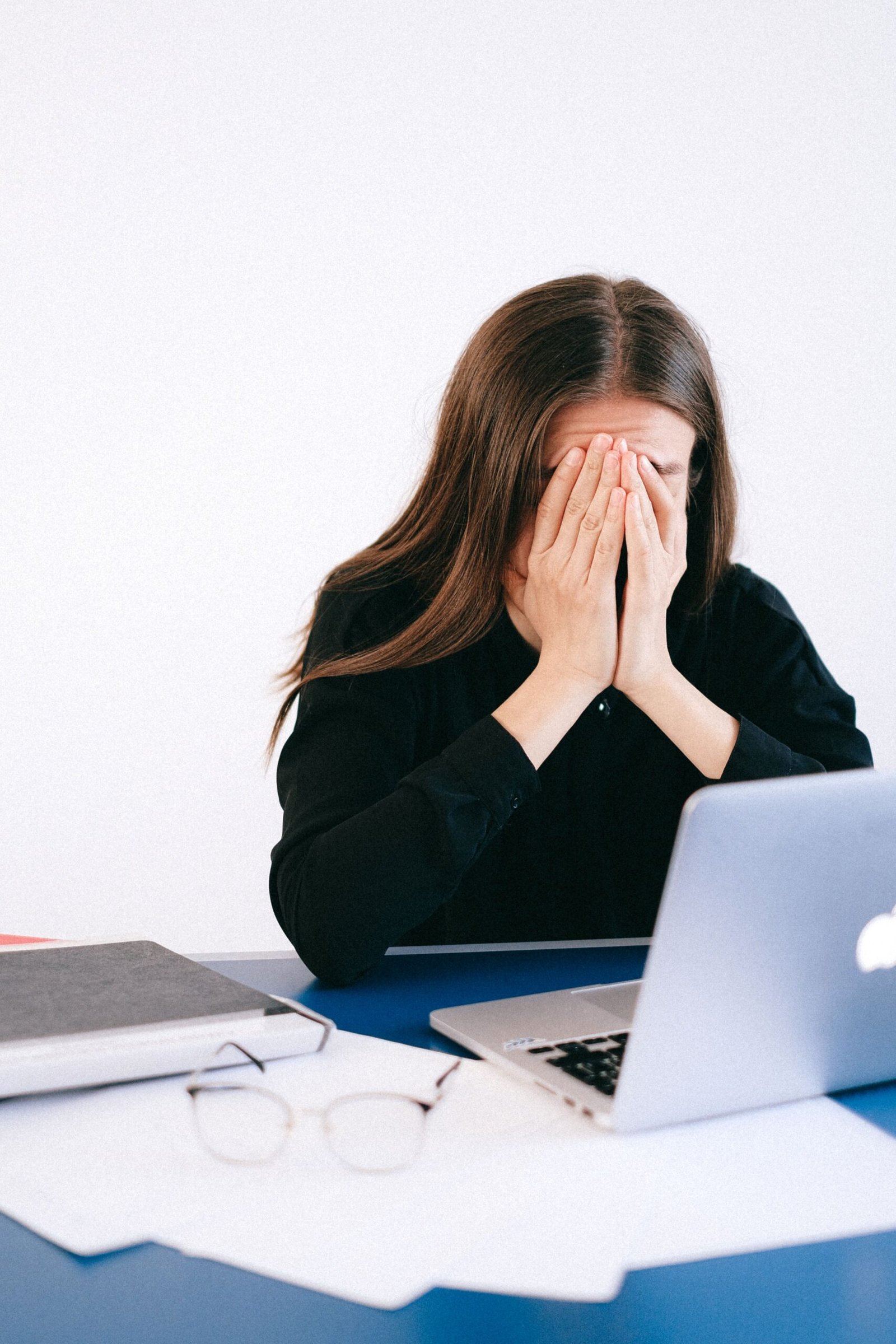
Stress Related Disorders

Essential Nutrients for Stress Management and Their Benefits


Nutrients

Benefits

Vitamin B Complex

Supports Nervous System

Magnesium

Promotes Relaxation

Omega-3 Fatty Acids

Supports Brain Health

Vitamin D

Supports Mood

Protein

Maintain Energy Levels


Why Managing Stress is Important

Managing stress helps to:

    • Improve mental well-being.
    • Support physical health.
    • Increase productivity.
    • Improve sleep quality.
    • Strengthen the immune system.
    • Enhance overall quality of life.

Common Causes of Stress-Related Disorders

  • Work-Related Pressure

Heavy workloads, long working hours, and job insecurity can increase stress.

  • Financial Problems

Money-related concerns may contribute to chronic emotional stress.

  • Family and Relationship Issues

Conflicts, caregiving responsibilities, or relationship difficulties can affect mental health.

  • Academic Pressure

Examinations and educational demands can be stressful for students.

  • Chronic Illness

Living with long-term medical conditions may increase emotional stress.

  • Major Life Changes

Loss of a loved one, divorce, relocation, or retirement can trigger prolonged stress.

Common Symptoms

  • Persistent anxiety.
  • Constant fatigue.
  • Difficulty concentrating.
  • Irritability.
  • Frequent headaches.
  • Muscle tension.
  • Sleep disturbances.
  • Digestive problems.

Possible Complications

Untreated chronic stress may contribute to:

  • Anxiety disorders.
  • Depression.
  • High blood pressure.
  • Heart disease.
  • Digestive disorders.
  • Reduced immunity.

Benefits of Managing Stress

  • Better emotional health.
  • Improved concentration.
  • Higher energy levels.
  • Better sleep quality.
  • Stronger immune function.
  • Improved overall well-being.

What Are the Common Physical Signs of Workplace Stress?

Physical Sign

What It May Feel Like

Headaches

Frequent tension or pressure in the head.

Muscle Tension

Tightness in the neck, shoulders, or back.

Rapid Heartbeat

Feeling your heart racing during stress.

Stomach Discomfort

Nausea, bloating, or an upset stomach.

Sleep Problems

Difficulty falling asleep or staying asleep.


What Jobs Won’t Destroy My Mental Health?

No job can guarantee perfect mental health, but roles with reasonable workloads, supportive management, clear expectations, flexibility, autonomy, and healthy work-life balance are generally less likely to contribute to chronic stress. Your personality, values, and coping resources also matter when choosing a sustainable career.

Am I Having a Stress Disorder or Just Anxious?

Occasional anxiety is a normal response to challenges. A stress-related disorder is more likely when symptoms are persistent, intense, interfere with daily functioning, affect sleep, concentration, relationships, or work performance, and continue even after the stressful situation improves. A mental health professional can provide an accurate diagnosis.

Can Work Stress Cause PTSD or Stress Disorders?

Work stress can contribute to stress-related disorders, and in some situations—such as workplace violence, severe harassment, accidents, threats, or other traumatic events—it may contribute to PTSD. Ordinary job pressure alone does not automatically cause PTSD, but chronic workplace stress can significantly affect mental health.

What Does Workplace Stress Feel Like in Your Body?

Common physical signs include muscle tension, headaches, jaw clenching, chest tightness, rapid heartbeat, stomach discomfort, nausea, fatigue, sleep problems, sweating, and feeling constantly “on edge.” Many people notice these symptoms before they fully recognize their emotional stress.

Can I Get Medical Leave for Stress-Related Disorders?

In many countries, including India, medical leave may be available if a qualified healthcare professional determines that your mental health condition is affecting your ability to work. The specific process depends on your employer’s policies, employment contract, and local labor laws.

How Long Does It Take to Recover From Work-Related Stress?

Recovery varies widely. Mild stress may improve within days or weeks, while chronic burnout or stress-related disorders can take several months. Factors such as workload changes, rest, therapy, social support, sleep, and overall health influence the recovery timeline.

Should I Quit My Job for My Mental Health?

Quitting may be worth considering if your job is causing significant and persistent harm to your mental or physical health and attempts to improve the situation—such as workload adjustments, boundaries, leave, or professional support—have not helped. Before making a major decision, it is often useful to assess finances, alternative opportunities, and guidance from a healthcare or career professional.

Stress Related Disorders:-This stress we live under is becoming the norm, isn't it? Deadlines, family duties, financial strain, constant digital demands. When this stress stretches out for far too long with no downtime, it can lead to those dreaded Stress Related Disorders that chip away at our physical and mental health and steal our peace. These can interfere with sleep, focus, relationships, our work lives, and just our general happiness.# Let's Understand the Causes of these disorders.This is probably one of the biggest things we need to get a grip on: the Causes of Stress-Related Disorders. The high-pressure environment of some workplaces, worrying about job security, overloaded work schedules, friction in relationships, caregiving responsibilities, academic pressure, or going through some awful event - these are all common culprits. More often than not, the Causes of Stress-Related Disorders aren't just a single incident, but the slow build-up of pressure that eventually overwhelms our systems.Things like financial insecurity, lacking a strong social network, and poor work-life balance can add to our vulnerability.Those of us who struggle to take breaks, can't say "no" when we need to, or always feel like we have to perform flawlessly are probably at greater risk.# spotting those early warning signsKnowing the Signs of Chronic Stress early on could prevent bigger health issues later. Some classic Signs of Chronic Stress include feeling tired all the time, being irritable, having trouble focusing, headaches popping up more frequently, that tight-knot-in-your-shoulder-or-neck feeling, digestive upset, difficulty sleeping, and just feeling a general sense of being constantly "on." I've even found myself becoming much more impatient with coworkers, friends, and family members when I'm in that mode.Emotionally, Signs of Chronic Stress can show up as a lack of motivation, enjoying activities less than you used to, increased worry, and feeling like everyday tasks are becoming insurmountable.These symptoms can sneak up on you, so it's not uncommon for us to brush them off until they really start to impact our lives.# taking control of our stressLearning effective Stress Management Techniques is vital for recovering from this. The simplest Stress Management Techniques involve creating clearer boundaries between work and your personal life. Avoiding unnecessary work after hours, taking short breaks, and scheduling in downtime can significantly ease that mental load.Physical exercise is also an incredibly potent weapon.Walking, yoga, swimming, or even just stretching can help lower stress hormones and lift our spirits. We also hear so much about deep breathing, meditation, and mindfulness – and for good reason, as these are proven Stress Management Techniques to help us relax and gain control over our emotional responses. And, of course, sleep plays a huge role. Trying to get a regular sleep schedule, limiting screen time before bed, and creating a calm sleep space can make a huge difference.Don't forget a balanced diet that supports us through these challenging times.# the lasting emotional tollThe Emotional Effects of Stress can be deep. When we're under prolonged stress, we might feel anxious, emotionally detached, drained, or hypersensitive to criticism. Over time, the Emotional Effects of Stress can even erode our self-confidence and rob activities of their joy.Chronic stress can also damage our relationships.Irritability, withdrawing from others, and general exhaustion can lead to misunderstandings and conflict with friends, family, and colleagues. Acknowledging the Emotional Effects of Stress is crucial because they can be just as debilitating as the physical symptoms.# when stress crosses the line into a disorderEveryone feels stress from time to time, but Stress Related Disorders manifest as consistent, intense symptoms that significantly disrupt our ability to function daily. If you notice that your Signs of Chronic Stress persist for weeks or even months, seeking professional help is a smart move. Your doctor or a mental health specialist can help diagnose whether these symptoms are part of a larger issue like anxiety, burnout, depression, or something else altogether.# tips to guard your mental health daily:Ready to take a proactive approach to your mental well-being and lessen the risk of Stress Related Disorders? Here are some simple habits to adopt:* Take short movement breaks every hour. * Spend at least 10 minutes each day practicing one of the Stress Management Techniques. * If caffeine or alcohol tend to ramp up your anxiety or disrupt your sleep, cut back on them. * Nurture relationships with friends and family who offer you support. * Focus on prioritizing tasks rather than trying to do it all at once. * Reach out for help sooner rather than later.By understanding the Causes of Stress-Related Disorders, recognizing the Signs of Chronic Stress, actively employing Stress Management Techniques, and paying attention to the Emotional Effects of Stress, you can make a meaningful difference in your long-term health and happiness. While stress is an inevitable part of life, developing healthy coping strategies, building strong support systems, getting enough rest, and seeking timely professional advice can help you prevent minor stress from spiraling into a full-blown Stress Related Disorder and lead to a more balanced and fulfilling life.Stress-Induced Illnesses: The Ultimate Guide to Causes, Symptoms, Management, and Emotional WellnessToday's world bombards us with constant demands on our time, energy, and attention. Work deadlines, financial stress, family needs, social expectations, and a never-ending stream of notifications can plunge us into a perpetual state of tension. If this stress continues for months or even years without proper respite, it can lead to Stress Induced Illnesses that negatively impact our mental and physical health. These conditions can make it hard to sleep, focus, connect with loved ones, work efficiently, and truly enjoy life.Why Ongoing Stress Becomes DetrimentalStress isn't inherently bad; it's a crucial survival response that helps us handle challenges, stay alert, and achieve important goals. The trouble starts when our bodies remain stuck in a high-alert state for an extended period. Individuals experiencing Stress Induced Illnesses often feel like they are perpetually "on," unable to truly switch off, even when on vacation or enjoying a weekend.It's essential to understand the Causes of Stress Induced Illnesses. Chronic workplace pressures - stemming from unrealistic expectations, excessive workloads, a lack of control, ineffective management, or job instability - are significant culprits. Financial worries, caregiving burdens, academic pressure, relationship conflicts, major life changes, and traumatic events are also major Causes of Stress Induced Illnesses.Often, Causes of Stress Induced Illnesses are not rooted in one overwhelming event. Instead, they emerge gradually through repeated exposure to stressors that, individually, may seem manageable but collectively become too much. Those who rarely take breaks, struggle to set healthy boundaries, or feel responsible for resolving everyone's issues are at higher risk.Detecting the Early SignsLearning to spot the Signs of Chronic Stress early on is a powerful way to prevent further health problems. Common Signs of Chronic Stress include persistent fatigue, headaches, stiff neck and shoulders, jaw tension, digestive upset, changes in appetite, difficulty concentrating, memory lapses, irritability, and sleep problems.Many people first notice emotional shifts before physical symptoms. These Signs of Chronic Stress might include feeling easily overwhelmed, uncharacteristic impatience, lack of motivation, social withdrawal, or a pervasive sense of unease. Because these symptoms often creep in subtly, they are frequently dismissed as simply "being stressed."Another important sign in Signs of Chronic Stress is its impact on our work performance. We might become more prone to procrastination, make more mistakes, struggle with decision-making, or feel disengaged from tasks we previously enjoyed. This can lead to a vicious cycle where deteriorating performance increases stress, further draining our energy and focus.Proven Ways to Manage StressLuckily, there are numerous evidence-based Stress Management Techniques that can help reduce stress and boost resilience. Establishing firm boundaries between your professional and personal life is one of the most effective Stress Management Techniques. This might mean setting a dedicated work-ending time, minimizing after-hours emails, and safeguarding time for rest and social connection.Regular exercise is also a potent stress reliever. Activities like walking, cycling, swimming, yoga, or strength training help lower stress hormones and lift your mood by releasing endorphins. Even a short, 20-minute brisk walk can be an excellent Stress Management Techniques strategy if done consistently.Breathing exercises and mindfulness offer valuable Stress Management Techniques. Techniques like slow, deep diaphragmatic breathing, meditation, progressive muscle relaxation, and guided mindfulness practices can help calm your nervous system and reduce that nagging "on-edge" feeling.Sleep is another crucial element. A lack of quality sleep makes us more prone to emotional outbursts and less equipped to handle daily challenges. Simple Stress Management Techniques such as maintaining a regular sleep schedule, limiting screen use before bed, keeping your bedroom cool and dark, and avoiding heavy late-night meals can dramatically improve recovery.Our diet plays a role, too. Balanced meals rich in protein, whole grains, fruits, vegetables, healthy fats, and adequate water stabilize your energy levels and support brain function. Limiting caffeine, alcohol, and heavily processed foods can also help alleviate anxiety and sleep disturbances for some.Understanding the Emotional Fallout of StressThe Emotional Effects of Stress can be just as profound as the physical symptoms. Individuals experiencing prolonged stress often feel anxious, drained, detached, hopeless, or overly sensitive to criticism. Over time, the Emotional Effects of Stress can erode self-confidence and diminish joy in formerly meaningful activities.Relationships can suffer, too. Irritability, withdrawal, emotional numbness, and diminished patience can lead to friction with partners, family, friends, and colleagues. Recognizing the Emotional Effects of Stress is vital because they are frequently overlooked until they begin to harm our closest bonds.When to Seek Professional GuidanceWhile occasional stress is a normal part of life, Stress Induced Illnesses are characterized by symptoms that are persistent, severe, and disrupt your daily functioning. If Signs of Chronic Stress have lasted for weeks, are interfering with your work or relationships, causing significant sleep issues, triggering panic episodes, or leaving you feeling hopeless, it's highly recommended to seek professional support.A healthcare provider or therapist can help diagnose whether your symptoms are due to anxiety, burnout, depression, adjustment disorder, PTSD, or another underlying condition. Early intervention often leads to improved outcomes.Daily Practices for Mental Well-BeingTo reduce your risk of Stress Induced Illnesses, incorporate these simple daily habits:* Take brief movement breaks every hour. * Dedicate at least 10 minutes each day to a Stress Management Techniques. * Prioritize your most important tasks rather than multitasking. * Stay connected with supportive friends and family. * Schedule activities that bring you genuine enjoyment, not just productivity. * Seek help promptly instead of waiting for your symptoms to become acute.Understanding the Causes of Stress Induced Illnesses, recognizing the Signs of Chronic Stress, implementing effective Stress Management Techniques, and paying attention to the Emotional Effects of Stress can significantly improve your long-term well-being. While stress is an unavoidable part of life, establishing healthy boundaries, prioritizing recovery, nurturing supportive relationships, engaging in physical activity, ensuring adequate sleep, and seeking professional guidance when needed are key to preventing temporary stress from escalating into serious Stress Induced Illnesses, fostering a healthier, more balanced, and emotionally resilient you.# Burnout is Real: How Stress-Related Disorders Can Impact Your Life (and What to Do)Stress isn't just part of life; when it becomes chronic and we don't allow our bodies enough time to recover, it can take a serious toll on our brains, bodies, emotional health, and even our ability to function daily. But not to worry, this is often a gradual process and knowing what stress-related disorders look like is the first step to managing them before they get worse.So what actually causes these Stress-Related Disorders to creep up? You might be surprised, because they often don't come from one massive stressor, but rather a culmination of small ones. If you're struggling with the sheer amount of hours you work, a constant flow of unrealistic deadlines, financial anxieties, family or caregiving commitments, the weight of academic pursuits, or even a major life transition - you're likely at risk for developing stress-related disorders. Sometimes, these accumulated, lower-grade stressors can be just as damaging as a single major event.We tend to see a lot of workplace triggers, too. Feeling like you have zero control over your tasks, not enough support from your superiors, or a constant fear of losing your job can be breeding grounds for stress-related disorders. Relationship drama, feeling isolated, or never having enough time for yourself can contribute significantly, as well.Recognizing Signs of Chronic Stress early on is crucial for mitigating its damage. Are you constantly tired, suffer from persistent headaches or tension in your neck and shoulders, have digestive issues, trouble sleeping, find yourself zoning out or unable to concentrate, or just feel overwhelmed all the time? You might be showing the earliest signs of chronic stress Some of us might even notice changes in our appetite, find ourselves putting things off constantly, and struggling to enjoy activities we used to love. Don't dismiss the signs of chronic stress you're experiencing on an emotional level, either. Anxiety, frustration, feeling emotionally exhausted, experiencing mood swings, or even just feeling numb and detached can all point to a problem. If these emotional symptoms have been lingering for weeks or months, it's likely that your stress is becoming chronic and the building blocks for Stress Related Disorders are beginning to form. Fortunately, developing effective Stress Management Techniques can make a huge difference both in preventing and in overcoming the effects of chronic stress. One of the easiest techniques you can implement right away? Draw a clear line between your work life and your personal life. Schedule regular breaks, avoid unnecessary overtime, and make sure to make time for rest and recovery. Physical activity is another fantastic tool for your Stress Management Techniques toolbox. A brisk walk, a gentle yoga session, stretching, or even swimming are wonderful for managing stress because they effectively lower your stress hormone levels and give you a natural mood boost. Even just 20 minutes of walking a day can work wonders for soothing your nervous system.

Disclaimer

The information provided on this website is collected and compiled from publicly available sources for general informational purposes only.

Leave a Reply

Your email address will not be published. Required fields are marked *

Comments

  1. I found this Balanzing article on Stress Related Disorders extremely informative and relatable. The explanation of the causes, warning signs, emotional effects, and practical stress management techniques was easy to understand and very useful for anyone dealing with chronic work or life stress.

Table of Contents