Healthy intake 😃 Balanzed living

Vegetables for Immunity and Healthy Living

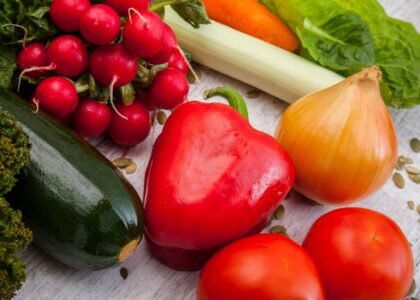
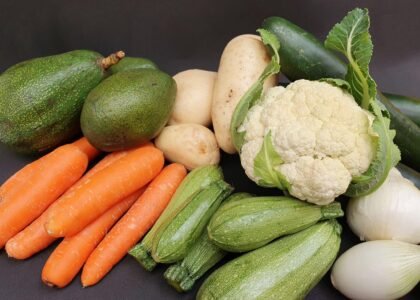
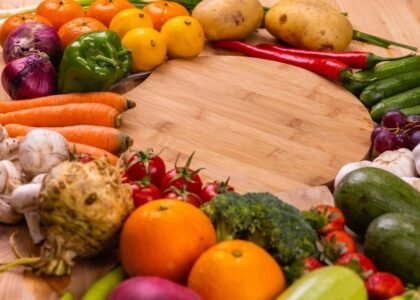
Eating the right vegetables every day can help strengthen your immune system, protect your body from infections, and improve overall wellness.

Vegetables for Immunity - Health Benefits

1. Rich in Antioxidants

Many vegetables contain antioxidants that protect cells from damage caused by free radicals. Antioxidants help reduce inflammation and support immune health.

2. Boost White Blood Cell Function

Vegetables rich in vitamin C and vitamin A help improve the production and performance of white blood cells, which fight infections.

3. Improve Gut Health

A healthy gut is essential for strong immunity. Fiber-rich vegetables support healthy digestion and encourage good bacteria in the intestines.

4. Reduce Inflammation

Chronic inflammation weakens the immune system. Vegetables contain anti-inflammatory compounds that help protect the body.

5. Support Faster Recovery

Nutrient-rich vegetables help the body heal faster after illnesses, injuries, or infections.

6. Protect Against Seasonal Illnesses

Regular consumption of immunity-boosting vegetables may reduce the risk of common colds, flu, and infections.

vegetables for immunity

Benefits of Adding Vegetables for Immunity to Your Daily Diet

Supports Natural Disease Protection

Vegetables contain vitamins and minerals that help your immune system recognize and fight harmful pathogens naturally.

Enhances Energy Levels

When your body gets proper nutrients from vegetables, you feel more energetic and active throughout the day.

Promotes Healthy Skin

Vegetables rich in vitamins A and E improve skin health and protect against environmental damage.

Helps Maintain Healthy Weight

Most vegetables are low in calories and high in fiber, making them excellent for weight management.

How Does Vegetables for Immunity to improve Your Health?

Strengthening Immune Response

Vegetables help activate immune cells that protect the body against infections and harmful microorganisms.

Detoxifying the Body

Vegetables contain natural detoxifying compounds that help remove toxins and support liver function.

Improving Blood Circulation

Nutrients like iron and potassium improve circulation, helping oxygen and nutrients reach body tissues effectively.

Supporting Brain Health

Many vegetables contain antioxidants and vitamins that support memory, concentration, and mental wellness.

Balancing Blood Sugar Levels

Fiber-rich vegetables slow sugar absorption and help maintain stable blood sugar levels.

Why are vegetables important for strengthening the immune system?

Vegetables play an essential role in maintaining overall wellness because they are packed with vitamins, minerals, antioxidants, and fiber that help support the body’s natural defense system. Including vegetables for immunity in your daily meals can help improve energy levels, support healthy body functions, and protect against common health concerns. Many people choose the best vegetables for immune system support because they provide nutrients such as Vitamin C, Vitamin A, and iron that contribute to better immune health naturally.

Leafy greens, colorful vegetables, and nutrient-rich foods are considered among the top vegetables for immune health due to their powerful nutritional benefits. Adding green vegetables for immune support to a balanced diet may help the body stay active and healthy throughout the year. Experts also recommend consuming natural immunity boosting vegetables regularly as part of a healthy lifestyle to promote long-term wellness and better overall health.

Different Types of Vegetables for Immunity & Their Health Benefits, Key Nutrients

Vegetable Key Nutrients Health Benefits
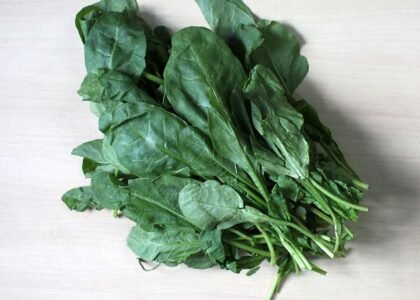
Spinach Iron, Vitamin C, Antioxidants Supports immunity and energy
Broccoli Vitamin C, Fiber Helps fight infections
Garlic Allicin, Antioxidants Natural antibacterial properties
Carrots Beta-carotene, Vitamin A Improves eye and immune health
Bell Peppers Vitamin C, Antioxidants Boosts immune cell function
Kale Vitamin K, Vitamin C Reduces inflammation
Sweet Potatoes Vitamin A, Fiber Supports gut and immune health
Tomatoes Lycopene, Vitamin C Protects against cell damage

How does Balanzing enhance Vegetables for Immunity?

The Balanzing approach maximizes Vegetables for Immunity benefits by encouraging consistent, mindful, and moderate consumption as part of a balanced lifestyle. Vegetables for Immunity is naturally rich in vitamins, minerals, antioxidants, and dietary fiber, which together support immunity, digestion, blood sugar regulation, heart health, and overall wellness. By following Balanzing principles, individuals consume Vegetables for Immunity in proper portions and at appropriate times, ensuring that the body efficiently absorbs and utilizes its nutrients. This method enhances long-term benefits such as stronger immunity, improved digestive function, stable blood sugar levels, healthier skin, and sustained energy, while preventing overconsumption.
vegetables for immunity best vegetables for immune system top vegetables for immune health green vegetables for immune support natural immunity boosting vegetables vegetables for immunity best vegetables for immune system top vegetables for immune health green vegetables for immune support natural immunity boosting vegetables Vegetables for Immunity: Best Natural Foods for a Stronger Immune System Maintaining a healthy immune system is essential for overall wellness and daily energy. A balanced diet filled with nutrient-rich vegetables can help the body stay active, healthy, and naturally protected. Many health experts recommend adding vegetables for immunity to everyday meals because they contain important vitamins, minerals, antioxidants, and fiber that support the body’s natural defense system. People looking for the best vegetables for immune system support often choose colorful vegetables, leafy greens, and fresh seasonal produce because they provide nutrients that help improve overall health. Including the top vegetables for immune health in a balanced diet may help support healthy body functions, improve digestion, and promote better wellness naturally. Why Immunity Is Important The immune system protects the body from harmful bacteria, viruses, and environmental stressors. A strong immune system helps the body respond effectively to health challenges and supports faster recovery. Daily lifestyle habits such as proper sleep, regular exercise, hydration, and healthy eating all contribute to better immune function. Among healthy dietary choices, green vegetables for immune support are considered highly beneficial because they contain natural compounds that help nourish the body. Fresh vegetables are often low in calories while being rich in nutrients, making them an excellent addition to healthy meals. Nutrients That Help Support Immunity Many natural immunity boosting vegetables contain essential nutrients that help the body function properly. Some important nutrients include: Vitamin C Vitamin A Vitamin E Zinc Iron Antioxidants Fiber Folate These nutrients support healthy cells, improve body functions, and help maintain overall wellness. Spinach for Immune Health Spinach is one of the most popular vegetables for immunity because it contains iron, Vitamin C, antioxidants, and fiber. It is also rich in plant compounds that help support overall health naturally. Adding spinach to soups, salads, smoothies, or cooked meals is an easy way to include the best vegetables for immune system support in a daily diet. Spinach is also known for supporting healthy digestion and energy levels. Broccoli as a Nutrient-Rich Vegetable Broccoli is considered one of the top vegetables for immune health due to its impressive nutritional value. It contains Vitamin C, Vitamin K, fiber, and antioxidants that help support wellness. Many people include broccoli among their favorite green vegetables for immune support because it can be prepared in different ways such as steaming, roasting, or adding to stir-fries and soups. Carrots for Natural Wellness Carrots are rich in beta-carotene, which the body converts into Vitamin A. Vitamin A supports healthy skin and body functions, making carrots an excellent choice among natural immunity boosting vegetables. Carrots are easy to include in snacks, salads, juices, and cooked meals. Their natural sweetness and nutritional value make them suitable for both children and adults. Bell Peppers and Vitamin C Bell peppers are colorful vegetables packed with Vitamin C and antioxidants. Red, yellow, and orange bell peppers are especially rich in nutrients that support overall wellness. People searching for effective vegetables for immunity often include bell peppers because they help provide important nutrients while adding flavor and color to meals. Garlic and Immune Support Garlic has been used in traditional diets for generations because of its natural health-supporting properties. It contains beneficial plant compounds and antioxidants that help support the body naturally. As one of the best vegetables for immune system support, garlic is commonly added to soups, curries, roasted dishes, and sauces for both flavor and nutrition. Tomatoes and Antioxidants Tomatoes contain Vitamin C, potassium, and antioxidants such as lycopene. These nutrients help support healthy body functions and overall wellness. Including tomatoes among the top vegetables for immune health can help provide important nutrients while enhancing the taste of salads, sandwiches, curries, and soups. Kale and Leafy Greens Kale is another highly nutritious leafy green packed with antioxidants, Vitamin C, and fiber. It is considered one of the healthiest green vegetables for immune support because it helps provide a variety of nutrients needed for daily wellness. Kale can be added to smoothies, soups, salads, or lightly cooked dishes for better nutrition. Beetroot for Daily Nutrition Beetroot contains antioxidants, iron, folate, and fiber that support healthy body functions. It is often included among natural immunity boosting vegetables because of its nutritional profile. Beetroot can be enjoyed roasted, boiled, juiced, or added to salads for a colorful and healthy meal option. Cabbage for Overall Health Cabbage is rich in fiber, antioxidants, and vitamins that help support digestion and wellness. It is one of the affordable and easily available vegetables for immunity suitable for daily meals. Both green and purple cabbage varieties provide valuable nutrients that support healthy eating habits. Sweet Potatoes and Vitamin A Sweet potatoes are loaded with beta-carotene and fiber. They are often recommended as one of the best vegetables for immune system support because they help provide long-lasting energy and important nutrients. Roasted sweet potatoes, mashed dishes, or baked snacks are healthy ways to enjoy this vegetable. Mushrooms for Wellness Mushrooms contain minerals, antioxidants, and nutrients that help support overall wellness. Different varieties such as button mushrooms, shiitake mushrooms, and oyster mushrooms are included among the top vegetables for immune health because they contribute to balanced nutrition. They can be added to soups, stir-fries, pasta dishes, and salads. Green Peas for Balanced Nutrition Green peas are rich in protein, fiber, and vitamins. These green vegetables for immune support are often included in balanced diets because they help support healthy digestion and overall nutrition. Peas can be mixed into rice dishes, curries, soups, or salads for extra nutrients. Pumpkin for Seasonal Wellness Pumpkin is rich in beta-carotene, antioxidants, and fiber. It is one of the beneficial natural immunity boosting vegetables commonly enjoyed in soups, curries, and roasted dishes. Pumpkin supports balanced nutrition while adding flavor and texture to meals. Cauliflower and Healthy Eating Cauliflower contains antioxidants, Vitamin C, and fiber that help support healthy body functions. It is considered one of the versatile vegetables for immunity because it can be steamed, roasted, mashed, or used in healthy recipes. Many people enjoy cauliflower as part of a balanced diet focused on overall wellness. Benefits of Eating Vegetables Daily Consuming fresh vegetables regularly provides numerous health benefits, including: Better digestion Improved energy levels Balanced nutrition Healthy body functions Support for natural wellness Increased fiber intake Better hydration from water-rich vegetables People looking for the best vegetables for immune system support are encouraged to include a variety of colorful vegetables in their meals to maximize nutrient intake. Importance of Variety in Vegetables Eating different vegetables helps the body receive a wide range of nutrients. Different colors often represent different vitamins and antioxidants. For example: Green vegetables contain chlorophyll and iron Orange vegetables provide beta-carotene Red vegetables contain antioxidants like lycopene Purple vegetables offer plant compounds that support wellness Including a mix of the top vegetables for immune health helps create a balanced and nutritious diet. Healthy Ways to Prepare Vegetables Cooking methods can influence the nutritional value of vegetables. Healthy preparation methods include: Steaming Roasting Grilling Stir-frying with minimal oil Eating raw in salads Avoiding excessive frying or overcooking helps preserve nutrients found in green vegetables for immune support. Vegetables and Hydration Many vegetables contain high amounts of water that help support hydration. Cucumbers, tomatoes, lettuce, and celery are examples of hydrating vegetables that contribute to overall wellness. Hydration is important because it supports healthy body functions and complements the benefits of natural immunity boosting vegetables. Vegetables for Children and Families Including vegetables in family meals helps support balanced nutrition for all age groups. Parents can encourage children to eat more vegetables by: Adding vegetables to sandwiches and wraps Preparing colorful salads Making vegetable soups Creating smoothies with leafy greens Serving roasted vegetable snacks Introducing vegetables for immunity early in life helps build healthier eating habits. Seasonal Vegetables for Better Nutrition Fresh seasonal vegetables are often more flavorful and nutrient-rich. Shopping for local produce can help families enjoy a variety of the best vegetables for immune system support throughout the year. Seasonal vegetables may also be more affordable and fresher compared to processed foods. Combining Vegetables with a Healthy Lifestyle A healthy lifestyle works best when balanced nutrition is combined with other positive habits such as: Regular exercise Proper sleep Stress management Staying hydrated Limiting processed foods Adding the top vegetables for immune health to daily meals is one important step toward maintaining better wellness naturally. Simple Meal Ideas with Immune-Boosting Vegetables Healthy meal ideas using green vegetables for immune support include: Spinach and tomato salad Broccoli stir-fry Carrot and beetroot juice Mixed vegetable soup Roasted sweet potatoes Garlic vegetable curry Kale smoothie bowls These meals provide nutrients while supporting balanced eating habits. Conclusion Eating a variety of natural immunity boosting vegetables is one of the simplest ways to support overall wellness and healthy living. Nutrient-rich vegetables provide essential vitamins, antioxidants, fiber, and minerals that help the body function properly every day. Including vegetables for immunity in regular meals can support balanced nutrition, healthy digestion, and better daily energy levels. People searching for the best vegetables for immune system support should focus on colorful vegetables, leafy greens, and fresh seasonal produce. Adding the top vegetables for immune health and green vegetables for immune support to a healthy lifestyle may help promote long-term wellness naturally. Healthy Vegetables That Support Overall Wellness Eating fresh vegetables every day is one of the easiest ways to maintain a balanced and healthy lifestyle. Vegetables provide important nutrients that help the body function properly and support daily wellness. They are naturally rich in vitamins, minerals, antioxidants, and fiber, making them an essential part of nutritious meals for people of all ages. A healthy diet filled with colorful vegetables can help improve energy levels, support digestion, and promote overall well-being. Green leafy vegetables, root vegetables, and brightly colored produce all contain unique nutrients that contribute to better health. Including a variety of vegetables in daily meals ensures the body receives different types of nutrients needed for normal body functions. Leafy greens such as spinach, kale, and lettuce are packed with nutrients that help support a healthy lifestyle. These vegetables are low in calories and high in vitamins, making them suitable for salads, soups, smoothies, and cooked dishes. Broccoli and cabbage are also popular choices because they provide fiber and antioxidants that support balanced nutrition. Carrots and sweet potatoes are rich in beta-carotene, a nutrient that the body converts into Vitamin A. This nutrient helps maintain healthy body functions and supports overall wellness. These vegetables can be roasted, steamed, or added to soups and curries for delicious and healthy meals. Bell peppers are another nutritious option because they contain vitamins and antioxidants while adding vibrant color and flavor to dishes. Red, yellow, and green peppers can be used in salads, stir-fries, sandwiches, and roasted recipes. Tomatoes are also widely enjoyed for their refreshing taste and nutritional value. They can be included in salads, sauces, soups, and many homemade meals. Garlic and onions are commonly used in cooking and are valued for their natural plant compounds and rich flavor. These ingredients are often included in traditional recipes and help enhance the taste of healthy dishes. Mushrooms are another versatile vegetable option that can be added to pasta, soups, rice dishes, and stir-fries for additional nutrients and texture. Beetroot is known for its bright color and nutritional benefits. It contains fiber, vitamins, and minerals that help support balanced eating habits. Beetroot can be enjoyed raw in salads, blended into juices, or cooked in warm dishes. Pumpkin is another nutrient-rich vegetable often used in soups, curries, and roasted recipes because of its naturally sweet flavor and smooth texture. Green peas and beans provide plant-based nutrients and fiber that support healthy digestion and balanced meals. These vegetables can easily be added to rice dishes, curries, and soups. Cauliflower is also a healthy addition to everyday meals and can be prepared in many ways including roasting, steaming, and grilling. Eating vegetables regularly can help support healthy digestion because many vegetables contain dietary fiber. Fiber helps maintain normal digestion and supports balanced eating habits. Fresh vegetables also contain water, which contributes to hydration and overall wellness. Preparing vegetables in healthy ways can help preserve their nutrients. Steaming, roasting, grilling, and lightly stir-frying are commonly recommended cooking methods. Overcooking vegetables may reduce some of their nutritional value, so simple preparation methods are often preferred. Including vegetables in family meals is a great way to encourage healthier eating habits. Adding colorful vegetables to lunch boxes, soups, wraps, salads, and snacks can make meals more enjoyable and nutritious for children and adults alike. A balanced lifestyle that includes nutritious foods, proper hydration, regular exercise, and enough rest can help support long-term wellness. Fresh vegetables play an important role in maintaining healthy daily routines and improving overall quality of life naturally. Fresh vegetables are an important part of a healthy lifestyle because they provide essential nutrients that support overall wellness. Vegetables contain vitamins, minerals, antioxidants, and fiber that help the body function properly and maintain balanced nutrition. Including a variety of colorful vegetables in daily meals can help improve energy levels, support digestion, and promote better health naturally. Leafy greens such as spinach, kale, and lettuce are popular choices because they are rich in nutrients and easy to include in salads, soups, and smoothies. Vegetables like carrots, broccoli, bell peppers, tomatoes, and sweet potatoes also provide important vitamins and antioxidants that support healthy eating habits. Garlic, onions, and beetroot are commonly used in nutritious meals because of their natural health-supporting properties. Preparing vegetables through steaming, roasting, grilling, or light cooking helps preserve their nutrients while enhancing flavor. Adding fresh vegetables to everyday meals is a simple way to maintain balanced nutrition and support long-term wellness for the entire family. vegetables for immunity best vegetables for immune system top vegetables for immune health green vegetables for immune support natural immunity boosting vegetables vegetables for immunity best vegetables for immune system top vegetables for immune health green vegetables for immune support natural immunity boosting vegetables

Disclaimer

The information provided on this website is collected and compiled from publicly available sources for general informational purposes only.

Table of Contents