
Weight Loss Workouts: A Complete Guide to Burning Fat, Improving Fitness, and Achieving Healthy Weight Management
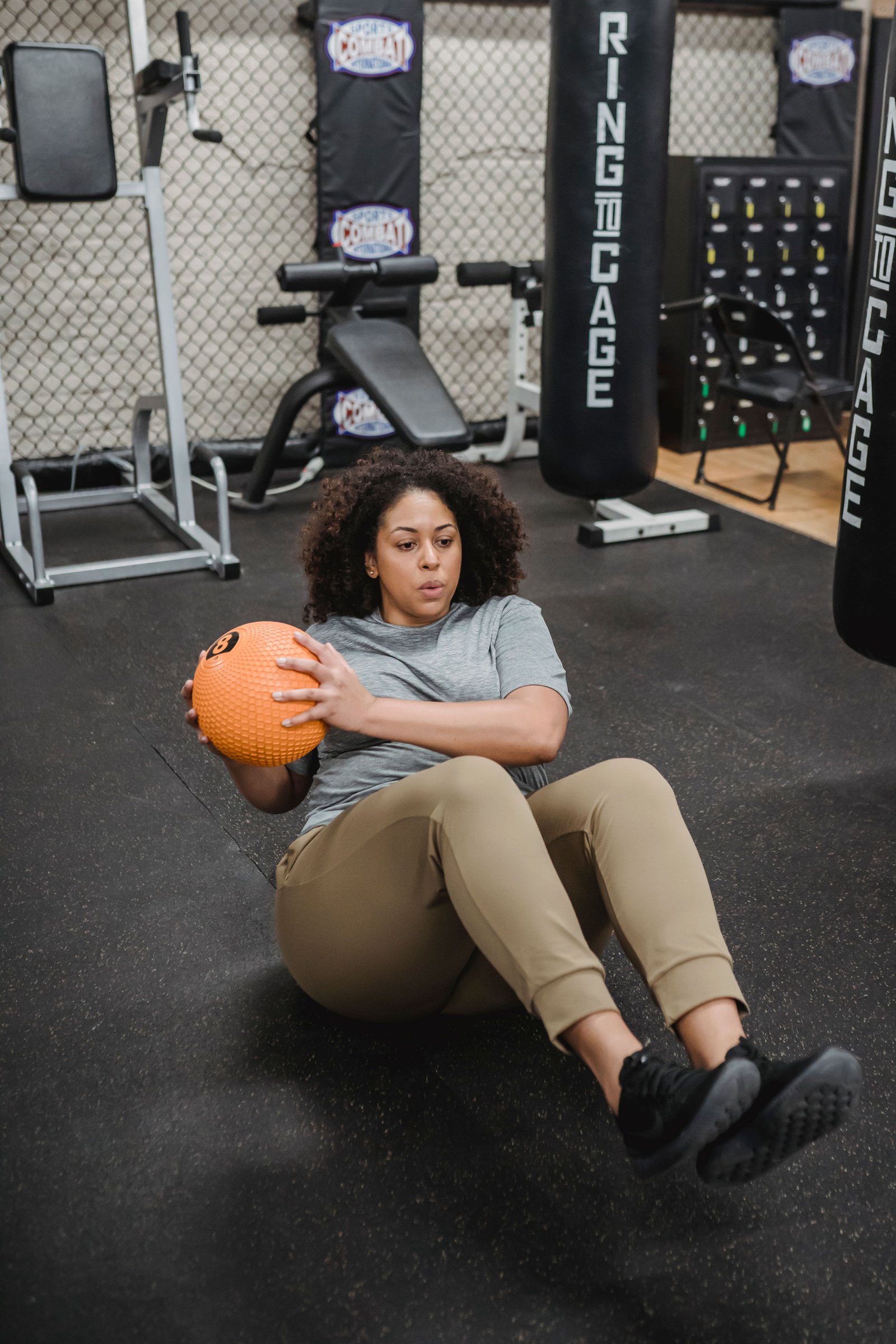
Weight loss workouts are one of the most effective ways to improve overall health, reduce body fat, increase energy levels, and enhance physical fitness. While nutrition plays a crucial role in weight management, regular exercise helps burn calories, build lean muscle, boost metabolism, and improve cardiovascular health. A combination of cardio exercises, strength training, and functional workouts provides the best results for sustainable and healthy weight loss.
Whether you're beginning your fitness journey or looking to improve your current workout routine, choosing the right exercises and maintaining consistency can help you achieve your goals safely and effectively.
Introduction
Weight loss workouts refer to fitness programs built specifically to burn more calories, reshape body composition, and boost overall wellness. These routines typically combine cardio exercises, strength training, high-intensity interval training (HIIT), and stretching or mobility work — each contributing to fat reduction while helping the body hold onto lean muscle.
Real, lasting weight loss doesn't come from overtraining or chasing the latest fitness fad. It comes from consistently managing your calorie balance through steady physical activity, sound eating habits, sufficient rest, and sustainable lifestyle habits overall.
This guide covers the key nutrients that aid weight loss, the most effective types of workouts, why consistent exercise matters, the broader health benefits involved, smart workout suggestions, mistakes people commonly make along the way, and situations where it's worth consulting a professional.
Essential Nutrients for Healthy Weight Loss
Proper nutrition helps fuel workouts, preserve muscle mass, and support recovery while promoting healthy fat loss.
|
Nutrient |
Benefits |
Best Food Sources |
|
Protein |
Preserves muscle mass, supports recovery, and increases satiety |
Chicken, fish, eggs, beans, lentils, tofu |
|
Complex Carbohydrates |
Provide sustained energy during workouts |
Brown rice, oats, quinoa, sweet potatoes |
|
Dietary Fiber |
Promotes fullness and supports healthy digestion |
Fruits, vegetables, oats, whole grains |
|
Healthy Fats |
Support hormone balance and long-lasting energy |
Avocados, nuts, seeds, olive oil |
|
Vitamin D |
Supports muscle function and bone health |
Sunlight, fortified milk, egg yolks |
|
Magnesium |
Supports muscle recovery and energy production |
Spinach, almonds, pumpkin seeds |
|
Water |
Maintains hydration and exercise performance |
Water, fruits, vegetables |
Types of Weight Loss Workouts
A balanced weight loss program combines different forms of exercise for maximum effectiveness.
|
Workout Type |
Benefits |
Examples |
|
Cardio Training |
Burns calories and improves heart health |
Walking, Running, Cycling, Swimming |
|
Strength Training |
Builds lean muscle and boosts metabolism |
Squats, Deadlifts, Dumbbell Exercises |
|
HIIT |
Maximizes calorie burn in a shorter time |
Sprint Intervals, Burpees, Jump Squats |
|
Functional Training |
Improves balance, coordination, and overall fitness |
Lunges, Kettlebell Swings, Push-ups |
|
Circuit Training |
Combines strength and cardio for efficient fat loss |
Full-body workout circuits |
|
Low-Impact Workouts |
Suitable for beginners and joint-friendly |
Brisk Walking, Elliptical, Stationary Bike |
Why Do Weight Loss Workouts Matter?
Consistent weight loss workouts offer a range of benefits, including:
- Burning stored fat and cutting excess calories.
- Strengthening heart and cardiovascular function.
- Building and preserving lean muscle.
- Speeding up metabolic rate.
- Enhancing how the body responds to insulin.
- Building greater stamina and endurance.
- Lowering the risk of diseases linked to obesity.
- Making it easier to maintain weight loss over time.
- Supporting better mental health and lowering stress levels.
- Contributing to overall wellness and quality of life.
Benefits of Weight Loss Workouts
Supports Healthy Fat Loss
Regular exercise helps create a calorie deficit, allowing the body to use stored fat as an energy source.
Boosts Metabolism
Strength training increases lean muscle mass, helping the body burn more calories even while at rest.
Improves Heart Health
Cardiovascular workouts strengthen the heart, improve circulation, and lower the risk of heart disease.
Increases Energy Levels
Consistent physical activity improves stamina and reduces feelings of fatigue.
Preserves Lean Muscle
Resistance training helps maintain muscle while losing fat, improving body composition.
Improves Mental Well-being
Exercise stimulates the release of endorphins, reducing stress, anxiety, and improving mood.
Enhances Physical Fitness
Weight loss workouts improve flexibility, endurance, balance, coordination, and overall functional fitness.
Supports Long-Term Weight Management
Regular exercise combined with healthy eating habits helps maintain a healthy weight and reduces the likelihood of weight regain.
Healthy Workout Tips
Following healthy exercise habits helps maximize results while reducing the risk of injuries.
- Exercise for at least 150–300 minutes of moderate-intensity activity per week.
- Combine cardio and strength training for balanced fitness.
- Warm up before every workout and cool down afterward.
- Increase workout intensity gradually.
- Stay hydrated before, during, and after exercise.
- Eat a balanced diet rich in protein, fruits, vegetables, and whole grains.
- Get 7–9 hours of quality sleep every night.
- Stay consistent rather than focusing on quick results.
- Include rest days to support muscle recovery.
Common Mistakes to Avoid
Avoid these common mistakes during weight loss workouts:
- Skipping strength training and relying only on cardio.
- Following crash diets or severely restricting calories.
- Exercising with poor technique.
- Overtraining without proper recovery.
- Ignoring hydration and nutrition.
- Setting unrealistic weight loss expectations.
- Skipping warm-up and cool-down routines.
- Comparing your progress with others instead of focusing on consistency.
When to Consult a Fitness Professional
Consult a certified fitness trainer or healthcare professional if you:
- Are new to exercise and need a structured workout plan.
- Have obesity, diabetes, heart disease, or high blood pressure.
- Experience chest pain, dizziness, or shortness of breath during exercise.
- Have joint pain or previous injuries.
- Need personalized weight loss guidance.
- Want advice on proper exercise technique and nutrition.
How Does Balanzing Help?
Balanzing is committed to helping individuals achieve healthier lifestyles through trusted fitness education, expert-backed wellness guidance, and practical nutrition advice. Our evidence-based content helps people understand effective weight loss strategies, safe workout techniques, healthy eating habits, and sustainable lifestyle changes.
By promoting regular physical activity, balanced nutrition, preventive healthcare, and long-term healthy habits, Balanzing empowers individuals to lose weight safely, improve fitness, boost confidence, and achieve lasting health and wellness.
What Are the Types and Benefits of Weight Loss Workouts?
| Types of Weight Loss Workouts | Benefits |
|---|---|
| Cardio Workouts | Supports calorie burning |
| Strength Training | Helps build and maintain muscle |
| HIIT Workouts | Provides an efficient, intense workout |
| Walking | Easy, low-impact activity |
| Bodyweight Exercises | Can be done without equipment |
| Circuit Training | Combines strength and cardio |
| Flexibility Exercises | Supports mobility and movement |
| Home Workouts | Convenient and time-saving |
Can You Lose Weight Working Night Shifts or Irregular Hours?
Yes. Weight loss is possible with night shifts or irregular working hours. Focus on consistent meal choices, adequate sleep, regular physical activity, and a sustainable calorie deficit. Planning meals and workouts around your schedule can make it easier to stay consistent.
How Many Sets and Reps Do You Need for Weight Loss?
There is no fixed number of sets and reps specifically for weight loss. A combination of strength training and cardio works well. For strength exercises, beginners can often start with 2–3 sets of around 8–15 controlled repetitions, adjusting based on fitness level.
What's the Minimum Workout Time Needed to Lose Weight?
Even short workouts can contribute to weight loss when done consistently. A 10–20-minute brisk walk, bodyweight routine, or other moderate activity can be useful. The key is maintaining regular physical activity and combining it with appropriate nutrition.
Does Walking Count as Real Exercise for Weight Loss?
Yes. Walking is a form of physical activity that can increase calorie expenditure and support weight management. Brisk walking, longer walks, and gradually increasing daily steps can be effective, especially for beginners.
How to Lose Weight When You Have No Time for the Gym?
You can exercise at home or incorporate movement into your daily routine. Try short bodyweight workouts, brisk walking, stairs, or quick exercise sessions throughout the day. Consistent activity combined with balanced nutrition can support weight loss without a gym membership.
Best Foods to Eat for Weight Loss on a Busy Schedule
Choose convenient, nutrient-dense foods such as eggs, Greek yogurt, fruits, vegetables, oats, legumes, lean proteins, nuts in moderate portions, and whole grains. Preparing meals in advance can make healthy choices easier when you're busy.
Can Desk Exercises Help You Lose Weight?
Desk exercises such as seated leg raises, chair squats, calf raises, and regular movement breaks can increase activity levels. However, they generally provide limited calorie expenditure on their own, so combining them with walking, structured workouts, and healthy eating is more effective for weight management.

Disclaimer
The information provided on this website is collected and compiled from publicly available sources for general informational purposes only.
Leave a Reply Cancel reply
Comments
Table of Contents
Toggle
I started with the beginner plan three months ago, and it’s the first routine I’ve actually stuck with. Starting slow instead of jumping straight into intense workouts made all the difference — I’ve got way more energy now, not just weight loss. BALANZING’s gradual approach was exactly what I needed.