
Healthy intake 😃 Balanzed living

Yoga For Mental Health

Mental health is just as important as physical health, influencing how we think, feel, and respond to everyday challenges. In today's fast-paced world, stress, anxiety, and emotional exhaustion have become increasingly common. Yoga is a holistic practice that combines physical postures, breathing exercises, and meditation to promote mental and emotional well-being.

Introduction

Yoga for mental health involves a combination of gentle physical movements, controlled breathing (pranayama), relaxation techniques, and meditation that work together to reduce stress and improve emotional resilience. It supports the connection between the mind and body, helping individuals achieve greater mental clarity and inner calm. Practicing yoga regularly can help calm the mind, improve mood, enhance concentration, and support a healthier, more balanced lifestyle. This guide shows the connection between mental health and yoga.
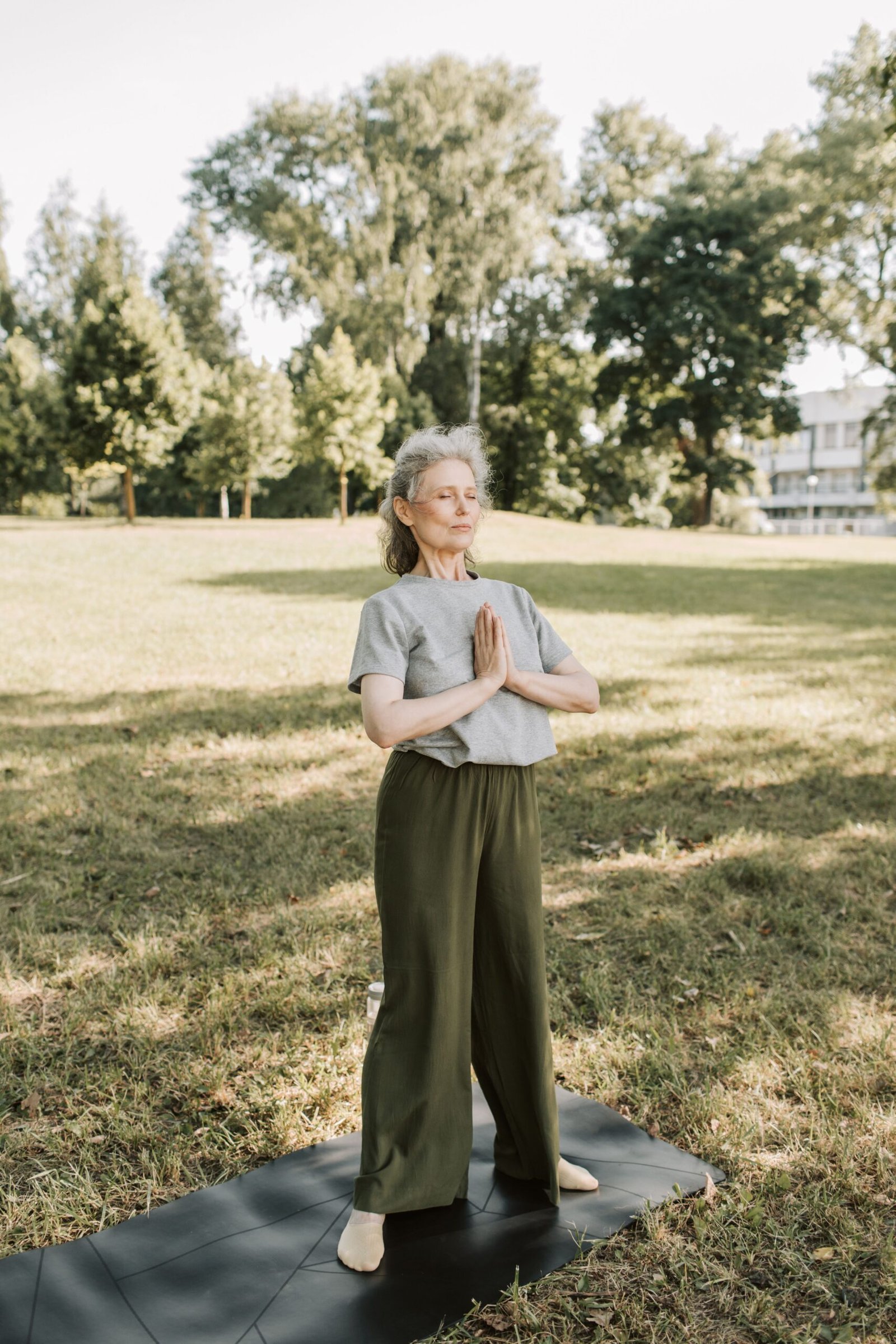
Yoga For Mental Health

Essential Nutrients for Brain and Mental Health and Their Benefits


Nutrients

Benefits

Omega-3 Fatty Acids

Supports Brain Function

Vitamin B Complex

Supports Nervous System

Magnesium

Promotes Relaxation

Vitamin D

Supports Mood

Antioxidants

Protect Brain Cells


Why is Yoga Beneficial for Mental Health?

Regular yoga practice helps to:

    • Reduce stress and anxiety.
    • Improve mood and emotional balance.
    • Enhance concentration and memory.
    • Promote better sleep.
    • Increase self-awareness.
    • Improve overall mental well-being.

Mental Health Conditions That May Benefit from Yoga

  • Stress

Yoga helps lower stress levels by promoting relaxation and reducing the body's stress response.

  • Anxiety

Breathing techniques and mindfulness can help reduce feelings of worry and nervousness.

  • Mild Depression

Regular yoga practice may improve mood and increase feelings of positivity.

  • Sleep Problems

Relaxation exercises can promote deeper and more restful sleep.

  • Emotional Fatigue

Yoga encourages mental relaxation and emotional recovery.


Popular Yoga Practices for Mental Wellness

  • Child's Pose (Balasana)

Promotes relaxation and relieves tension.

  • Cat-Cow Pose (Marjaryasana-Bitilasana)

Releases tension in the spine and improves breathing.

  • Mountain Pose (Tadasana)

Encourages mindfulness and proper posture.

  • Legs-Up-the-Wall Pose (Viparita Karani)

Helps reduce stress and calm the nervous system.

  • Corpse Pose (Savasana)

Provides deep relaxation for the mind and body.

  • Meditation and Pranayama

Controlled breathing and meditation help improve focus and emotional stability.

Healthy Lifestyle Tips

  • Practice Yoga Daily

Even 20–30 minutes of yoga each day can support mental well-being.

  • Focus on Breathing

Deep breathing helps relax the mind and reduce stress.

  • Stay Physically Active

Combine yoga with regular physical activity for overall health.

  • Get Quality Sleep

Aim for 7–9 hours of restful sleep each night.

  • Maintain Healthy Relationships

Spend time with supportive family and friends.


Benefits of Regular Yoga Practice

  • Reduced stress and anxiety.
  • Improved emotional balance.
  • Better concentration and focus.
  • Enhanced sleep quality.
  • Increased flexibility and posture.
  • Improved overall quality of life.

Which Yoga Poses Are Best for Mental Health?

Yoga PoseMental Health Benefit
Child's Pose (Balasana)Promotes relaxation and reduces stress.
Cat-Cow PoseRelieves tension and improves mindfulness.
Tree PoseEnhances focus, balance, and concentration.
Legs-Up-the-Wall PoseHelps calm the nervous system and reduce anxiety.
Corpse Pose (Savasana)Encourages deep relaxation and mental recovery.

Does Yoga Actually Help With Anxiety and Depression?

Yoga can help reduce symptoms of anxiety and depression for many people by promoting relaxation, improving sleep, lowering stress levels, and increasing mindfulness. While it can be a valuable part of a mental wellness routine, it is not a replacement for professional treatment when needed.

How Often Should I Do Yoga to See Mental Health Benefits?

Practicing yoga 3–5 times a week for 20–60 minutes can provide noticeable mental health benefits over time. Even short daily sessions may help reduce stress and improve mood when practiced consistently.

What Type of Yoga Is Best for Stress Relief?

Gentle styles such as Hatha Yoga, Restorative Yoga, Yin Yoga, and Yoga Nidra are commonly recommended for stress relief. These styles focus on slow movements, breathing, and relaxation rather than intense physical activity.

Can Yoga Help With ADHD and Attention Issues?

Yoga may help improve focus, self-awareness, emotional regulation, and relaxation in some people with ADHD. However, it should be viewed as a supportive practice and not a replacement for medical evaluation or treatment.

Is Yoga Better Than Meditation for Mental Health?

Both practices can benefit mental health, but they work in slightly different ways. Yoga combines physical movement, breathing, and mindfulness, while meditation focuses primarily on mental awareness. Many people benefit from practicing both together.

How Much Does a Yoga Instructor Cost Per Hour?

The cost varies depending on the instructor's experience, location, and whether the session is private or in a group. Private sessions are generally more expensive than group classes, and online classes may offer more affordable options.

Can Yoga Replace Therapy for Mental Health?

No. Yoga can support mental well-being by reducing stress and improving emotional balance, but it should not replace therapy or medical treatment for conditions such as depression, anxiety disorders, PTSD, or other mental health conditions. It is often most effective when used alongside professional care when appropriate.

Yoga For Mental Health:-Yoga: The Natural Key to Emotional Well-BeingIn today's world, we're constantly being pulled in a million different directions – work, studies, family, technology… the pressure never seems to stop. This daily barrage can really take a toll on our emotional health, leading to increased stress levels and general overwhelm. Fortunately, one of the best and most natural ways to boost both our mental and physical well-being is through a practice called Yoga For Mental Health.Unlike some intense workouts that can leave you exhausted, Yoga for Mental Health focuses on combining physical postures, breathing techniques, and relaxation exercises.This potent blend works to not only relax your mind but also strengthen your body.Yoga for Mental Health is wonderful for people of all ages, helping to build a healthy balance between mind and body. If you practice regularly, you might notice improvements in your sleep quality, better focus, less emotional tension, and a more positive attitude towards life. Whether you've been doing yoga for years or you're just beginning to explore it, incorporating a little bit of Yoga for Mental Health into your daily life can leave you feeling calmer and more centered.Let's Talk About The Benefits!The benefits of practicing Yoga for Mental Health are plentiful and truly make it a fantastic addition to a healthy lifestyle. Perhaps one of the most prominent Benefits of Yoga for Mental Health is its stress-reducing power. By engaging in deep breathing exercises and mindful movement, you help your nervous system transition from that frantic fight-or-flight mode to a much calmer state.Another fantastic benefit of Yoga for Mental Health is building emotional resilience. With regular practice, you'll find yourself equipped to handle everyday stressors more effectively rather than getting completely thrown off when challenges arise. A lot of people practicing yoga feel more patient, emotionally stable, and mentally refreshed after every class!And then there's the sleep benefit - we could all use more good shut-eye, right? Stress and anxiety can be major disruptors when it comes to getting a good night's sleep. A gentle yoga session before bed can really help to relax your body and quiet your mind, which is beneficial for memory, focus, mood regulation, and your overall health.But it doesn't stop there! The Benefits of Yoga for Mental Health also include improved self-awareness. As you focus on your breath and movement, you start to gain a clearer understanding of your emotions, areas of physical tension, and your mental patterns. This increased awareness helps you make healthier choices throughout your day!Yoga for Stress Relief - Take a Deep Breath!When you ask someone why they practice Yoga, stress relief is often high on the list. Most of us carry stress in our shoulders, neck, and back without even realizing it. Yoga for Stress Relief's combination of stretching and conscious breathing is a great way to release that muscle tension and invite a sense of calm.One of the core components of Yoga for Stress Relief is deep breathing. Taking slow, deliberate breaths send calming signals to the brain, easing feelings of anxiety and mental overwhelm. It can be surprisingly powerful – just a few minutes of breathing exercises each day can make a big difference in how calm you feel!And if that wasn't enough, Yoga for Stress Relief is also incredibly accessible. You don't need a fancy studio – practicing at home, outdoors, or at a community center is perfectly fine. Even a 20-minute session can do wonders to relieve stress and boost your mood after a busy day!By uniting stretching, breathing, and mindful movement, Yoga for Stress Relief is an incredible tool for individuals with demanding jobs, students facing exams, parents managing family life, and older adults simply seeking a little relaxation.Mindfulness Through YogaA vital element of Mindfulness Through Yoga is learning to stay present, connecting with the here and now. Rather than dwelling on past regrets or worrying about future uncertainties, Mindfulness Through Yoga guides your attention to your breath, body sensations, and movement.When you consistently practice Mindfulness Through Yoga, you'll notice improved focus and fewer mental distractions. You'll also find yourself getting better at managing your emotions as you learn to observe thoughts without immediately reacting to them.One of the most significant advantages of Mindfulness Through Yoga is fostering emotional balance. As you become more attuned to your body's signals, you'll be able to recognize and address stress earlier and in healthier ways.Moreover, daily practice of Mindfulness Through Yoga can actually enhance productivity! Increased concentration, emotional regulation, and reduced mental fatigue can translate into a more effective and fulfilling work, academic, and personal life.Pro Tips for Maximizing Your Yoga BenefitsTo get the most out of your Yoga For Mental Health journey, try to practice at the same time each day. This will help you build consistency. Morning yoga can kickstart your focus and energy, while evening sessions are great for unwinding and preparing for sleep.Create a relaxing practice space that's free from distractions. Wear comfortable clothes, get a good yoga mat, and breathe deeply to make each session as enjoyable as possible. If you're a beginner, start with simple poses and gradually work your way up.Remember, staying hydrated, eating nourishing foods, and getting enough sleep will further amplify the benefits of Yoga For Mental Health. By combining these healthy lifestyle habits with regular practice, you're investing in long-term emotional well-being and physical health.Most importantly, consistency trumps intensity. Even just 15-20 minutes of Yoga For Mental Health each day can lead to a happier mood, reduced stress levels, and a stronger mind-body connection over time.Yoga For Mental HealthFind Your Zen: Yoga Poses for Anxiety and Everyday Well-beingLet's be honest: we all feel a bit anxious sometimes. It's just part of life. But if that constant worry is throwing you off your game, affecting your sleep, relationships, and just overall happiness, we've got a natural solution that might surprise you: Yoga Poses for Anxiety.It sounds simple (and kind of cliché, right?), but trust us.These gentle moves, combined with some deep breaths, are your body and mind's built-in "chill" button. Seriously, a regular dose of these poses can ease physical tension and boost your emotional strength, just like that.Wondering which ones are the magic tickets?Some go-to's recommended by experts for anxiety include Child's Pose, Cat-Cow, Legs-Up-the-Wall Pose, Tree Pose, and the ever-popular Corpse Pose (Savasana).What's the secret sauce?They get your blood flowing, encourage slow breathing, and are amazing for releasing all that tension we tend to hold in our bodies.If you're just starting out, remember to take it slow and don't push yourself. Go where your body allows.One of the main reasons these Yoga Poses for Anxiety work so well is that they combine movement with mindfulness. Instead of letting your brain spin with stress-inducing thoughts, you're tuning into your breath and what your body is feeling. Practice consistently, and you might just start noticing better sleep and less restless energy, which means you can actually recover from a long day.And that's the thing-many people find they experience the most profound Benefits of Yoga for Mental Health not as a special occasion thing, but as part of their everyday routine. When yoga becomes a habit, both your body and mind get used to a healthier way of responding to stress. Over time, you'll likely start to notice increased confidence, more emotional stability, sharper focus, and a more optimistic perspective on daily life.Good news, too! Research shows that coupling your yoga practice with some breathing exercises and a bit of meditation amplifies the Benefits of Yoga for Mental Health, helping to lower stress hormones and boost your overall mood. While everyone's experience is unique, consistent effort often leads to noticeable long-term improvements.Another huge benefit? Learning to truly disconnect. In today's digital world, even just 20 to 30 minutes of Yoga for Stress Relief without your phone or other distractions can give your mind a desperately needed break. That pause can work wonders for your focus and mental clarity.Office workers, this one's for you! Short breaks throughout the day are the perfect time to do some quick Yoga for Stress Relief. Think gentle neck stretches, seated spinal twists, shoulder rolls, and deep breaths.See?It doesn't have to be a full yoga studio session to reap the rewards.Mindfulness Through Yoga isn't just good for your inner world, either; it can also improve your relationships. Regular practice often leads to a greater awareness of your own emotions, enabling you to respond to situations thoughtfully rather than reactively. That means better communication and fewer unnecessary conflicts.Plus, Mindfulness Through Yoga cultivates gratitude and self-compassion.Instead of criticizing yourself, you learn to appreciate your progress. Over time, this can help shift the way you think and reduce the negative patterns that often fuel anxiety.Pro Tips for Maximum Mental Well-being Through Yoga* Start with the breath: Take five minutes to focus on deep, controlled breathing before each Yoga For Mental Health session. This sets the stage for relaxation and improved focus. * Holistic habits: Combine Yoga For Mental Health with drinking plenty of water, eating balanced meals, cutting back on caffeine, maintaining a regular sleep schedule, and getting outdoors. These lifestyle choices work in synergy to support your overall well-being. * Set the mood: Calming music can enhance relaxation during Yoga For Mental Health, but some people prefer complete silence to deepen their focus. Experiment and see what works best for you! * Seek guidance: If you're new to Yoga Poses for Anxiety or breathing exercises, working with a certified instructor is a great way to learn correct technique and prevent injuries. * Be patient: Yoga isn't about perfection, especially when you're working on your mental health. Celebrate small victories, be consistent, and know that gradual progress is the name of the game. Your mental clarity, emotional stability, stress management, and overall quality of life will thank you.Yoga For Mental HealthYoga: Your Ticket to a Happier, Calmer You!Looking for a simple and effective way to reduce everyday stress, feel better emotionally, and boost your overall quality of life? Then you might want to consider Yoga for Mental Health! It's not just about getting strong; it's about connecting with yourself. Through movement, breathing, and relaxation, Yoga for Mental Health bridges the gap between mind and body, helping you find emotional balance, focus better, sleep deeper, and navigate daily challenges more smoothly.# Beyond Relaxation: The Myriad Benefits of YogaThe Benefits of Yoga for Mental Health are far-reaching, extending beyond just feeling relaxed. Regularly practicing yoga can lower your stress levels, increase self-awareness, foster a more positive outlook, and help you manage emotions in a healthier way. Whether you're flowing through poses at home or joining a group class, these benefits really shine when you incorporate yoga consistently into a healthy lifestyle.# Stress Relief: Your Daily dose of CalmFeeling overwhelmed by the hustle and bustle of life or struggling with emotional pressure? Yoga for Stress Relief is your natural and accessible go-to! Simple breathing exercises, gentle stretches, and mindful movements can work wonders for releasing muscle tension and soothing your nervous system. Even 20-30 minutes of Yoga for Stress Relief a day can significantly boost your mood, ease anxiety, and leave you feeling refreshed and ready to tackle anything.# Cultivate Mindfulness and Inner PeacePracticing Yoga for Mental Health is also a wonderful way to develop mindfulness. By focusing on the present, rather than dwelling on the past or future, you can enhance your emotional awareness and dial down negative thinking patterns. Regular Mindfulness Through Yoga helps cultivate patience, self-acceptance, and better decision-making. It also improves focus, making it a fantastic practice for students, professionals, and older adults alike.# Strike a Pose for Anxiety ReliefFor those seeking to ease anxiety, certain Yoga Poses for Anxiety are particularly helpful. Gentle poses like Child's Pose, Legs-Up-the-Wall Pose, Cat-Cow Pose, and Savasana are fantastic for both relaxing the body and promoting calming, deep breathing. Consistently incorporating these Yoga Poses for Anxiety can alleviate the physical symptoms of stress, such as muscle tightness, restlessness, and fatigue.# Ready to Get Started? Tips for SuccessTo get the most out of your yoga practice, try to:* Establish a regular schedule.* Practice in a quiet, peaceful environment. * Stay hydrated and nourish your body with healthy foods. * Make sure to get enough rest. * Beginners should start slow and gradually increase the duration and intensity of their sessions, always focusing on correct breathing.# A Note on Professional SupportWhile Yoga For Mental Health offers numerous physical and emotional benefits, it's important to see it as a supportive tool, not a replacement for professional medical or psychological care. If you're dealing with severe anxiety, depression, or any other mental health condition, always seek guidance from a qualified healthcare professional.With consistent, patient, and mindful practice, Yoga for Mental Health can become a lifelong habit that enriches your emotional balance, fosters inner peace, boosts your physical well-being, and contributes to overall happiness. The beautiful blend of Yoga for Stress Relief, Mindfulness Through Yoga, and relaxing Yoga Poses for Anxiety creates a holistic pathway to a healthier, more fulfilling life.

Disclaimer

The information provided on this website is collected and compiled from publicly available sources for general informational purposes only.

Leave a Reply

Your email address will not be published. Required fields are marked *

Comments

  1. I found this Balanzing blog about Yoga For Mental Health incredibly clear and informative. I particularly appreciated the hands-on yoga advice, breath work exercises and the way Yoga For Mental Health explained how Yoga helps reduce stress, as well as promoting a general sense of emotional wellness. It’s a fantastic resource for those who want to boost their mental wellness the natural way via Yoga.

Table of Contents