
Parenting Sleep Routines For Kids
Quality sleep is essential for a child's physical growth, brain development, emotional well-being, and overall health. A consistent bedtime routine helps children feel secure, fall asleep more easily, and wake up refreshed.
Introduction
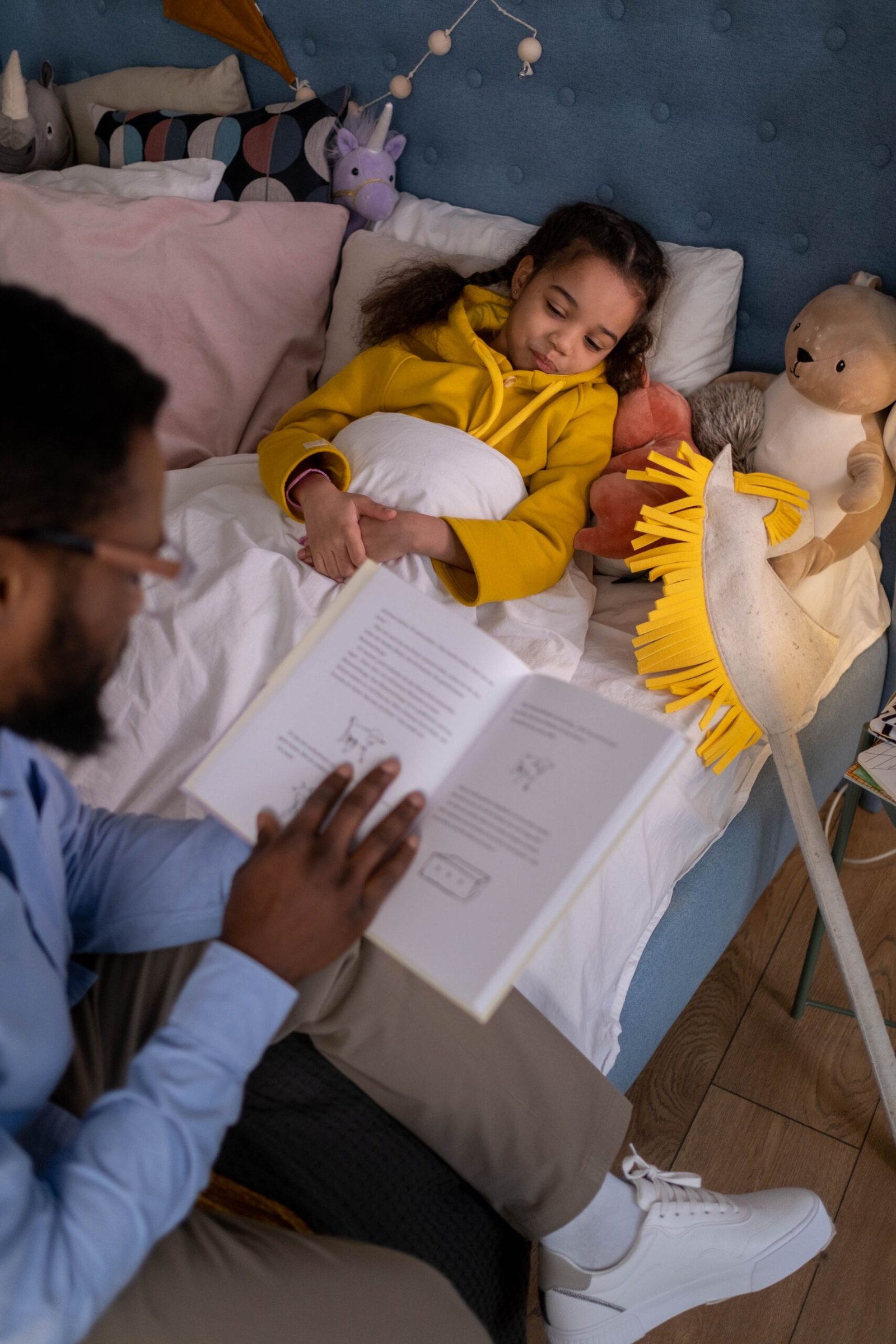
A healthy sleep routine is a consistent schedule and set of calming activities before bedtime that prepare a child for restful sleep. Going to bed and waking up at the same time every day helps regulate the body's natural sleep cycle. As parents, establishing healthy sleep habits from an early age can improve behavior, learning, immunity, and family well-being. Small, consistent bedtime practices can make a significant difference in your child's sleep quality. This guide shows the benefits of healthy sleep for kids.
Nutrients that Support Healthy Sleep and Their Benefits
|
Nutrients |
Benefits |
|
Magnesium |
Promotes Muscle Relaxation |
|
Calcium |
Supports Healthy Sleep |
|
Vitamin D |
Supports Overall Health |
|
Protein |
Supports Growth and Repair |
|
Potassium |
Supports Muscle Function |
Why Sleep is Important for Children
Healthy sleep helps to:
-
- Support physical growth.
- Improve brain development.
- Strengthen the immune system.
- Enhance learning and memory.
- Improve mood and behavior.
- Increase energy for daily activities.
Recommended Sleep Duration
|
Age Group |
Recommended Sleep |
|
Infants (4-12 months) |
12-16 hours (Including naps) |
|
Toddlers (1-2 years) |
11-14 hours |
|
Preschoolers (3-5 years) |
10-13 hours |
|
School-age Children (6-12 years) |
9-12 hours |
|
Teenagers (13-18 years) |
8-10 hours |
Common SymptomsSigns Your Child May Not Be Getting Enough Sleep
- Difficulty waking up in the morning.
- Daytime sleepiness.
- Irritability or mood swings.
- Difficulty concentrating.
- Hyperactivity.
- Frequent yawning.
- Reduced academic performance.
Tips for Creating a Healthy Sleep Routine
- Maintain a Consistent Bedtime
Put your child to bed and wake them up at the same time every day, including weekends.
- Create a Calm Bedtime Routine
Activities like reading a story, taking a warm bath, or listening to calming music help children relax.
- Limit Screen Time
Avoid mobile phones, tablets, televisions, and other screens at least one hour before bedtime.
- Provide a Comfortable Sleep Environment
Keep the bedroom quiet, cool, dark, and comfortable.
- Encourage Physical Activity
Regular daytime exercise helps children sleep better at night.
- Avoid Heavy Meals Before Bedtime
Offer a light, healthy evening snack if needed instead of heavy or sugary foods.
Common Sleep Mistakes Parents Should Avoid
- Irregular bedtime schedules.
- Excessive screen use before bed.
- Sugary snacks late at night.
- Overstimulating activities before bedtime.
- Allowing inconsistent sleep routines.
Benefits of a Consistent Sleep Routine
- Better physical growth.
- Improved memory and learning.
- Stronger immune system.
- Better emotional regulation.
- Increased energy during the day.
- Improved family routine and well-being.
When to Consult a Doctor
Seek medical advice if your child:
-
- Snores loudly or has pauses in breathing during sleep.
- Has persistent difficulty falling asleep.
- Wakes frequently during the night.
- Experiences excessive daytime sleepiness.
- Shows ongoing behavioral or learning problems related to poor sleep.
What Should a 30-Minute Bedtime Routine Include?
|
Time |
Activity |
|---|---|
|
5 minutes |
Bath, face wash, or other calming hygiene routine |
|
5 minutes |
Brush teeth and put on pajamas |
|
10 minutes |
Read a short story or look through a picture book together |
|
5 minutes |
Cuddle, sing a lullaby, pray, or have quiet conversation |
|
5 minutes |
Lights out, white noise if used, and a calm goodnight |
How Do Working Parents Help Kids Sleep Through the Night?
Working parents can improve nighttime sleep by keeping a consistent bedtime, creating a calming evening routine, limiting screens before bed, and ensuring children get enough daytime activity.
My Toddler Won't Sleep Alone—What Should I Do?
Start with gradual steps such as staying nearby while your toddler falls asleep, offering comfort and reassurance, and slowly reducing your presence over time rather than making sudden changes.
Do I Really Need a Strict Bedtime Schedule for Kids?
Children usually benefit more from a consistent bedtime range than from an exact minute-by-minute schedule. Predictability helps regulate their internal body clock.
What's the Difference Between Sleep Training Methods?
Sleep training methods differ mainly in how much parental involvement is used while helping a child learn to fall asleep independently, ranging from gradual comfort-based approaches to more structured methods.
Can a Sleep Consultant Really Help My Child Sleep Better?
A qualified pediatric sleep consultant can help identify sleep associations, schedule problems, environmental factors, and routine issues, then create a personalized plan for your family.
How Long Should a Bedtime Routine Actually Take?
Most bedtime routines work well when they last about 20–30 minutes and include calming activities such as a bath, brushing teeth, reading a story, cuddling, and lights out.
Why Does My Child Fight Sleep Every Single Night?
Common reasons include being overtired, inconsistent schedules, too much stimulation before bed, anxiety about separation, hunger, discomfort, or strong sleep associations that make independent sleep difficult.




Disclaimer
The information provided on this website is collected and compiled from publicly available sources for general informational purposes only.
Leave a Reply Cancel reply
Comments
Table of Contents
Toggle
Balanzing’s article on parenting sleep routines was very helpful and practical. The tips on creating a bedtime routine, managing screen time, and building healthy sleep habits are easy for parents to follow. A useful guide for creating a peaceful bedtime experience for children.