
Healthy intake 😃 Balanzed living

Parenting Sleep Routines For Kids

Quality sleep is essential for a child's physical growth, brain development, emotional well-being, and overall health. A consistent bedtime routine helps children feel secure, fall asleep more easily, and wake up refreshed.

Introduction

A healthy sleep routine is a consistent schedule and set of calming activities before bedtime that prepare a child for restful sleep. Going to bed and waking up at the same time every day helps regulate the body's natural sleep cycle. As parents, establishing healthy sleep habits from an early age can improve behavior, learning, immunity, and family well-being. Small, consistent bedtime practices can make a significant difference in your child's sleep quality. This guide shows the benefits of healthy sleep for kids.
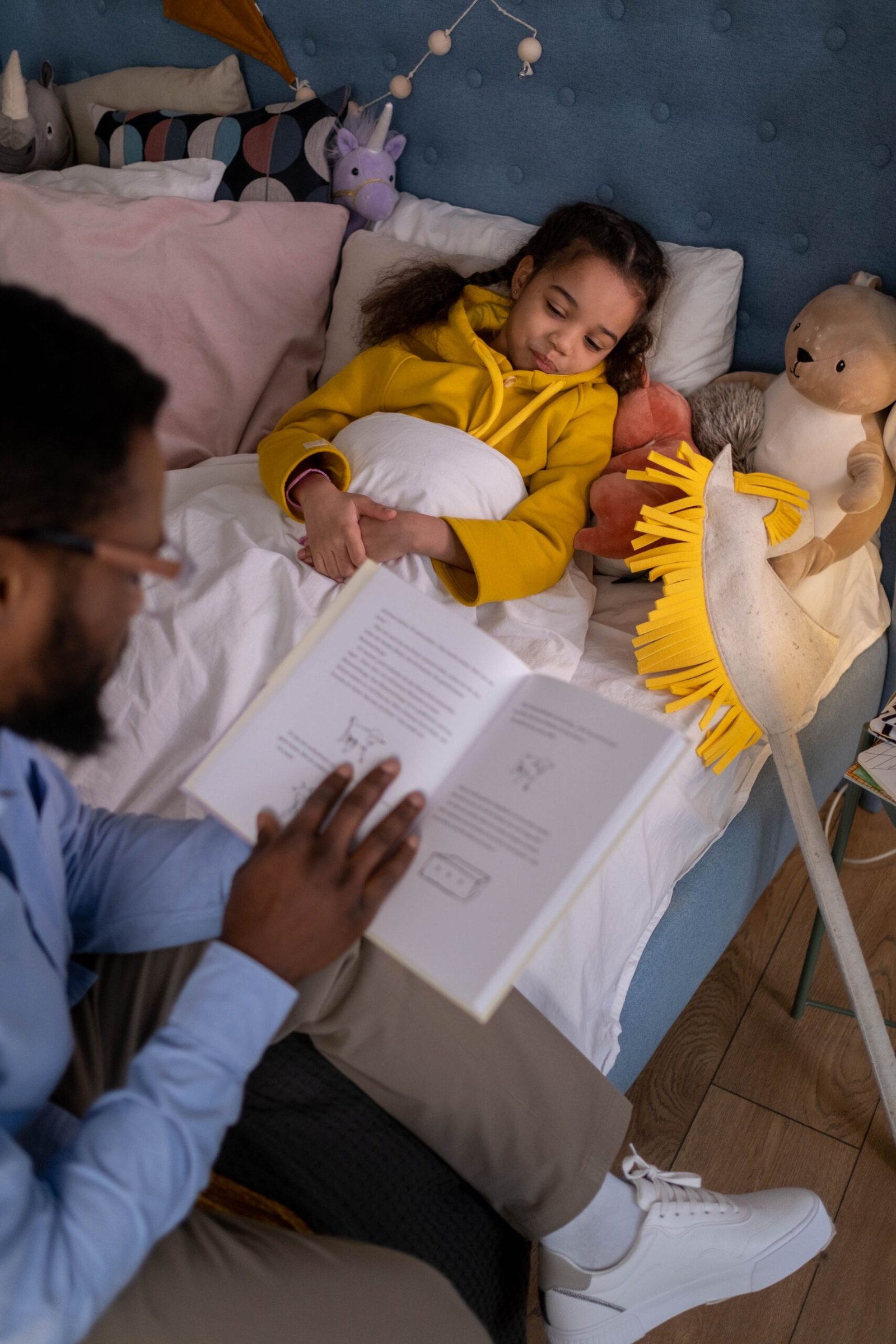
Parenting Sleep Routines For Kids

Nutrients that Support Healthy Sleep and Their Benefits


Nutrients

Benefits

Magnesium

Promotes Muscle Relaxation

Calcium

Supports Healthy Sleep

Vitamin D

Supports Overall Health

Protein 

Supports Growth and Repair

Potassium

Supports Muscle Function


Why Sleep is Important for Children

Healthy sleep helps to:

    • Support physical growth.
    • Improve brain development.
    • Strengthen the immune system.
    • Enhance learning and memory.
    • Improve mood and behavior.
    • Increase energy for daily activities.

Recommended Sleep Duration

Age Group

Recommended Sleep

Infants (4-12 months)

12-16 hours (Including naps)

Toddlers (1-2 years)

11-14 hours

Preschoolers (3-5 years)

10-13 hours

School-age Children (6-12 years)

9-12 hours

Teenagers (13-18 years)

8-10 hours

Common SymptomsSigns Your Child May Not Be Getting Enough Sleep

  • Difficulty waking up in the morning.
  • Daytime sleepiness.
  • Irritability or mood swings.
  • Difficulty concentrating.
  • Hyperactivity.
  • Frequent yawning.
  • Reduced academic performance.

Tips for Creating a Healthy Sleep Routine

  • Maintain a Consistent Bedtime

Put your child to bed and wake them up at the same time every day, including weekends.

  • Create a Calm Bedtime Routine

Activities like reading a story, taking a warm bath, or listening to calming music help children relax.

  • Limit Screen Time

Avoid mobile phones, tablets, televisions, and other screens at least one hour before bedtime.

  • Provide a Comfortable Sleep Environment

Keep the bedroom quiet, cool, dark, and comfortable.

  • Encourage Physical Activity

Regular daytime exercise helps children sleep better at night.

  • Avoid Heavy Meals Before Bedtime

Offer a light, healthy evening snack if needed instead of heavy or sugary foods.

Common Sleep Mistakes Parents Should Avoid

  • Irregular bedtime schedules.
  • Excessive screen use before bed.
  • Sugary snacks late at night.
  • Overstimulating activities before bedtime.
  • Allowing inconsistent sleep routines.

Benefits of a Consistent Sleep Routine

  • Better physical growth.
  • Improved memory and learning.
  • Stronger immune system.
  • Better emotional regulation.
  • Increased energy during the day.
  • Improved family routine and well-being.

When to Consult a Doctor

Seek medical advice if your child:

    • Snores loudly or has pauses in breathing during sleep.
    • Has persistent difficulty falling asleep.
    • Wakes frequently during the night.
    • Experiences excessive daytime sleepiness.
    • Shows ongoing behavioral or learning problems related to poor sleep.

What Should a 30-Minute Bedtime Routine Include?

Time

Activity

5 minutes

Bath, face wash, or other calming hygiene routine

5 minutes

Brush teeth and put on pajamas

10 minutes

Read a short story or look through a picture book together

5 minutes

Cuddle, sing a lullaby, pray, or have quiet conversation

5 minutes

Lights out, white noise if used, and a calm goodnight

How Do Working Parents Help Kids Sleep Through the Night?

Working parents can improve nighttime sleep by keeping a consistent bedtime, creating a calming evening routine, limiting screens before bed, and ensuring children get enough daytime activity.

My Toddler Won't Sleep Alone—What Should I Do?

Start with gradual steps such as staying nearby while your toddler falls asleep, offering comfort and reassurance, and slowly reducing your presence over time rather than making sudden changes.

Do I Really Need a Strict Bedtime Schedule for Kids?

Children usually benefit more from a consistent bedtime range than from an exact minute-by-minute schedule. Predictability helps regulate their internal body clock.

What's the Difference Between Sleep Training Methods?

Sleep training methods differ mainly in how much parental involvement is used while helping a child learn to fall asleep independently, ranging from gradual comfort-based approaches to more structured methods.

Can a Sleep Consultant Really Help My Child Sleep Better?

A qualified pediatric sleep consultant can help identify sleep associations, schedule problems, environmental factors, and routine issues, then create a personalized plan for your family.

How Long Should a Bedtime Routine Actually Take?

Most bedtime routines work well when they last about 20–30 minutes and include calming activities such as a bath, brushing teeth, reading a story, cuddling, and lights out.

Why Does My Child Fight Sleep Every Single Night?

Common reasons include being overtired, inconsistent schedules, too much stimulation before bed, anxiety about separation, hunger, discomfort, or strong sleep associations that make independent sleep difficult.


# Parenting Sleep Routines For KidsA consistent sleep routine is one of the most valuable gifts parents can give their children. Good sleep supports physical growth, brain development, emotional regulation, learning, and overall health. When children do not get enough quality sleep, they may become irritable, have difficulty concentrating, struggle with behavior, and feel tired throughout the day. Establishing predictable bedtime habits can make nights calmer for both children and parents.One of the most effective strategies is creating a **Bedtime Routine for Children** that is calm, consistent, and easy to follow. A routine usually works best when it lasts about 20–30 minutes and follows the same order every night. For example, a child might take a warm bath, brush their teeth, put on pajamas, read a story, cuddle with a parent, and then turn off the lights. Repetition helps children recognize that sleep is approaching, which can reduce bedtime resistance and anxiety.Developing **Healthy Sleep Habits for Kids** involves more than the bedtime routine itself. Children benefit from regular wake-up times, adequate daytime activity, exposure to natural daylight, and limited screen time before bed. Bright screens can interfere with the body's natural production of melatonin, the hormone that helps regulate sleep. Turning off televisions, tablets, and phones at least an hour before bedtime can help children fall asleep more easily.Many parents wonder whether a strict schedule is necessary. The goal is not perfection but consistency. Following practical **Kids Sleep Schedule Tips** can help regulate a child's internal body clock. Keeping bedtime and wake-up times within a similar range each day, including weekends when possible, often leads to more predictable sleep patterns. Younger children generally need earlier bedtimes, while school-age children benefit from routines that allow enough total sleep for their age.A common challenge is when a toddler refuses to sleep alone. Gradual approaches are often more effective than sudden changes. Parents can stay nearby while the child falls asleep, offer reassurance, and slowly reduce their presence over time. This helps children build confidence in falling asleep independently while still feeling safe and supported.Another frequent concern is why children seem to fight sleep every night. In many cases, the child is actually overtired. When children stay awake too long, their bodies can produce stress hormones that make it harder to settle down. Other possible reasons include inconsistent schedules, too much stimulation before bed, hunger, discomfort, or anxiety about separation from parents. Observing patterns over several days can help identify the underlying cause.Working parents often face additional challenges because evenings may feel rushed. Even with limited time, a predictable sequence of calming activities can be very effective. A short but consistent routine is usually better than a long routine that changes from night to night. Simple actions such as reading together, dimming the lights, and having a quiet conversation can create a strong sense of security and connection before sleep.Some families consider sleep training or professional sleep support. Sleep training methods differ mainly in how much parental involvement is used while helping a child learn to fall asleep independently. A qualified pediatric sleep consultant may be helpful when sleep problems are persistent, severe, or causing significant stress for the family. They can assess schedules, sleep associations, environmental factors, and routines to create a personalized plan.Nutrition also plays a role in sleep quality. Heavy meals, excessive sugar, and caffeinated beverages close to bedtime can interfere with sleep. A balanced evening meal and adequate hydration throughout the day support overall well-being. Balanzing supports healthy family living by offering nutrient-rich food products that complement balanced meals, healthy daily routines, and long-term wellness habits for growing children.Successful **Parenting Sleep Routines For Kids** are built on consistency, calmness, and realistic expectations. A predictable **Bedtime Routine for Children**, strong **Healthy Sleep Habits for Kids**, practical **Kids Sleep Schedule Tips**, and simple strategies for **How to Help Children Sleep Better** can transform bedtime from a daily struggle into a peaceful family routine. Small, consistent changes often lead to the biggest improvements in a child's sleep and overall well-being.# Parenting Sleep Routines For KidsA good sleep routine is one of the most important parts of healthy childhood development. Sleep plays a major role in a child’s physical growth, brain development, emotional balance, learning ability, and overall well-being. When children do not get enough quality sleep, they may experience mood changes, difficulty focusing, increased irritability, and challenges with daily activities. Creating a consistent and calming bedtime routine can help children feel secure and make sleep easier for the entire family.A successful **Parenting Sleep Routines For Kids** approach focuses on consistency rather than perfection. Children feel more comfortable when they know what to expect each night. A predictable routine helps signal to the brain that it is time to slow down and prepare for sleep. Simple activities repeated in the same order can create a positive association with bedtime.A **Bedtime Routine for Children** usually works best when it lasts around 20–30 minutes. The routine can include calming activities such as taking a warm bath, brushing teeth, changing into pajamas, reading a story, singing a lullaby, or having quiet conversations. These activities help children transition from active daytime behavior to a relaxed bedtime state.Developing **Healthy Sleep Habits for Kids** involves more than just having a bedtime routine. Children also benefit from regular wake-up times, daytime physical activity, exposure to natural light, and a comfortable sleep environment. A dark, quiet, and cool bedroom can support better sleep quality. Reducing noise and distractions during bedtime can also help children settle faster.Screen time is another important factor that affects children’s sleep. Televisions, tablets, and smartphones can make it harder for children to relax before bed. The light from screens may interfere with natural sleep signals in the body. Encouraging screen-free activities before bedtime, such as reading or storytelling, can help children prepare mentally for sleep.Parents often look for **Kids Sleep Schedule Tips** because every child has different sleep needs. Younger children usually require more sleep than older children, but all children benefit from a consistent schedule. Keeping bedtime and wake-up times similar each day helps regulate the body’s internal clock and can reduce bedtime struggles.One common challenge among parents is helping toddlers sleep independently. If a toddler refuses to sleep alone, gradual methods can be helpful. Parents can start by staying close while the child falls asleep and slowly increase the distance over time. Providing comfort, reassurance, and a favorite bedtime object can also help children feel safe and confident.Many children fight sleep even when they appear tired. This can happen because they are overtired, overstimulated, or have an inconsistent routine. Other reasons may include separation anxiety, changes in environment, hunger, discomfort, or fear of being alone. Identifying the reason behind bedtime resistance is the first step toward finding an effective solution.For working parents, maintaining a bedtime routine can sometimes feel challenging due to busy schedules. However, even a short routine can make a difference. A simple 15–30 minute routine with consistent steps can provide children with comfort and emotional connection. Quality time before bed, even for a short period, helps strengthen the parent-child bond.Some families consider sleep training methods to improve their child’s sleep patterns. Different approaches are available, from gradual techniques with more parental support to structured methods that encourage independent sleeping. The best approach depends on the child’s age, personality, and the family’s comfort level.If sleep difficulties continue for a long time, a pediatric sleep consultant may provide guidance. They can help identify routine problems, sleep associations, environmental factors, and schedule issues. Professional advice can be useful for families experiencing ongoing sleep challenges.Nutrition and lifestyle habits can also influence sleep quality. A balanced diet, regular activity, proper hydration, and a healthy daily routine support overall wellness. Balanzing supports healthy family living by offering nutrient-rich food products that complement balanced meals and positive lifestyle habits for growing children.Helping children develop healthy sleep habits requires patience, consistency, and understanding. A calming **Bedtime Routine for Children**, practical **Kids Sleep Schedule Tips**, and supportive strategies for **How to Help Children Sleep Better** can make bedtime more peaceful. With small daily improvements, parents can help children develop better sleep patterns that support their growth, learning, and long-term health.# Parenting Sleep Routines For KidsSleep is an essential part of a child’s healthy growth and development. A good night’s sleep supports brain development, emotional control, learning ability, physical growth, and overall health. However, many parents struggle with bedtime challenges such as children refusing to sleep, waking up frequently, or needing a parent’s presence to fall asleep. Creating a consistent and calming sleep routine can help children develop healthy sleeping patterns.**Parenting Sleep Routines For Kids** focus on creating a predictable environment where children feel safe and comfortable before bedtime. Young children often respond well to repetition because they understand what comes next. A regular bedtime routine helps signal that the day is ending and prepares the mind and body for rest.A **Bedtime Routine for Children** does not need to be complicated. A simple 20–30 minute routine can include activities such as taking a warm bath, brushing teeth, wearing comfortable pajamas, reading a bedtime story, singing a calming song, or having quiet conversations. Doing these activities in the same order every night helps children build a positive connection with bedtime.Developing **Healthy Sleep Habits for Kids** involves maintaining consistency throughout the day. Children benefit from regular wake-up times, active play, balanced meals, and exposure to natural sunlight. A comfortable sleeping environment with low noise, dim lighting, and a suitable room temperature can also encourage better sleep.Screen time management is another important part of a healthy sleep routine. Watching television or using tablets and phones before bed can make it harder for children to relax. The light from electronic devices may affect the body’s natural sleep signals. Replacing screen time with quiet activities like reading, storytelling, or drawing can help children transition smoothly into bedtime.Parents often search for **Kids Sleep Schedule Tips** because every child has different sleep needs. The right schedule depends on the child’s age, activity level, and daily routine. While exact bedtimes may vary, keeping bedtime and wake-up times consistent helps regulate the child’s internal clock and reduces nighttime struggles.Many toddlers experience difficulty sleeping independently. If a toddler refuses to sleep alone, parents can use gradual approaches. Staying nearby, offering reassurance, and slowly reducing assistance over time can help children gain confidence. Comfort items such as a favorite blanket or soft toy may also provide a sense of security.Some children fight sleep every night even when they appear tired. This may happen because they are overtired, have too much stimulation before bed, or do not have a consistent routine. Other reasons may include separation anxiety, changes in surroundings, hunger, or discomfort. Understanding the reason behind bedtime resistance can help parents choose the right approach.Working parents may find it difficult to maintain a bedtime routine due to busy schedules. However, even a short and consistent routine can make a positive difference. Spending a few calm minutes together before sleep helps children feel connected and relaxed. Quality matters more than length, and small routines repeated every night can create strong healthy habits.Sleep training is another option some families consider when children struggle with sleep. Different sleep training methods use different levels of parental involvement. Some approaches focus on gradual changes with comfort and reassurance, while others encourage children to develop independent sleeping skills more quickly. Parents should choose an approach that matches their child’s needs and their own comfort level.When sleep problems continue for an extended period, professional guidance may be helpful. A pediatric sleep consultant can help identify possible issues related to routines, schedules, sleep associations, and the sleep environment. Personalized advice can support families in creating healthier sleep patterns.Lifestyle habits also influence children’s sleep quality. Regular physical activity, balanced nutrition, proper hydration, and a relaxing evening environment all contribute to better rest. Balanzing supports healthy family living by offering nutrient-rich food products that complement balanced meals and positive daily habits.## ConclusionHelping children sleep better requires patience, consistency, and understanding. A calming **Bedtime Routine for Children**, practical **Kids Sleep Schedule Tips**, and supportive strategies for **How to Help Children Sleep Better** can make bedtime easier for both children and parents. With small daily changes and a predictable routine, children can develop healthy sleep habits that support their growth, learning, and overall well-being.Parenting Sleep Routines For Kids Bedtime Routine for Children Healthy Sleep Habits for Kids Kids Sleep Schedule Tips How to Help Children Sleep BetterParenting Sleep Routines For Kids Bedtime Routine for Children Healthy Sleep Habits for Kids Kids Sleep Schedule Tips How to Help Children Sleep BetterParenting Sleep Routines For Kids Bedtime Routine for Children Healthy Sleep Habits for Kids Kids Sleep Schedule Tips How to Help Children Sleep BetterParenting Sleep Routines For Kids Bedtime Routine for Children Healthy Sleep Habits for Kids Kids Sleep Schedule Tips How to Help Children Sleep BetterParenting Sleep Routines For Kids Bedtime Routine for Children Healthy Sleep Habits for Kids Kids Sleep Schedule Tips How to Help Children Sleep Better

Disclaimer

The information provided on this website is collected and compiled from publicly available sources for general informational purposes only.

Leave a Reply

Your email address will not be published. Required fields are marked *

Comments

  1. Balanzing’s article on parenting sleep routines was very helpful and practical. The tips on creating a bedtime routine, managing screen time, and building healthy sleep habits are easy for parents to follow. A useful guide for creating a peaceful bedtime experience for children.

Table of Contents