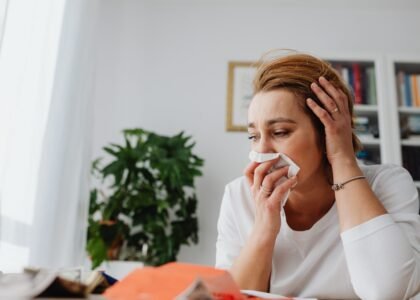
Healthy intake 😃 Balanzed living

Allergies

Allergies are a common health condition that occurs when the immune system reacts to substances that are usually harmless, known as allergens. These reactions can affect the skin, respiratory system, digestive system, or eyes, and their severity can range from mild irritation to serious medical emergencies.

Introduction

An allergy is an overreaction of the immune system to substances such as pollen, dust, certain foods, medications, insect stings, or pet dander. When exposed to an allergen, the body releases chemicals like histamine, which trigger allergy symptoms. Understanding the causes, recognizing symptoms, and taking preventive measures can help individuals manage allergies effectively and improve their quality of life. This guide shows the types and symptoms of various allergies.
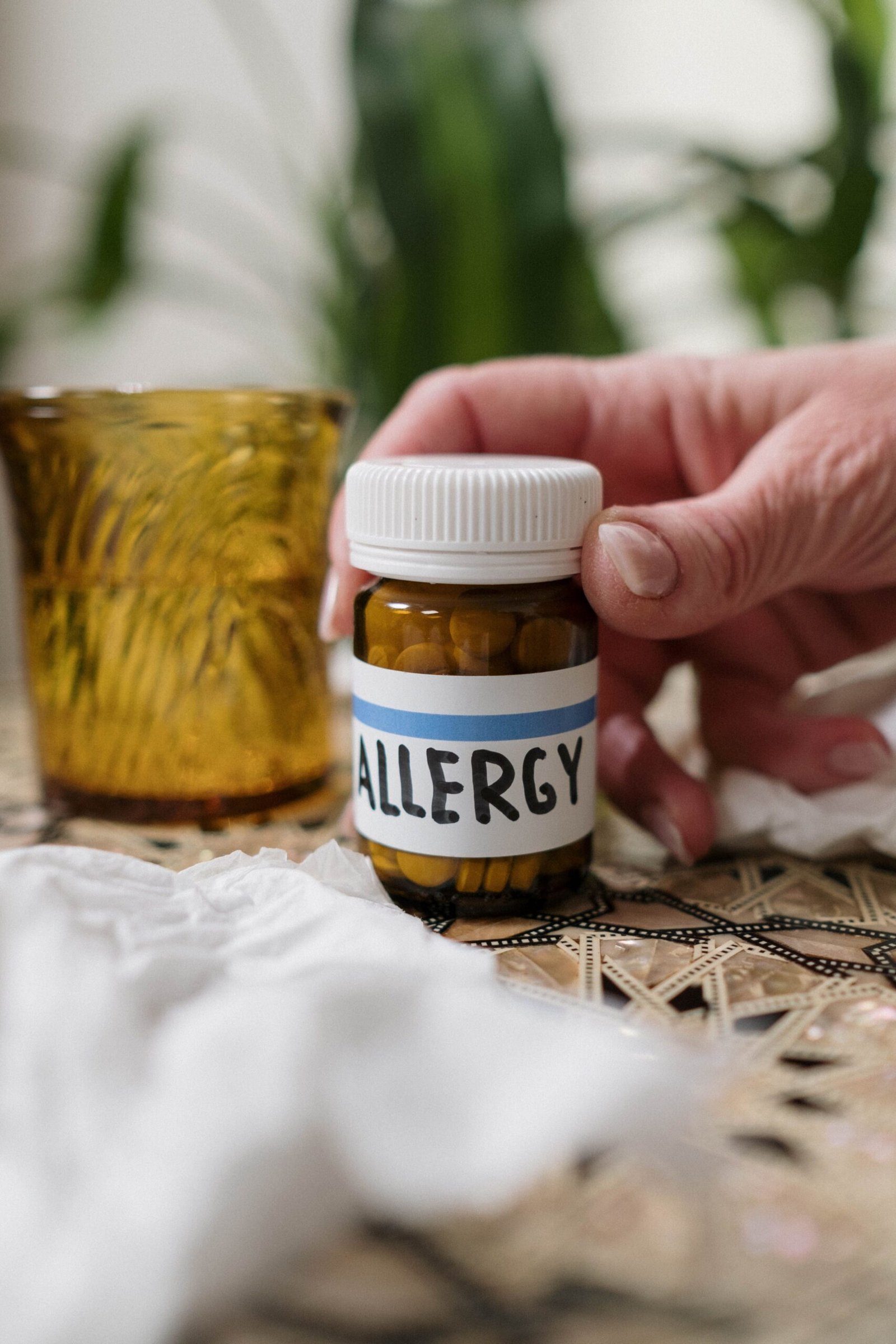
Allergies

Essential Nutrients That Support Immune Health and Their Benefits


Nutrients

Benefits

Vitamin C

Supports Immune Function

Zinc

Supports Immune Health

Omega-3 Fatty Acids

Supports Healthy Inflammatory Response

Probiotics

Supports Gut Health

Antioxidants

Help Protect Cells


Common Types of Allergies

  • Food Allergies

Common triggers include milk, eggs, peanuts, tree nuts, shellfish, soy, and wheat.

  • Seasonal Allergies

Often caused by pollen from trees, grasses, and weeds.

  • Dust Allergies

Triggered by dust mites commonly found in homes.

  • Pet Allergies

Caused by proteins found in pet dander, saliva, or urine.

  • Skin Allergies

May result from contact with certain plants, cosmetics, soaps, or metals.

  • Drug Allergies

Some individuals may react to certain medications.

Common Symptoms

  • Sneezing.
  • Runny or blocked nose.
  • Itchy eyes.
  • Skin rashes.
  • Hives.
  • Swelling.
  • Coughing.
  • Wheezing.
  • Shortness of breath.
  • Digestive discomfort (food allergies).

Risk Factors

  • Family history of allergies.
  • Asthma.
  • Environmental exposure.
  • Childhood allergies.
  • Weak or sensitive immune responses.

Tips for Managing Allergies

  • Identify and Avoid Allergens
  • Knowing your allergy triggers is the first step toward prevention.
  • Maintain Good Hygiene
  • Wash hands and change clothes after outdoor activities during pollen seasons.
  • Keep Indoor Air Clean
  • Regular cleaning and proper ventilation may help reduce exposure to indoor allergens.
  • Stay Hydrated
  • Adequate hydration supports overall health.
  • Follow Medical Advice
  • Use prescribed medications and attend regular medical checkups when needed.

When to Seek Immediate Medical Care

Seek emergency medical attention if you experience:

  • Difficulty breathing.
  • Severe swelling of the face or throat.
  • Persistent wheezing.
  • Sudden drop in blood pressure.
  • Signs of a severe allergic reaction (anaphylaxis).


Benefits of Allergy Management

  • Improved quality of life.
  • Better respiratory health.
  • Reduced allergy symptoms.
  • Improved daily comfort.
  • Better overall well-being.

Prevention Tips

    • Avoid known allergy triggers.
    • Maintain good indoor hygiene.
    • Follow prescribed treatment plans.
    • Keep vaccinations up to date where appropriate.
    • Attend regular health checkups.


Can Lifestyle Changes Help Manage Allergies?

Lifestyle TipHow It Helps
Keep Your Home CleanReduces dust, pollen, and pet allergens.
Stay HydratedHelps thin mucus and soothe airways.
Eat a Balanced DietSupports a healthy immune system.
Check Pollen ForecastsHelps avoid high-allergen exposure.
Wash Hands & ClothesRemoves pollen and other allergens after being outdoors.
Use Air PurifiersImproves indoor air quality and reduces airborne allergens.

Can I Call Off Work Because of My Allergies?

Yes, if your allergy symptoms are severe enough to affect your ability to work safely or comfortably. Follow your workplace's leave policy and seek medical advice if needed.

Do I Have a Legal Right to Work Accommodations for My Allergies?

In some cases, yes. If your allergies qualify as a disability under applicable laws, your employer may be required to provide reasonable accommodations.

What Counts as a 'Reasonable Accommodation' for Allergies at Work?

Examples include improving ventilation, allowing remote work when appropriate, reducing exposure to allergens, or adjusting workspaces to minimize triggers.

Am I Sick or Just Having an Allergic Reaction?

Allergies usually cause sneezing, itchy eyes, runny nose, or skin irritation without fever. Illnesses such as infections often include fever, body aches, and fatigue.

Do Allergies Get Worse the More You're Exposed to Them?

Repeated exposure can sometimes increase symptoms or make allergic reactions more noticeable, especially if the trigger is not avoided.

Can Allergy Shots Help Me Work Better?

For some people, allergy immunotherapy (allergy shots) can reduce symptoms over time, making daily activities and work more comfortable.

What's the Difference Between Allergies and Asthma at Work?

Allergies mainly affect the nose, eyes, or skin, while asthma affects the airways and can cause coughing, wheezing, chest tightness, and difficulty breathing. Some allergens can trigger both conditions.


Allergy ExplanationAllergies are an immune system response to typically harmless substances, referred to as allergens. Allergens could potentially include pollen, dust, mold, pet dander, insect sting, certain foods, or medications. While many allergic reactions are mild and insignificant, they have the potential to become severe and warrant a prompt physician visit.Sneezing, a runny or blocked nose, itching and watery eyes, skin rashes, hives, coughing, and wheezing are all common symptoms of an allergy. Symptoms of allergies can vary and their severity will depend upon the specific allergen and what symptoms are provoked. One of the more common ways to minimize allergy triggers would be to recognize your specific allergen.One of the most common ways to reduce your exposure to common allergens like dust, mold and pet dander is to clean your house thoroughly, wash bedding weekly, and check pollen levels prior to going outdoors. Using an air filter could also reduce the amount of airborne allergens entering your house. Reading food labels carefully and removing trigger foods is crucial for the detection and avoidance of specific food allergies.A healthy lifestyle also goes hand in hand with maintaining a healthy immune system. Consuming adequate amounts of fresh fruits, vegetables, whole grains and lean protein, remaining hydrated and staying fit through exercise will all ensure a strong immune system. These lifestyle choices will not eliminate allergies, but will benefit overall health. If your symptoms are consistent and severe and are hindering everyday activity, it is beneficial to see a doctor who can determine what type of allergy you possess and recommend the correct treatment which could include medications or testing.Understanding Allergies and How to Manage Them People of all ages can be affected by allergies, a very common condition where the body’s immune system reacts to substances it wrongly identifies as harmful. Although most of these substances pose no problem for other individuals, sensitive people will have reactions that are irritating and in some cases may require a visit to the doctor. Allergies can impact on the lives of individuals making it difficult to work or attend school, sleep well and enjoy time outdoors, however with the right knowledge and management plan, most individuals with allergies will learn how to manage their allergies well.The immune system’s purpose is to help the body fend off nasty bacteria, viruses and other things which could be a threat, but for people suffering from allergies, this immune system misidentifies normally harmless items as enemies and releases chemicals which create allergy symptoms like a sneeze or a rash.Allergy severity is a matter of person, ranging from mild itch to much more extreme cases requiring the urgent attention of healthcare professionals. A wide range of things can cause allergic reactions, including pollen which comes from trees, grass and weed is probably the most recognised. However, dust mites which can live in your bedding, pet dander, mould spores, the sting from insects, some types of food, drugs or even items around the house can also induce an allergic response. What causes one person to have an allergy may not affect the next.Common allergy symptoms can occur in different areas of the body, such as nasal congestion or irritation, sneezing or skin irritation or itching around your eyes and some of these areas could result in your skin becoming itchy, swelling around the eyes.# Managing Your Allergies: Living Your Best Life Allergy Management TipsAllergies are one of the most prevalent conditions in the world and affect people of all ages. An allergy is the reaction of a normally benign substance that irritates the immune system. The reaction can include pollen, dust, pets, mold, or foods such as fruits, vegetables, nuts and others.While many reactions are usually temporary or mild, other may interfere with daily activities or become severe if left untreated.Learn more about allergies and take healthy habits so that your allergic reaction may be managed in an easier way and your lifestyle may be improved in many ways.A normally working immune system should fight off the nasty viruses, bacteria and germs. A faulty immune system in people with allergies will interpret certain natural harmless elements as foreign objects or as dangerous viruses and bacterias. Once you get exposed to one, your immune system releases certain substances (chemicals) causing some of your body functions (in the nose, eyes, skin) to work differently, leading to allergic reaction signs (sneezing, itching, swollen skin, watery eyes, cough, etc.). The seriousness and type of these signs vary from one individual to another depending on individual factors and on allergen.Some of the common triggers for allergies: Seasonal pollens (which are frequent in spring and fall), dust mites, pet dander (which usually affects people living with pets, either with dogs or with cats), molds, insect bites, medications, specific food products (such as fruit, vegetable or dairy products, eggs, peanuts and tree nuts). Individual identification is extremely important to control and reduce the effects of the allergic reactions.Each person has unique reactions when the immune system is irritated. Most allergic individuals may experience several signs such as: a blocked or runny nose, excessive sneezing, itchiness in the eyes, dry cough, or an itchy rash on the skin. Some individuals may develop gastrointestinal problems after eating certain foods, others can suffer severe problems such as breathing difficulty or significant swelling and in such cases emergency medical care should be provided to these patients. People suffering from sudden breathing problems, swelling of throat and difficulty in breathing or those who become light-headed should immediately seek emergency treatment.There are ways to prevent a total allergy response. By staying clear from most of allergens that we know that can irritate the immune system. People who are allergic can get rid of much of this by not over-cluttering, changing their bedding sheets on a weekly basis, using dust cloths, using air filtration systems or sprays in the living space or workplace to reduce the exposure of airborne allergen agents such as molds, pet dander and house dusts and to keep windows closed, especially in the allergy seasons and to change clothing after going outdoors to remove potential pollen from body parts and cloths.Proper lifestyle will improve health and it can be linked to allergic treatment. Having a good healthy diet, eating lots of fresh vegetable, fruit, whole grains, leaning protein and healthy fats, adequate amount of water, taking exercises, getting enough quality sleep and reducing the body stress may help improve the entire body health and also enhance immunity and reduce allergen’s effects. It is not to claim it is going to eliminate the allergies but surely it may help you feel more alive!If your allergic reactions happen very often and impact on your normal life or make you feel sick or weak, then you should talk to your medical professional to consult about allergy management. Allergy testing can help in diagnosis and also in finding out the triggers. Treatment plans usually include medication, nasal sprays, allergy shots, and other solutions tailored to your allergy needs. By following the advice provided by healthcare providers, you can expect a greater relief of your symptoms and a better life quality.Balanzing helps with the management of allergies with a wide range of tasty foods, which add nutrient density to your diet to support your overall health and an active lifestyle. By getting an adequate amount of daily exercises, regular sleep, proper stress reduction methods, and other beneficial lifestyle choices like healthy living that also includes nutrient-dense foods that support healthy habits and also boost your overall well being. # The ins and outs of allergies and ways to stay healthy.An allergic reaction is quite common among all the health condition occurring for a wide range of age group. Allergies can be characterized by the occurrence of immune responses from human body towards harmless agents. These agents include various pollen particles, mold, dust, animal dander, or even various kinds of foods.Some of them get through it like it’s nothing, some face difficulties in everyday life.While other have to go for an emergency medical condition due to some specific allergic issues.In a regular human body, immune systems’ main function is to protect us from harmful organisms like bacteria and viruses. However in the case of allergies, immune systems consider a non harmful agent like “a threat”. And because of it release chemical(histamines) into human body causing sneezing, skin irritations, eye watering, coughing and even a running nose, depending on the kind of sensitivity.There are many triggers for the allergies to occur. Some outdoor allergens like the pollen may occur in particular season, while indoor allergens such as pet dander, house dust and mold may cause allergy throughout the year. Besides them, allergic reaction can also occur from foods, medicines, insect sting or from different kinds of chemicals present in products like hair dyes or cleaning stuff.The reaction often affects the respiratory tract, the skin, theeyes and sometimes digestive system too. Commonly noticed allergic reaction include runny or stuffed nose, sneezing, itchy and water filled eyes, skin redness and itchiness, coughing, skin eruptions, asthma, etc. Allergic reaction to food may also result in an upsetting of the stomach.Extreme reaction of allergic reactions can result in swellings in the throat and breathing difficulty.This situation demands medical attention right away.Though allergies are incurable, ...Know More About AllergiesAn allergy is one of the common medical conditions that impact millions of people globally. The condition arises when a body's immune system reacts unusually to substances, which are typically not harmful such as pollen, dust, pet dander, mold, foods, or insect stings. While few people face mild allergic reactions, some experience the symptoms so badly that they begin to interfere with day-to-day life. Learning more about allergies and managing it properly can enhance one's health and comfort.The human immune system is the primary protector against harmful bacteria and viruses. However, in individuals with allergies, it is unable to differentiate the harmless substances from a real threat. This triggers a reaction where chemicals like histamine are released by the body.In most cases, the resulting allergic symptoms include sneezes, runny nose, watery and itchy eyes, skin rash, coughing and/or swelling.These symptoms differ from one person to another, based on the type of allergen.Allergy triggers could range from seasonal pollen to dust mites, molds, pet dander, certain food or medications, as well as insect stings and bites. As each individual is unique and responds in different ways, knowing your personal allergy triggers can reduce its occurrence significantly. Tracking your allergic symptoms could help in finding out your allergic triggers.Exposure to allergens can be greatly reduced by maintaining a safe and sound home environment. Simple strategies like washing beddings regularly, cleaning your house thoroughly, keeping the rooms ventilated, vacuuming rugs or carpets as well as staying away from identified triggers, can have an effect. During certain seasons, such as high pollen season, keeping your windows shut or cleaning up once after being outdoors can help a lot.A well-balanced lifestyle has a great influence on overall well-being, which also plays an important role in dealing with allergies better. It is essential to eat a good and nutritious diet containing ample amount of fruits, vegetables, whole grains, proteins and healthy fats, to ensure your body functions as expected. Apart from a healthy diet, consuming adequate water, engaging in regular exercises, managing stress levels properly, as well as getting enough sleep are essential to good health.The healthcare providers must be consulted if the person has recurrent or severe allergy symptoms. Allergy testing may be recommended to determine what triggers the allergy, so the right treatment may be prescribed. Treatment can range from antihistamines, eye drops and nasal sprays to allergy immunotherapy, depending on individual's conditions. The Management of AllergiesWhen an allergic reaction occurs, your immune system incorrectly registers a normally harmless substance such as pollen, dust, dander, mold, certain foods or an insect sting as a threat and produces symptoms that you experience. This substance that causes you to have an allergic reaction is an allergen. This release of chemical by-products are what causes sneezing, itching eyes, skin rash, cough or runny nose. Although most allergies have mild effects, they can become serious and medical intervention is necessary.First step to overcoming allergies is knowing and eliminating as much of the cause as possible. This may involve ensuring that the home is clean, bedding washed frequently, known allergens are avoided if it is a food allergy or pollen counts are monitored before being outdoors if that is the trigger. Allergies can sometimes cause long-term effects and require medical intervention so that the precise causes can be found and treatment identified.Healthy lifestyle has a huge effect on total body function. Eating nutritious foods, staying hydrated, regular exercise, adequate sleep and controlling stress are all ways in which you ensure your body's basic functions run optimally. None of these can eradicate an allergy however they can assist the management of it by making you generally healthy.Balanzing assists you with a healthy lifestyle with a selection of nutrient rich food products designed to work in tandem with healthy diet and lifestyle. When used with these techniques along with medical care and prevention the results for total well being can be achieved.# ConclusionAllergies can be quite an affliction however they can be managed by understanding their triggers and lifestyle factors and seek professional help when required, this combined approach to health can aid in providing you with less stress when your body experiences a reaction and have less effects of this medical problem.

Disclaimer

The information provided on this website is collected and compiled from publicly available sources for general informational purposes only.

Leave a Reply

Your email address will not be published. Required fields are marked *

Comments

  1. I really enjoyed reading Balanzing’s allergy guide. The information was simple, practical, and easy to understand. The healthy lifestyle tips were especially useful, and I appreciate how Balanzing shares reliable wellness advice that can be applied in everyday life.

Table of Contents