
Balanced Diet For Physical Health
Good physical health begins with good nutrition. The foods we eat provide the energy and nutrients needed for growth, repair, movement, and overall body function. A balanced diet provides protection from various health problems.
Introduction
A balanced diet is one that includes a variety of foods in appropriate proportions to provide all the essential nutrients the body needs. It combines different food groups to support overall health and optimal body function. A balanced diet ensures that the body receives the right combination of carbohydrates, proteins, fats, vitamins, minerals, and water to support daily activities and long-term well-being. Making healthy food choices can help individuals maintain strength, energy, and overall physical fitness throughout life. This guide shows the importance and benefits of a balanced diet.
Essential Nutrients for Physical Health and Their Benefits
|
Nutrients |
Benefits |
|
Carbohydrates |
Primary Energy Source |
|
Protein |
Growth and Muscle Maintenance |
|
Healthy Fats |
Energy and Cell Function |
|
Fiber |
Digestive Health |
|
Vitamins |
Supports Various Body Functions |
Importance of a Balanced Diet
- Supports overall physical health.
- Provides energy for daily activities.
- Helps maintain healthy body functions.
- Supports growth and tissue repair.
- Promotes long-term wellness.
Benefits of a Balanced Diet
Supports Energy Levels
Provides the fuel needed for daily activities and exercise.
Promotes Healthy Muscles and Bones
Essential nutrients help maintain strength and physical function.
Supports Digestive Health
Fiber-rich foods help maintain a healthy digestive system.
Supports Healthy Weight Management
Balanced nutrition helps maintain appropriate calorie intake.
Contributes to Overall Wellness
Proper nutrition supports multiple body systems and functions.
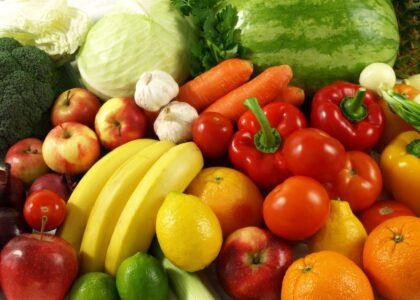
Foods to Include in a Balanced Diet
- Fruits and Vegetables
Rich in vitamins, minerals, and antioxidants.
- Whole Grains
Provide energy and dietary fiber.
- Protein Sources
Eggs, fish, poultry, legumes, nuts, and dairy products.
- Healthy Fats
Nuts, seeds, avocados, and healthy oils.
- Water
Essential for hydration and overall health.
Healthy Eating Habits
Eat a Variety of Foods
Different foods provide different nutrients.
Practice Portion Control
Balanced portions support healthy eating patterns.
Stay Hydrated
Drink sufficient water throughout the day.
Limit Processed Foods
Choose fresh and minimally processed foods whenever possible.
Eat Regular Meals
Maintain consistent meal timings for better nutrition.
Signs of Good Physical Health
- Consistent energy levels.
- Healthy body weight.
- Good muscle strength.
- Healthy digestion.
- Active lifestyle and mobility.
Common Nutritional Mistakes to Avoid
- Skipping meals.
- Excessive consumption of sugary foods.
- Inadequate water intake.
- Overeating processed foods.
- Ignoring portion sizes.
What foods should be included in a balanced diet meal plan?
| Food Group | Examples | Key Nutrients |
|---|---|---|
| Carbohydrates | Brown rice, oats, quinoa, sweet potato | Energy, fiber |
| Proteins | Chicken, fish, eggs, lentils, tofu | Muscle repair, hormones |
| Healthy Fats | Avocado, nuts, olive oil, salmon | Brain & hormone health |
| Fruits & Vegetables | Leafy greens, berries, citrus, broccoli | Vitamins, minerals, antioxidants |
| Dairy/Alternatives | Milk, yogurt, cheese, fortified soy milk | Calcium, Vitamin D |
| Water | Plain water, herbal tea | Hydration, digestion |
How Does Balanzing Help to Provide A Balanced Diet?
A balanced diet is one of the most important pillars of physical health. Balanzing helps people to include nutrient-rich foods in their balanced diet. By consuming a variety of nutrient-rich foods and adopting healthy lifestyle habits, individuals can support their body's daily functions and long-term wellness.
What Should I Eat at Every Meal to Stay Healthy?
Balance each meal with a mix of complex carbs, lean protein, and healthy fats, plus vegetables or fruit. For example, pair grilled chicken with quinoa and greens, or oats with nuts and berries for breakfast.
Can I Still Have Cheat Meals and Maintain a Balanced Diet?
Yes, occasional cheat meals are fine and can support long-term consistency. A balanced diet is about overall patterns, not perfection. Enjoy treats in moderation, then return to nutrient-dense meals — flexibility helps you maintain a balanced diet sustainably.
What's the Cheapest Way to Eat a Balanced Diet?
Buy seasonal produce, dried beans, lentils, eggs, and whole grains like rice and oats in bulk. Frozen fruits and vegetables are affordable and nutritious too. These budget-friendly foods for a balanced diet don't compromise on nutrition.
How Much Protein, Carbs, and Fat Should I Eat Daily?
A common guideline is 45–65% calories from carbs, 10–35% from protein, and 20–35% from fats. Exact needs vary by activity level, age, and goals, so consulting a nutritionist helps personalize your balanced diet meal plan.
What Fruits and Vegetables Should I Prioritize?
Prioritize colorful options like leafy greens, berries, citrus fruits, and cruciferous vegetables such as broccoli. Each color offers different vitamins and antioxidants, so variety matters more than picking just one superfood.
What Should I Do When I'm Extremely Hungry During the Day?
Reach for a balanced snack combining protein and fiber, like nuts with fruit or yogurt with berries, instead of sugary options. This stabilizes blood sugar, curbs cravings faster, and keeps you aligned with your balanced diet meal plan.
Leave a Reply Cancel reply
Comments
Table of Contents
Toggle
This came at the perfect time — I’ve been trying to eat healthier but honestly had no idea where to start. The sample meal plan made it so much easier to actually picture what a balanced diet looks like day to day, instead of just reading vague tips. Also didn’t realize water counted as part of the equation! Bookmarking this to refer back to. Thanks, Balanzing.