
Cholesterol Problems
Cholesterol is a waxy, fat-like substance that is essential for building healthy cells, producing hormones, and aiding digestion. However, when cholesterol levels become too high, they can increase the risk of heart disease, stroke, and other cardiovascular conditions.
Introduction
Cholesterol problems occur when there is an unhealthy balance of cholesterol in the blood. High levels of low-density lipoprotein (LDL) cholesterol, often called "bad cholesterol," can build up inside the arteries, while high-density lipoprotein (HDL) cholesterol, known as "good cholesterol," helps remove excess cholesterol from the bloodstream. Since high cholesterol often develops without noticeable symptoms, regular health checkups and healthy lifestyle habits are important for early detection and effective management. This guide shows common causes of cholesterol.
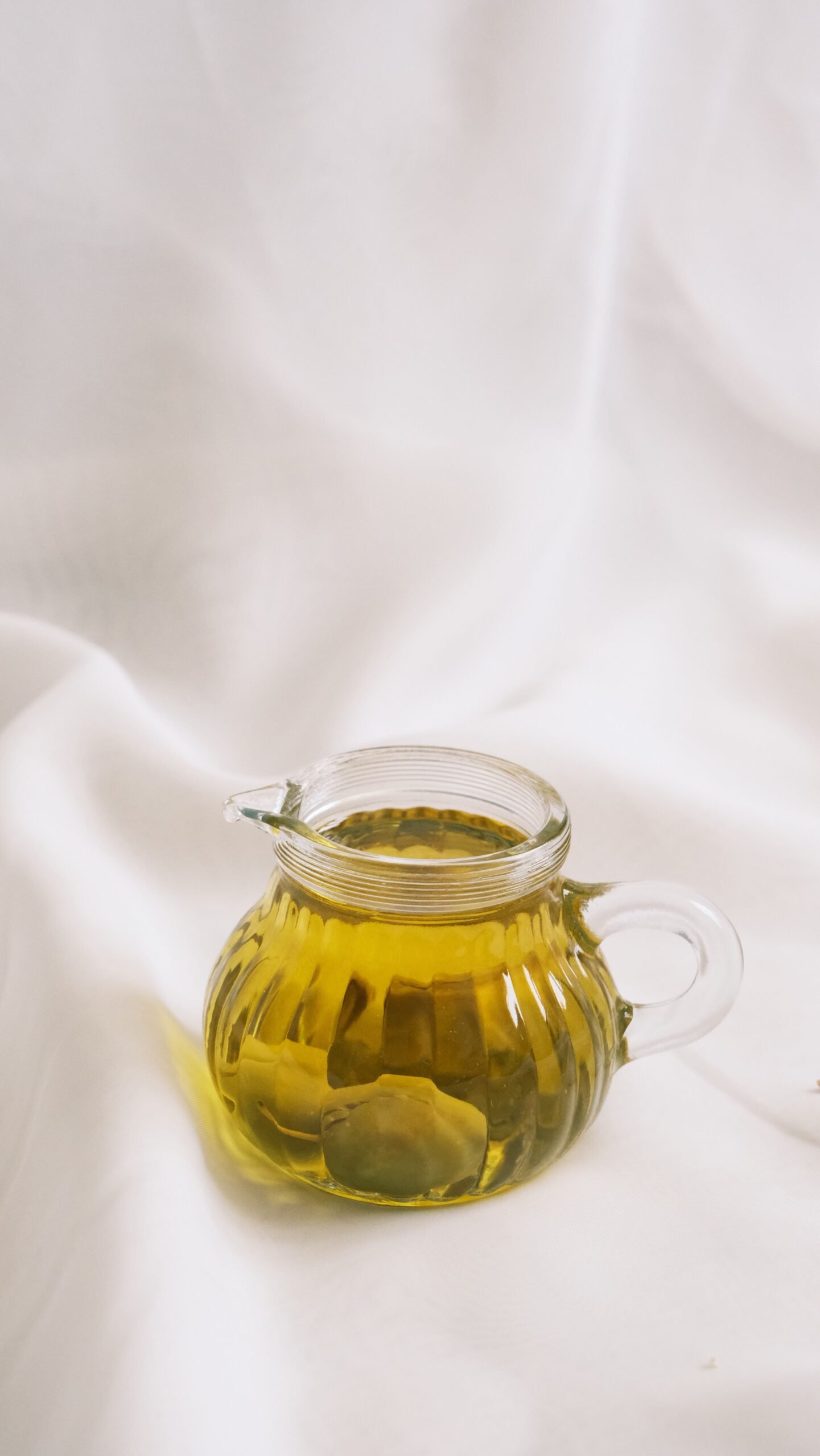
Essential Nutrients for Heart Health and Their Benefits
|
Nutrients |
Benefits |
|
Soulbe Fiber |
Helps Lower LDL Cholesterol |
|
Omega-3 Fatty Acids |
Supports Heart Health |
|
Healthy Fats |
Improves Cholesterol Balance |
|
Antioxidants |
Protect Blood Vessels |
|
Protein |
Supports Overall Health |
Why Are Healthy Cholesterol Levels Important?
Maintaining healthy cholesterol levels helps to:
-
- Support heart health.
- Improve blood circulation.
- Reduce the risk of heart attack.
- Lower the risk of stroke.
- Protect blood vessels.
- Promote overall cardiovascular health.
Types of Cholesterol
- LDL (Low-Density Lipoprotein)
Known as "bad cholesterol," high LDL levels can lead to plaque buildup in the arteries.
- HDL (High-Density Lipoprotein)
Known as "good cholesterol," HDL helps remove excess cholesterol from the bloodstream.
- Triglycerides
A type of fat in the blood. High triglyceride levels may increase the risk of heart disease.
Common Causes of High Cholesterol
- Unhealthy Diet
Frequent consumption of foods high in saturated fats, trans fats, and refined sugars.
- Physical Inactivity
Lack of regular exercise can lower HDL and increase LDL cholesterol.
- Excess Body Weight
Being overweight or living with obesity can affect cholesterol levels.
- Smoking
Smoking damages blood vessels and lowers good cholesterol.
- Excessive Alcohol Intake
Heavy alcohol consumption can increase triglyceride levels.
- Family History
Genetics may contribute to high cholesterol.
Risk Factors
- Poor diet.
- Physical inactivity.
- Smoking.
- Obesity.
- Diabetes.
- High blood pressure.
- Family history.
- Increasing age.
Possible Complications
Untreated high cholesterol may increase the risk of:
-
- Coronary artery disease.
- Heart attack.
- Stroke.
- Peripheral artery disease.
- High blood pressure.
When to Consult a Doctor
Seek medical advice if you:
-
- Have a family history of high cholesterol.
- Have diabetes or high blood pressure.
- Are overweight.
- Experience chest pain or shortness of breath.
- Need routine cholesterol screening.
Benefits of Managing Cholesterol
- Improved heart health.
- Better blood circulation.
- Lower risk of heart attack.
- Reduced stroke risk.
- Increased energy.
- Better overall health.
Best Foods to Eat When You Have High Cholesterol?
|
Food |
Why It Helps |
|
Oats and oatmeal |
Rich in soluble fiber, which may help lower LDL cholesterol. |
|
Barley |
Provides beta-glucan fiber that supports heart health. |
|
Beans and lentils |
High in fiber and plant protein, helping improve fullness and cholesterol control. |
|
Fatty fish (salmon, sardines, mackerel) |
Contains omega-3 fatty acids that support cardiovascular health. |
|
Nuts (almonds, walnuts, pistachios) |
Provide healthy fats that may help improve cholesterol balance. |
|
Seeds (flax, chia, sunflower) |
Add fiber, healthy fats, and important nutrients. |
|
Avocado |
Rich in monounsaturated fats that may help reduce LDL levels. |
|
Olive oil |
A heart-friendly fat often used in Mediterranean-style eating patterns. |
|
Fruits (apples, berries, oranges, pears) |
Contain fiber and antioxidants that support heart health. |
|
Vegetables (broccoli, spinach, carrots, okra) |
High in fiber and beneficial plant compounds. |
|
Soy foods (tofu, tempeh, edamame) |
Can be a useful plant-based protein alternative to high-fat animal foods. |
|
Whole grains (brown rice, millets, quinoa) |
Provide fiber and nutrients that support healthier cholesterol levels. |
Why Did My Pre-Employment Physical Show High Cholesterol?
Pre-employment blood tests may detect high cholesterol even if you feel healthy. Common reasons include genetics, diet, weight, physical inactivity, stress, smoking, alcohol use, or an overnight fast that was not followed correctly.
Can You Lower Cholesterol 60 Points in 3 Months?
Some people can reduce cholesterol significantly in three months through dietary changes, weight loss, exercise, and medication when prescribed, but the amount of reduction varies from person to person.
Is High Cholesterol at 20-Something Years Old Normal?
High cholesterol can occur in young adults, especially with a strong family history or unhealthy lifestyle habits. It is not something to ignore, even in your 20s.
What’s Considered a Dangerously High LDL Number?
An LDL level of 190 mg/dL (4.9 mmol/L) or higher is generally considered very high and often prompts evaluation for familial or severe cholesterol disorders.
Do I Really Need Statins for High Cholesterol?
Not everyone with high cholesterol needs statins. Doctors consider LDL level, age, blood pressure, diabetes, smoking status, family history, and overall cardiovascular risk before recommending medication.
Does Eating Eggs Really Raise Your Cholesterol?
For most people, eggs have a smaller effect on blood cholesterol than saturated and trans fats. Moderate egg consumption can often fit into a healthy diet.
Can Cheese Cause High Cholesterol if You’re Vegetarian?
Cheese can contribute to higher LDL cholesterol because it contains saturated fat. A vegetarian diet can still be high in cholesterol-raising foods if it includes large amounts of cheese, butter, cream, and other high-fat dairy products.




Disclaimer
The information provided on this website is collected and compiled from publicly available sources for general informational purposes only.
Leave a Reply Cancel reply
Comments
Table of Contents
Toggle
This article on BALANZING explained cholesterol in a very simple and practical way. I liked the clear tips on lowering cholesterol naturally, the list of heart-healthy foods, and the easy lifestyle changes that can help improve cholesterol levels over time.