Healthy intake 😃 Balanzed living

Home Workouts

Doing workouts at home can give you more energy and a healthier life. People often forget to workout due to their busy social life. But this creates many health problems for them. So doing a workout at home without going to any other place like a gym provides a healthier life and avoids time loss.

Introduction

Home workouts allow individuals to exercise at their own pace and on their own schedule. They eliminate travel time, reduce costs, and make it easier to stay consistent with fitness goals. Whether you have a busy schedule, limited access to fitness facilities, or simply prefer exercising in a comfortable environment, home workouts offer flexibility and accessibility for people of all fitness levels. This guide shows types of home workouts and sample workout plans.
Home Workouts

Nutrients to Support Home Workouts and Their Benefits

Nutrients

Benefits

Protein

Muscle Recovery

Carbohydrates

Energy Source

Potassium

Muscle Function

Calcium

Bone Health

Magnesium

Muscle relaxation

Types of Home Workouts

Bodyweight Training

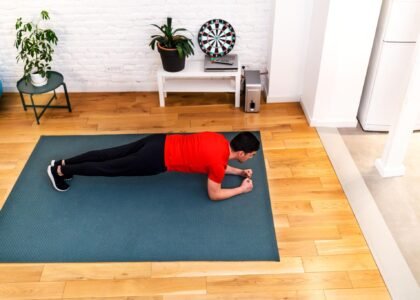
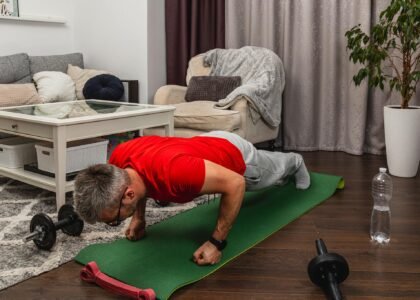
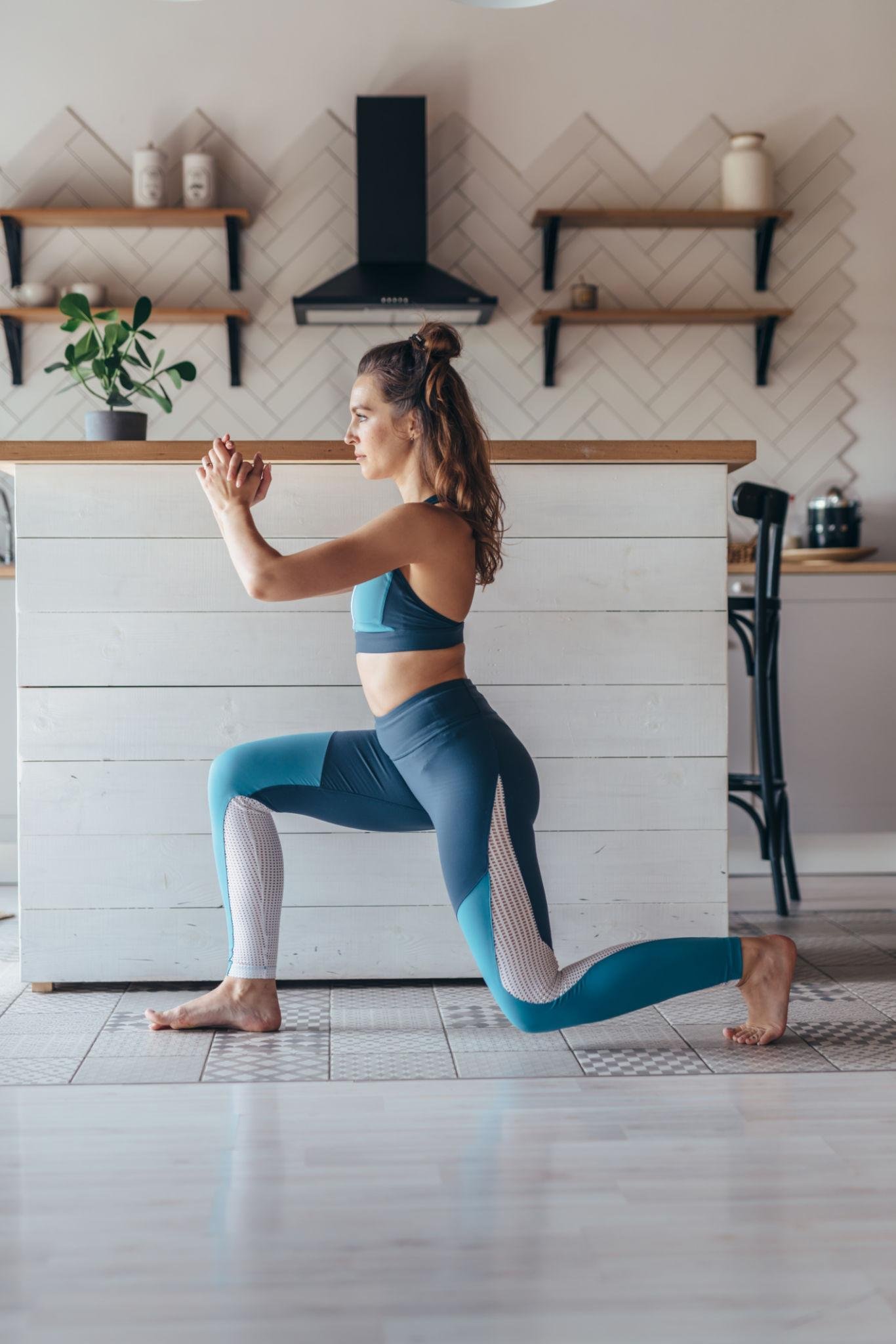
Exercises that use your own body weight, such as squats, push-ups, lunges, and planks.

Cardio Workouts

Activities like jumping jacks, high knees, jogging in place, and skipping.

Strength Training

Using resistance bands, dumbbells, or household items to build strength.

Flexibility and Mobility Exercises

Stretching routines and mobility drills to improve movement.

Yoga and Mind-Body Workouts

Exercises that combine movement, breathing, and relaxation techniques.

Setting Up a Home Workout Space

  • Choose a clean and clutter-free area.
  • Ensure proper ventilation.
  • Wear comfortable workout clothing.
  • Keep water nearby for hydration.
  • Use a fitness mat if available.

Sample 20-Minute Home Workout Routine

Warm-Up (5 Minutes)

  • March in place
  • Arm circles
  • Light stretching


Main Workout (10 Minutes)

  • Squats – 15 repetitions
  • Push-ups – 10 repetitions
  • Lunges – 10 repetitions per leg
  • Plank – 30 seconds
  • Jumping Jacks – 30 seconds

Repeat the circuit twice.

Cool Down (5 Minutes)

  • Gentle stretching
  • Deep breathing exercises

Common Challenges of Home Workouts

  • Lack of motivation
  • Household distractions
  • Limited workout space
  • Inconsistent routine
  • No professional guidance
  • Limited equipment
  • Difficulty tracking progress

Fitness Goals Achievable Through Home Workouts

  • Weight management.
  • Improved cardiovascular fitness.
  • Increased muscle strength.
  • Better flexibility and mobility.
  • Enhanced endurance.
  • Overall health and wellness.

How Does How Does Balanzing Help to Provide Knowledge About Home Workouts?

Home workouts provide a practical and effective way to stay active regardless of your schedule or fitness level. With consistency, proper nutrition, and a structured routine, exercising at home can help support overall health, strength, and well-being. Balanzing helps to provide information about proper home workout plans. The key is to stay committed and make physical activity a regular part of your daily life.

What are the benefits of home workouts?

Home workouts improve strength, cardiovascular health, flexibility, weight management, and mental well-being while saving time and money.

Can I build muscle with home workouts?

Yes. Bodyweight exercises such as push-ups, squats, lunges, and planks, along with resistance bands or dumbbells, can help build muscle when performed consistently.

How often should I do home workouts?

Aim for at least 150 minutes of moderate exercise per week or 30–45 minutes of exercise, 4–5 days a week, depending on your fitness goals.

Do I need equipment for home workouts?

No. Many effective home workouts use only your body weight. Basic equipment like resistance bands or dumbbells can add variety but is not essential.

Are home workouts effective for weight loss?

Yes. Combining cardio exercises, strength training, and a balanced diet can help burn calories and support healthy weight loss.

What should I do before starting a home workout?

Begin with a 5–10 minute warm-up to prepare your muscles and joints, reduce the risk of injury, and improve exercise performance.

Can beginners do home workouts safely?

Yes. Beginners should start with simple exercises, focus on proper form, and gradually increase the intensity as their fitness improves.

What are the different types of home workouts?

Home Workout TypeDescription
Bodyweight WorkoutsExercises using your own body weight, such as push-ups, squats, lunges, and planks.
Strength TrainingUses dumbbells, resistance bands, kettlebells, or household items to build muscle strength.
Cardio WorkoutsIncludes jumping jacks, high knees, burpees, jogging in place, and mountain climbers to improve heart health.
HIIT (High-Intensity Interval Training)Short bursts of intense exercise followed by brief rest periods for maximum calorie burning.
YogaImproves flexibility, balance, posture, and mental relaxation through controlled movements and breathing.
PilatesFocuses on core strength, flexibility, posture, and controlled body movements.
Core WorkoutsTargets abdominal and lower back muscles with exercises like planks, crunches, and leg raises.
Flexibility & StretchingEnhances mobility, reduces muscle stiffness, and helps prevent injuries.
Dance FitnessCombines dance routines with aerobic exercise for a fun and effective workout.
Circuit TrainingRotates through multiple exercises with minimal rest to improve strength and endurance.
Functional TrainingUses movements that mimic daily activities to improve balance, coordination, and overall fitness.
Resistance Band WorkoutsUses elastic resistance bands to strengthen muscles without heavy gym equipment.
Low-Impact WorkoutsGentle exercises suitable for beginners, seniors, or people recovering from injuries.
Mobility WorkoutsFocuses on improving joint movement, flexibility, and range of motion.
Full-Body WorkoutsEngages all major muscle groups in a single exercise session for overall fitness.

Disclaimer

The information provided on this website is collected and compiled from publicly available sources for general informational purposes only.

# Home Workouts: A Complete Guide to Staying Fit Without a Gym Home workouts have become one of the most convenient and effective ways to maintain a healthy lifestyle. Whether your goal is weight loss, muscle building, improving flexibility, or simply staying active, exercising at home offers a practical solution for people of all fitness levels. You do not need an expensive gym membership or advanced fitness equipment to achieve noticeable results. With consistency, proper technique, and a structured routine, home workouts can improve your overall physical health, mental well-being, and energy levels. One of the greatest advantages of home workouts is flexibility. You can exercise whenever it suits your schedule, whether early in the morning, during a lunch break, or in the evening. Working out at home also saves travel time and allows you to create a comfortable fitness environment. Since there are no long commutes or waiting for equipment, many people find it easier to stick to a regular exercise routine. ## Benefits of Home Workouts Home workouts offer numerous physical and mental health benefits. Regular exercise helps strengthen muscles, improve cardiovascular health, increase flexibility, enhance endurance, and support healthy weight management. Physical activity also stimulates the release of endorphins, often called "feel-good hormones," which help reduce stress, anxiety, and symptoms of depression. Home Workouts Home Workouts Home Workouts Home Workouts Home Workouts Home Workouts Home Workouts Home Workouts Home Workouts Home Workouts Additional benefits include: * Improved heart health * Increased muscle strength * Better balance and coordination * Enhanced flexibility * Higher energy levels * Better sleep quality * Improved posture * Stronger bones and joints * Reduced risk of chronic diseases * Greater self-confidence ## Preparing for a Home Workout Before starting any exercise routine, prepare a safe workout space. Wear comfortable clothing, supportive athletic shoes if needed, and keep a water bottle nearby for hydration. Begin each session with a proper warm-up to prepare your muscles and joints for movement. A simple warm-up may include: * Marching in place * Arm circles * Shoulder rolls * Hip rotations * Gentle body twists * Light jogging in place Warming up for five to ten minutes helps improve blood circulation and reduces the risk of injury. ## Full Body Home Workout Exercises ### Squats Squats are one of the most effective lower-body exercises. They strengthen the quadriceps, hamstrings, glutes, calves, and core muscles while improving balance and stability. Stand with your feet shoulder-width apart. Lower your hips as though sitting in a chair while keeping your chest lifted and your back straight. Push through your heels to return to the starting position. Beginners can perform 10 to 15 repetitions for two or three sets. ### Push-Ups Push-ups strengthen the chest, shoulders, triceps, and core muscles. They are one of the best bodyweight exercises for upper-body development. Start in a plank position with your hands slightly wider than shoulder width. Lower your chest toward the floor while keeping your body in a straight line, then push back up. Modified push-ups performed on the knees are suitable for beginners. ### Lunges Lunges improve lower-body strength, balance, and coordination. They target the thighs, glutes, hamstrings, and calves. Step forward with one leg and lower your body until both knees form approximately 90-degree angles. Push back to the starting position and repeat on the opposite leg. ### Plank The plank is one of the best exercises for strengthening the core. It also works the shoulders, back, and glutes. Support your body on your forearms and toes while maintaining a straight line from head to heels. Hold the position for 20 to 60 seconds depending on your fitness level. ### Glute Bridges Glute bridges strengthen the hips, lower back, and glute muscles while improving posture. Lie on your back with your knees bent and feet flat on the floor. Lift your hips toward the ceiling by squeezing your glutes. Slowly lower and repeat. ## Cardio Exercises at Home Cardiovascular exercises increase heart rate, improve endurance, and burn calories effectively. ### Jumping Jacks Jumping jacks provide a full-body workout while improving cardiovascular fitness. Stand with your feet together and arms at your sides. Jump while spreading your legs and raising your arms overhead. Return to the starting position and repeat. ### High Knees Run in place while lifting your knees as high as possible. Pump your arms naturally to increase intensity. ### Mountain Climbers Begin in a plank position and alternate driving your knees toward your chest at a quick pace. This exercise combines core strengthening with cardiovascular conditioning. ### Burpees Burpees are a challenging full-body exercise that improves endurance, strength, and coordination. They combine a squat, plank, push-up, and jump into one continuous movement. ## Core Strengthening Exercises A strong core supports better posture, reduces back pain, and improves athletic performance. Popular core exercises include: * Bicycle crunches * Leg raises * Russian twists * Dead bugs * Flutter kicks * Side planks Perform each exercise slowly with controlled movements to maximize effectiveness. ## Flexibility and Mobility Exercises Stretching helps maintain joint mobility and prevents muscle tightness. Useful stretches include: * Hamstring stretch * Quadriceps stretch * Hip flexor stretch * Calf stretch * Shoulder stretch * Neck stretch * Child's pose * Cat-cow stretch Stretch after workouts when muscles are warm and hold each stretch for approximately 20 to 30 seconds. ## Weekly Home Workout Plan A balanced weekly routine helps develop overall fitness. **Monday:** Full body strength workout **Tuesday:** Cardio exercises and stretching **Wednesday:** Core training and mobility exercises **Thursday:** Lower body workout **Friday:** Upper body workout **Saturday:** Light cardio, yoga, or flexibility training **Sunday:** Rest and recovery ## Home Workout Without Equipment Many effective exercises require no equipment at all. Examples include: * Squats * Push-ups * Lunges * Planks * Sit-ups * Jumping jacks * Mountain climbers * Burpees * High knees * Glute bridges Bodyweight training can improve strength and endurance while remaining accessible for almost everyone. ## Home Workout with Simple Equipment If you have basic equipment, you can add more variety to your workouts. Useful equipment includes: * Resistance bands * Dumbbells * Kettlebells * Yoga mat * Stability ball * Jump rope These tools can increase resistance and support progressive strength development. ## Nutrition for Better Results Exercise alone is not enough to achieve optimal fitness. Proper nutrition supports muscle recovery, energy production, and overall health. Focus on: * Lean protein sources * Whole grains * Fruits and vegetables * Healthy fats * Plenty of water * Limited processed foods and sugary drinks Eating a balanced meal after exercise helps replenish energy and supports muscle repair. ## Recovery and Rest Recovery is an essential part of every fitness program. Muscles repair and become stronger during rest periods. Support recovery by: * Sleeping seven to nine hours each night * Staying hydrated * Performing gentle stretching * Taking at least one rest day each week * Listening to your body's signals Avoid overtraining, as it can increase fatigue and raise the risk of injury. ## Common Home Workout Mistakes Avoid these common mistakes: * Skipping warm-ups * Ignoring proper exercise form * Exercising inconsistently * Doing too much too soon * Not allowing adequate recovery * Poor hydration * Neglecting stretching * Unrealistic expectations Maintaining proper technique is more important than completing a high number of repetitions. ## Tips for Staying Motivated Staying consistent is often the biggest challenge. Setting realistic goals and tracking progress can help maintain motivation. Helpful strategies include: * Create a regular workout schedule. * Set achievable weekly goals. * Follow a structured fitness plan. * Exercise with family or friends. * Celebrate small improvements. * Listen to motivating music. * Gradually increase workout intensity. Consistency over time produces better results than occasional intense workouts. ## Conclusion Home workouts provide an effective, affordable, and flexible way to improve overall health and fitness. Whether you are a beginner or an experienced fitness enthusiast, regular exercise at home can help build strength, increase endurance, improve flexibility, support weight management, and enhance mental well-being. By combining strength training, cardiovascular exercise, stretching, proper nutrition, and sufficient recovery, you can achieve long-term fitness goals without needing a gym. The key to success is maintaining consistency, using correct exercise techniques, and gradually progressing your routine. Even a short daily workout can make a meaningful difference in your overall health and quality of life. # Body Fitness for All Ages – Build Strength, Health, and Confidence with Balanzing Body fitness is one of the most important foundations of a healthy and active life. Regardless of age, maintaining physical fitness helps improve strength, flexibility, endurance, balance, and overall well-being. At **Balanzing**, we believe that fitness is not limited to athletes or gym enthusiasts. It is a lifelong journey that can be adapted to every stage of life, from childhood to older adulthood. Regular physical activity, combined with proper nutrition, quality sleep, and healthy lifestyle habits, supports both physical and mental health while helping people enjoy a higher quality of life. Fitness is about much more than appearance. It is about keeping the body strong enough to perform everyday activities with ease, preventing chronic diseases, improving mobility, and promoting emotional wellness. Whether you are a student, a working professional, a parent, or a senior citizen, staying active can significantly improve your health and energy levels. ## Why Body Fitness Is Important Regular exercise benefits nearly every system in the body. It strengthens the heart, improves lung capacity, builds muscles and bones, enhances joint flexibility, and boosts the immune system. Physical activity also stimulates the release of endorphins, often called "feel-good hormones," which help reduce stress, anxiety, and depression. Maintaining fitness also lowers the risk of obesity, high blood pressure, type 2 diabetes, heart disease, osteoporosis, and certain other chronic health conditions. In addition, regular exercise improves sleep quality, increases energy, sharpens concentration, and enhances overall productivity in daily life. ## Body Fitness for Children Children require regular physical activity to support healthy growth and development. Exercise strengthens muscles and bones, improves coordination, and helps maintain a healthy weight. Active children are also more likely to develop lifelong healthy habits. Simple activities such as running, cycling, swimming, dancing, playing outdoor games, jumping rope, and participating in sports keep children physically active while making exercise enjoyable. Limiting screen time and encouraging outdoor play can further support their physical and mental development. ## Body Fitness for Teenagers Teenage years are a critical period for developing lifelong fitness habits. Regular exercise supports healthy growth, improves posture, strengthens muscles, and enhances athletic performance. It also helps teenagers manage academic stress and improves confidence and self-esteem. Teen fitness routines may include strength training with proper supervision, jogging, cycling, yoga, bodyweight exercises, sports, swimming, and flexibility training. Combining cardiovascular exercise with muscle-strengthening activities creates a balanced fitness routine. ## Body Fitness for Adults Busy work schedules often make it difficult for adults to stay physically active. However, even 30 to 60 minutes of moderate exercise most days of the week can provide significant health benefits. Adults should aim for a balanced workout routine that includes cardiovascular exercise, strength training, stretching, and balance exercises. Walking, jogging, cycling, resistance training, yoga, Pilates, and home workouts are excellent choices. Regular physical activity helps control weight, improve heart health, reduce stress, maintain muscle mass, and prevent lifestyle-related diseases. ## Body Fitness for Seniors Growing older does not mean becoming inactive. In fact, regular exercise becomes even more important with age. Physical activity helps seniors maintain independence, improve balance, strengthen muscles, and reduce the risk of falls. Low-impact exercises such as walking, chair exercises, stretching, yoga, tai chi, swimming, and light resistance training are excellent options. These activities improve flexibility, joint mobility, circulation, and overall physical function while supporting mental well-being. ## Components of Complete Body Fitness A well-rounded fitness program should include several essential components: **Cardiovascular Fitness:** Activities like brisk walking, cycling, jogging, swimming, and dancing strengthen the heart and lungs while improving endurance. **Muscular Strength:** Resistance exercises using body weight, resistance bands, or weights help build stronger muscles and improve daily functional ability. **Muscular Endurance:** Repeating exercises over longer periods improves stamina and allows muscles to work efficiently without excessive fatigue. **Flexibility:** Stretching exercises and yoga improve joint mobility, reduce muscle stiffness, and lower the risk of injury. **Balance and Coordination:** Exercises that improve stability help prevent falls and enhance movement efficiency, especially in older adults. ## Healthy Nutrition Supports Fitness Exercise alone cannot achieve optimal fitness without proper nutrition. A balanced diet provides the energy and nutrients needed for physical activity and recovery. Healthy meals should include whole grains, lean proteins, fruits, vegetables, healthy fats, nuts, seeds, and plenty of water. Reducing processed foods, sugary beverages, and excessive salt can further support long-term health. Eating nutritious meals before and after exercise helps improve performance and muscle recovery. ## Importance of Rest and Recovery Rest is an essential part of any fitness program. During rest, muscles repair themselves and become stronger. Adults should aim for seven to nine hours of quality sleep each night, while children and teenagers generally require more sleep to support growth and development. Recovery days also help prevent overtraining, reduce the risk of injury, and improve long-term exercise performance. ## Home Fitness for Every Lifestyle Home workouts offer a convenient and affordable way to stay active without needing expensive equipment or gym memberships. Bodyweight exercises such as squats, lunges, push-ups, planks, mountain climbers, jumping jacks, and stretching routines can provide excellent full-body workouts. People with busy schedules can benefit from short exercise sessions lasting 20 to 30 minutes. Consistency is more important than workout duration, making home fitness an effective option for individuals of all ages. ## Mental Health Benefits of Exercise Physical fitness positively affects mental and emotional health. Regular exercise reduces stress hormones while increasing the production of endorphins that improve mood. It can help reduce symptoms of anxiety and depression, improve memory and concentration, boost confidence, and promote emotional resilience. Group exercise, family fitness activities, or even daily walks with friends can also strengthen social connections and encourage long-term motivation. ## Tips for Maintaining Lifelong Fitness Building lasting fitness habits does not require perfection. Small, consistent efforts often produce the greatest long-term results. Setting realistic goals, following a regular exercise schedule, eating nutritious foods, staying hydrated, warming up before exercise, cooling down afterward, and listening to your body's needs all contribute to sustainable fitness. Tracking progress and celebrating milestones can also help maintain motivation and encourage healthy habits throughout life. ## How Balanzing Supports Body Fitness At **Balanzing**, we promote a holistic approach to health that combines physical fitness, balanced nutrition, preventive care, and healthy lifestyle practices. Our goal is to help individuals and families improve their overall well-being through practical guidance, personalized wellness strategies, and sustainable fitness routines suitable for every age group. Whether you are beginning your fitness journey or looking to maintain an active lifestyle, Balanzing encourages safe, consistent, and enjoyable physical activity that supports long-term health. By making fitness a regular part of daily life, people of all ages can enjoy stronger bodies, healthier minds, increased energy, and a better quality of life for years to come.

Leave a Reply

Your email address will not be published. Required fields are marked *

Comments

  1. This article by Balanzing is informative, easy to understand, and offers practical fitness tips for people of all ages. A great guide for building a healthier and more active lifestyle.

Table of Contents