Healthy intake 😃 Balanzed living

Orthopedic & Physiotherapy Treatments

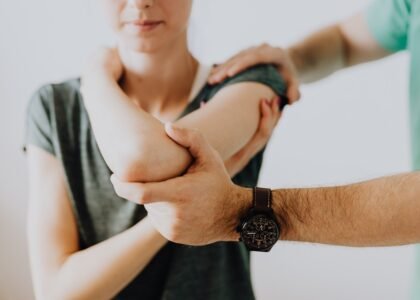
Orthopedic and physiotherapy treatments play a vital role in restoring movement, reducing pain, and improving overall physical function. Whether recovering from an injury, managing arthritis, healing after surgery, or living with chronic musculoskeletal conditions, these treatments help individuals regain independence and return to their daily activities.

Introduction

Orthopedic Treatments focus on diagnosing, treating, and preventing disorders affecting the bones, joints, muscles, ligaments, tendons, and spine. Physiotherapy complements orthopedic care by improving strength, flexibility, balance, and mobility through specialized exercises and rehabilitation techniques. Modern orthopedic care combined with personalized physiotherapy offers comprehensive solutions for patients of all ages. This guide shows the benefits of orthopedic and physiotherapy care.

ore susceptible to fractures. Maintaining strong bones is essential for mobility, independence, and overall quality of life. Early awareness, proper nutrition, regular exercise, and healthy lifestyle habits can play a significant role in supporting bone health and reducing the risk of osteoporosis. This guide shows the importance of preventing osteoporosis.

Orthopedic Treatments

Essential Nutrients for Bone and Joint Health and Their Benefits


Nutrients

Benefits

Protein

Muscle Repair and Recovery

Calcium

Strong Bones

Vitamin D

Calcium Absorption

Magnesium

Muscle and Nerve Function

Vitamin C

Collagen Formation


Benefits of Orthopedic & Physiotherapy Care

Comprehensive treatment can help:

    • Relieve pain.
    • Improve joint mobility.
    • Restore muscle strength.
    • Speed up recovery after injury or surgery.
    • Improve balance and coordination.
    • Enhance quality of life.
    • Prevent future injuries.
    • Support long-term physical health.

Orthopedic Treatments

  • Joint Replacement Surgery

Replacement of damaged joints with artificial implants to restore function and reduce pain.

  • Knee Replacement

Surgical replacement of a damaged knee joint to improve mobility and relieve chronic pain.

  • Hip Replacement

Replacement of the hip joint to restore movement and improve daily function.

  • Arthroscopy

A minimally invasive procedure used to diagnose and treat joint problems through small incisions.

  • Sports Injury Treatment

Management of ligament injuries, muscle strains, tendon injuries, and sports-related fractures.

  • Fracture Management

Treatment of broken bones using casting, splinting, or surgical fixation depending on the injury.

  • Spine Surgery

Surgical treatment for spinal conditions such as disc problems, spinal stenosis, or spinal instability.

  • Back Pain Treatment

Comprehensive care for acute and chronic back pain using medication, therapy, and rehabilitation.

  • Neck Pain Treatment

Treatment for neck injuries, muscle strain, nerve compression, and cervical spine disorders.

  • Arthritis Management

Personalized treatment to reduce pain, improve joint function, and maintain mobility.

  • Osteoporosis Management

Medical care and lifestyle interventions to strengthen bones and reduce fracture risk.

Physiotherapy Treatments

  • Physiotherapy Assessment

Individualized evaluation to identify movement limitations and develop a personalized treatment plan.

  • Manual Therapy

Hands-on techniques to improve joint movement, reduce stiffness, and relieve pain.

  • Exercise Therapy

Customized exercise programs to restore strength, flexibility, and endurance.

  • Rehabilitation Therapy

Comprehensive recovery programs following injury, illness, or surgery.

  • Post-Surgical Rehabilitation

Guided rehabilitation to improve healing and restore function after orthopedic surgery.

  • Gait Training

Exercises that improve walking ability, posture, and coordination.

  • Balance Training

Specialized exercises to improve stability and reduce the risk of falls.

  • Occupational Therapy

Training that helps individuals safely perform daily activities and regain independence.

  • Pain Relief Therapy

Therapeutic techniques such as stretching, strengthening, heat therapy, cold therapy, and electrotherapy to manage pain.

Conditions Commonly Treated

  • Arthritis.
  • Joint pain.
  • Back pain.
  • Neck pain.
  • Frozen shoulder.
  • Sports injuries.
  • Fractures.
  • Tendon injuries.
  • Osteoporosis.
  • Post-surgical recovery.
  • Muscle weakness.
  • Balance disorders.

Healthy Lifestyle Tips

    • Stay Physically Active

    Regular exercise helps maintain healthy muscles and joints.

    • Maintain Good Posture

    Proper posture reduces stress on the spine and joints.

    • Eat a Balanced Diet

    Consume foods rich in protein, calcium, vitamins, and minerals.

    • Maintain a Healthy Weight

    Healthy body weight reduces pressure on weight-bearing joints.

    • Prevent Falls

    Keep living spaces safe and perform balance exercises regularly.

    • Attend Follow-Up Appointments

    Regular reviews help monitor recovery and adjust treatment plans.

Benefits of Early Treatment

  • Faster recovery.
  • Reduced pain.
  • Improved joint function.
  • Better mobility.
  • Lower risk of complications.
  • Enhanced independence and quality of life.
  •  

When to Consult an Orthopedic Specialist or Physiotherapist

Seek professional care if you experience:

  • Persistent joint or muscle pain.
  • Difficulty walking or climbing stairs.
  • Limited movement.
  • Sports injuries.
  • Back or neck pain lasting several weeks.
    • Swelling after an injury.
    • Difficulty recovering after surgery.

Who May Benefit from Orthopedic Treatments?

ConditionHow Orthopedic Treatments Help
Joint PainHelps reduce pain and improve joint function.
Sports InjuriesSupports recovery through specialized treatment and rehabilitation.
ArthritisHelps manage pain, stiffness, and improve mobility.
Back and Neck PainProvides diagnosis, pain management, and rehabilitation options.
Bone FracturesPromotes proper healing and restores movement.
Muscle or Ligament InjuriesSupports recovery with physiotherapy and appropriate medical care.
Tendon ProblemsHelps reduce inflammation and restore strength and flexibility.
Post-Surgical RecoveryPhysiotherapy rehabilitation improves mobility and speeds recovery.

How Much Does Orthopedic Treatment Cost?

The cost of Orthopedic Treatments depends on the condition, consultation fees, diagnostic tests, medications, physiotherapy sessions, and whether surgery is required. Minor treatments are generally more affordable than complex orthopedic surgeries.

Can I See an Orthopedic Specialist Without a Referral?

Yes. In many hospitals and clinics, you can book an appointment with an orthopedic specialist directly. However, some insurance plans or healthcare providers may require a referral from a primary care doctor.

How Do I Choose the Right Orthopedic Doctor?

Choose an orthopedic doctor based on their qualifications, experience, area of specialization, patient reviews, hospital affiliation, and communication style. It's also important to select a doctor who explains treatment options clearly and answers your questions.

What Questions Should I Ask My Orthopedic Doctor?

Ask about your diagnosis, available treatment options, expected recovery time, possible risks, rehabilitation plan, activity restrictions, and whether physiotherapy or surgery is recommended for your condition.

What Are Red Flags When Choosing an Orthopedic Surgeon?

Be cautious if the surgeon does not explain your condition clearly, recommends surgery without discussing alternative treatments, has poor patient reviews, lacks relevant experience, or avoids answering your questions about risks and recovery.

What Is the Most Common Orthopedic Problem?

Some of the most common orthopedic problems include arthritis, back pain, joint pain, fractures, sports injuries, tendon injuries, and osteoarthritis. Early diagnosis and appropriate treatment can help improve recovery and mobility.

What's the Hardest Orthopedic Surgery to Recover From?

Recovery varies for each individual, but surgeries such as spinal fusion, total knee replacement, hip replacement, and complex fracture reconstruction often require longer rehabilitation. Following your orthopedic surgeon's advice and completing physiotherapy can significantly improve recovery outcomes.


Orthopedic Treatments:-If you're looking to keep up with an active lifestyle, having strong bones, joints, muscles, and ligaments is a must. Whether it's from a sports injury, arthritis, a fractured bone, or chronic back pain, Orthopedic Treatments can be your go-to in getting back on your feet, out of pain, and improving your quality of life. With today's advances, Orthopedic Treatments involve using advanced medical methods combined with specialized rehabilitation programs for safe and effective recovery.Many of us experience issues with our musculoskeletal system due to age, poor posture, repetitive motion, obesity, injuries from accidents, or physically demanding careers. If we can spot a minor problem and treat it right away, it can prevent it from turning into a bigger concern. Fortunately, with Orthopedic & Physiotherapy Treatments, you have both surgical and non-surgical options available, depending on your specific condition and recovery goals.One of the biggest perks of Orthopedic Pain Treatment is that it not only focuses on pain relief, but it also addresses the root cause of the problem. Your doctor might prescribe medications, physical therapy, make lifestyle changes, provide injections, or suggest surgery, all based on the seriousness of your situation.So, what exactly are Orthopedic Treatments?These are medical therapies aimed at diagnosing, treating, and managing conditions affecting your bones, joints, muscles, ligaments, tendons, and spine. The goal? To restore mobility, boost strength, ease discomfort, and maintain healthy musculoskeletal function in the long run.Good news is that most orthopedic issues can be successfully treated if they're diagnosed early. Oftentimes, a combination of Orthopedic & Physiotherapy Treatments will get you back on track faster than using medication alone.Common Conditions Treated by OrthopedicsYou might find yourself needing orthopedic care for a range of conditions, such as:* Osteoarthritis* Rheumatoid arthritis* Knee pain* Hip pain* Shoulder injuries* Neck pain* Back pain* Sports injuries* Fractures* Ligament tears* Tendon injuries* Frozen shoulder* Tennis elbow* Carpal tunnel syndrome* Spinal disordersEach condition comes with its own unique treatment plan, which could include Physiotherapy Rehabilitation, medication, or even surgery.The Many Benefits of Orthopedic TreatmentsWhen done right, orthopedic treatments can offer a wealth of health benefits:* Effective pain relief* Improved joint flexibility* Restoration of normal movement* Faster recovery from injuries* Strengthened muscles around injured joints* Reduced stiffness* Prevention of future injuries* Better posture* Enhanced daily function* Long-term mobility supportPatients who receive Orthopedic Pain Treatment often report a dramatic improvement in their ability to carry out daily tasks with minimal discomfort.The Role of Physiotherapy in Your RecoveryOne of the most invaluable aspects of your recovery is Physiotherapy Rehabilitation. While medication might offer temporary pain relief, physiotherapy is all about building muscle strength, flexibility, balance, and restoring joint function.Your individualized Physiotherapy Rehabilitation program may involve stretching and strengthening exercises, balance training, posture correction, manual therapy, and mobility work.For many, Joint Pain Physiotherapy will become an indispensable part of their journey to recovery after an injury or surgery.Types of Orthopedic & Physiotherapy TreatmentsModern orthopedic and physiotherapy treatments come with a variety of options, all tailored to your specific diagnosis:* Medication: Doctors may prescribe painkillers, anti-inflammatory drugs, or muscle relaxants to help manage pain during the recovery phase. * Physical Therapy: Professional Physiotherapy Rehabilitation will help you regain normal movement, reduce stiffness, and enhance your flexibility. * Joint Injections: For certain joint issues, injections like corticosteroids or lubricants can provide temporary relief from inflammation and pain. * Braces and Supports: These help to stabilize injured joints during the healing process. * Surgery: If conservative treatments don't yield the desired results, surgery may be recommended for conditions such as fractures, ligament tears, joint replacements, or spine disorders.Understanding Musculoskeletal TherapyMusculoskeletal Therapy focuses on treating the muscles, tendons, ligaments, joints, and connective tissues in your body. It combines hands-on therapies, exercise regimens, posture improvements, and rehabilitation techniques to restore natural movement and relieve pain.If you struggle with chronic pain, Musculoskeletal Therapy can be incredibly beneficial for increasing flexibility and correcting movement patterns that lead to reoccurring injuries.Joint Pain Physiotherapy: Move Better, Feel BetterMillions suffer from pain in their knees, shoulders, hips, and ankles. Joint Pain Physiotherapy is key to easing that pain and building stronger muscles around these affected joints.Some of the common techniques used in Joint Pain Physiotherapy include:* Range-of-motion exercises* Strength training* Balance exercises* Stretching routines* Heat therapy* Cold therapy* Manual mobilizationThese techniques are designed to help you regain your confidence and return to everyday activities safely and smoothly.Tips for Faster RecoveryWhether you're recovering from surgery or an injury, here are some tips to maximize the effectiveness of your Orthopedic Treatments:* Follow your doctor's instructions to the letter. * Attend all of your Physiotherapy Rehabilitation sessions. * Maintain a healthy weight. * Stay active, but don't push yourself too hard. * Eat foods rich in calcium and protein. * Practice good posture when you're sitting or standing. * Wear supportive shoes. * Avoid lifting heavy objects improperly. * Prioritize sleep for proper tissue repair. * Do your home exercises regularly.Don't Wait for Orthopedic Problems to Strike: How to Prevent Them and Support Your RecoveryWe know that not all bone, muscle, or joint issues are preventable, but we can all take proactive steps to greatly reduce our chances of injuries and chronic pain. Alongside timely Orthopedic Treatments, staying active and following our doctor's advice is crucial for keeping our bones, joints, and muscles in tip-top shape.Here are a few easy tips to help you prevent orthopedic problems:* Exercise regularly: Strong muscles and joints are your body's best defenses. * Practice good posture: Whether you're sitting or standing, pay attention to how you hold yourself. * Lift smartly: Make sure you're using the correct technique when lifting heavy objects. * Wear appropriate footwear: Support your feet and ankles during any physical activity. * Eat nutritious foods: Load up on calcium and vitamin D to keep your bones strong. * Maintain a healthy weight: Excess weight puts extra strain on your joints. * Stretch! Get those muscles warmed up before exercise and cool them down afterwards. * Avoid prolonged sitting: Get up and move around periodically. * Stay hydrated: Water is vital for overall health, including the health of your musculoskeletal system. * Schedule regular check-ups: If you're already dealing with bone or joint issues, check in with your doctor regularly.Many people find that integrating preventative care with Orthopedic & Physiotherapy Treatments is a game-changer, especially if you've had recurring pain or past injuries.Lifestyle Habits: Your Secret Weapons for RecoveryRecovering from orthopedic problems goes beyond popping pills. Making healthy lifestyle changes is a key ingredient in healing and enjoying long-term mobility.If you're undergoing Orthopedic Pain Treatment, remember to:* Follow your medication schedule religiously. * Never skip your Physiotherapy Rehabilitation sessions. * Do your home exercises consistently. * Say no to smoking and excessive drinking. * Get plenty of sleep each night. * Eat protein-rich foods: They are essential for tissue repair. * Stay positive and be patient: Recovery is a process.Many rehabilitation programs also incorporate Musculoskeletal Therapy, which focuses on regaining flexibility, correcting posture, and improving movement patterns.Who Can Benefit from Orthopedic Treatments?Essentially, if you're experiencing bone, muscle, or joint problems, orthopedic treatments could be right for you! This includes:* Athletes sidelined by sports injuries* Older adults managing arthritis* Office workers with nagging neck and back pain * Anyone recovering from a fracture* Individuals recuperating from surgery* People with tendon or ligament injuries * Those with chronic joint stiffness * Workers who perform physically demanding, repetitive tasksWhen you combine orthopedic treatments with Joint Pain Physiotherapy, you create a safer, faster, and more effective path to recovery.Frequently Asked QuestionsHow much do orthopedic treatments cost?The cost of orthopedic treatments can vary depending on the specific condition, consultation fees, diagnostic tests, medications, physiotherapy sessions, and if surgery is needed. Simpler treatments are generally less expensive than more advanced orthopedic procedures. A visit to an orthopedic specialist will help you get a tailored treatment plan and an accurate estimate.| Condition | Potential Benefit || :----------------------------- | :---------------------------------------------------------- || Joint Pain | Improves mobility and reduces discomfort | | Sports Injuries | Supports faster recovery and rehabilitation | | Arthritis | Helps manage pain and stiffness | | Back & Neck Pain | Improves posture and flexibility | | Bone Fractures | Promotes healing and restores movement | | Tendon & Ligament Injuries | Strengthens affected areas and improves function | | Muscle Pain | Relieves discomfort through Musculoskeletal Therapy | | Post-Surgery Recovery | Supports safe healing with Physiotherapy Rehabilitation |Orthopedic treatments are vital for improving mobility, easing pain, and enhancing overall musculoskeletal health. Whether you need Orthopedic Pain Treatment, Physiotherapy Rehabilitation, Joint Pain Physiotherapy, or Musculoskeletal Therapy, getting an early diagnosis and a personalized treatment plan is the key to optimal recovery. Combine expert medical care with healthy lifestyle habits, regular exercise, proper nutrition, and dedicated rehabilitation, and you'll be well on your way to strong bones, flexible joints, healthy muscles, and a vibrant, active life!How to Recover and Get Back to Your Best: Bone, Joint, and Muscle HealthHealing from bone, joint, muscle, or ligament injuries isn't just about a quick fix. It takes a combination of good medical attention, healthy living habits, and a solid plan to get you back on your feet (literally!). Orthopedic Treatments are great for pinpointing and handling issues in your musculoskeletal system, but your journey to full recovery really hinges on sticking to a custom plan.That's why many experts suggest pairing Orthopedic and Physiotherapy Treatments. The goal here is simple: ease that pain, get your movement back, and help you live life more comfortably.The Backbone of Recovery: PhysiotherapyAmong the most crucial parts of your recovery journey is Physiotherapy Rehabilitation. After you've injured or had surgery on your muscles and joints, they might become weak or stiff simply due to lack of use. A well-structured rehab program is designed to help you regain full function safely.This typically involves a mix of stretching, strengthening, balance and posture exercises, and mobility drills.Consistently showing up for each Physiotherapy Rehabilitation session and doing your home exercises is a big factor in your recovery success!Anyone dealing with ongoing knee pain, stiff shoulders, backaches, or arthritis could also find significant relief through Joint Pain Physiotherapy. These exercises work wonders for improving joint mobility, strengthening surrounding muscles, easing stiffness, and making those daily tasks feel much more comfortable. When combined with the right Orthopedic Pain Treatment, physiotherapy often means less need for long-term pain relievers and a faster healing process.A Holistic Approach: Musculoskeletal TherapyAnother excellent option is Musculoskeletal Therapy. This type of therapy targets all the parts of your body that can be affected: muscles, tendons, ligaments, joints, and connective tissues. Treatments might involve manual hands-on techniques, therapeutic exercises, posture adjustments, and training for better movement patterns to help boost flexibility and prevent pain from coming back. It's a great option for those with sports injuries, repetitive strain injuries, or other chronic issues of the musculoskeletal system.Building Better Bones (and Beyond) Through Healthy HabitsDon't forget to complement your medical treatments with some healthy lifestyle choices! Eating foods rich in calcium, vitamin D, and protein are key to keeping your bones strong and your tissues healthy. Engaging in regular low-impact exercise, maintaining a healthy weight, staying hydrated, and avoiding smoking all play a significant role in keeping your musculoskeletal system in top shape. Plus, practicing good posture when you're sitting, standing, or lifting can help prevent future injuries!The Power of Early DetectionCatching things early is another important aspect. Don't ignore pain or stiffness, as small issues can turn into bigger problems if left unaddressed. Seeing a professional as soon as you feel any discomfort allows for prompt Orthopedic Pain Treatment and can help avoid more complex issues later on.In a NutshellOrthopedic Treatments are vital for managing any issues with your bones, joints, muscles, and ligaments, helping you get your movement back and improving your overall well-being. Whether you need Orthopedic and Physiotherapy Treatments, Orthopedic Pain Treatment, Physiotherapy Rehabilitation, Joint Pain Physiotherapy, or Musculoskeletal Therapy, creating and adhering to a personalized plan along with adopting healthy habits is your best bet for a speedy and successful recovery. Your commitment, along with consistent guidance from medical experts, regular exercise, and a balanced diet, will help protect your musculoskeletal system and pave the way for a long life of activity and comfort!

Disclaimer

The information provided on this website is collected and compiled from publicly available sources for general informational purposes only.

Leave a Reply

Your email address will not be published. Required fields are marked *

Comments

  1. Excellent article! The information on Orthopedic Treatments and Physiotherapy Rehabilitation was very helpful. Thanks to Balanzing for sharing such practical tips on pain relief, recovery, and maintaining healthy joints and muscles.

Table of Contents