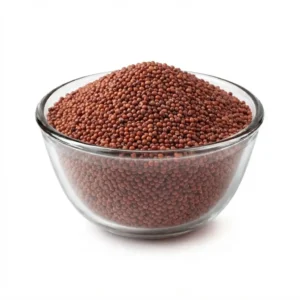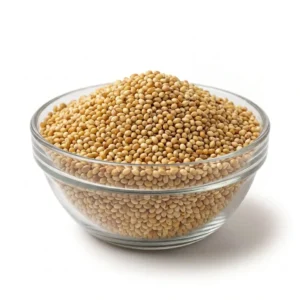
CHAMA RICE

(1 customer review)

Price range: ₹50.00 through ₹200.00

SKU: N/A Category:

Chama Rice is a traditional rice variety known for its small grains, natural taste, and versatility in everyday cooking. It can be used to prepare a variety of traditional meals, rice dishes, and home-style recipes. Easy to cook and suitable for regular meals, Chama Rice is a convenient choice for those who enjoy traditional grains and simple, wholesome food.

Description

Key Features:

  • Traditional rice variety for everyday cooking

  • Natural taste and versatile use

  • Suitable for traditional meals and rice-based recipes

  • Ideal for home kitchens and daily consumption

Balanzing Thought: β€œSimple grains, traditional goodness, and a taste of everyday nourishment.”
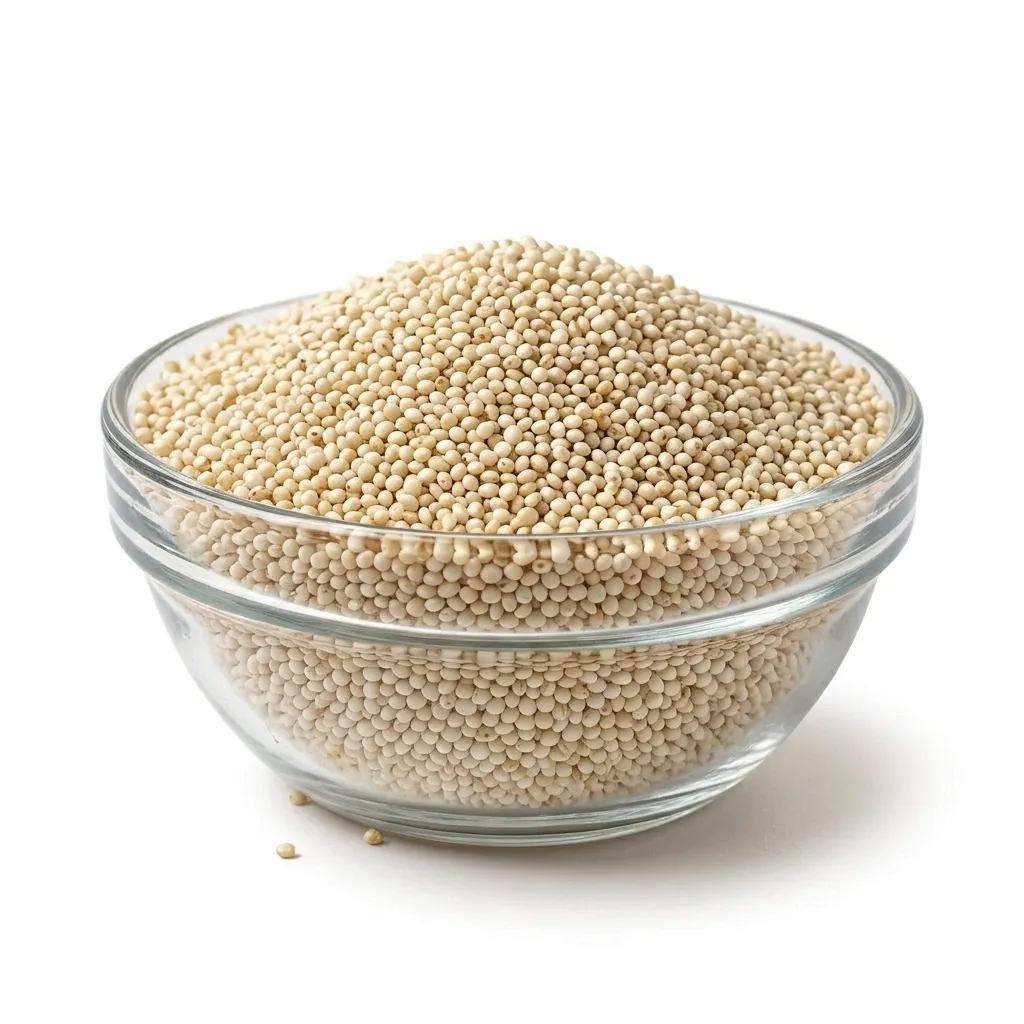
Chama Rice
Chama Rice

Why Choose Chama Rice from BALANZING?

Choose Chama Rice from BALANZING for its versatility, traditional grain appeal, and suitability for everyday cooking. It can be used to prepare a variety of dishes, including upma, pulao, khichdi, and porridge, making it a convenient option for households exploring traditional millet-based meals.
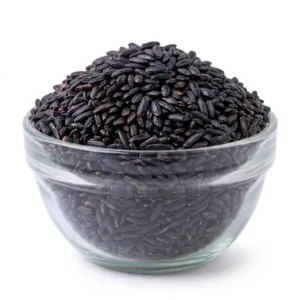
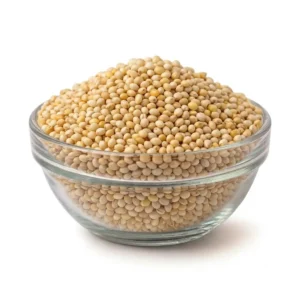
Chama Rice is a traditional millet variety valued for its small grains, versatile cooking applications, and suitability for everyday meals. Known as little millet in English, Chama Rice is a popular choice among people exploring traditional grains and adding variety to their regular food habits. Its small, round grains can be prepared in several ways, making them suitable for breakfast, lunch, dinner, and snack recipes. As interest in millets and traditional Indian food continues to grow, more households are exploring Chama Rice as an alternative to commonly consumed polished rice. It can be used to prepare simple meals as well as regional dishes, depending on individual cooking preferences. The grain is appreciated for its versatility, familiar taste, and ability to fit into different culinary traditions. Chama Rice is particularly useful for people who enjoy experimenting with traditional ingredients while maintaining convenient cooking routines. Its preparation is straightforward, and it can be included in various recipes without requiring complicated cooking techniques. Before cooking, the grains should be cleaned properly and rinsed with water to remove dust or unwanted particles. Soaking for approximately 15–20 minutes can help prepare the grains for cooking, although the soaking time may vary depending on the recipe and grain quality. It can be cooked using a regular saucepan, pressure cooker, or rice cooker. The quantity of water should be adjusted according to the preferred consistency, whether the final dish is intended to have separate grains or a softer texture. One of the reasons people choose Chama Rice is its flexibility in everyday cooking. It can be prepared as plain cooked rice, vegetable pulao, lemon rice, curd rice, khichdi, porridge, and other traditional dishes. Its mild flavour allows it to combine with different vegetables, spices, herbs, and seasonings. For breakfast, it can be used to prepare upma, dosa batter combinations, idli variations, and porridge. For lunch, it works well with sambar, rasam, vegetable curries, dal, and other familiar side dishes. Dinner recipes can include simple millet bowls, one-pot meals, and lightly seasoned preparations. These options make the grain suitable for households that prefer practical ingredients with multiple uses. Chama Rice also offers an opportunity to explore traditional millet-based food habits that have been part of Indian agriculture and regional cooking for generations. Different states have their own food traditions, preparation methods, and preferences for small millets. In Kerala, Chama Rice can be incorporated into familiar meals alongside vegetable curries, coconut-based preparations, lentils, and seasonal vegetables. Chama Rice in Kerala is relevant to households looking for traditional millet options that can complement local food habits. Kerala cuisine includes a variety of rice-based breakfast and lunch preparations, and little millet can be explored in recipes that suit these preferences. It can be prepared as a simple meal, used in vegetable dishes, or served with traditional curries. Chama Rice in Tamil Nadu can be included in regional preparations such as millet pongal, upma, dosa, idli, and traditional rice-style meals. Tamil Nadu has a strong culinary connection with millets, and small-grain varieties are used in different household recipes. Its mild taste makes it convenient to combine with pepper, cumin, curry leaves, ginger, and other commonly used ingredients. Chama Rice in Karnataka can be explored for dishes such as millet bisi bele bath, vegetable pulao, khichdi, and breakfast preparations. Karnataka’s food culture includes several traditional millet recipes, making little millet a useful ingredient for people interested in regional cooking. Chama Rice in Andhra Pradesh can be prepared with spicy vegetable curries, dal-based dishes, and seasoned millet meals. Its versatility allows home cooks to adjust the ingredients according to their preferred regional flavours. Chama Rice in Telangana can also be used in everyday recipes, including millet upma, vegetable khichdi, and simple cooked-grain dishes served with traditional accompaniments. In Maharashtra, Chama Rice can be explored in recipes such as millet khichdi, pulao, and breakfast preparations. Chama Rice in Maharashtra may appeal to households interested in including traditional grains in familiar meals without making major changes to their cooking routines. Chama Rice in Gujarat can be used to prepare vegetable-based dishes, lightly spiced millet preparations, and one-pot meals that suit different household preferences. Chama Rice in Rajasthan can complement regional food traditions through simple grain preparations, vegetable combinations, and millet-based recipes. Chama Rice in Madhya Pradesh can be incorporated into everyday cooking as an alternative grain for meals served with dal, vegetables, and seasonal curries. Chama Rice in Uttar Pradesh can be used in khichdi, pulao, porridge, and other preparations that combine grains with commonly available vegetables and spices. Chama Rice in Bihar can be explored in traditional-style meals and simple home-cooked recipes, particularly for people interested in adding more variety to their regular grain choices. Chama Rice in West Bengal can be prepared with vegetables, lentils, and lightly seasoned ingredients to create balanced meals inspired by local culinary preferences. Chama Rice in Odisha can be included in millet-based khichdi, vegetable preparations, and everyday dishes served with dal or curry. Chama Rice in Punjab can be used in pulao, vegetable bowls, and simple cooked-grain recipes that pair well with dals, yoghurt, and seasonal vegetables. Chama Rice in Haryana can be incorporated into practical household meals, including khichdi and vegetable-based preparations. Chama Rice in Himachal Pradesh can be explored in warm, comforting dishes prepared with vegetables, lentils, and mild spices. Chama Rice in Uttarakhand can be included in traditional-inspired grain recipes and simple meals that complement regional ingredients. Chama Rice in Goa can be prepared with vegetables, coconut, herbs, and spices to create dishes suited to local cooking preferences. Chama Rice in Assam can be used in porridge, savoury preparations, and vegetable-based recipes that offer variety in everyday meals. Chama Rice in Meghalaya can be explored in simple grain dishes paired with vegetables and other familiar ingredients. Chama Rice in Manipur can be incorporated into home-cooked meals with seasonal vegetables and traditional flavour combinations. Chama Rice in Mizoram can be prepared as a simple cooked-grain dish or combined with vegetables for convenient everyday meals. Chama Rice in Tripura can be used in millet-based recipes that complement local ingredients and household food preferences. Chama Rice in Nagaland can be included in simple meals with vegetables, herbs, and other regional accompaniments. Chama Rice in Arunachal Pradesh can be explored in warm grain preparations and vegetable combinations suitable for different cooking styles. Chama Rice in Sikkim can be used in porridge, khichdi, and other comforting millet-based dishes. Chama Rice in Chhattisgarh can be incorporated into traditional-inspired meals and practical everyday recipes. Chama Rice in Jharkhand can be explored in simple grain preparations alongside pulses, vegetables, and locally preferred ingredients. Chama Rice in Jammu and Kashmir can be used in warm, mildly spiced dishes and vegetable-based meals, while Chama Rice in Ladakh can be explored in comforting preparations suited to colder-weather cooking preferences. Chama Rice in Delhi can be included in diverse household recipes, from vegetable pulao and khichdi to simple millet bowls, reflecting the city’s varied food preferences. Although cooking traditions differ across these regions, the grain’s versatility makes it possible to adapt it to different ingredients and preparation methods. When selecting Chama Rice, consumers should pay attention to grain appearance, cleanliness, packaging, and storage information. Good-quality grains should be free from visible insects, unusual odours, excessive dust, and unwanted foreign particles. Proper packaging helps protect the product during transportation and storage. Consumers should also check the manufacturing or packing date, best-before information, net weight, and storage instructions before purchasing. Keeping the grains in a clean, dry, airtight container can help maintain their quality and protect them from moisture and pests. It is also advisable to store the container away from direct sunlight and strong-smelling ingredients. Using a clean, dry spoon when handling the product helps reduce the possibility of contamination. These basic storage practices are useful for maintaining the grain’s condition after opening the package. Cooking Chama Rice does not require specialised kitchen equipment, which makes it convenient for everyday use. A saucepan can be used when preparing small quantities, while a pressure cooker may be suitable for larger household portions. The water ratio can be adjusted according to the desired texture, cooking equipment, and soaking time. For a simple preparation, rinse the grains, add an appropriate quantity of water, and cook until the grains become tender. Allowing the cooked grain to rest briefly before serving can help improve its texture. For pulao, vegetables and whole spices can be sautΓ©ed before adding the rinsed grains and water. For khichdi, combining the grain with moong dal, turmeric, cumin, and vegetables creates a convenient one-pot meal. A porridge preparation can be made by cooking the grains with additional water until a soft consistency develops. These cooking options demonstrate how one ingredient can support different meal requirements throughout the day. Chama Rice can also be considered by people who want to diversify their grain consumption. Including different grains in a varied diet can provide culinary variety, while the overall nutritional value of a meal depends on its ingredients, portion sizes, and preparation method. It can be combined with pulses, vegetables, nuts, seeds, and other food groups to create meals with different textures and flavours. However, consumers should avoid assuming that one grain alone can meet all nutritional requirements or provide specific health benefits. A balanced eating pattern involves a suitable combination of foods according to individual dietary needs. For households purchasing traditional grains regularly, choosing the right pack size can also make a difference. Smaller packs may be convenient for first-time buyers who want to understand the grain’s taste and cooking behaviour. Larger packs may suit families that already use little millet in their weekly meal planning. Checking product details and comparing available pack sizes can help consumers make a practical purchasing decision. Whether used for breakfast, lunch, or dinner, Chama Rice provides a flexible ingredient for preparing a range of familiar and creative dishes. Its suitability for different cooking styles makes it worth exploring in households that want to introduce more traditional grains into their kitchens. As awareness of millet-based foods continues to develop, consumers across India can discover new ways to prepare little millet according to their regional tastes and everyday requirements. From Kerala and Tamil Nadu to northern, western, eastern, and northeastern states, Chama Rice can be adapted to numerous recipes without losing the simplicity that makes traditional grains useful in daily cooking. Choosing properly packed grains, following suitable cooking methods, and storing the product correctly can help create a better cooking experience. For anyone interested in exploring traditional millet varieties, Chama Rice offers a practical starting point for adding diversity to everyday meals while appreciating India’s rich grain and food heritage.
Traditional grains offer a simple way to bring variety into everyday meals. They can be prepared using familiar cooking methods and combined with vegetables, pulses, herbs, and spices to create different dishes. Choosing properly cleaned and packed grains helps maintain product quality during storage. Before purchasing, customers should check the packaging date, net weight, and storage instructions. Keeping food ingredients in airtight containers away from moisture and direct sunlight also helps preserve their condition. Exploring different recipes allows families to enjoy diverse flavours while maintaining convenient and practical cooking routines.

Additional information

Weight

, ,

1 review for CHAMA RICE

  1. user –

    I purchased Chama Rice from BALANZING and was happy with the overall quality. The grains were clean, easy to cook, and suitable for preparing different dishes like upma and pulao. I also liked its taste and versatility for everyday meals. Good experience with BALANZING, and I would recommend it to anyone looking to include traditional millets in their diet.

Add a review

Your email address will not be published. Required fields are marked *